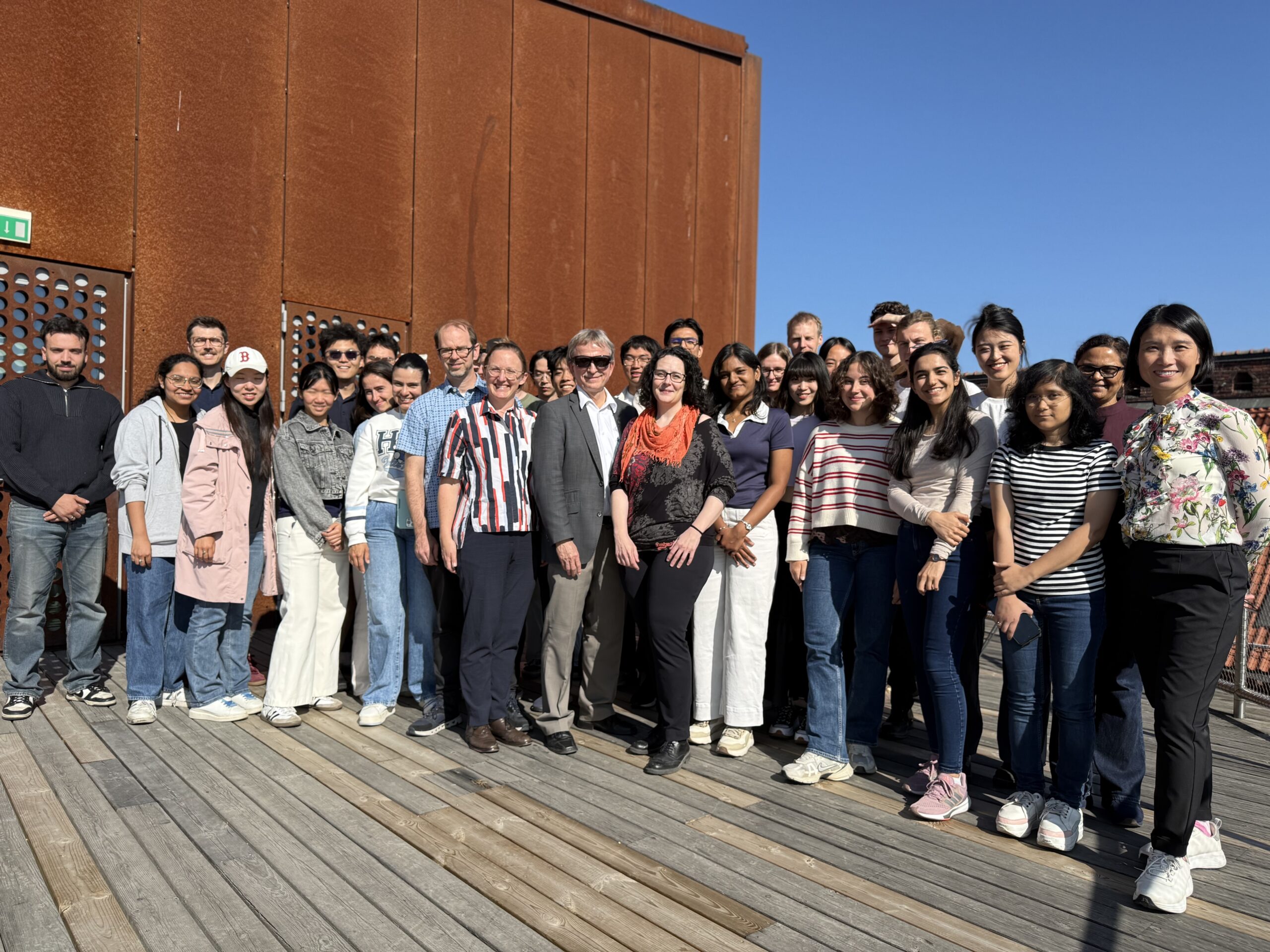
A major Swedish research initiative, DEMOCRITUS – Decision-making in Critical Societal Infrastructures, has now been successfully completed. The project, funded by Digital Futures, delivers new methods for monitoring, securing, and optimizing large-scale infrastructure systems, with a particular focus on water distribution networks—one of society’s most essential yet complex systems. A newly released video accompanying the project offers a clear and engaging look at the results, giving viewers the chance to explore how digital technologies can transform critical infrastructure in practice.
Smarter infrastructure through digitalization
Modern societies rely heavily on critical infrastructures such as water networks and power grids. These systems must operate safely, efficiently, and in real time—where even small disruptions can have major consequences. The DEMOCRITUS project addresses these challenges with advanced digital tools for real-time monitoring, data-driven decision-making, and secure information sharing.

“We’re moving from simply reacting to problems to actually anticipating them before they happen,” says Viktoria Fodor, Professor at KTH. “That’s a game changer for critical infrastructure.”
From theory to real-world water systems
A central focus of the project has been water distribution networks, where issues such as leaks, contamination, and aging infrastructure pose growing challenges.


PhD students Michele Mascherpa and Victor Molnö are testing project results at the Smart Water Infrastructures Laboratory (SWIL) at Aalborg University.
Among the key results are:
- Faster and more accurate leak detection
- New ways to identify and respond to contamination risks
- Smarter use of data from sensors and smart meters
In a second phase, Towards Smart Water, the research was brought closer to real-world application through collaboration with industry partners, including SVOA, the Stockholm Water Company.

“What’s exciting is that this isn’t just theory anymore,” says Johan Karlsson, Professor at KTH. “We’ve shown that these methods can actually work in real water systems.”
Collaboration across disciplines
The project brought together researchers from KTH Royal Institute of Technology, Stockholm University, and RISE, combining expertise in engineering, computer science, and system security. This close collaboration with industry and public stakeholders has been key to ensuring real-world relevance.

“When you bring together different fields and perspectives, you can tackle problems that no single discipline could solve alone,” says Bengt Ahlgren, Senior Researcher at RISE.
“For a growing city like Stockholm, securing reliable and sustainable infrastructure is absolutely critical,” says Karin Ekdahl-Wästberg, Innovation Director at City of Stockholm. “Projects like DEMOCRITUS show how research and innovation can directly support better services for our citizens.”
International impact and outreach
DEMOCRITUS has attracted international attention, with results presented at leading conferences and shared through workshops and stakeholder events. The newly released video further opens up the project to a wider audience, highlighting both the technology and its societal importance.
Towards a more resilient society
By improving how critical infrastructures are monitored and controlled, DEMOCRITUS contributes to safer, more efficient, and more sustainable societal systems. As digitalization continues to reshape essential services, the project demonstrates how research can turn complex challenges into practical solutions—with real impact for society.