The Wallenberg AI, Autonomous Systems and Software Program (WASP) will continue through 2034, following a new commitment from the Knut and Alice Wallenberg Foundation. The Foundation is providing SEK 6.2 billion in research funding, bringing the programme’s total budget to SEK 7.2 billion including co-funding.
The continued funding will enable WASP to support research, doctoral education and researcher recruitment in AI, autonomous systems and software.

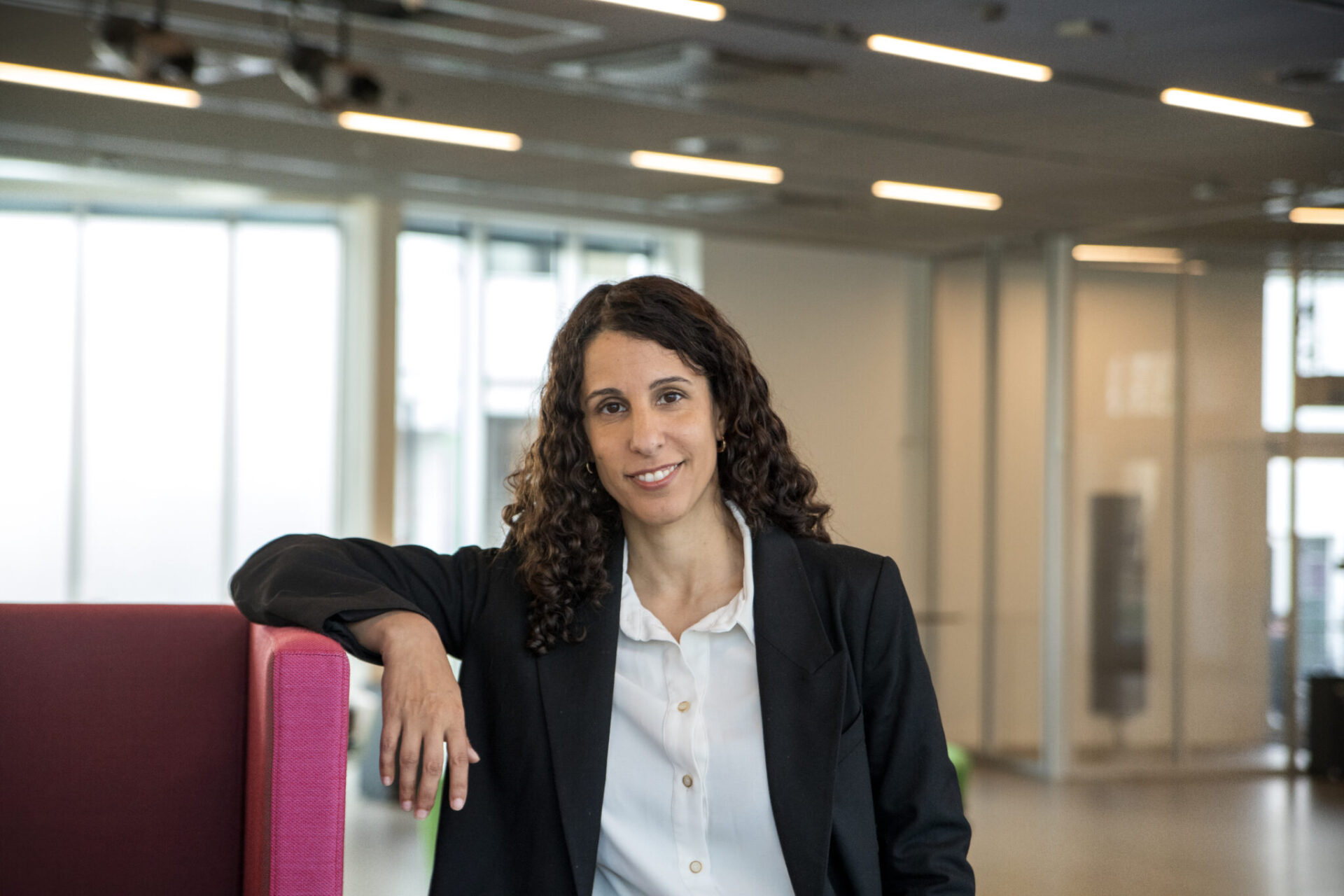
Initiatives in AI for science, foundation models, and the recruitment of international researchers are central to the program’s direction going forward, says Amy Loutfi, Program Director of WASP.
The next phase will include new strategic initiatives in areas such as AI for Science, large-scale AI and the next generation of autonomous and software systems.
It will also deepen the ties between WASP and the humanities and social sciences. Through closer collaboration with researchers in WASP-HS, the program strengthens its ability to address the societal, ethical and human dimensions of the technologies it develops. Read more.
The Wallenberg AI, Autonomous Systems and Software Program (WASP) is a major national initiative for strategically motivated basic research, education and faculty recruitment. KTH is a one of WASP’s six partner universities. Each university hosts its own WASP Lighthouse. The WASP Lighthouse at KTH is hosted at Digital Futures hub. Find out more on the webpage for WASP Lighthouse at Digital Futures.