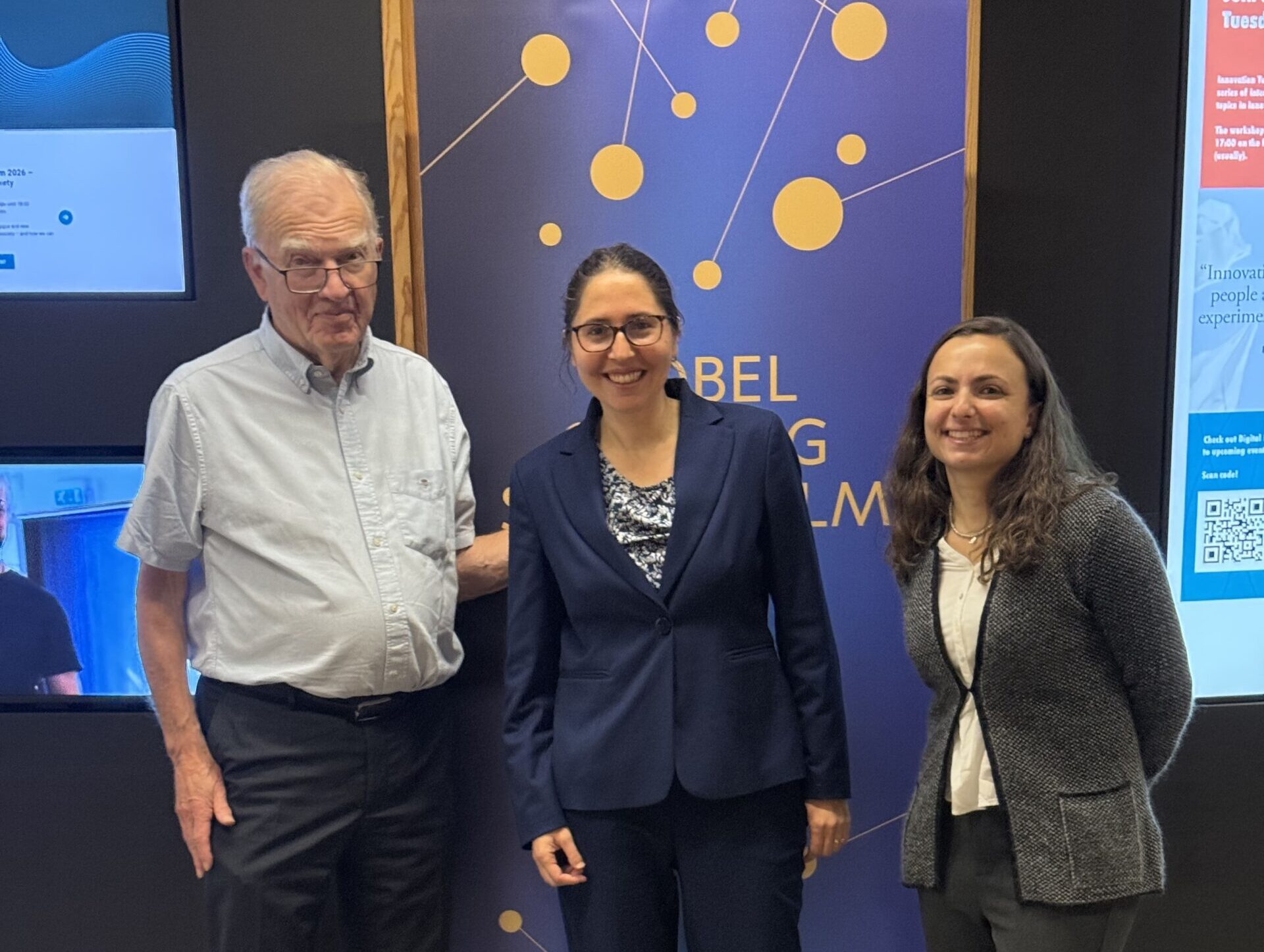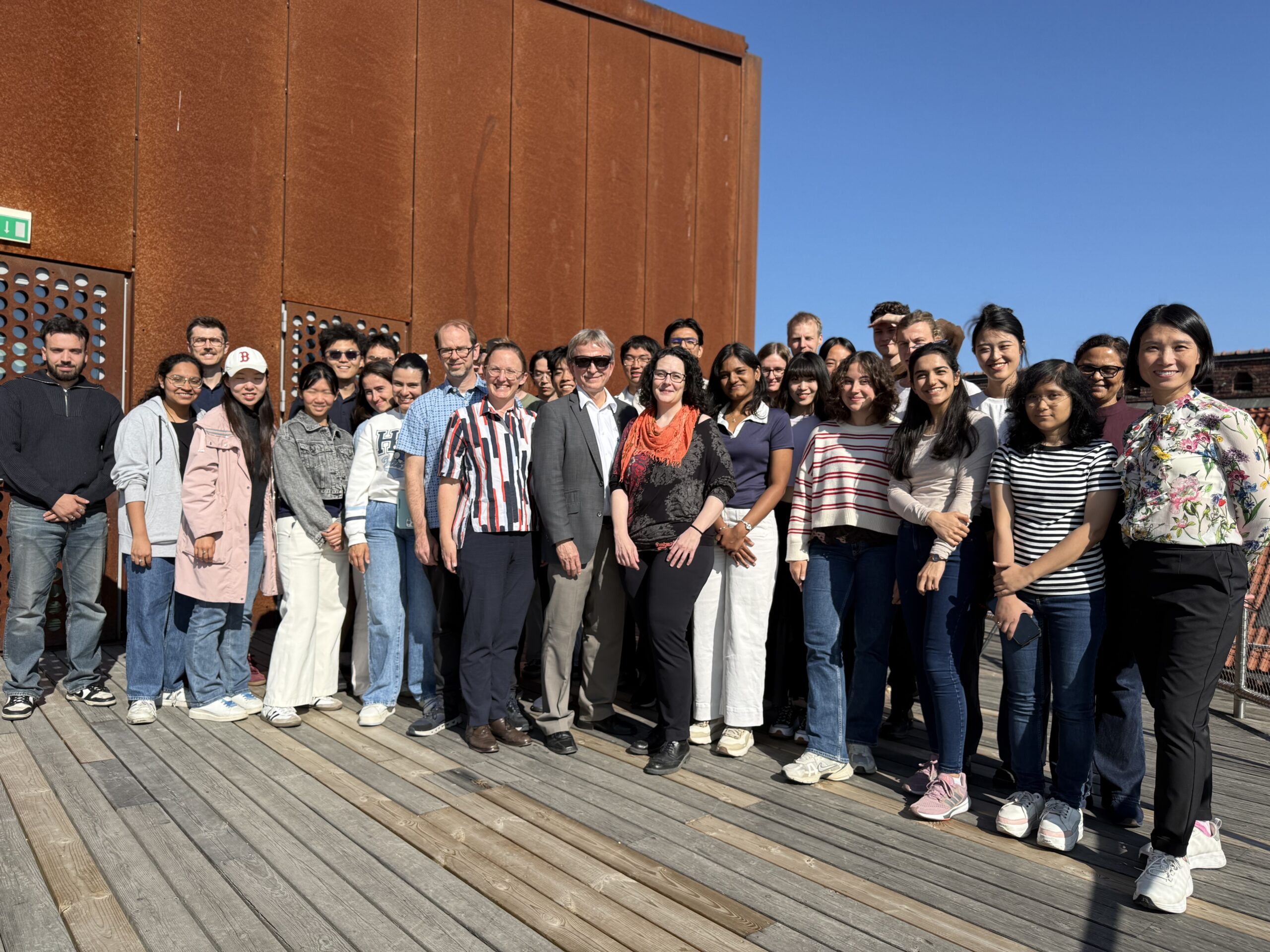
This summer, Professor Steffen Leonhardt from RWTH Aachen University joined Digital Futures as a Scholar-in-Residence hosted by Seraina Dual, Associate Professor at KTH and Digital Futures faculty member. During his stay at KTH, he contributed to research, teaching and knowledge exchange, while developing new connections with researchers working across biomedical engineering, digital health and intelligent systems.
Leonhardt is Full Professor at RWTH Aachen University and University Hospital Aachen, where his research focuses on closed-loop control and automation in medicine, bioimpedance, unobtrusive sensing, biomedical signal processing and machine learning. At KTH, he was hosted by Associate Professor Seraina Dual, whose research connects closely with his interests in biomedical systems and healthcare technologies.
Connecting control engineering and healthcare
A central theme of Leonhardt’s research is the use of feedback and control principles in medicine. During his residency, he brought this perspective into the Digital Futures research environment and engaged with researchers across disciplines.
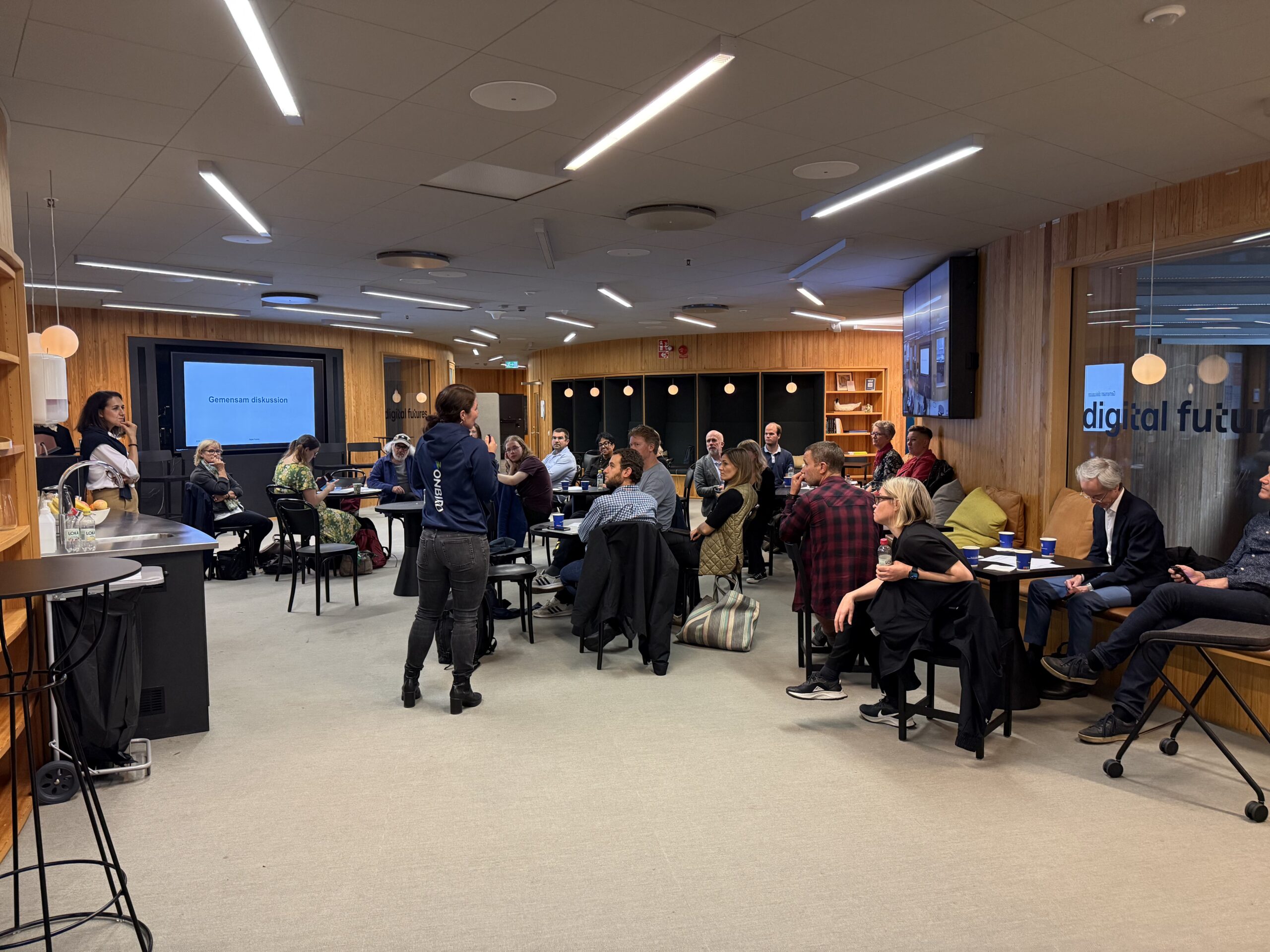
One highlight was the workshop Feedback Control of Biomedical Systems, which brought together researchers
from KTH, Uppsala University, Université Grenoble Alpes, industry and RWTH Aachen. The workshop explored
how concepts from control engineering can be applied to physiological and biomedical systems. At this event, Leonhardt gave a Digital Futures Distinguished Lecture titled “Control of therapeutic systems – why mother nature is closing the loop and why we should do this, too!”. He discussed the principles of closed-loop systems in
physiology and how these principles can inspire new approaches to therapeutic technologies.
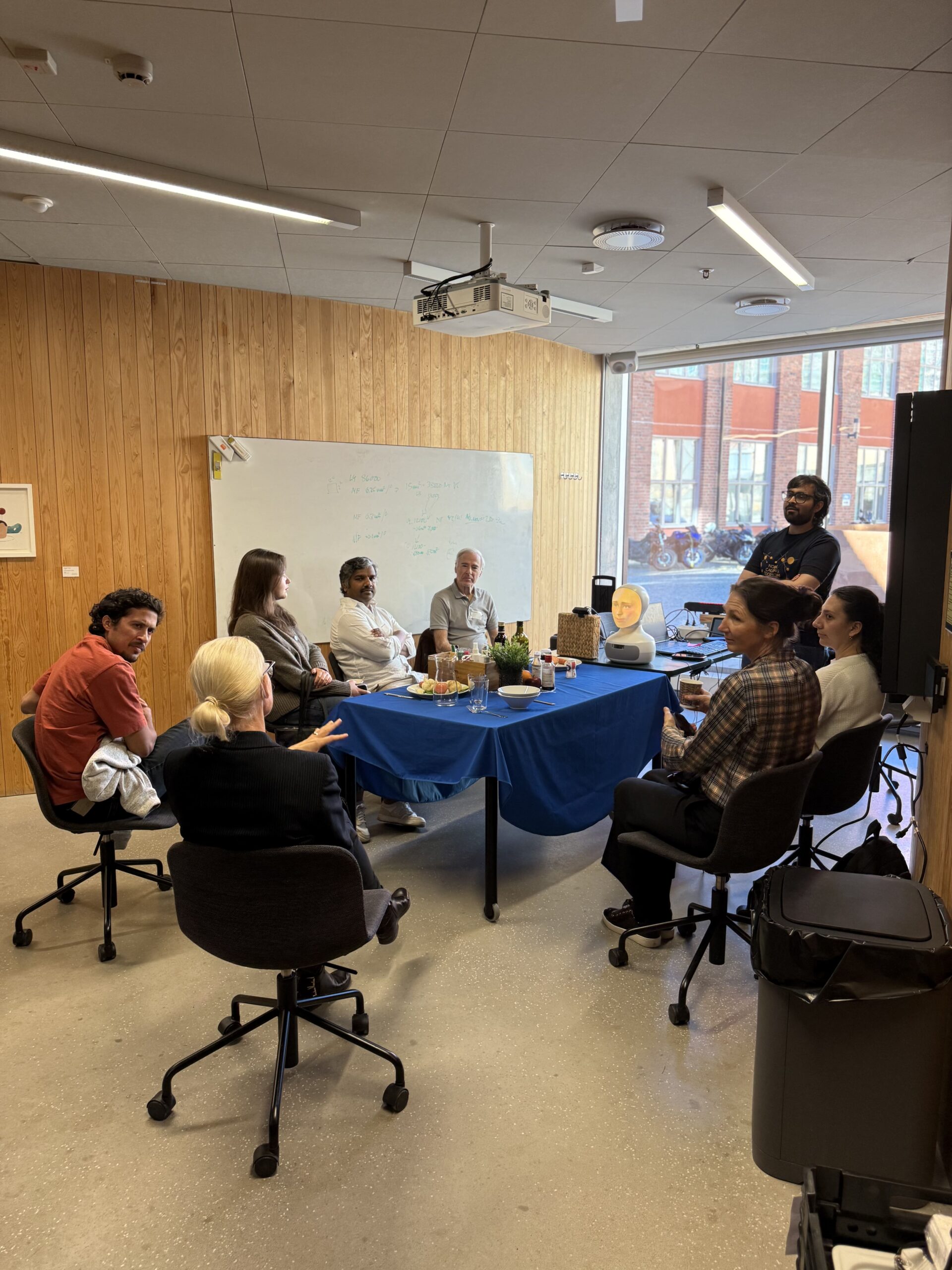
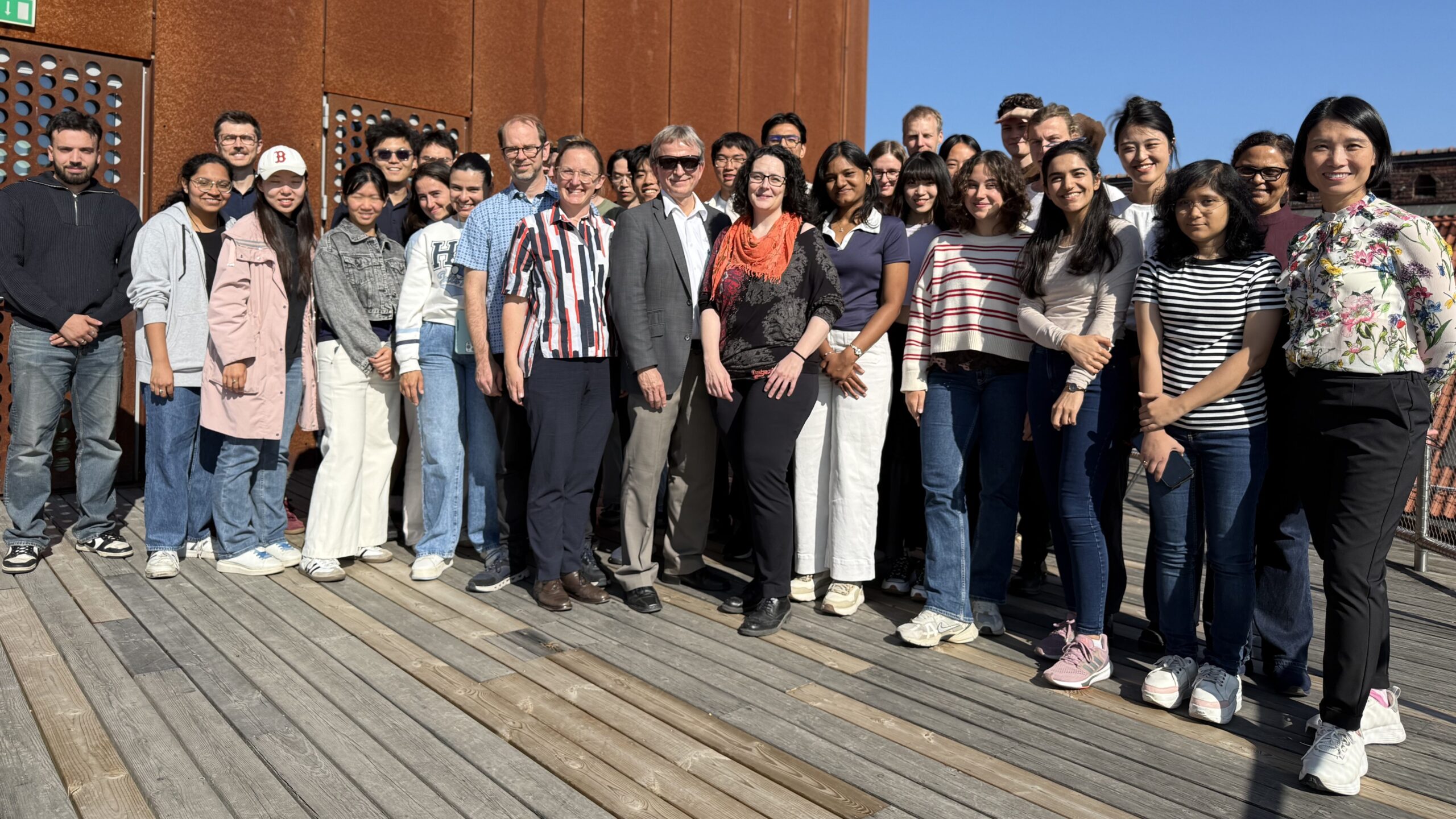
His residency also included teaching. In August, he contributed to the Workshop Days on Intelligent Systems for Healthcare at Digital Futures, where students and researchers explored topics including unobtrusive measurement technologies, quantitative physiology, digital twins and explainable AI.
An exchange beyond research
For Leonhardt, the residency was not only an opportunity to collaborate scientifically but also to experience life in Sweden together with his wife, Anke. As they prepared to return to Aachen at the end of August, he wrote to his colleagues at KTH and Digital Futures:
“It has been an extremely pleasant experience, both scientifically and culturally. We are now enthusiastic fans of Sweden and we will surely return.”
Leonhardt also highlighted the importance of the support provided through the Digital Futures Scholar-in-Residence Programme, expressing his gratitude for the programme’s generous support of their stay. He plans to share his experiences with colleagues at RWTH Aachen, including the Rectorate and the Department of Electrical Engineering.
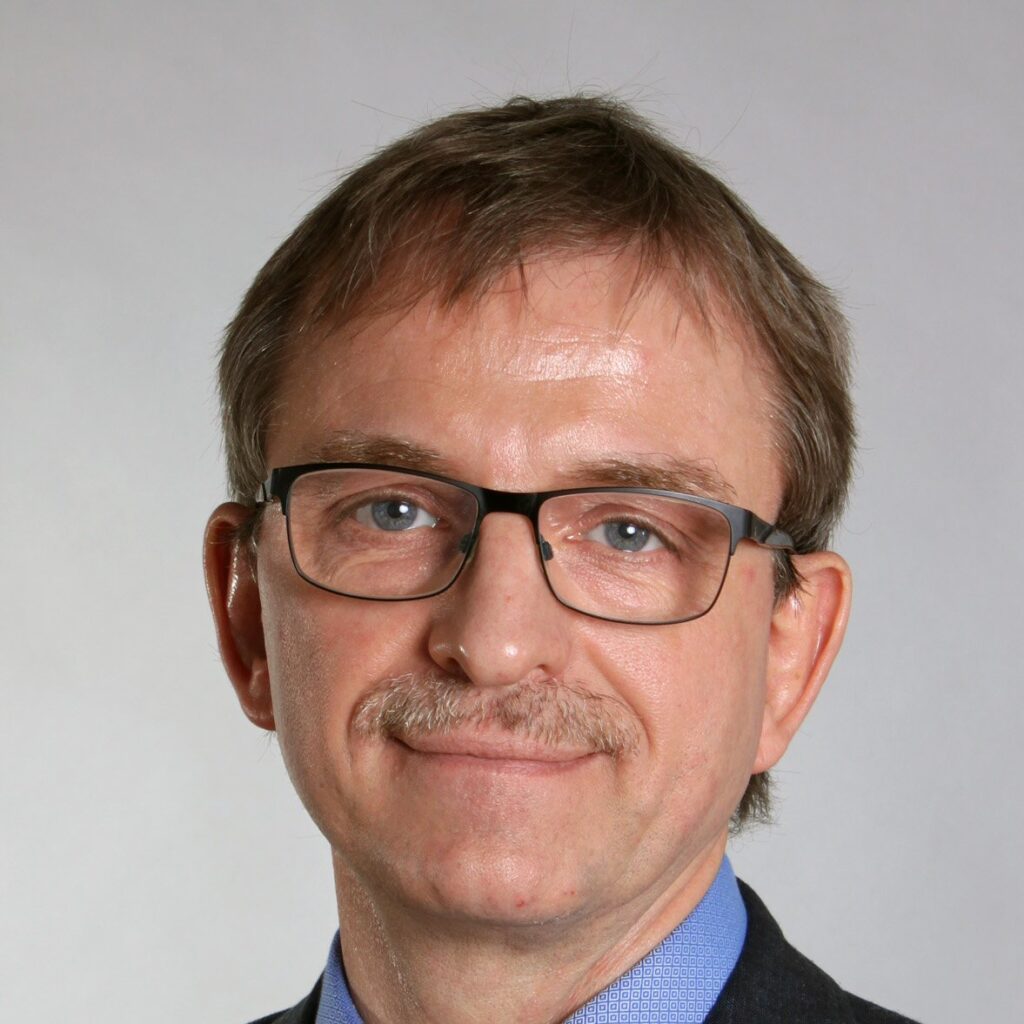
“It has been an extremely pleasant experience, both scientifically and culturally. We are now enthusiastic fans of Sweden and we will surely return.”
Professor Steffen Leonhardt, RWTH Aachen University
Building lasting connections
The Scholar-in-Residence Programme is designed to bring leading international researchers into the Digital Futures environment for extended research visits. Scholars participate in research, teaching, seminars and mentoring, while creating opportunities for new collaborations and international exchange.
Leonhardt’s summer at KTH is a good example of this exchange in practice: combining scientific collaboration with teaching, interdisciplinary dialogue and the opportunity to build lasting connections between research environments in Sweden and Germany.
While his residency has come to an end, the connections made during his stay will continue. And, as Leonhardt put it, Sweden has gained two enthusiastic new fans who intend to return.