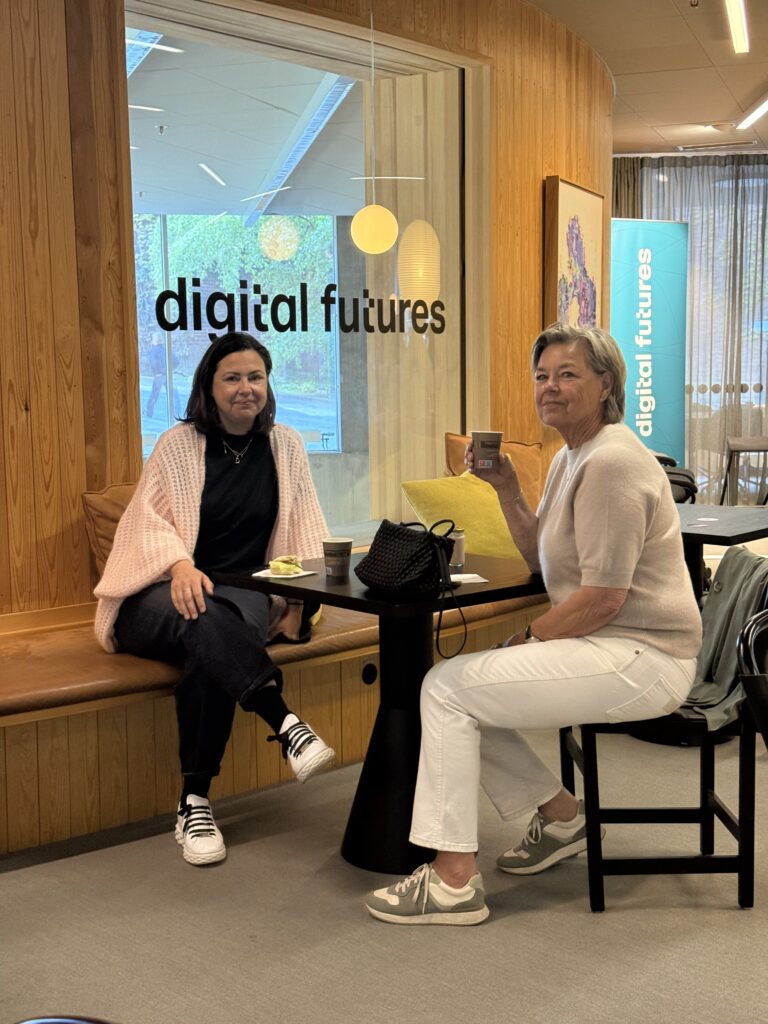
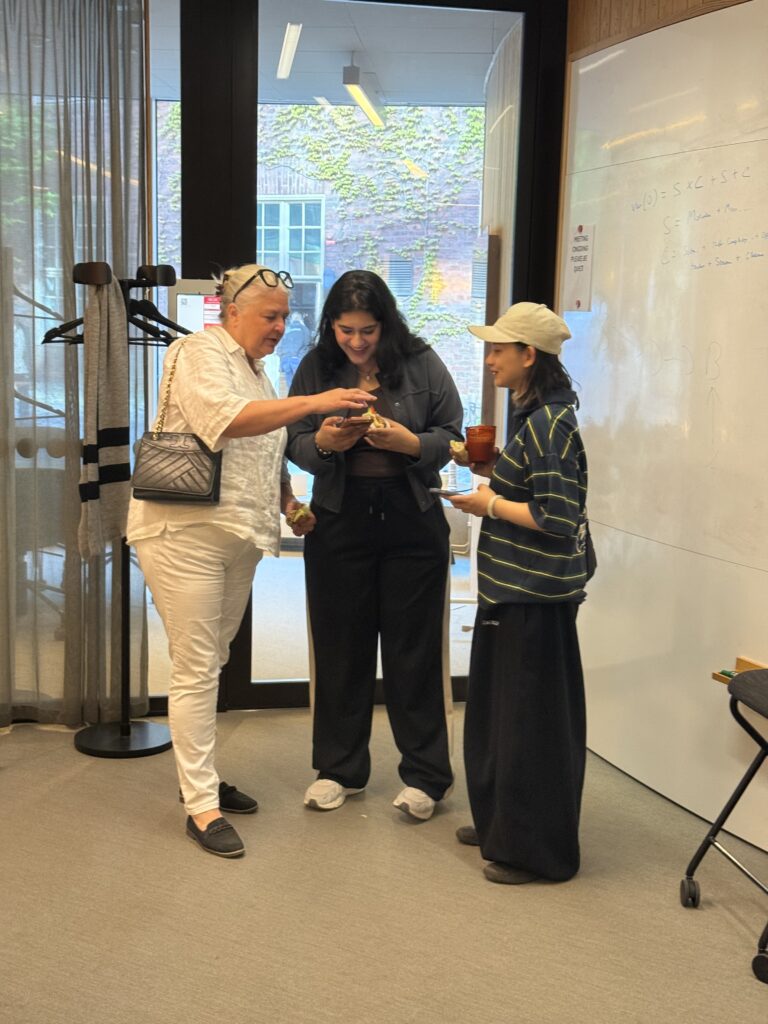
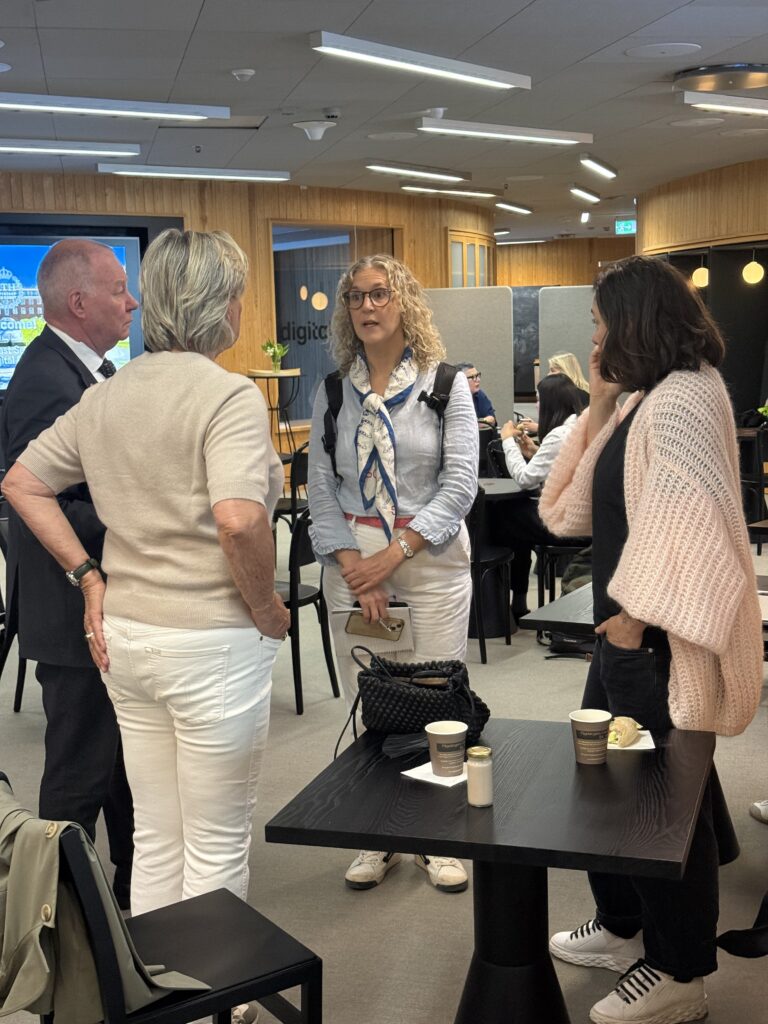
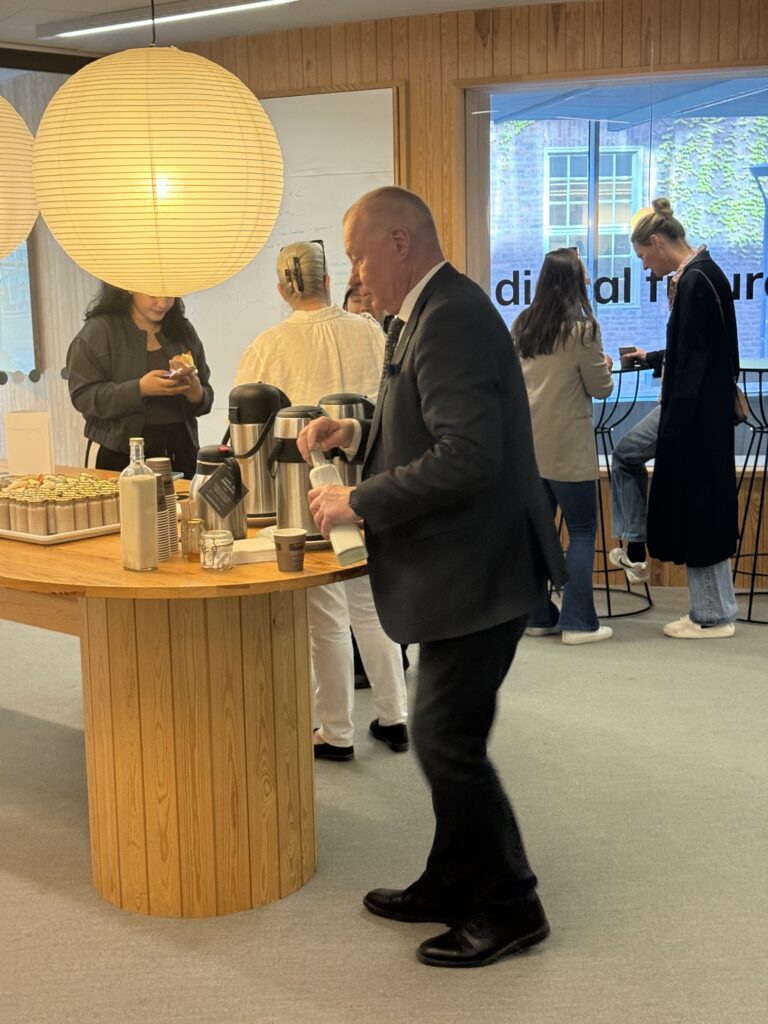
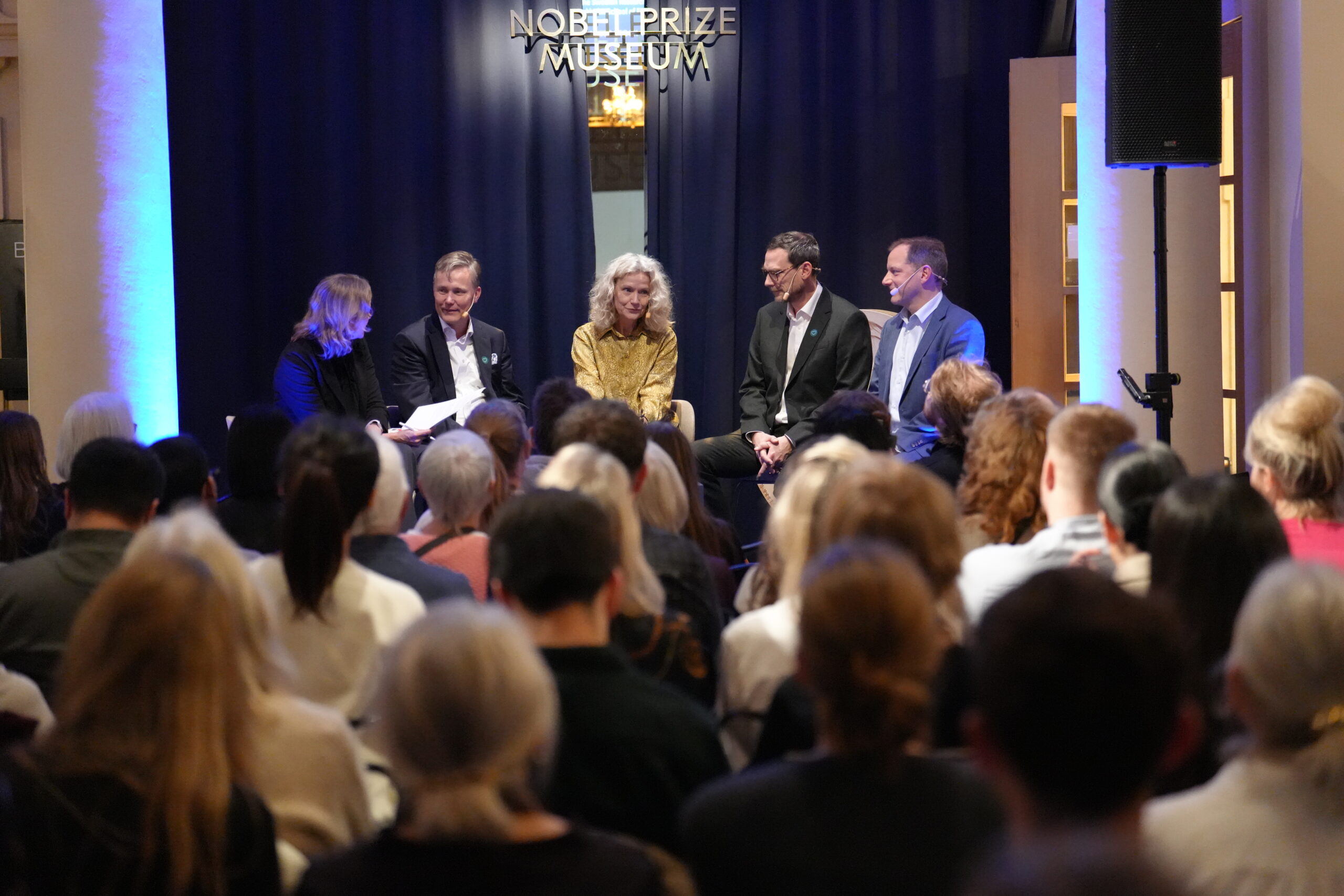
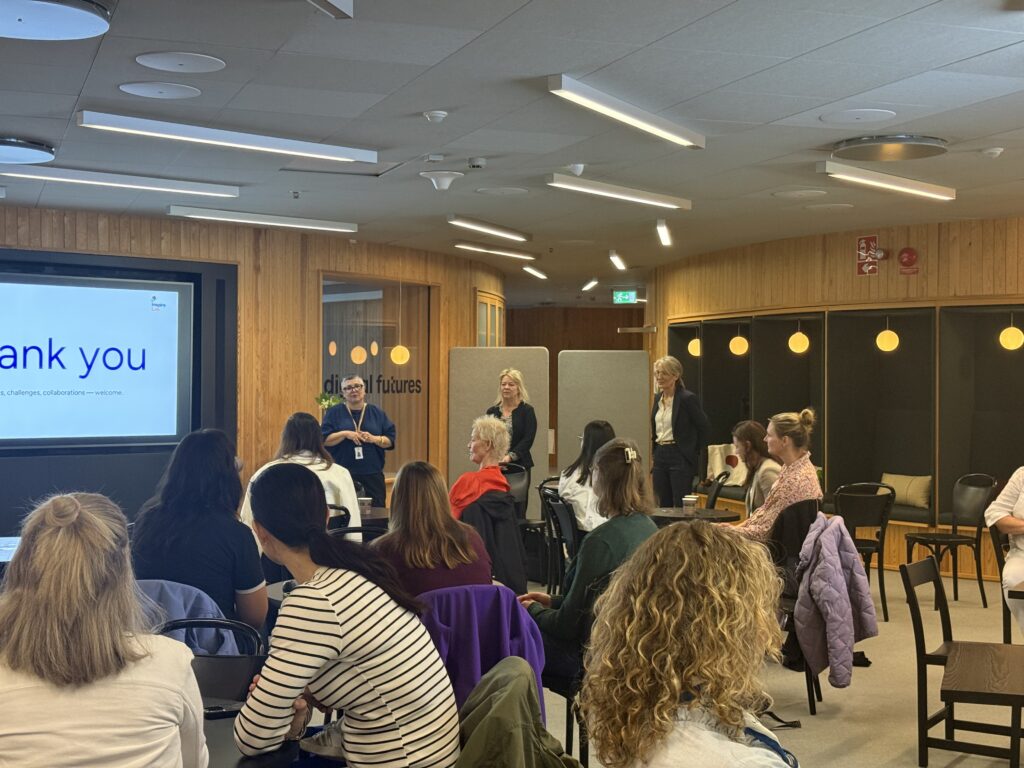
On Thursday 28 May, researchers, students and guests gathered at the Digital Futures hub for a well-attended breakfast seminar on the future of home-based hormone diagnostics. The event marked the International Day for Menstrual Health and focused on how emerging technologies can help close the global gender health gap.
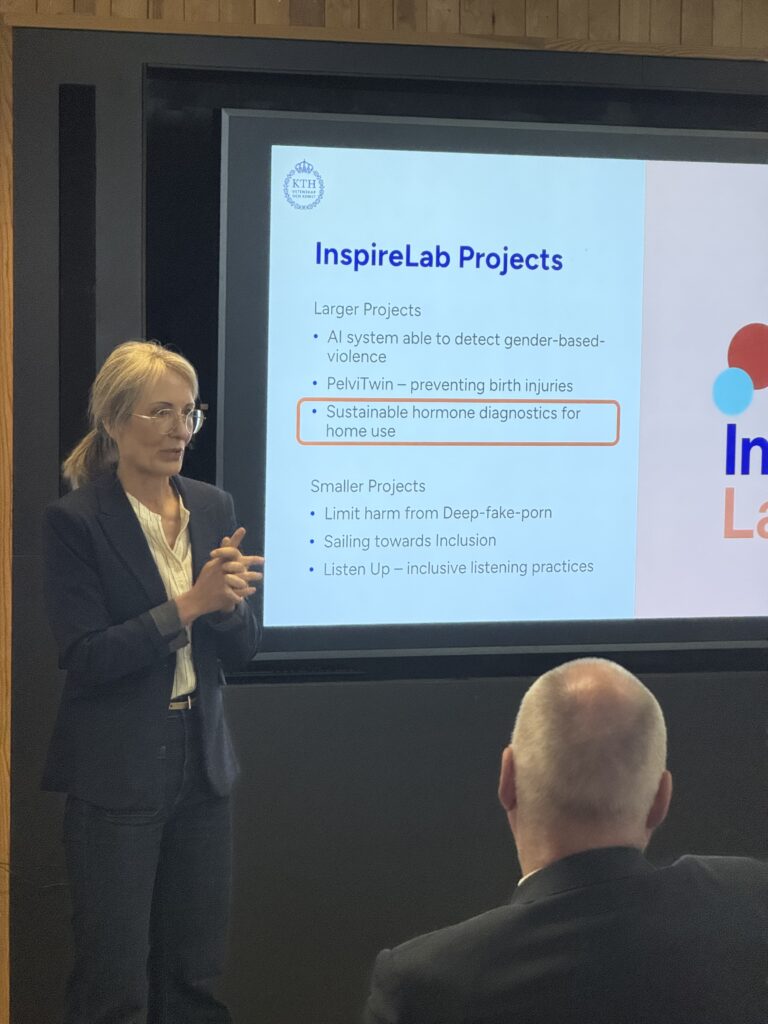
The seminar, titled New Technology for Home-Based Hormone Diagnostics, featured Professor Carlota Canalias Gomez, physicist and photonics researcher at KTH and one of the scientists behind the new InspireLab-funded project Home-based Hormone Diagnostics.
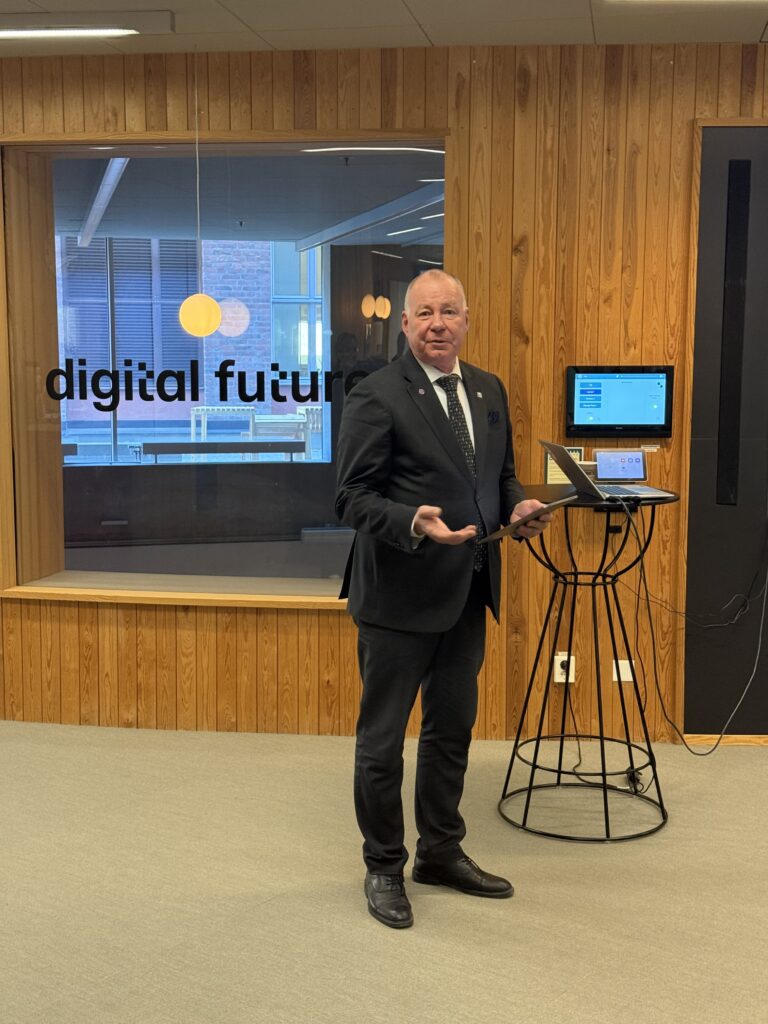
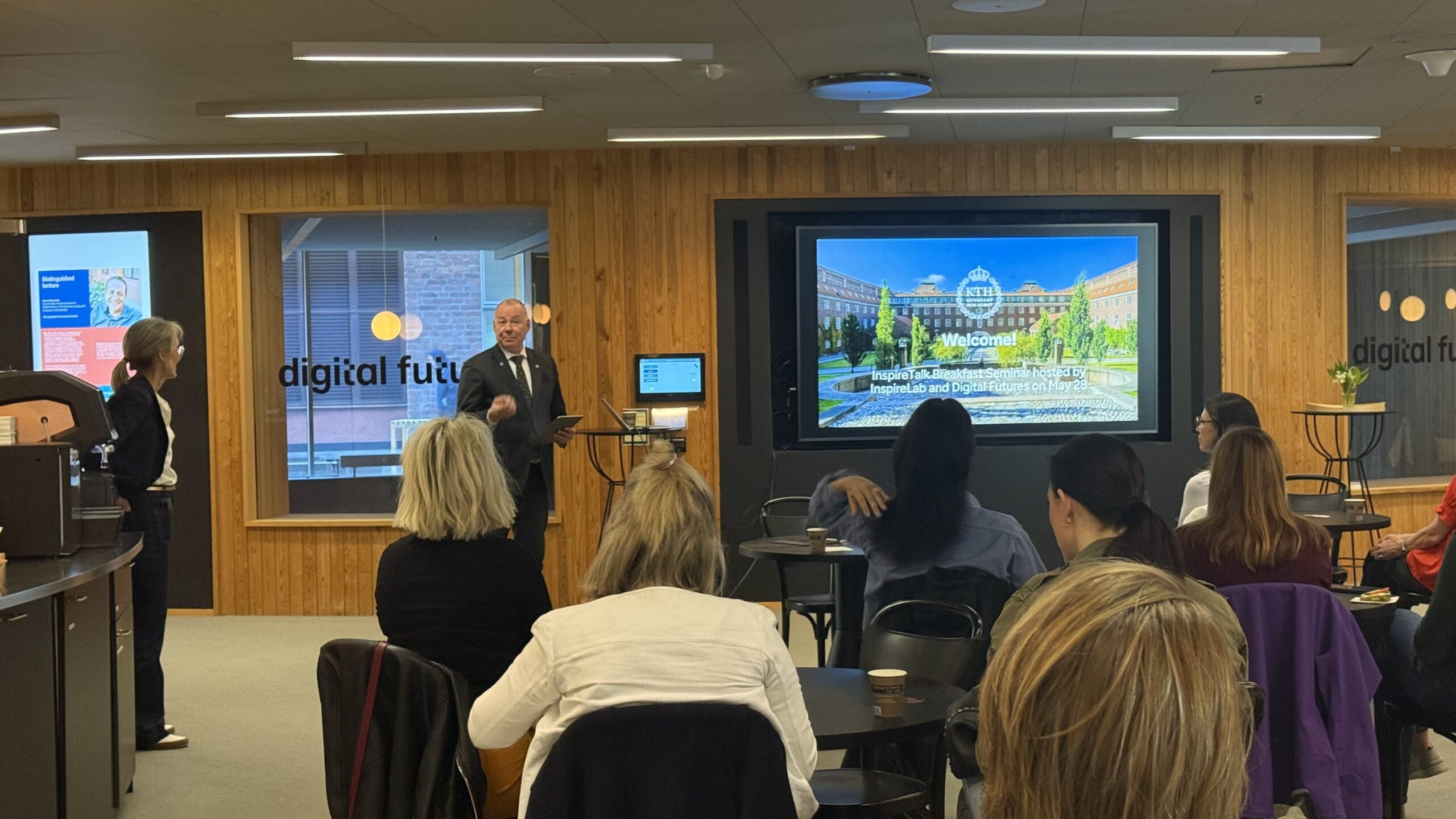
Breakfast was served before the seminar opened with welcoming remarks from KTH President Anders Söderholm, who highlighted the importance of research centres such as InspireLab and the growing significance of research addressing gender equality – connecting it to KTH:s vision of taking the lead for a sustainable society. InspireLab Centre Director Pia Höök also introduced InspireLab and its mission to support transformative research initiatives.
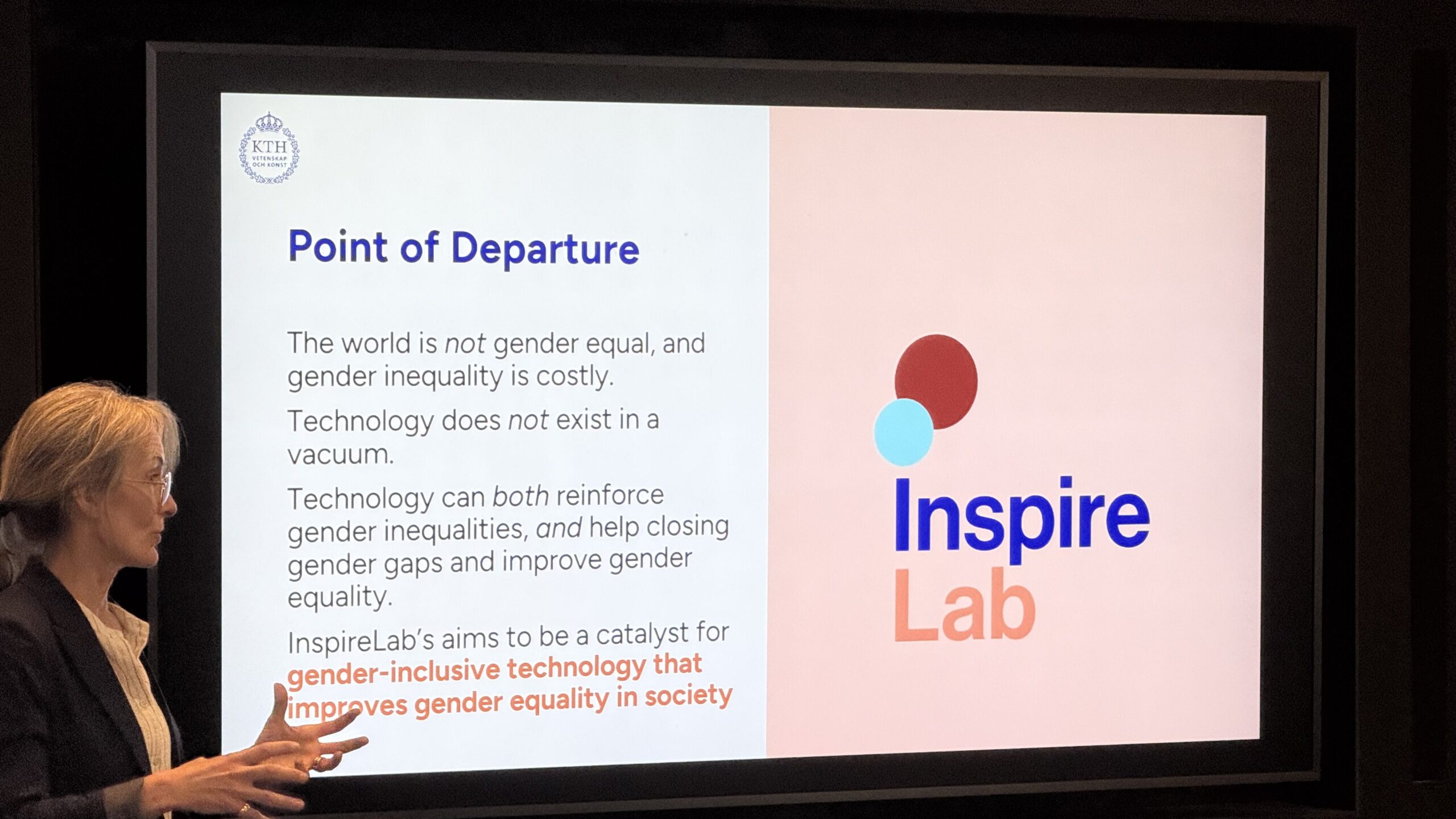
“At InspireLab, we believe that technology development must include perspectives and needs that have historically been neglected. Research like this shows how engineering and digital innovation can contribute to real societal change,” said Pia Höök.
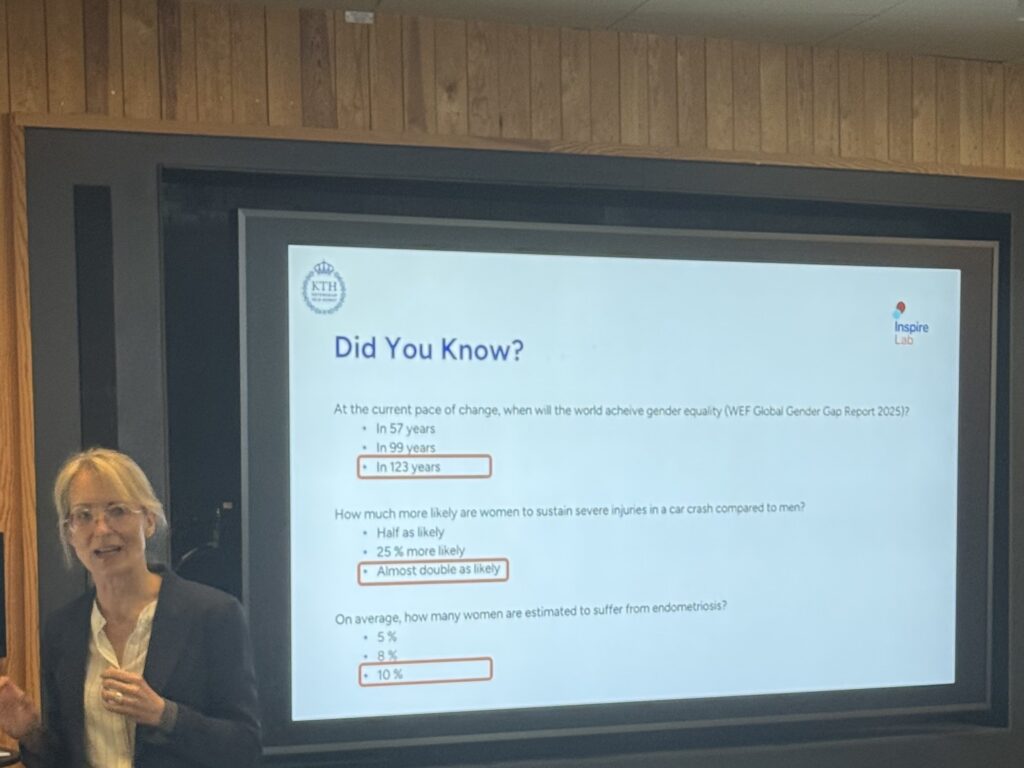
She also highlighted that, at the current pace of change and according to the WEF Global Gender Gap Report 2025, the world will achieve gender equality in 123 years. She noted that women are almost twice as likely as men to sustain severe injuries in car crashes and that an estimated 10 percent of women suffer from endometriosis.
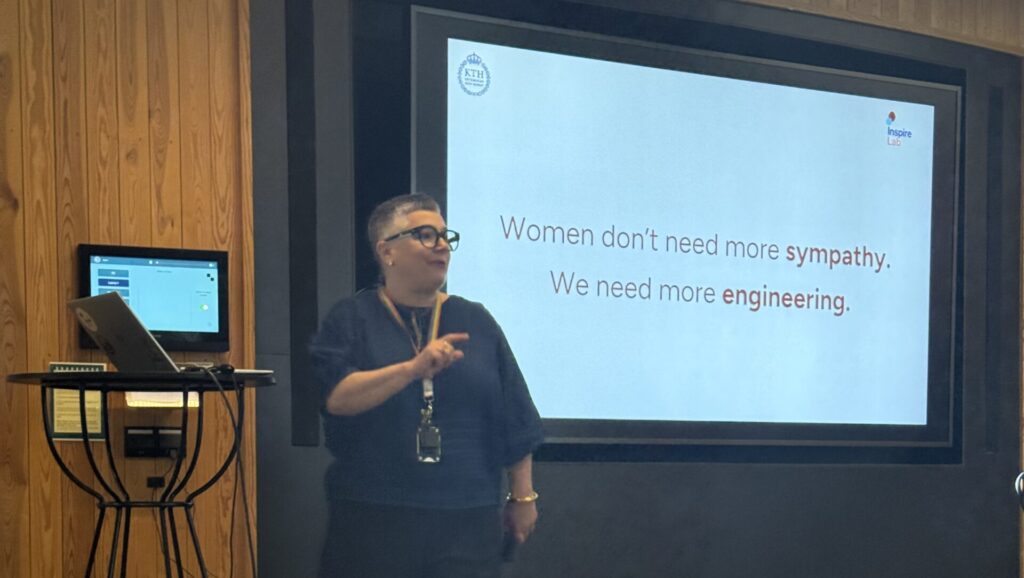
“Women don’t need more sympathy. We need more engineering,” stated Carlota Canalias Gomez.
During the presentation, she described how the project aims to make hormone levels measurable in everyday life through a simple and affordable home urine test. By combining fibre optics, spectroscopy and AI, the system is designed to measure six key hormones — LH, FSH, oestrogen, progesterone, cortisol and serotonin — with results analysed via a mobile phone.
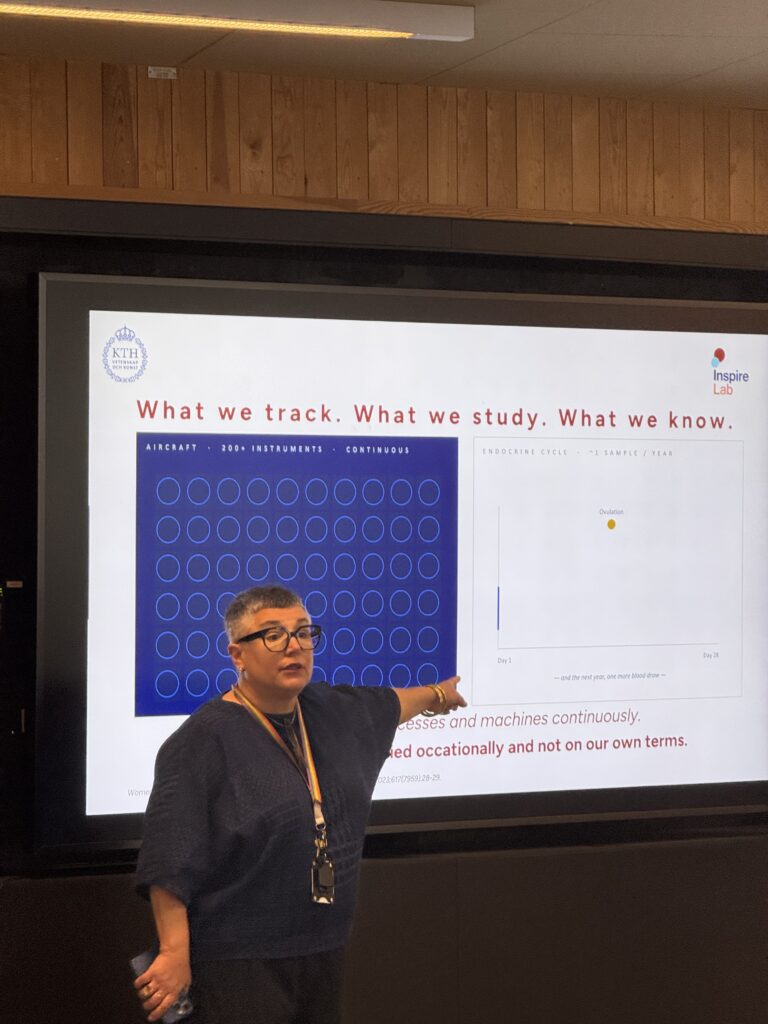

The goal is to empower individuals to better understand their hormonal health while also generating new knowledge in a field that has long been under-researched. Improving menstrual and hormonal health is considered an important step towards reducing the global gender health gap, with major implications not only for wellbeing but also for society and the economy.
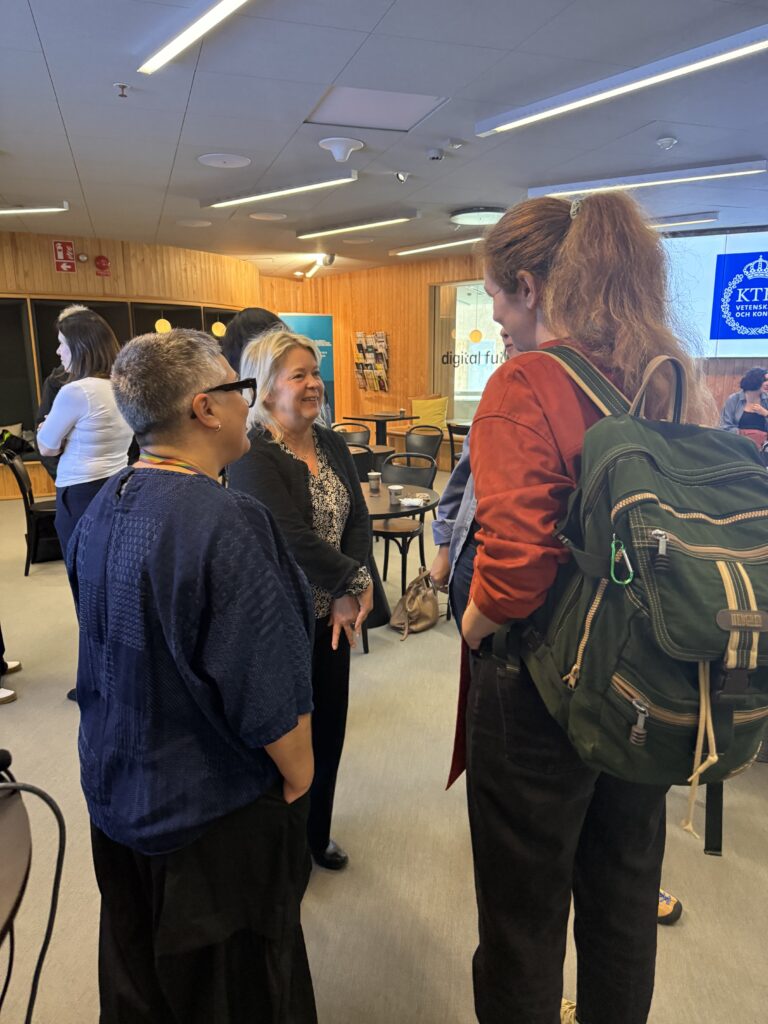
Although still in its early stages, the project has already attracted significant external interest. Participants at the seminar expressed strong engagement throughout the session, which concluded with lively discussions and an appreciated Q&A session.
The breakfast seminar was organised as a collaboration between InspireLab and Digital Futures and co-sponsored by Digital Futures.