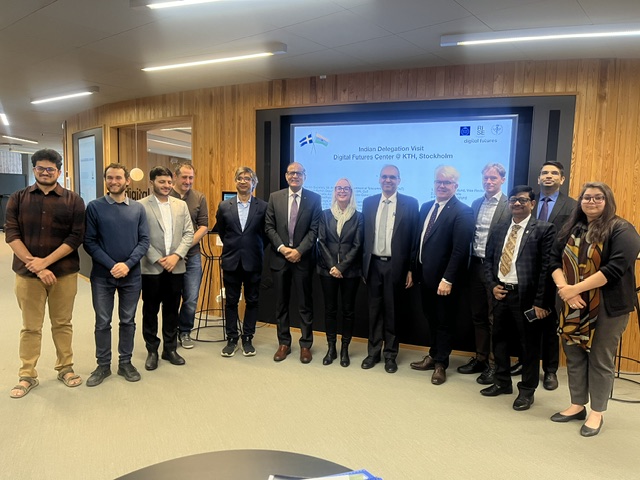
Building on the collaboration between Digital Futures, Purdue University, Saab AB and Saab Inc, researchers and industry partners gathered at Djurönäset this week for the final presentations and demonstrations of two projects: Autonomous Launch and Recovery System (ALARS) and AUV Data Processing, Communication and Swarm Optimisation in Contested and Denied Undersea Environments (ADAPCOS).
Both projects, launched in 2024, are now reaching completion. ALARS focuses on aerial–subsea vehicle interaction, while ADAPCOS addresses data processing, communication, and coordination of autonomous underwater systems.
The two-day workshop opened on 19 May with presentations summarising the projects’ key results. Researchers from KTH Royal Institute of Technology and Purdue University highlighted advances in adaptive control, autonomous learning, and intelligent system behaviour.
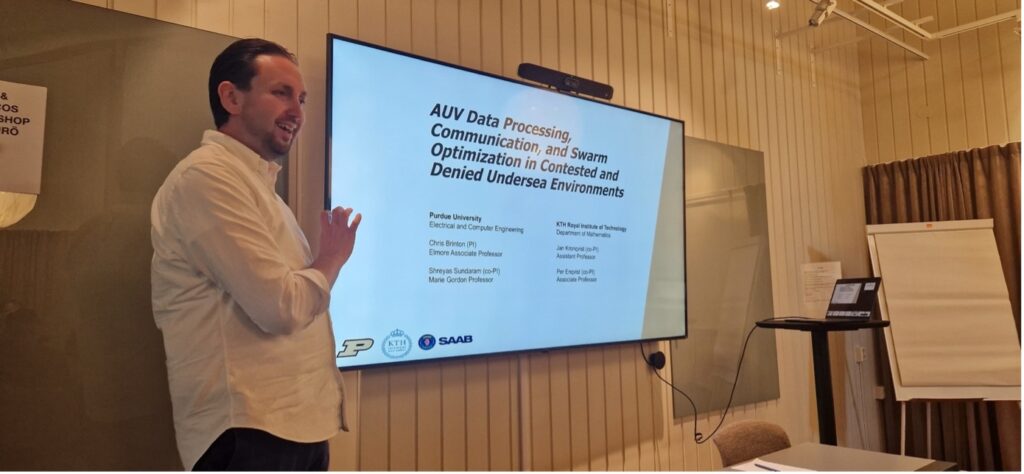
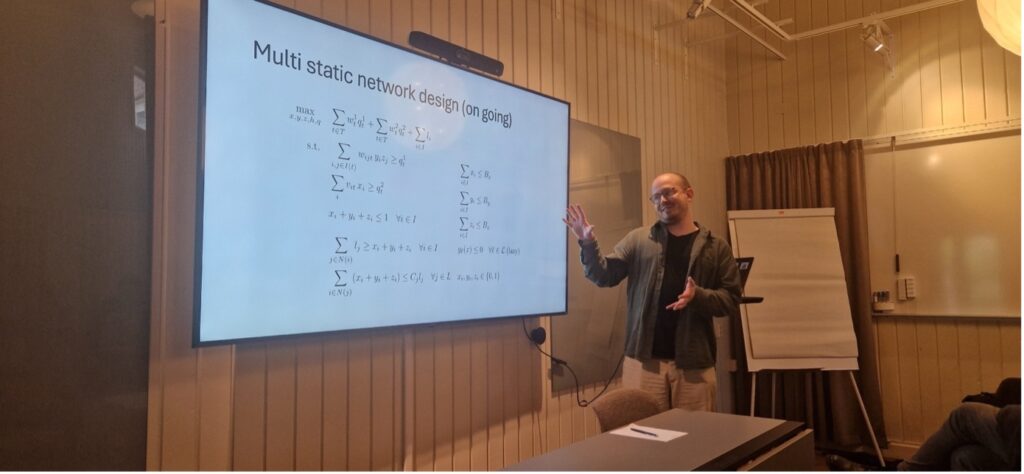
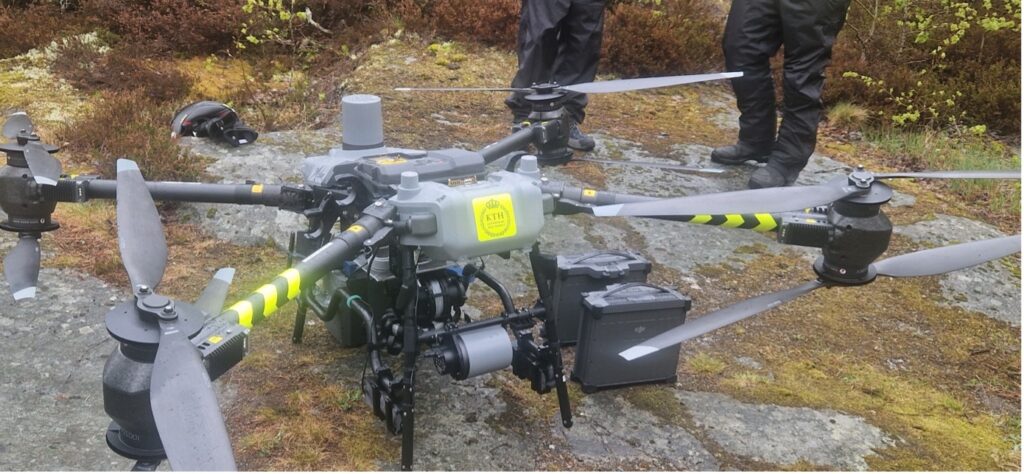
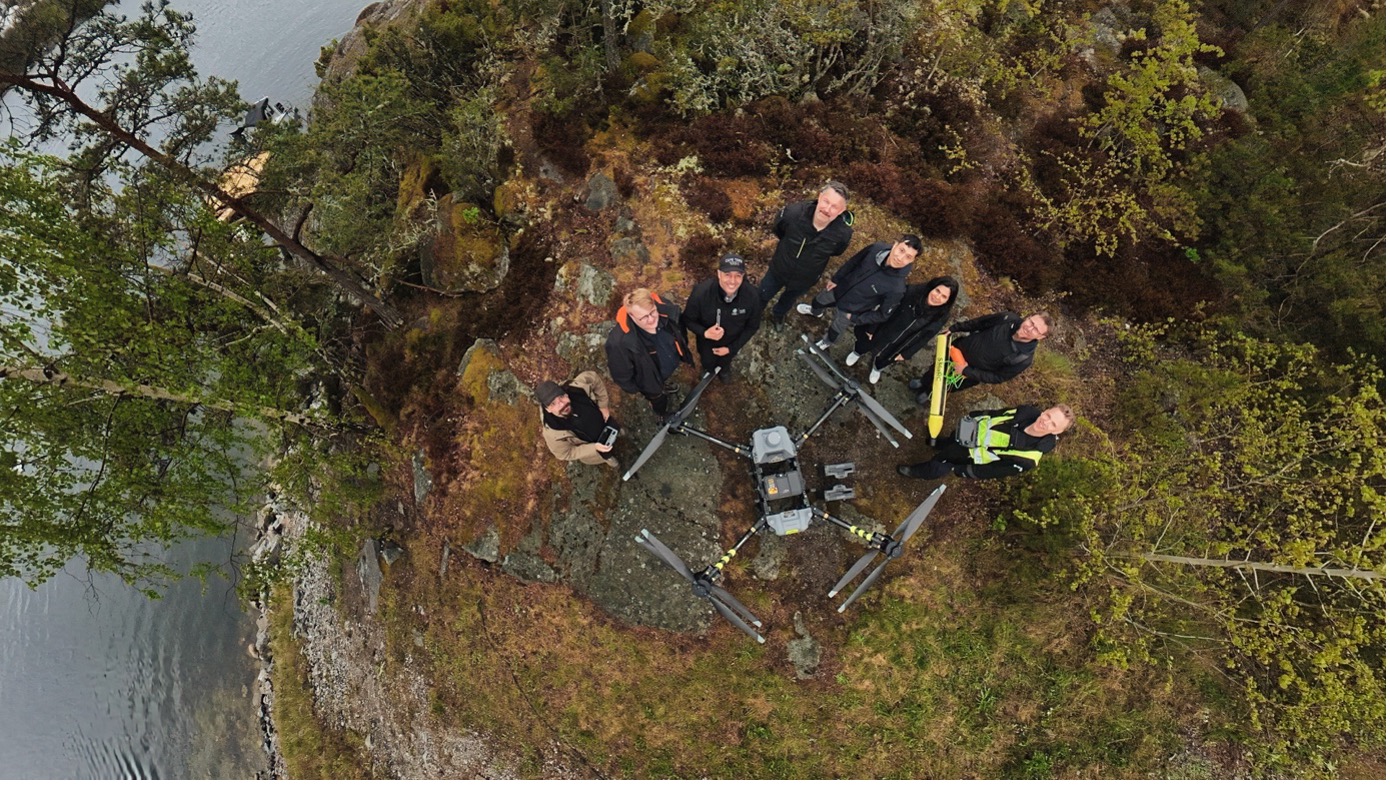
While ADAPCOS centred on underwater communication and swarm optimisation, ALARS focused on the physical deployment and recovery of unmanned undersea vehicles (UUVs) using unmanned aerial vehicles (UAVs). A central highlight of the workshop was a live demonstration at the Djurö Marine Station, organised by Ivan Stenius, principal investigator of the ALARS project, showcasing the system in a real-world operational setting.
The ALARS system is designed to address one of the key challenges in maritime robotics: the handling of small UUVs using UAVs. Potential applications include the recovery of disabled or depleted underwater vehicles, as well as persistent undersea surveillance and inspection operations.
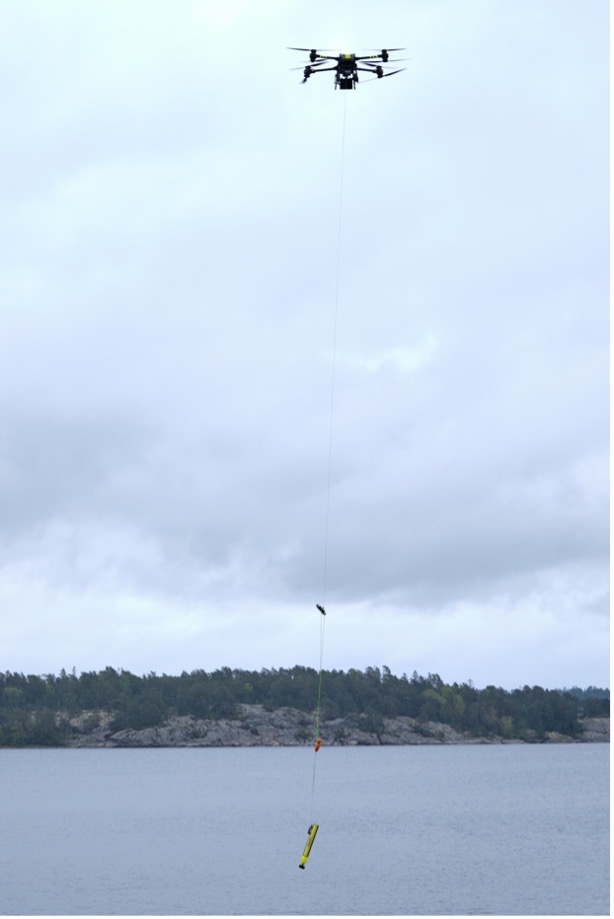
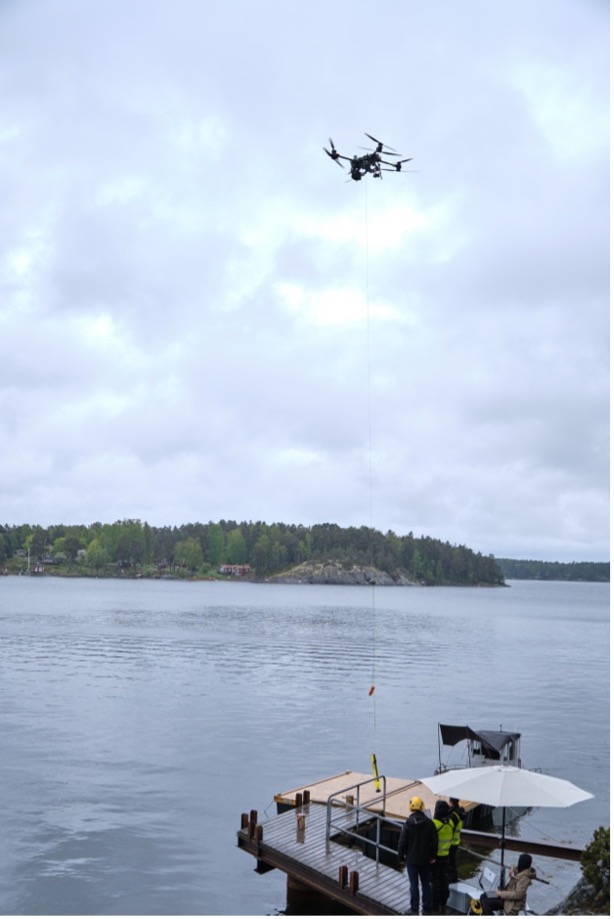
The demonstration illustrated the project’s rapid progress from concept and simulation to a functional prototype. It also underscored the value of cross-disciplinary collaboration, bringing together expertise in perception, localisation, planning, and maritime and aerospace mechanical engineering.
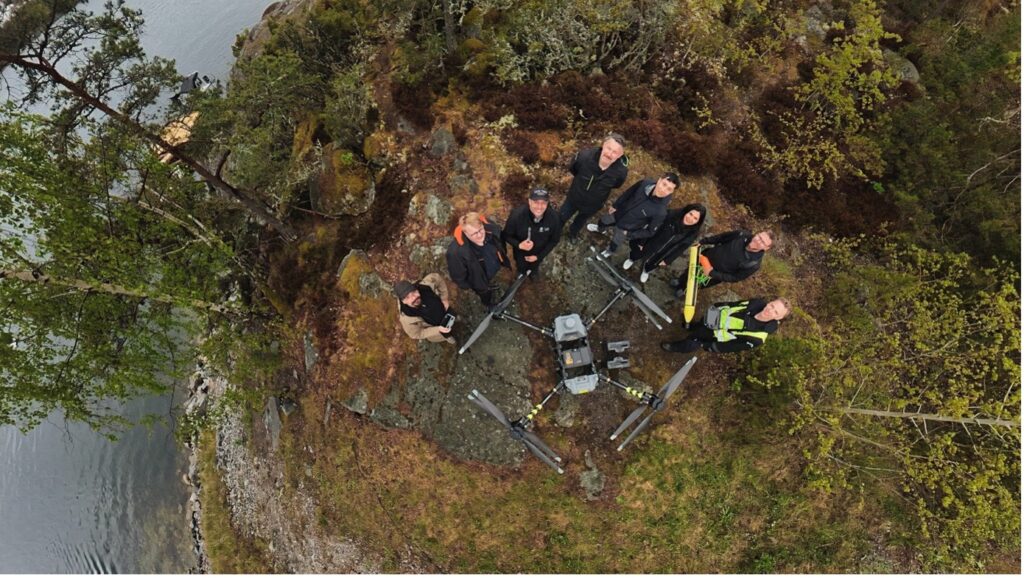
The demo involved teams from KTH Royal Institute of Technology, Lund School of Aviation and Purdue University, with support from Saab AB, Saab Inc and Digital Futures.
The second day of the event focused on future collaboration and next steps for the respective project teams. The ALARS consortium also discussed the continuation of its work through the newly granted project Integrated Aerial–Surface–Subsurface Autonomy for Extreme Environments (I-SEE).