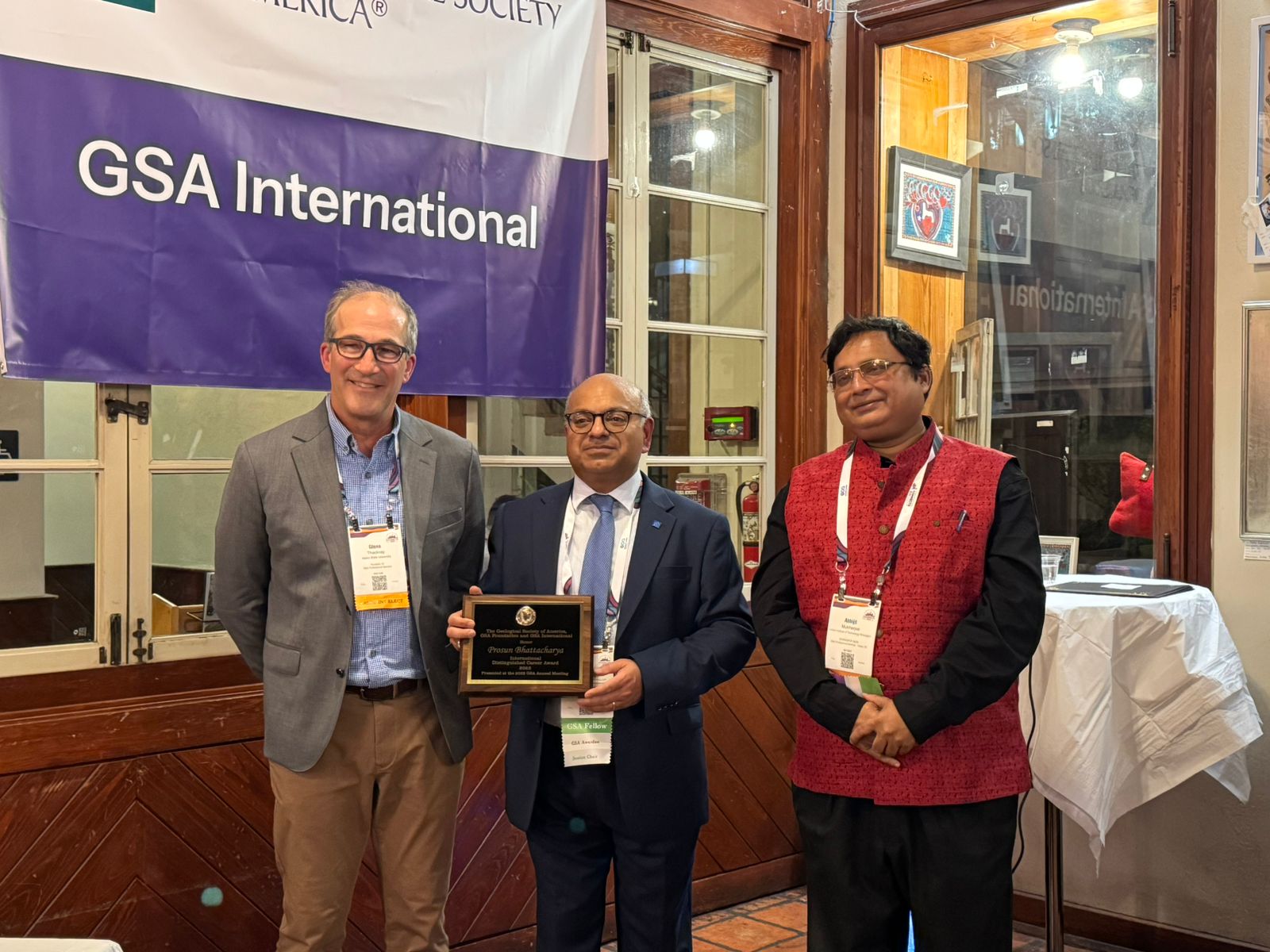
Digital Futures is proud to share that Professor Prosun Bhattacharya, one of our faculty members, is receiving the Geological Society of America (GSA) International Distinguished Career Award at the GSA Connects 2025 meeting on 19 October, in San Antonio, Texas.
The award celebrates GSA members who have made outstanding and lasting contributions that have advanced the international geological sciences through both research and service. Prosun will be recognized during the Awards Reception and will receive a commemorative plaque from the Geological Society of America.
Alongside the award ceremony, Prosun is also leading several sessions at GSA Connects, including the 20th Anniversary Session on Arsenic in the Environment (2005–2025) titled:
“T92 – Advancing the Understanding and Management of Groundwater Pollution with Arsenic and Other Geogenic Contaminants Using Geospatial Tools, Machine Learning, and Data Science (Parts I, II & Posters).”
KTH President Anders Söderholm highlights the broader significance of the award:
“This honour reflects his decades of leadership in groundwater science and commitment to translating research into public-health impact across continents. Bhattacharya exemplifies the international collaboration and societal relevance that KTH values.”
“I’m deeply honored to receive this award from the Geological Society of America,” says Prosun. “It reflects not just my own work, but the dedication of many colleagues and students who have contributed to advancing our understanding of groundwater and its vital role in sustaining communities around the world.”
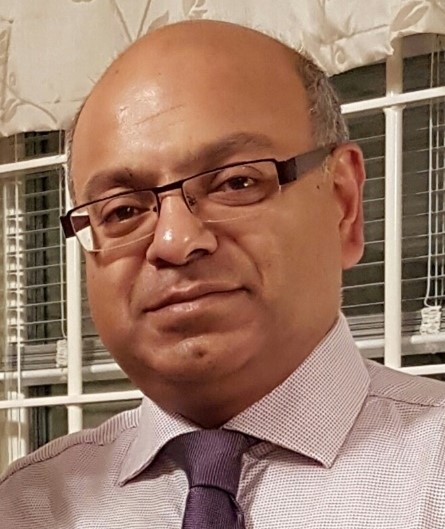
Prosun Bhattacharya is a Professor of Groundwater Chemistry and Coordinator of the KTH-International Groundwater Arsenic Research Group within the Department of Sustainable Development, Environmental Science and Engineering. His pioneering research on groundwater quality, arsenic contamination, and the use of data science in environmental studies has made a major impact around the world.
We’re thrilled to see Prosun’s work recognized on the international stage and congratulate him on this remarkable achievement!