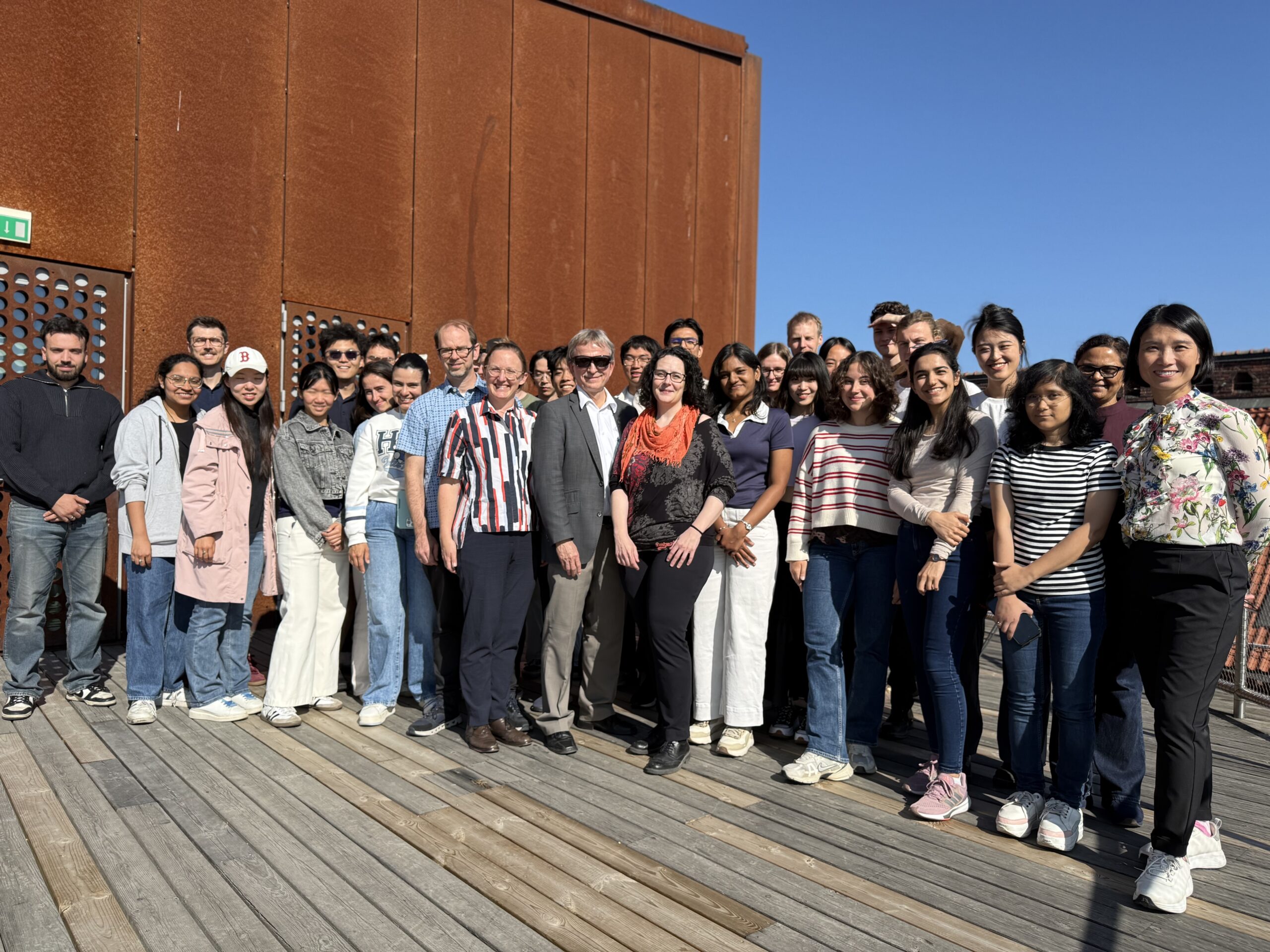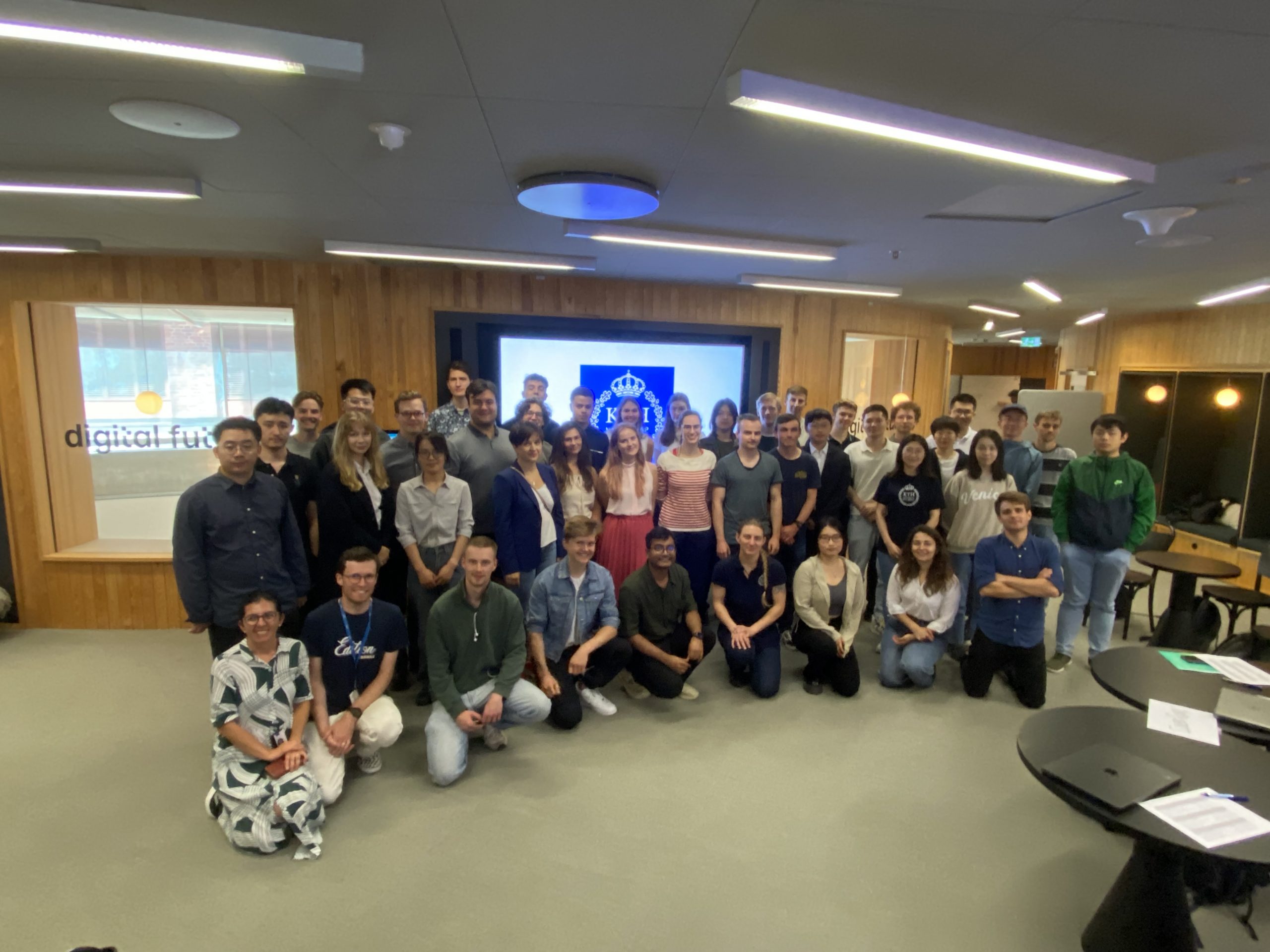
The Digital Futures Summer Research Internship (SRI) Programme, established in 2022, has quickly become a hub for students interested in gaining hands-on research experience in the fields of digital technology and innovation. This programme, a collaborative effort among researchers from KTH Royal Institute of Technology, Stockholm University, and the Research Institutes of Sweden (RISE), offers students at the bachelor’s and master’s levels an opportunity to delve into academic research under expert mentorship.
Structure of the SRI Programme
The 2024 edition of the SRI Programme spanned from June to August, giving participants 8 weeks of research experience. The initiative was spearheaded by KTH’s Associate Professor Olga Viberg, Assistant Professor Matthieu Barreau, and Digital Futures Programme Officer Claudia Enciso, who coordinated the activities.
The programme aimed to bridge the gap between academia and industry by facilitating interactions between students and researchers in the digital sphere. The selection process was rigorous, with researchers from KTH, Stockholm University, and RISE nominating promising candidates. This year, 42 KTH students and eight exchange students from UC Berkeley and Purdue University were selected. KTH students participating in exchanges in the US were also involved, attending the programme’s kick-off and final presentations.
A Summer of Research and Learning
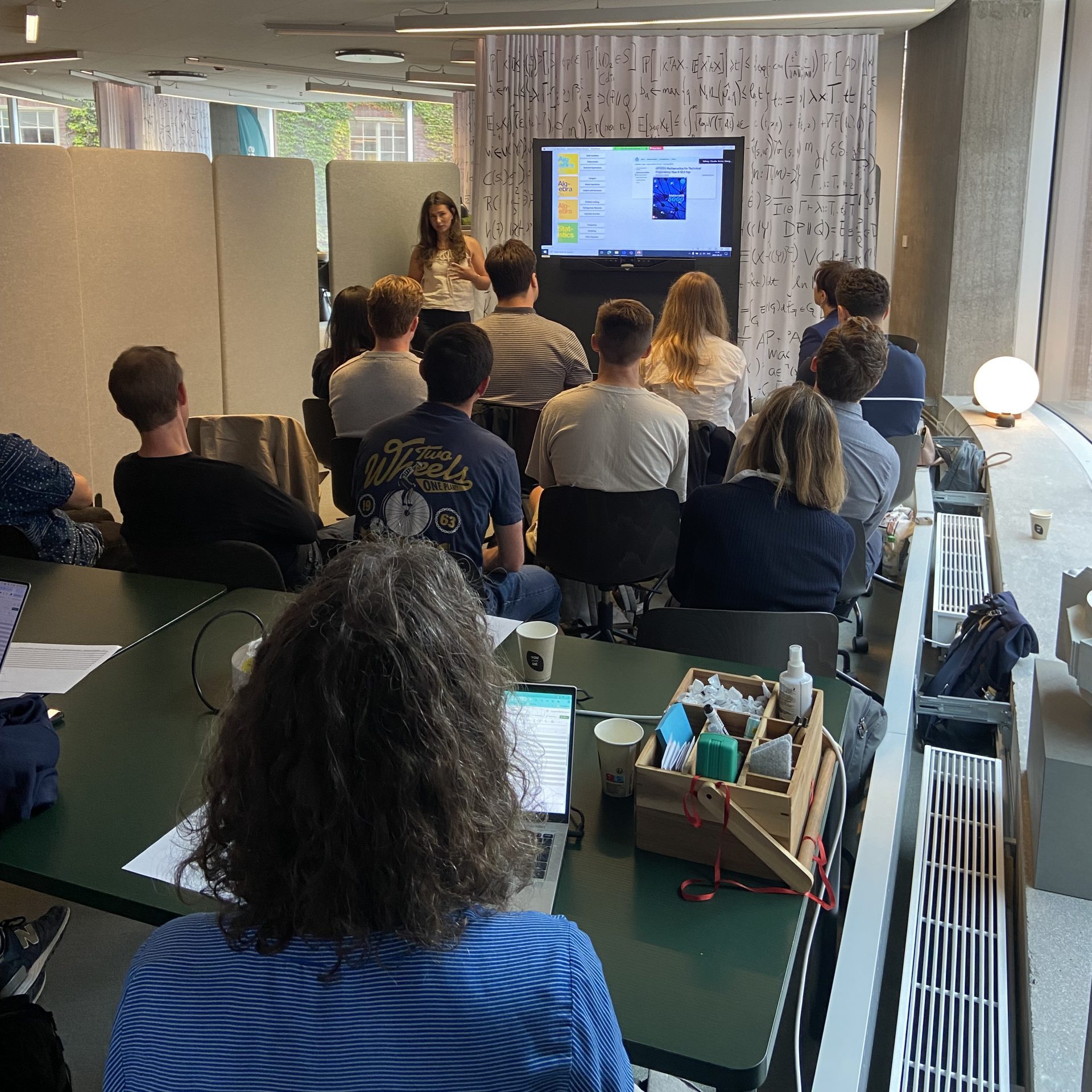
Throughout the summer, interns worked on individual research projects under the supervision of Digital Futures-affiliated faculty members. Each project addressed current technology and digital innovation issues, allowing students to contribute to real-world advancements.
In addition to their core research, students participated in numerous academic and professional development activities. These included:
- Presentations and Poster Sessions: Students had the opportunity to present their research at two key points during the programme—midway through a poster session and during the final presentation session on August 27. These events allowed interns to share their work with peers, mentors, and a panel of jurors, offering an opportunity to refine their presentation skills and receive feedback.
- Industry Insights and Academic Advice: Participants were exposed to the contrasting worlds of academia and industry through panel discussions with PhD students, postdoctoral researchers, and industry professionals. These sessions focused on navigating life in academia, the nuances of industry careers, and practical advice on applying to PhD programmes both in Europe and abroad.
- Study Visits to Industry Partners: The programme featured study visits to two industry giants—Ericsson, a global leader in mobile connectivity, and Xylem, a leading water technology provider. These excursions highlighted the practical applications of digital technologies in industry and allowed students to observe how their research could translate into impactful innovations.
- Social Activities: Beyond the academic setting, the programme encouraged students to engage in social activities, fostering networking and collaboration in a relaxed environment.
Recognition of Excellence: The Best Presentations
On August 27, the final presentations were held, marking the culmination of the SRI programme. Students were divided into groups, and a jury of three to four members evaluated the projects, selecting the top presentations. The winners will be able to showcase their research at the prestigious Young Scientist Conference in 2025.
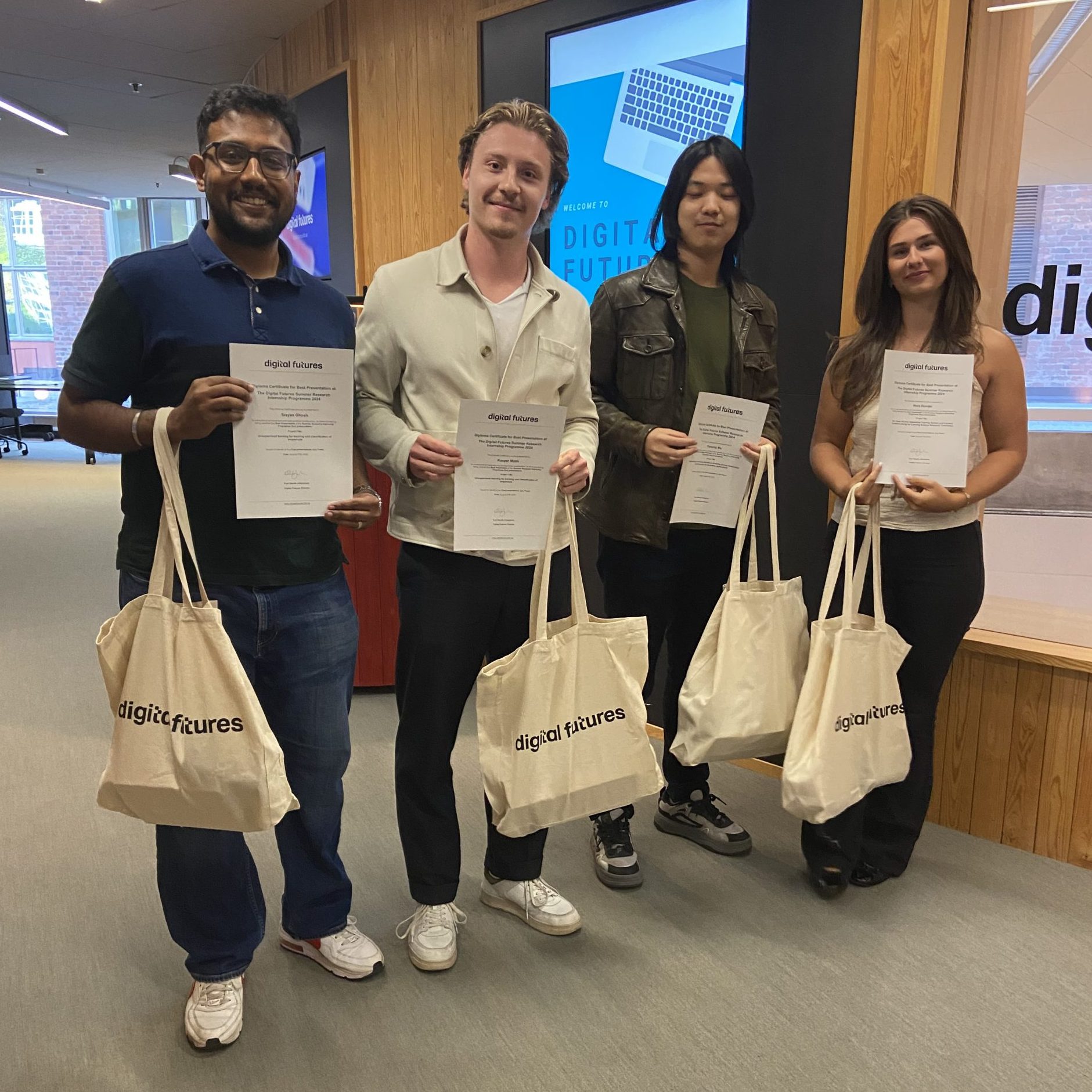
The winning projects were:
- Nora Dunder – An Open-source Adaptive Tutoring System and Curated Content Library for Learning Sciences Research Translation
- Supervisor: Zach Pardos, UC Berkeley
- Tianxing Wu – Deterministic Serverless Workflows: Enabling Simpler Reasoning and Execution for Serverless Applications
- Supervisor: Philipp Haller, KTH
- Kasper Malm & Sreyan Ghosh – Unsupervised Learning for Tracking and Classification of Sequences
- Supervisor: Saikat Chatterjee, KTH
These projects reflected the broad spectrum of cutting-edge topics explored by SRI participants, ranging from educational technology advancements to serverless computing and machine learning innovations.
Bridging the Gap Between Academia and Industry
One of the unique strengths of the SRI programme is its ability to bridge the gap between academic research and industrial application. By providing students with access to both university-based research environments and industry leaders like Ericsson and Xylem, the programme fosters a comprehensive understanding of the digital landscape. This dual exposure equips interns with the skills and knowledge to pursue advanced studies or enter the workforce as highly trained professionals.
As the Digital Futures Summer Research Internship Programme grows, it remains committed to nurturing the next generation of digital innovators. With its blend of academic rigour, industry engagement, and global collaboration, the programme is an invaluable resource for students looking to make their mark in the world of digital technology.