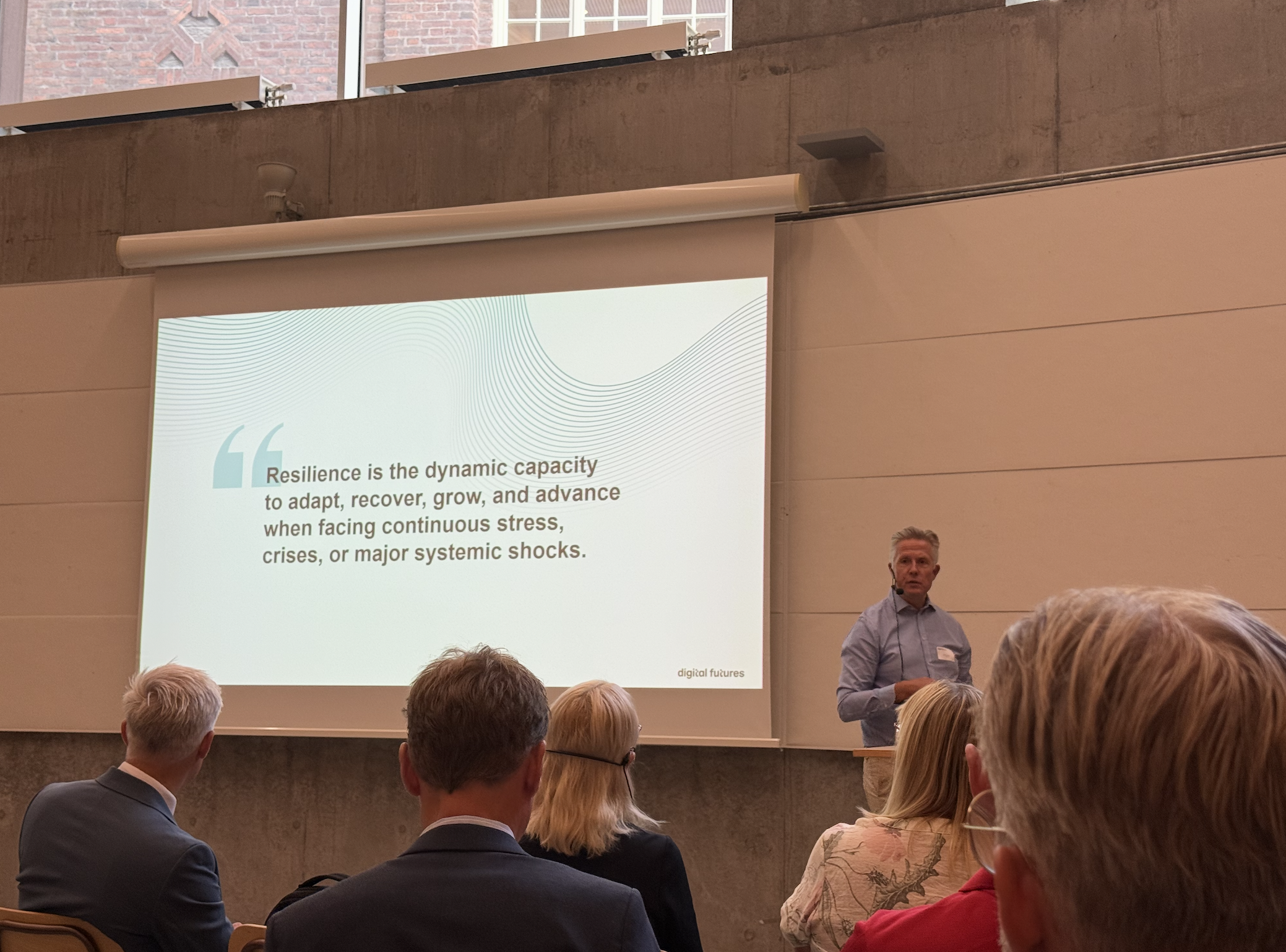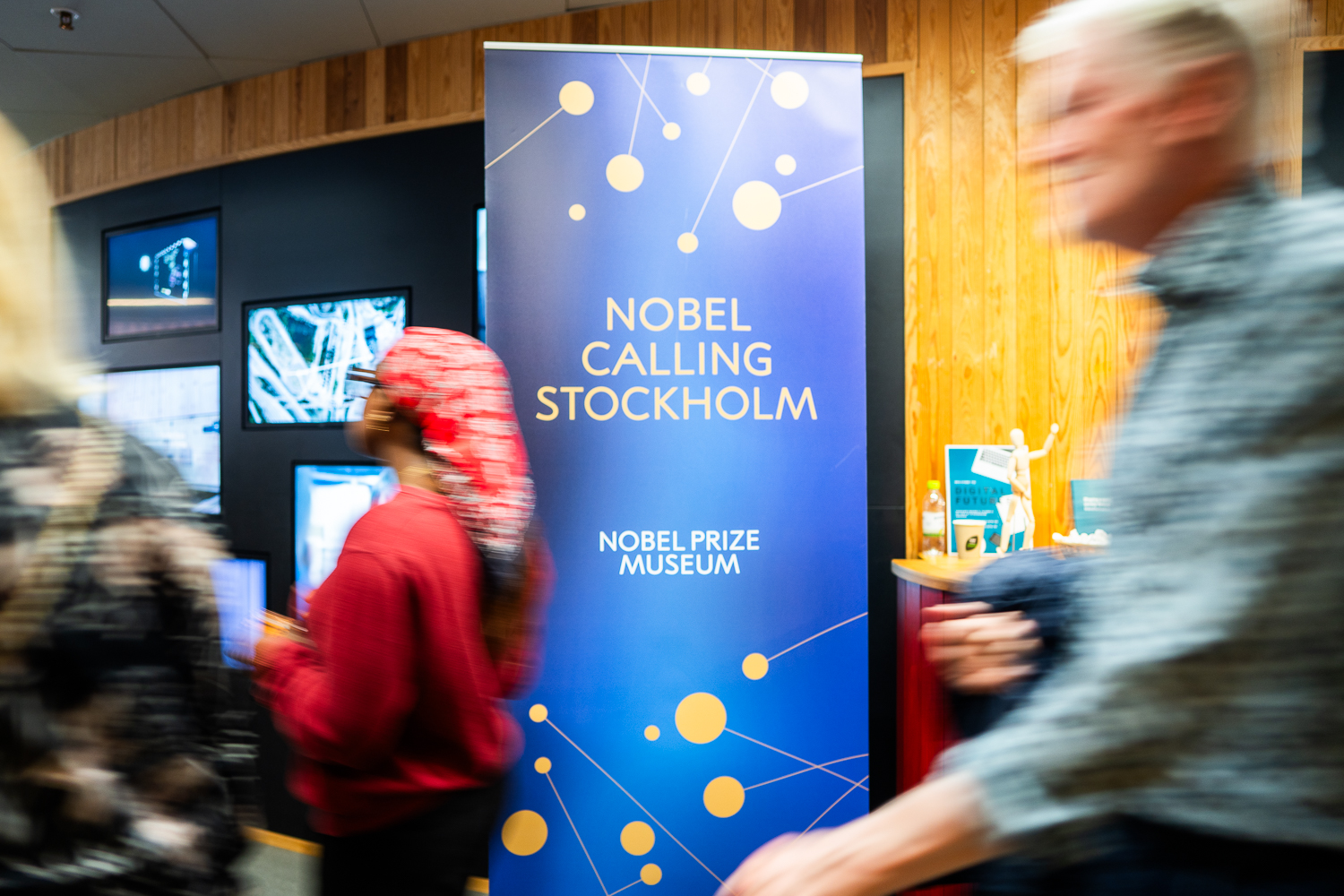
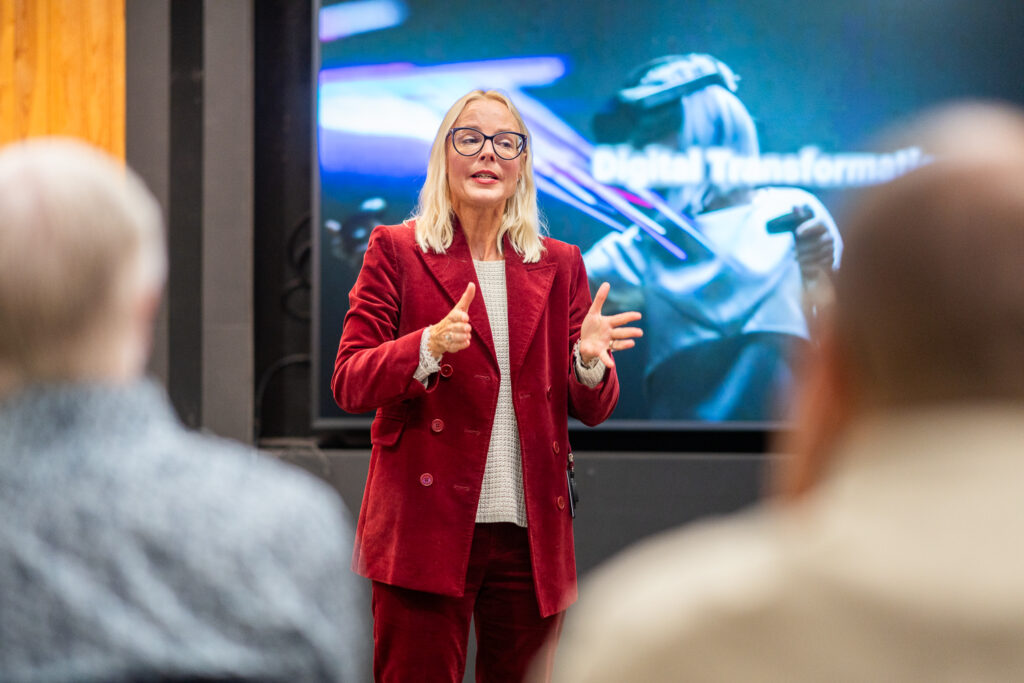
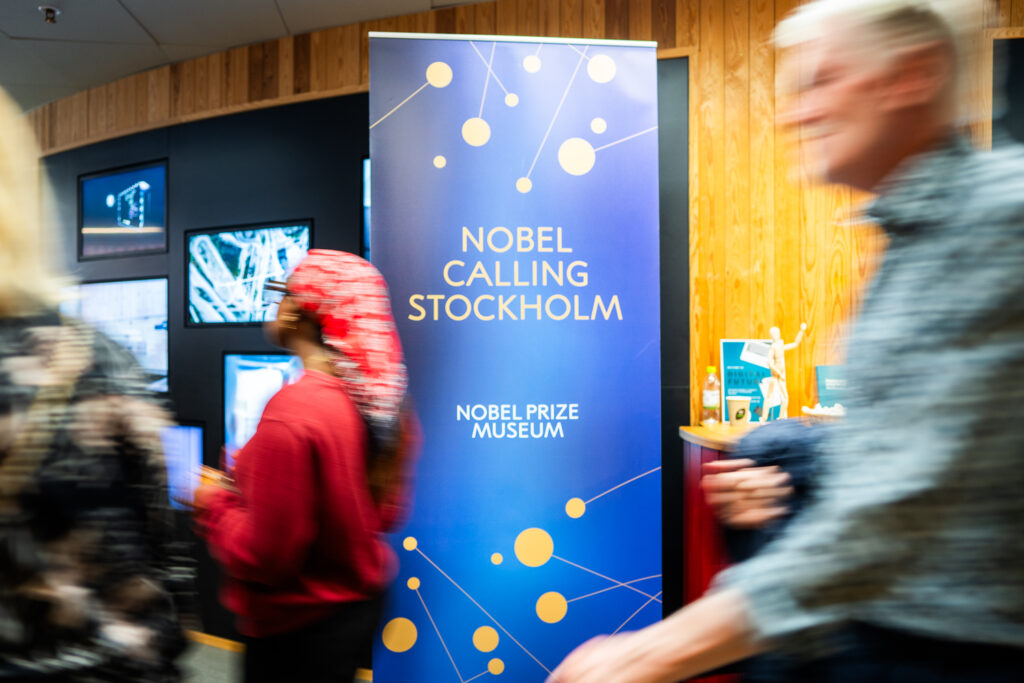
On 8 October 2025, the Digital Futures hub opened its doors for Nobel Calling Stockholm, welcoming curious minds to explore how cutting-edge research is shaping tomorrow’s digital society. Throughout the day, the vibrant space at Osquars Backe 5 buzzed with energy — from morning visits by two school classes to an afternoon session for the general public that gathered more than 60 participants.
The event, titled “Nobel Calling: Discover how the digital society of the future is being shaped at Digital Futures” offered a unique glimpse into seven groundbreaking research projects. Together, they showcased how technology, creativity, and collaboration can help address major challenges in health, sustainability, and urban life.
Visitors were invited to take the spiral concrete staircase up to the award-winning Architecture School building — its rust-red corten façade and warm wooden interiors setting the stage for a day of inspiration. After coffee and cake, guests joined an interactive Show & Tell expo where researchers demonstrated their latest innovations.
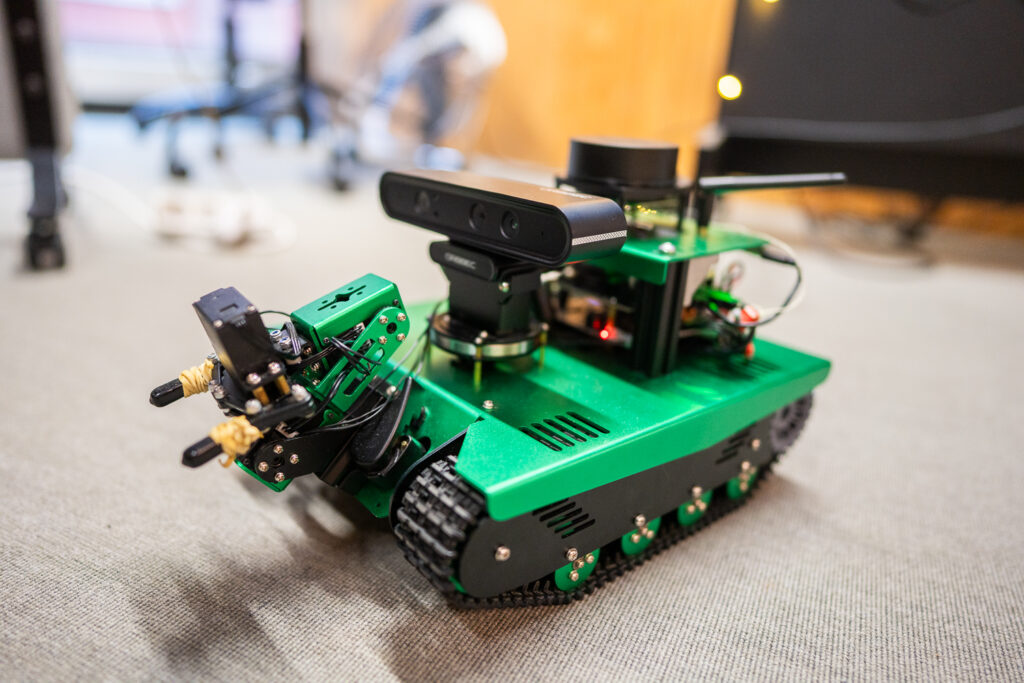
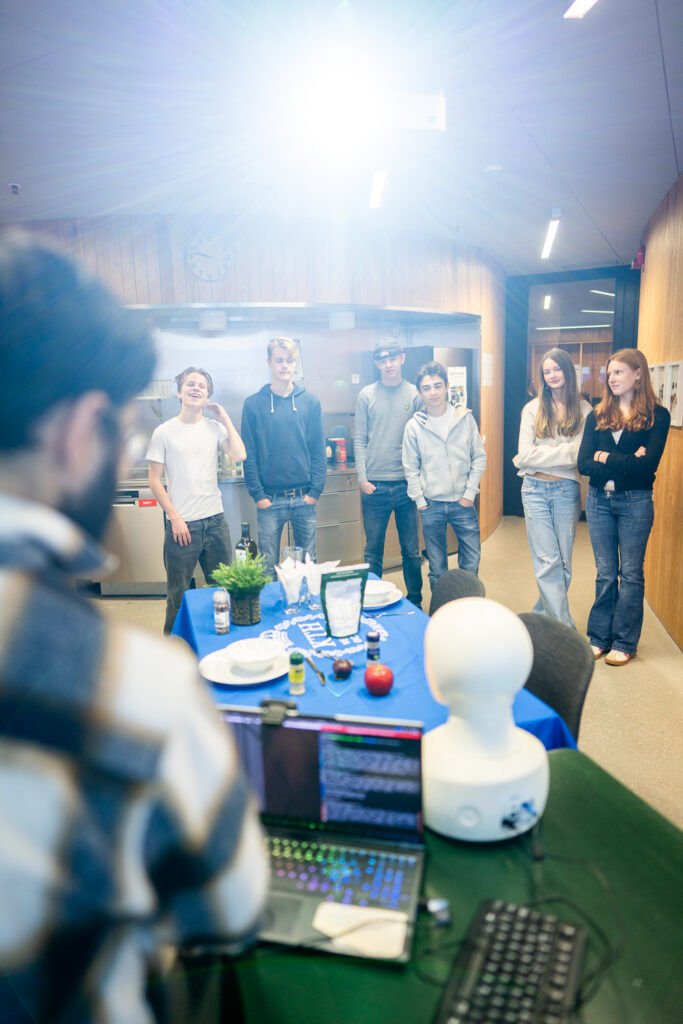
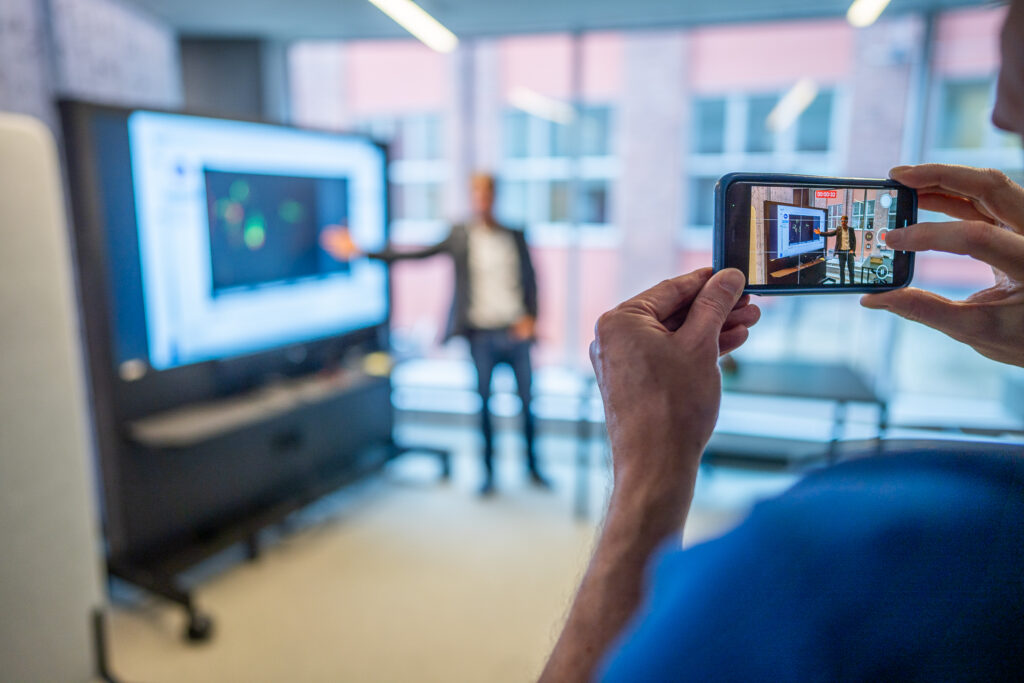
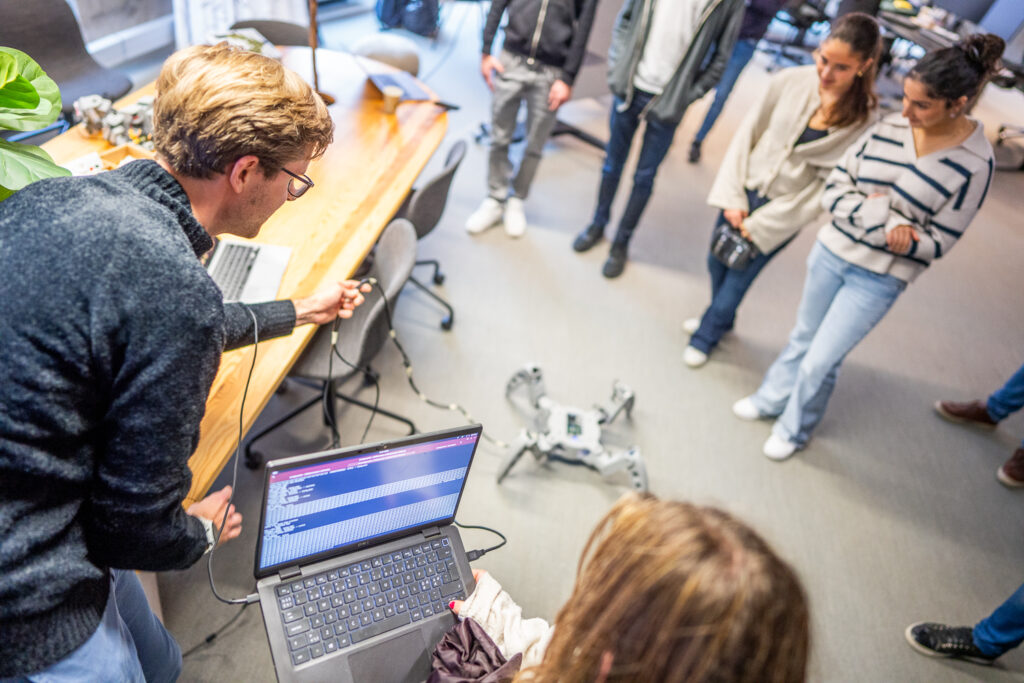
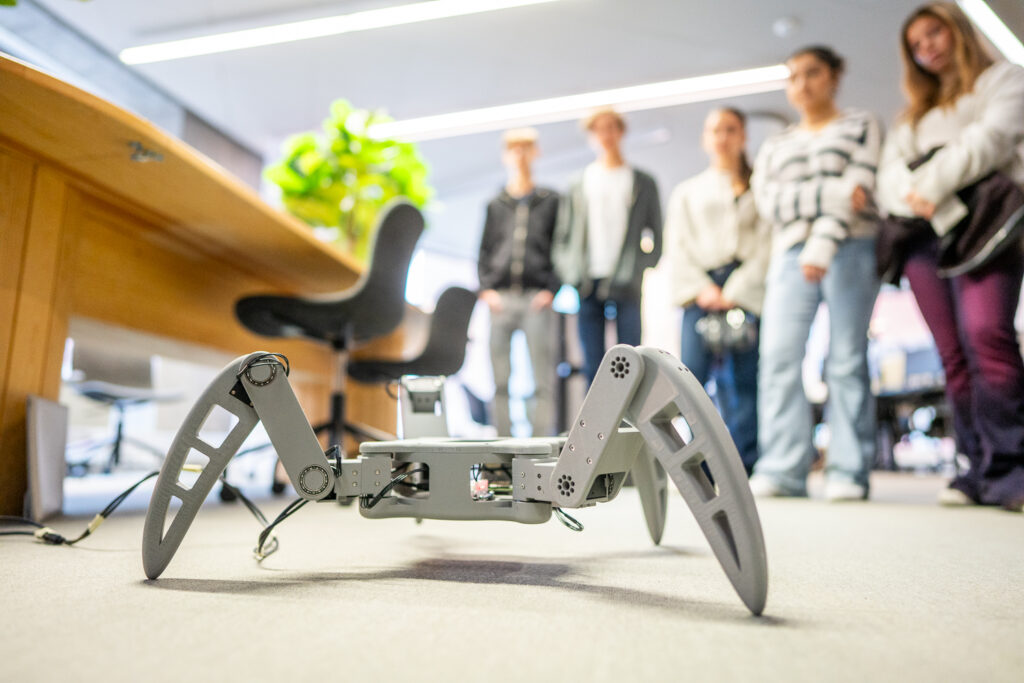
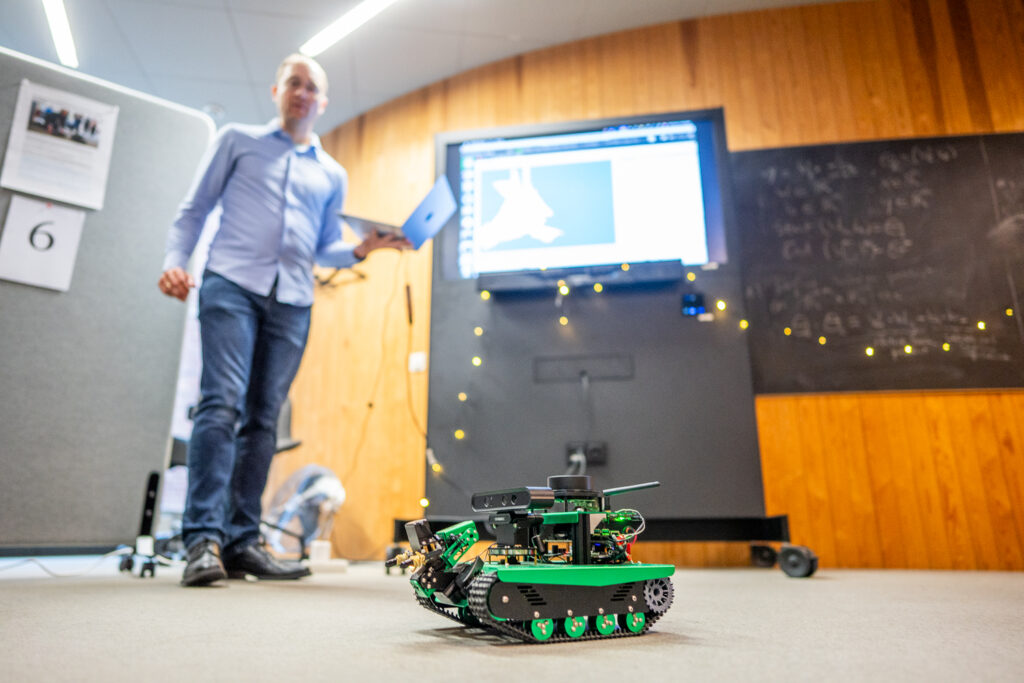
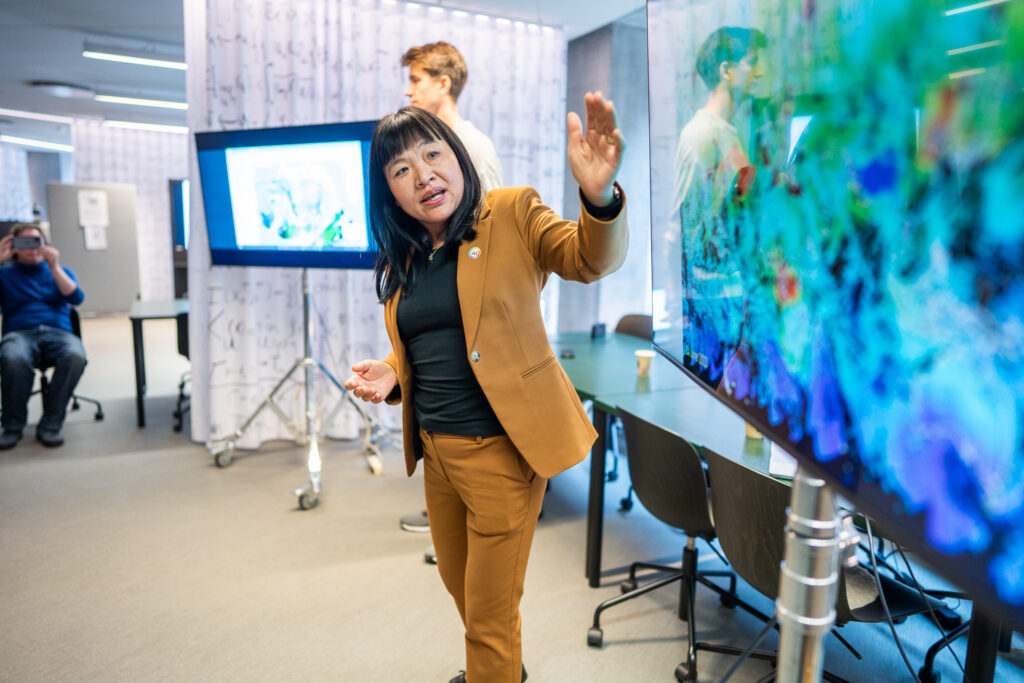
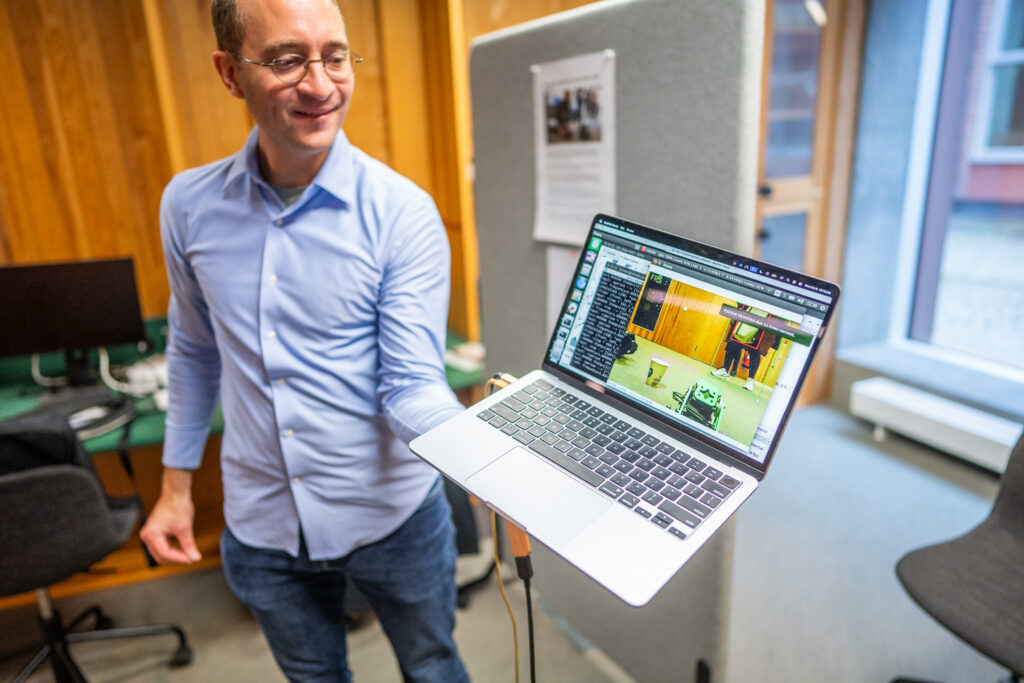
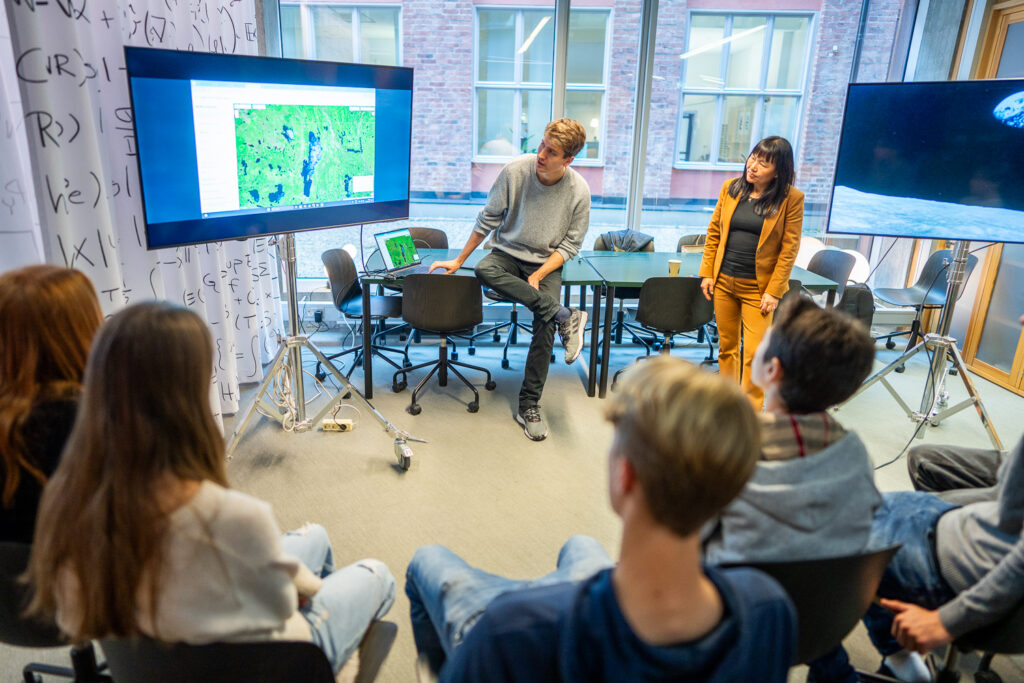
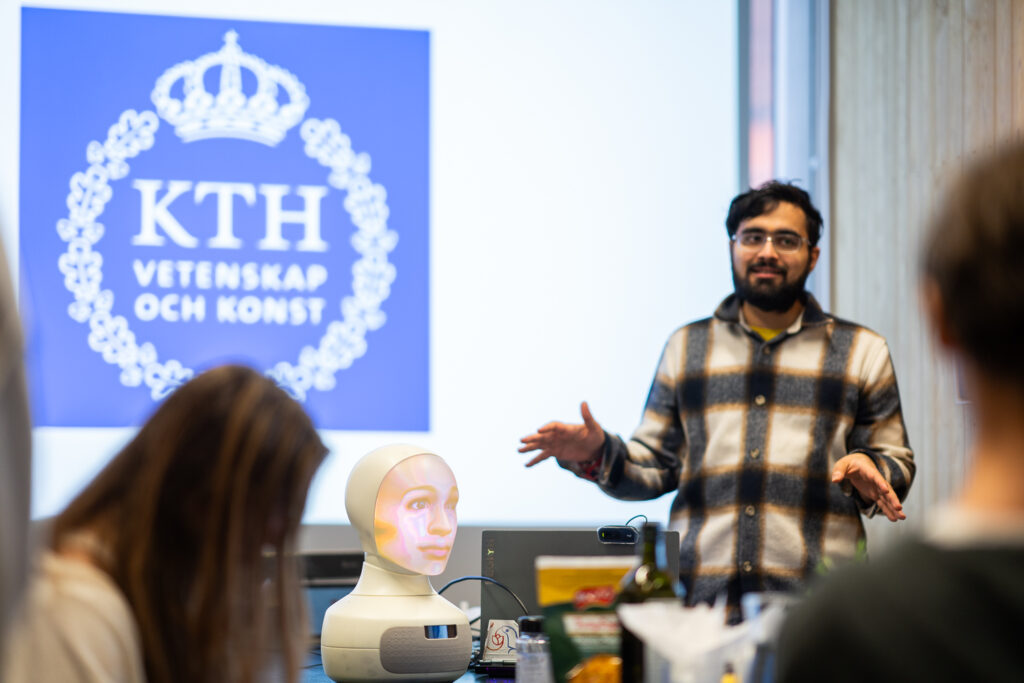
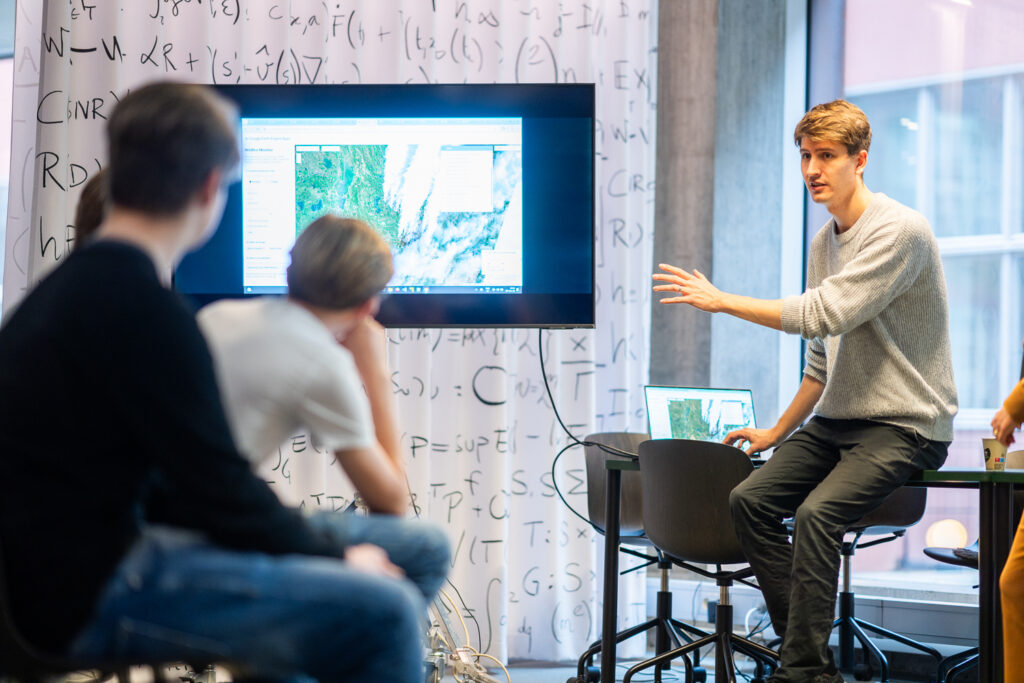
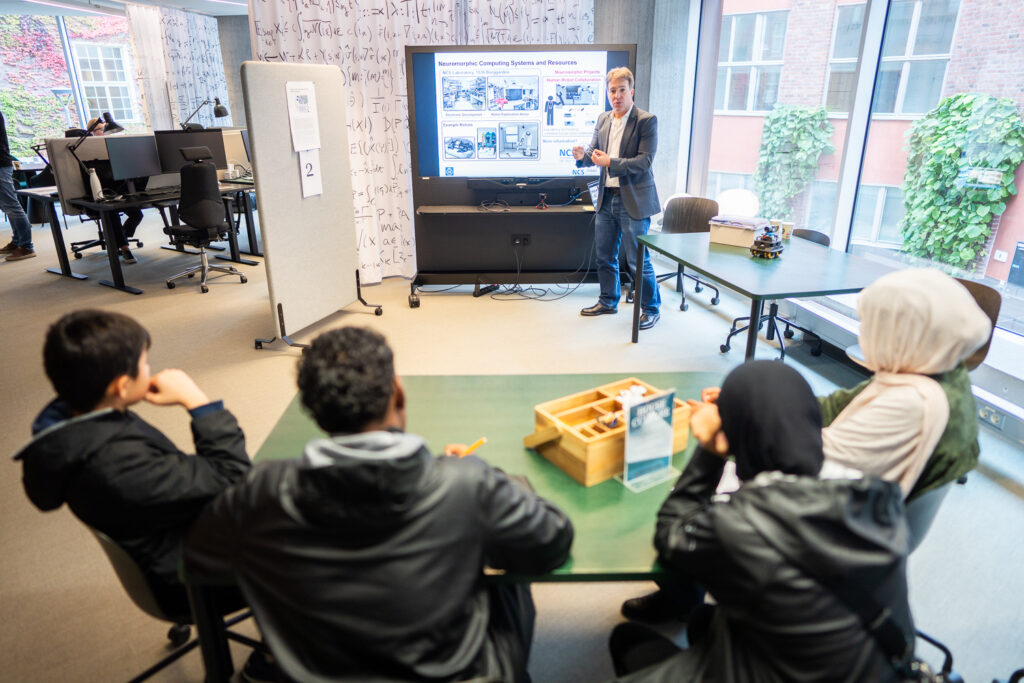
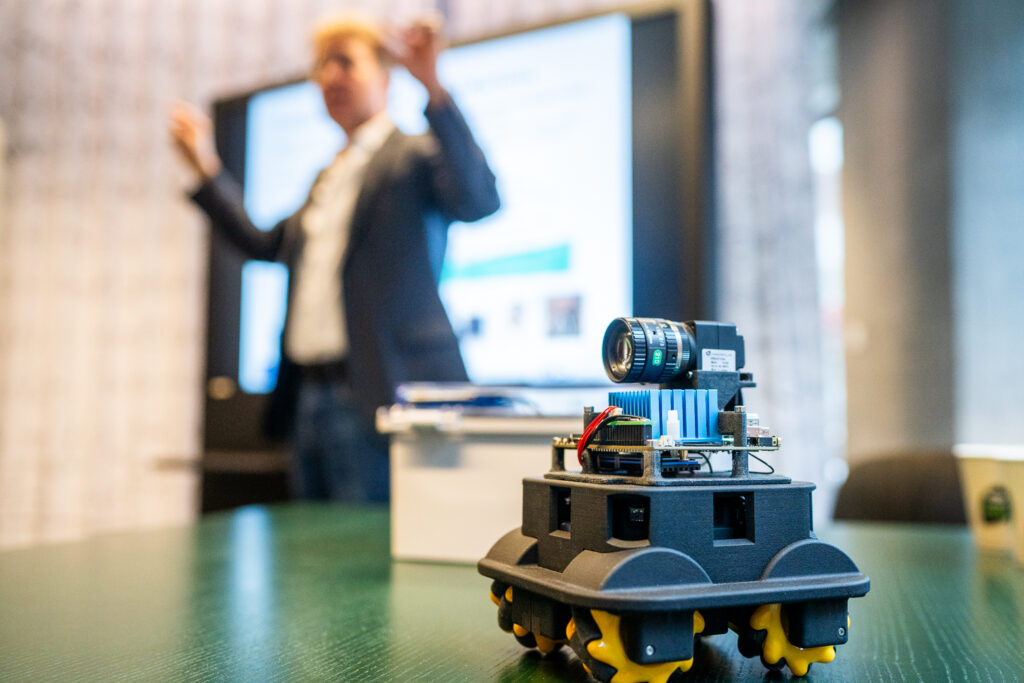
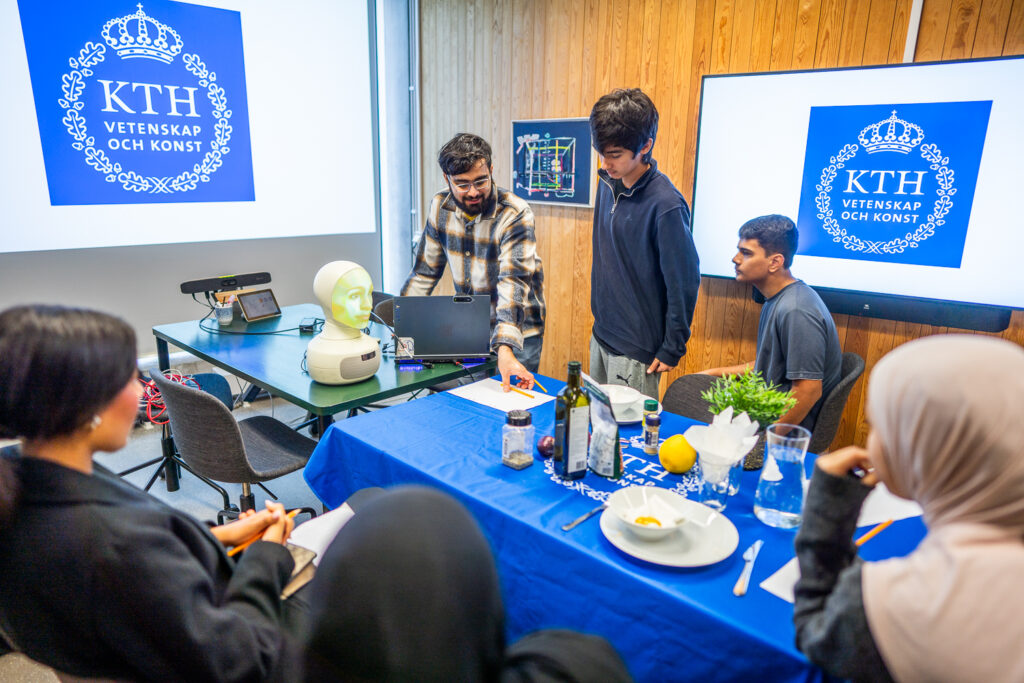
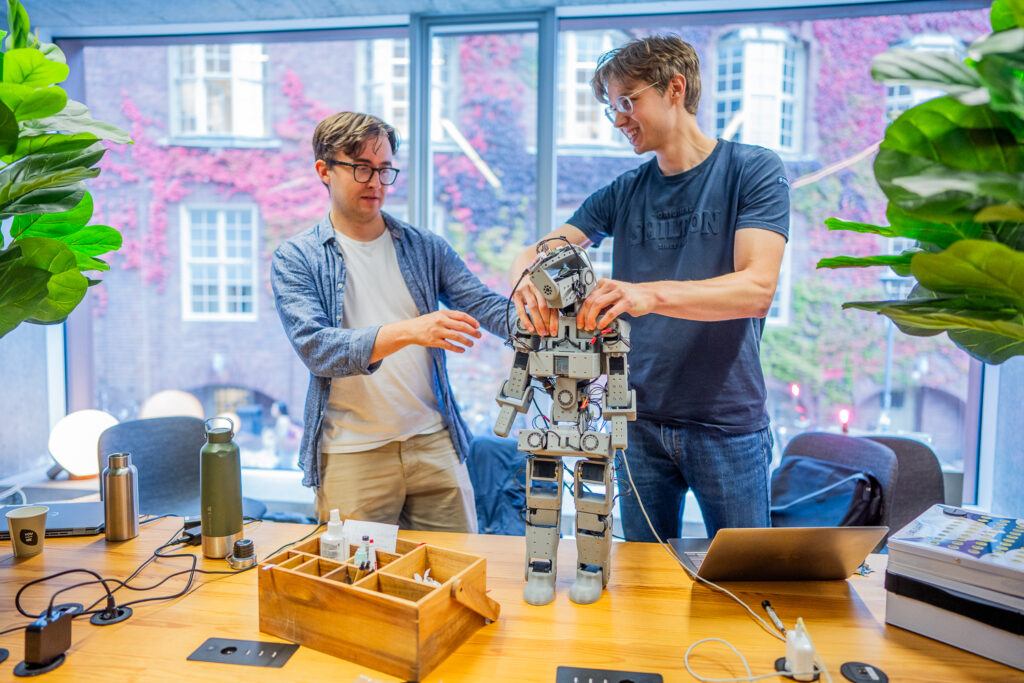
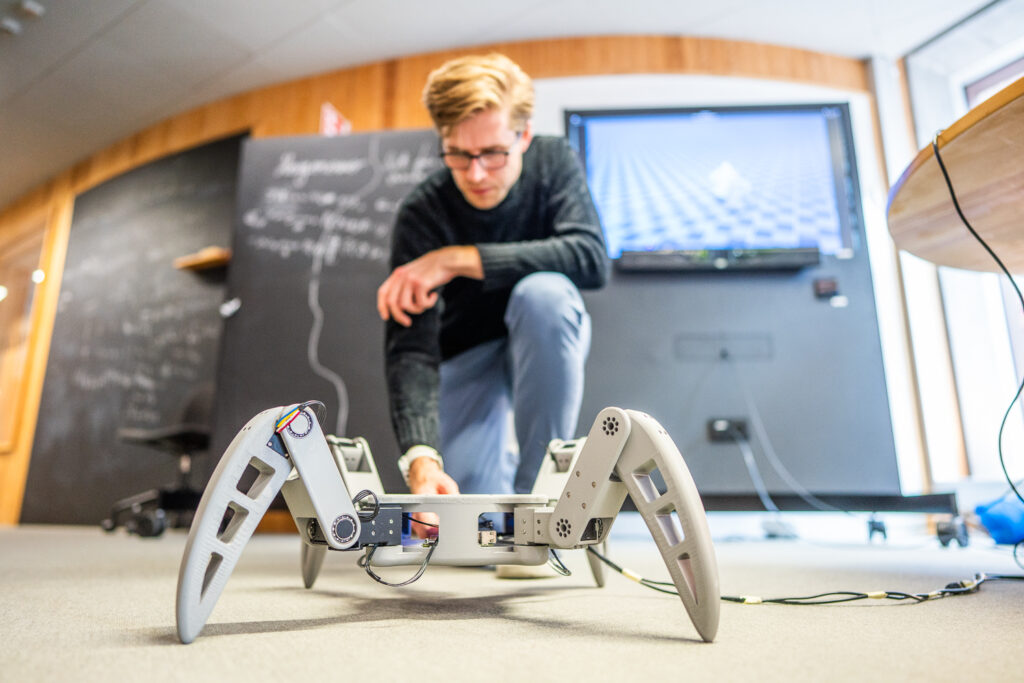
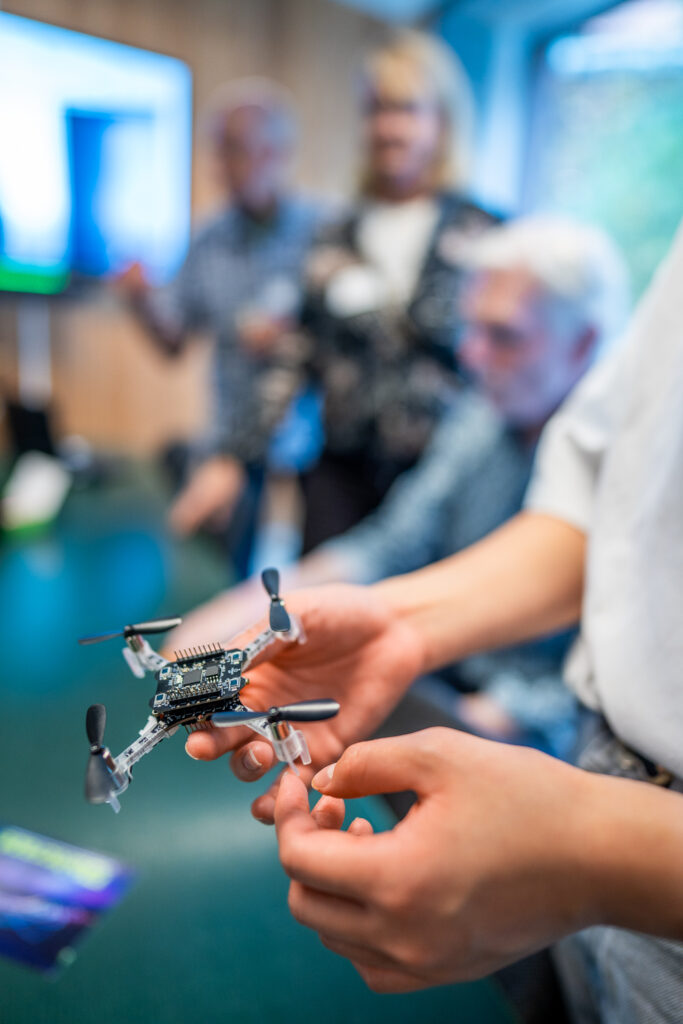
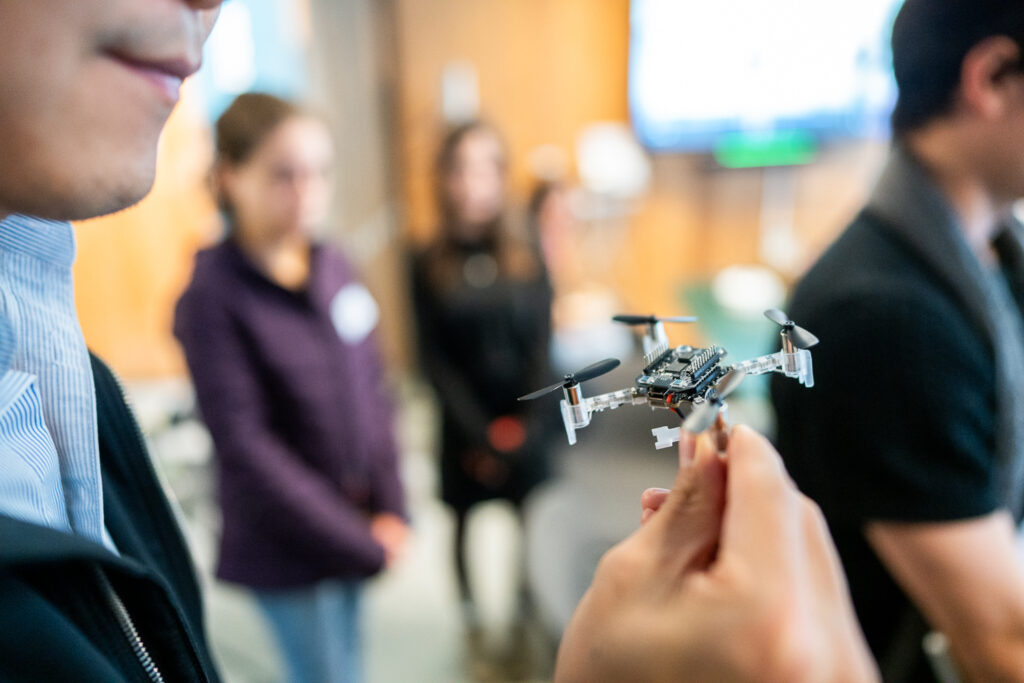
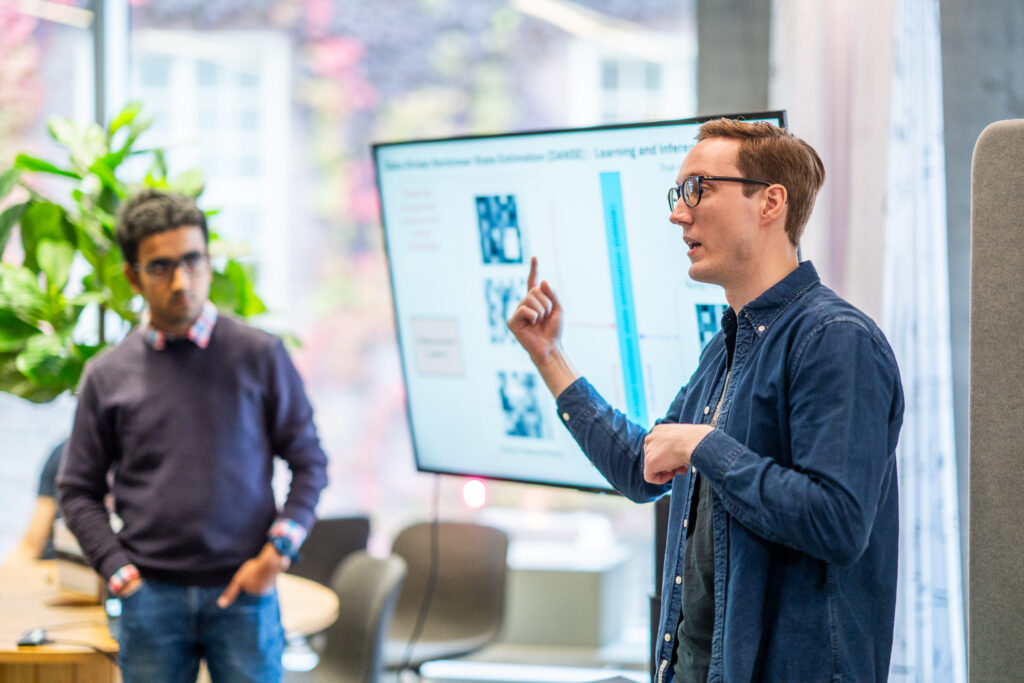
Among the highlights was Adaptive Intelligent Homes, presented by Parag Khanna, exploring how AI and robotics can make our homes more supportive and inclusive — especially for older adults and people with diverse needs. Visitors could also meet interactive humanoid robots developed through the Data-Limited Learning of Complex Dynamical Systems project, where collaborations with companies like Saab and AstraZeneca are translating AI research into real-world applications.
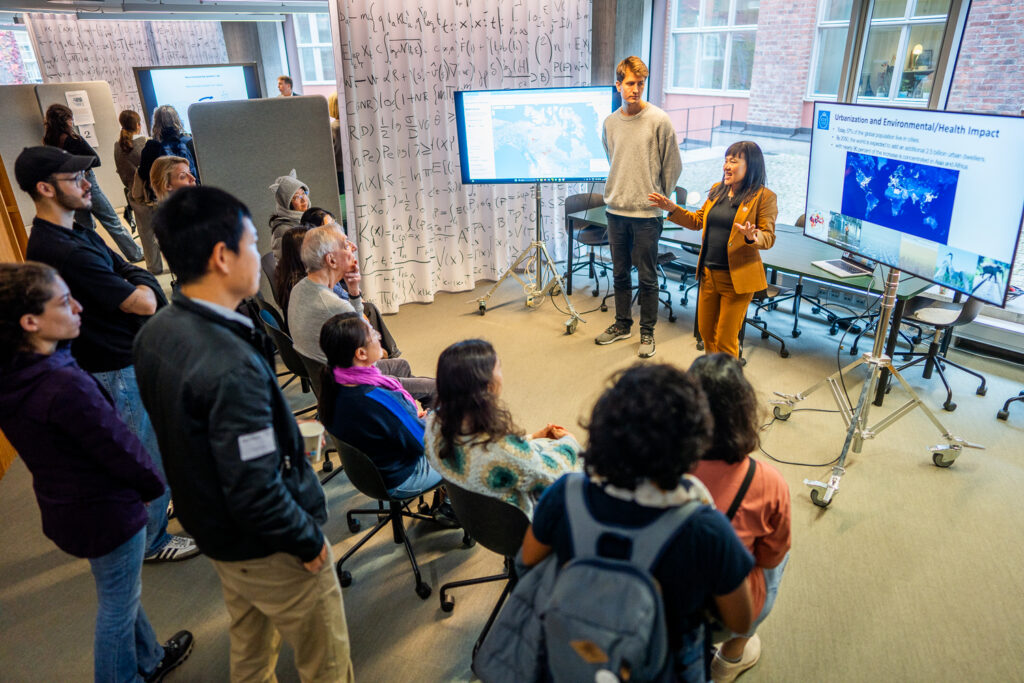
Sustainability was a central theme. The Edge Computing for Urban Traffic Monitoring project, presented by Jörg Conradt, showed how energy-efficient sensors can make cities greener and safer, while EO-AI4GlobalChange, led by Yifang Ban, demonstrated how AI and satellites can track urban growth, wildfires, and floods to protect our planet.
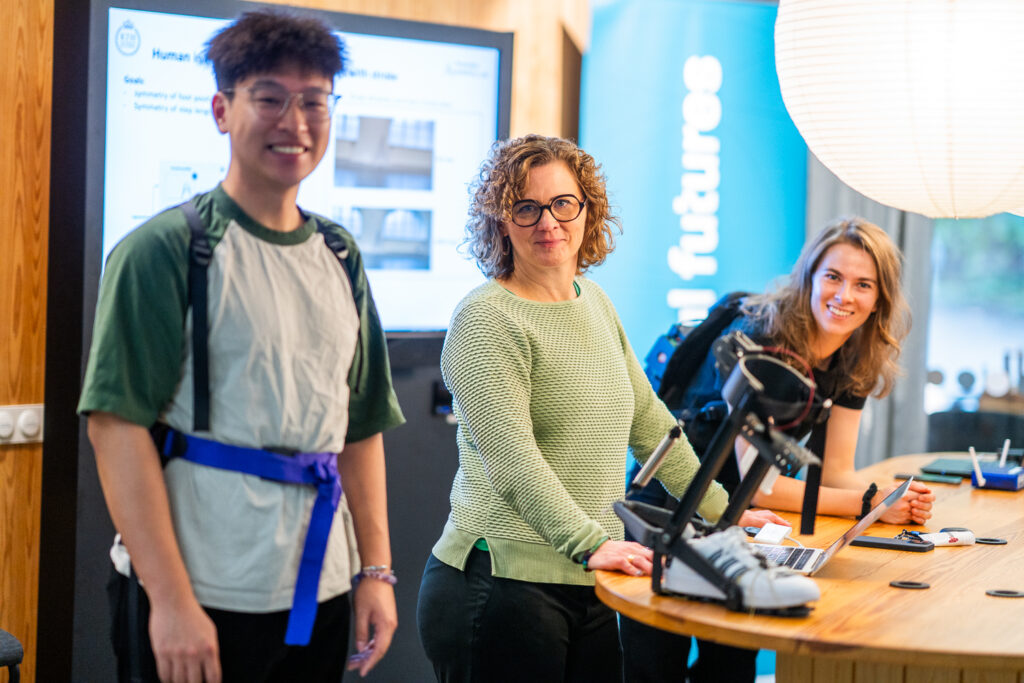
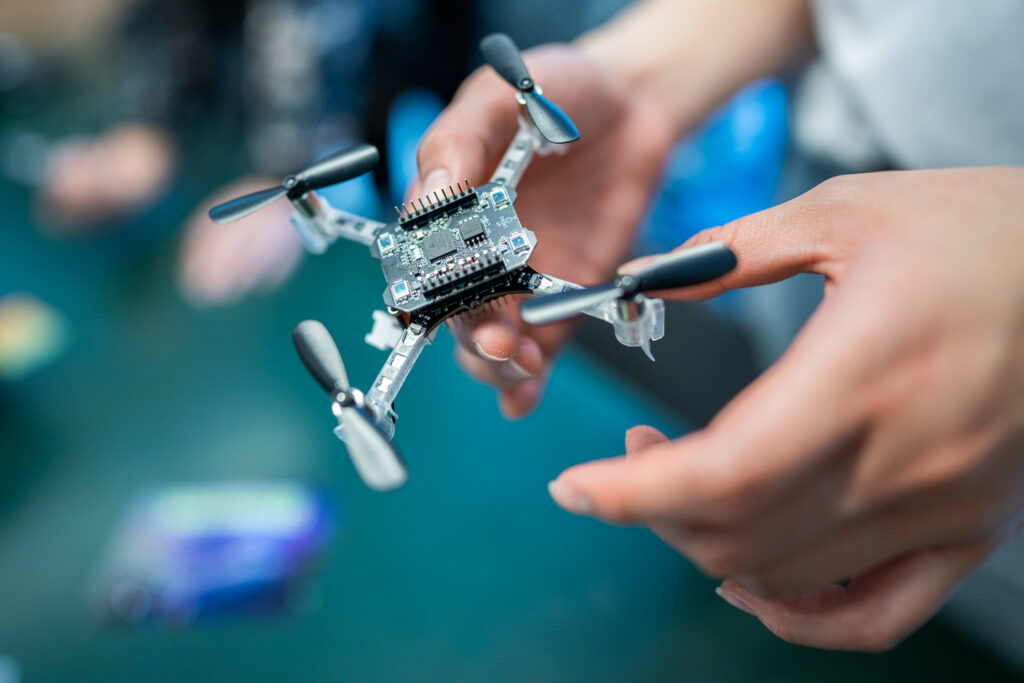
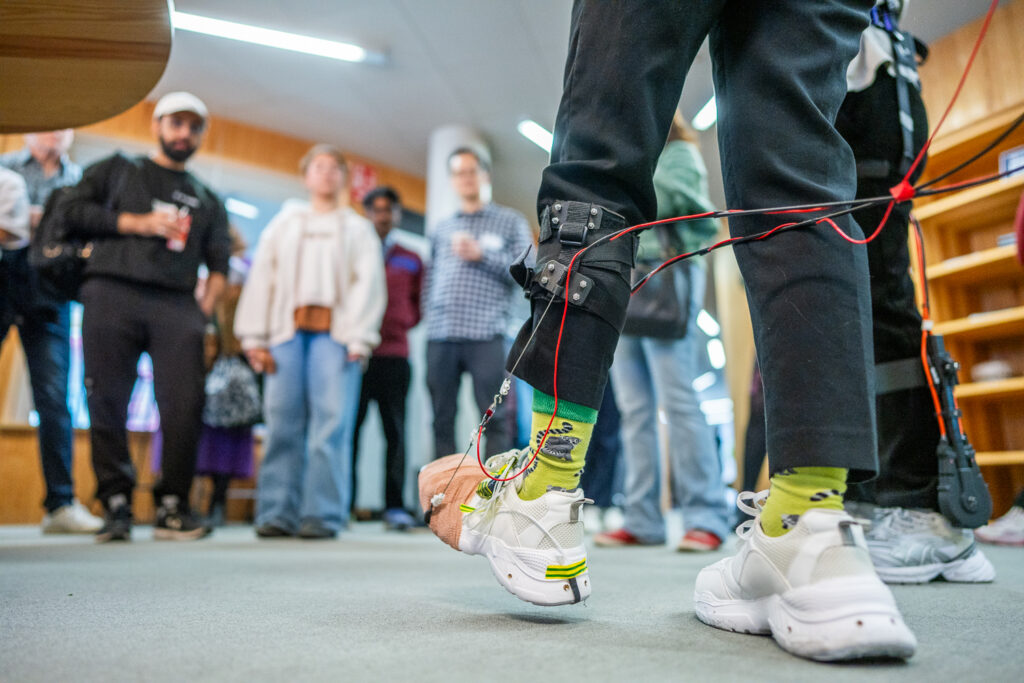
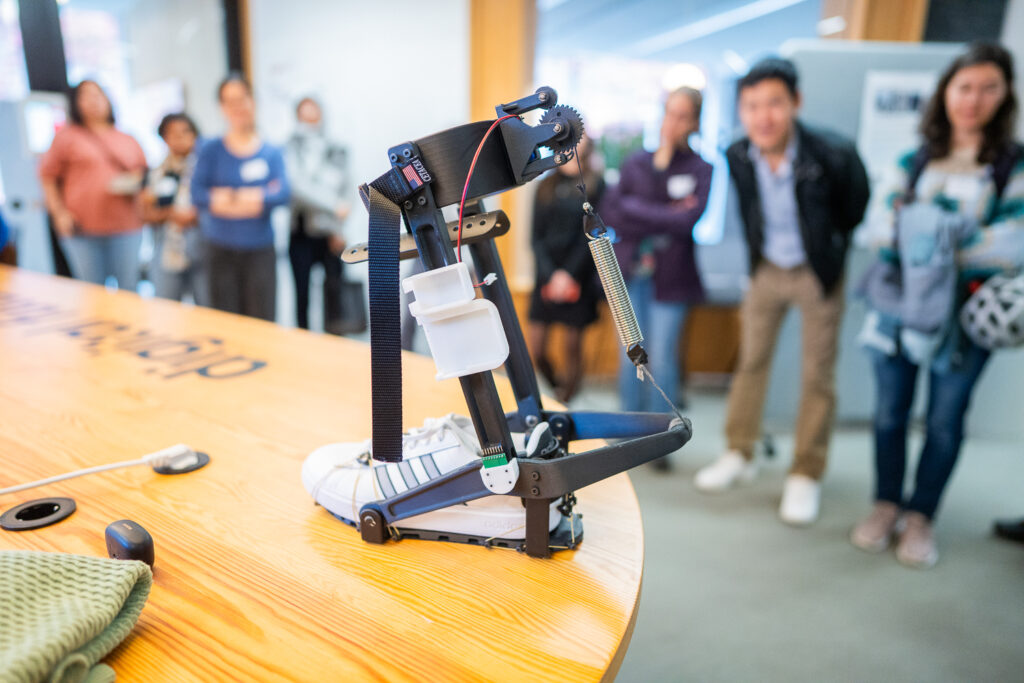
Robotics was another crowd favourite. Advancing Real-Time Exoskeleton Control, with expert Elena Gutierrez Farewik, revealed how wearable robotics can enhance movement and independence for people with mobility challenges. The Drone Gymnasium invited participants to imagine new ways of interacting with drones — not just through screens, but through motion and creativity. And in Intelligence through Reasoning, Patrick Hammer presented robots capable of “thinking” more like humans, paving the way for safer, more autonomous systems.
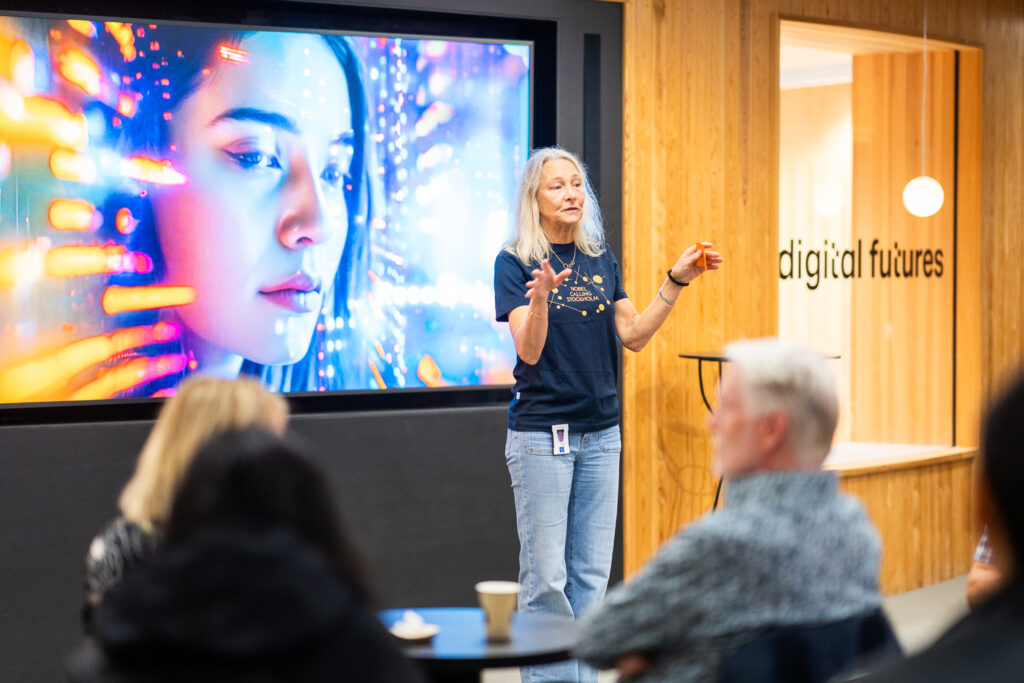
Throughout the day, discussions flourished around how technology can serve society — not just as a tool, but as a partner. From curious students to lifelong learners, everyone left with a deeper understanding of how digital innovation can build a more sustainable and human-centered future.
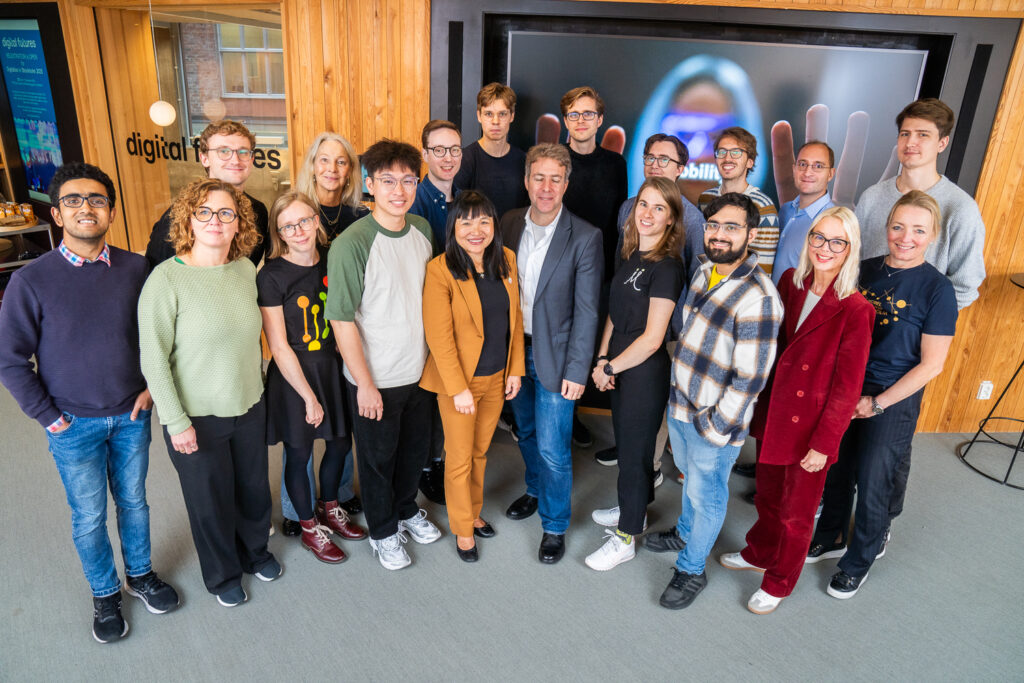
As part of the Nobel Calling Stockholm 2025 program, Digital Futures once again proved to be a place where technology meets humanity, and where the future is not just imagined — it’s actively being built.