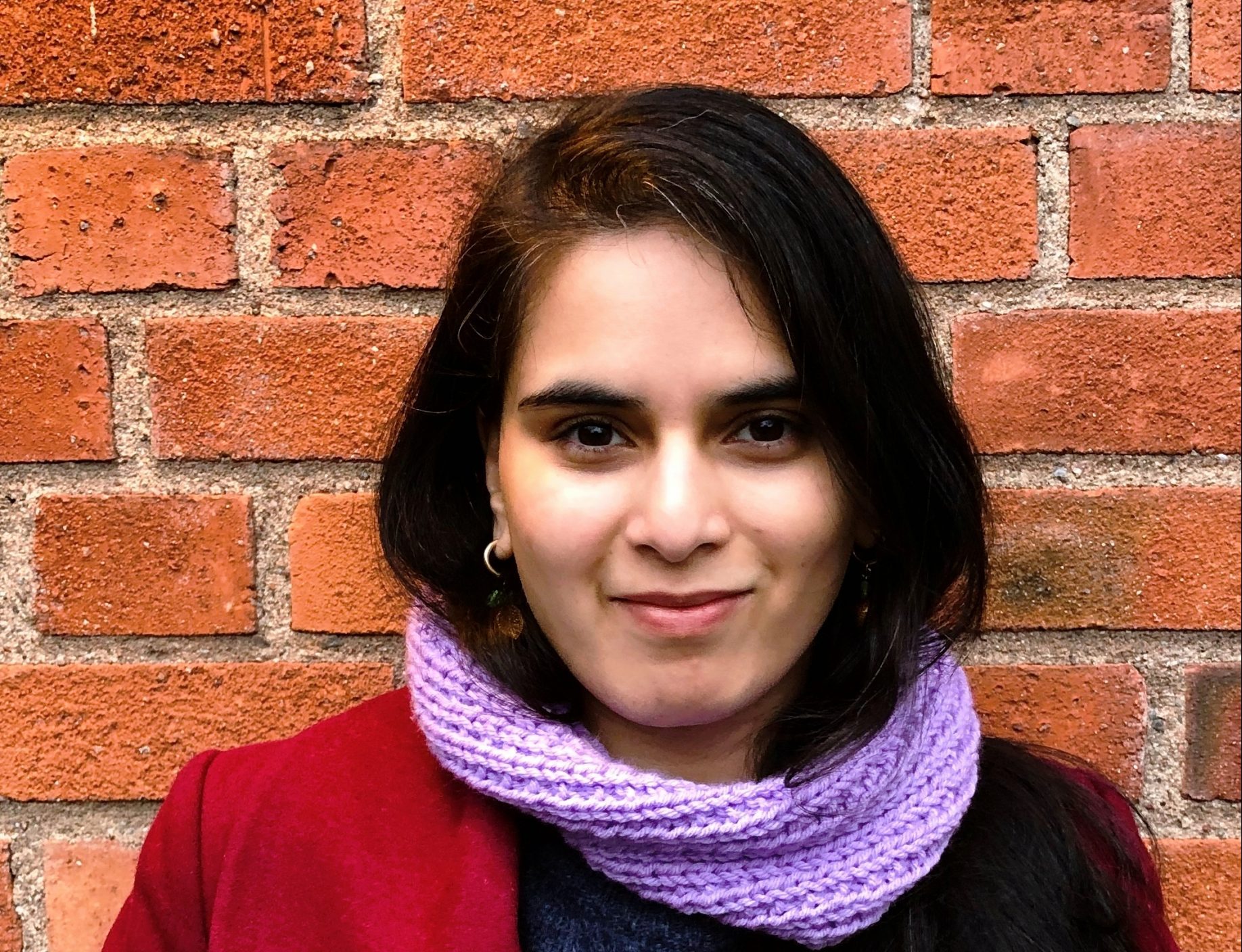
Meet Stacy Vallis – Postdoc Fellow at Digital Futures. Stacy completed her doctoral studies in architecture at the University of Auckland, New Zealand. Her doctoral research responded to the risks to urban public safety posed by natural hazards. It explored the applications of geospatial and drone technologies for the rapid assessment of contemporary and historic urban centres to inform the selection of retrofit solutions that generate safer streetscapes.
Hi Stacy, describe your role as a Postdoc Fellow at Digital Futures and why you applied for this fellowship mobility program?
– Hej! I’ve always been intrigued by the ways in which our cities have historically changed and adapted to different phenomena – so I understand that digital technologies form an exciting, new chapter in this timeline! I am very inspired by the broad research agendas and opportunities for collaboration presented by the Digital Futures fellowship and mobility program – thinking about the many applications of digitalization to my own discipline and beyond.
The title of your postdoc project is Digital Transformations for Optimizing the Post-Pandemic Sustainable Smart City – tell us a bit about it? Have you already some results from your work?
– My postdoc is motivated by similar themes of urban disaster risk and response as my doctoral studies, although I’ve had the opportunity to specifically pursue the development of sanitation in our urban centres. Historically, there are close interdependencies between urban water management and urban development – so I’ve become interested in understanding the social, spatial, and unintended implications of increased digitalization within our existing urban facilities such as public restrooms. Equitable access to public urban sanitation is a core human right. Examining the exchanges between architecture and human-computer interaction discourse has helped me bridge disciplinary gaps.
Your research interests include the use of cultural heritage and intergenerational dialogue as tools for addressing many societal challenges – why did you decide to focus on these topics?
– I believe that there’s a lot to learn from the past that can be used to enhance our urban futures. Inclusive dialogue between different groups can help us identify innovative and relevant solutions to big challenges, ranging from climate change through to access to education for example. Digital tools can play a significant role in helping us link the past with the future!
Finally, tell us a little bit about yourself!
– Relocating across the world during a pandemic has been challenging but stimulating journey! Engaging with many inspirational colleagues and new friends has driven my professional and personal development in new directions – and has made for an unforgettable experience.