Yifang Ban, Professor and Head of Division Geoinformatics at KTH, and PI of research project EO-AI4GlobalChange at Digital Futures was a speaker on 2 November at a UN COP26 side event in Glasgow on Earth Observations to build sustainable and climate-resilient cities.
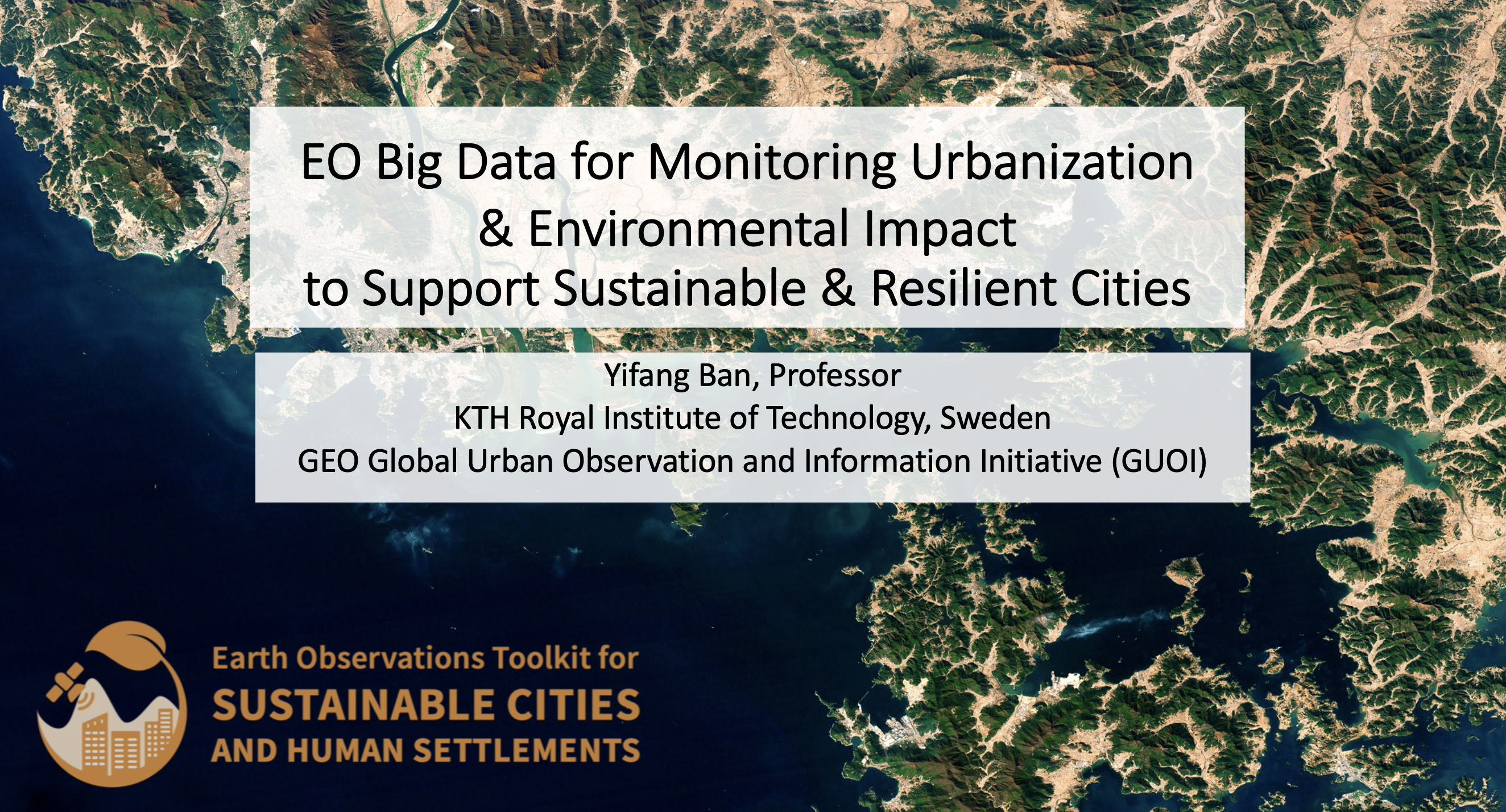
This hybrid event focused on how the Earth Observations (EO) in general and the EO Toolkit for Sustainable Cities and Human Settlements in particular, can be used to build sustainable and climate-resilient cities. Professor Ban presented EO Big Data for Monitoring Urbanization & Environmental Impact to Support Sustainable & Resilient Cities that is part of the Digital Futures project, EO-AI4GlobalChange.

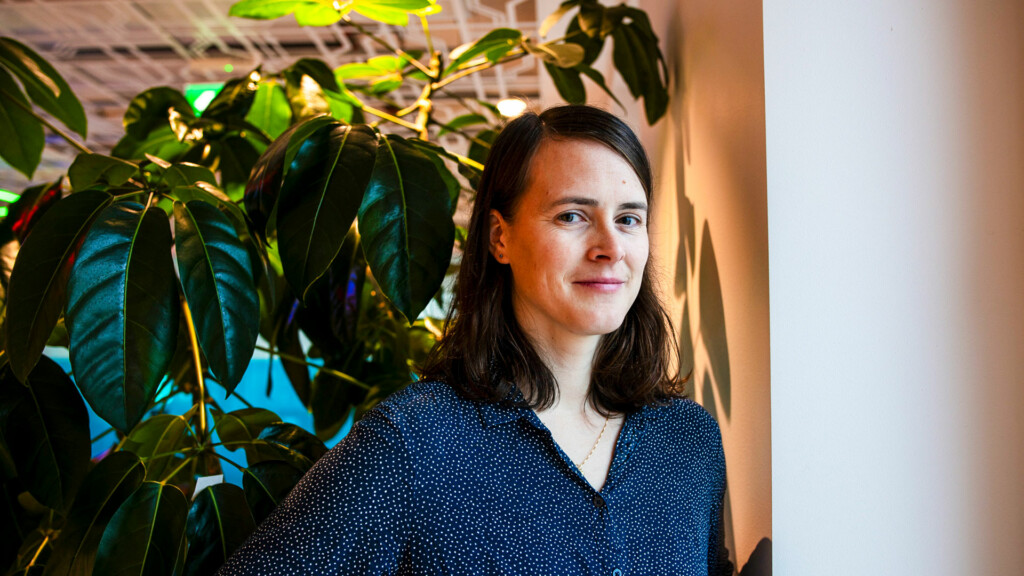
Photo: Peter Ardell, KTH
– Background to the event is that cities around the world face numerous environmental hazards—such as extreme heat events, landslides, pollution, and flooding— that they must monitor and address to reduce risks to, enhance the resilience of their residents to climate change impacts, explains Yifang Ban. Earth observations allow cities and other types of human settlements to be monitored and understood in comprehensive ways and deliver up-to-date insights to decision-makers.
The Earth Observations Toolkit for Sustainable Cities and Human Settlements delivers an online, continuously updated resource that supports governments and stakeholders to use Earth observation data and analysis to deliver urban sustainability monitoring and policy development – reducing costs and obtaining faster and more accurate results for cities across the world.
In this event, the speakers and panellists shared how the Toolkit could be used to measure and analyze Sustainable Development Goal 11 indicators and climate change-related risks and vulnerabilities for cities and other human settlements. The event brought together governments, the private sector, academia, funders, and practitioners working in the areas of human settlements, sustainability, and climate resilience.
About the EO Toolkit for Sustainable Cities and Human Settlements
The Toolkit (https://eotoolkit.unhabitat.org) provides ready-to-use Earth observation data sets and tools that can support definition and monitoring of indicators, as well as national and city experiences in using spatial data and analysis for monitoring progress towards the Sustainable Development Goals and the New Urban Agenda, and enabling successful, evidence-based decision making. The Toolkit can be applied in policy areas that are important to delivering successful and sustainable cities, such as sustainable urban planning; adequate housing; access to public transport; and access to public spaces. Earth observation data can provide significant cost and time savings in urban monitoring and indicator measurement, particularly over large areas or areas where little data is available.