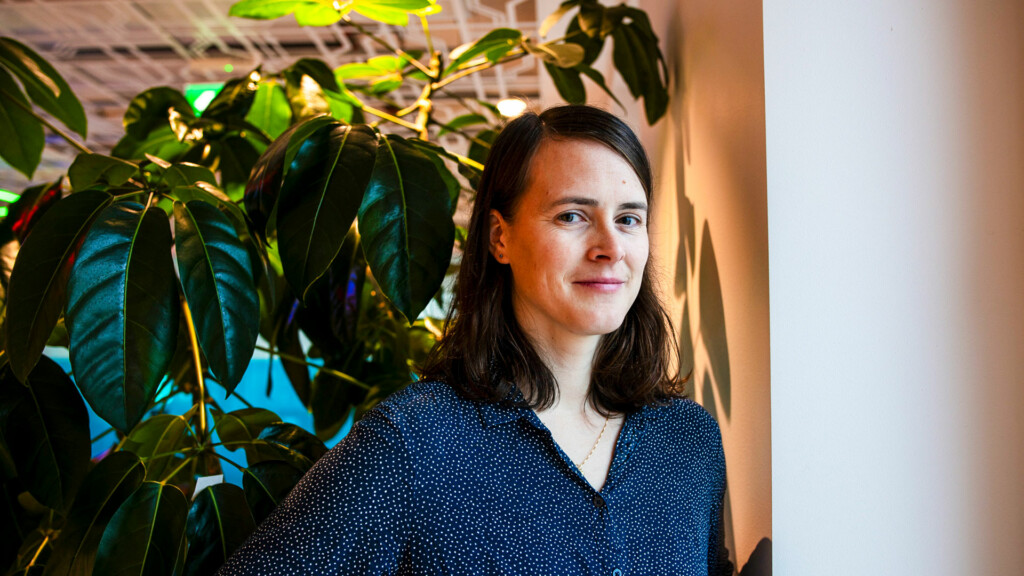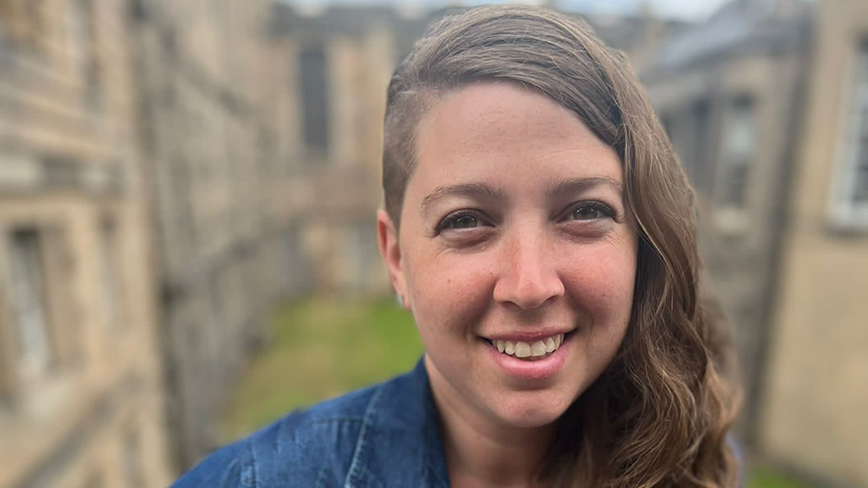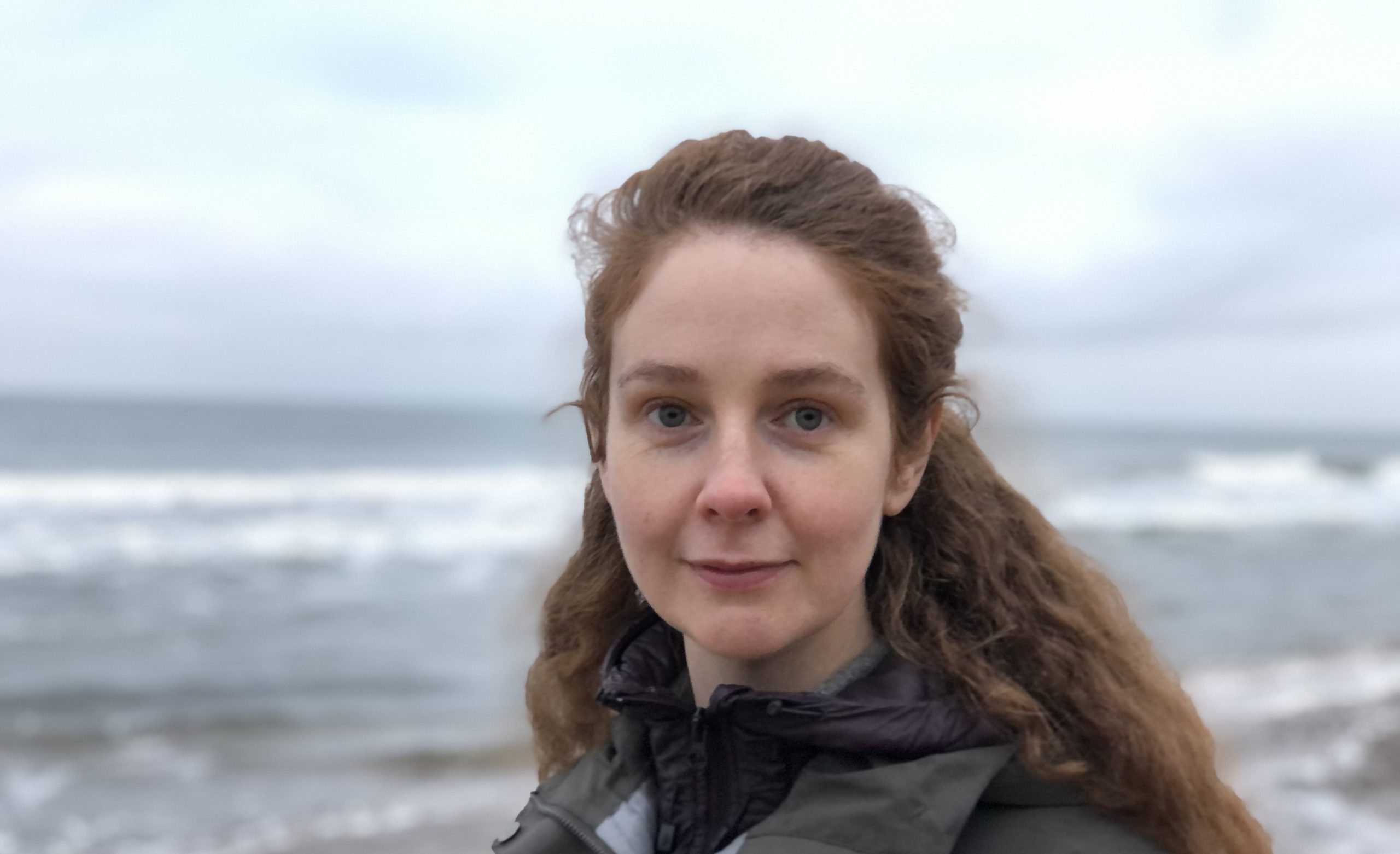
Congratulations to Madeline Balaam, Associate Director for Mobility at Digital Futures, that has been awarded the KTH President’s Equality and Diversity Award.
The prize, established by the President in 1999, aims to strengthen the gender equality and diversity work within KTH. It consists of 10 000 SEK and is awarded to an employee at KTH who has contributed considerably during the past year within the areas of equality and or diversity. The aim is to develop KTH as an organization in regards to one of the areas Work environment, Education and pedagogical skills and Research. Candidates to the equality and diversity prize for employees, are nominated by Vice-President for Gender Equality and Values and is given out by the President of KTH during the Graduation ceremony at Stockholm City Hall.
 In 2022 the prize goes to Madeline Balaam, Associate Professor, Division of Media Technology and Interaction Designs at KTH. Balaam is a Member of the Executive Committee and Associate Director for Mobility at Digital Futures. She’s also a Co-Supervisor for the postdoc project Relational Aspects of Care in Intimate Digital Health Technologies and the PI of the research project Layering Trust in Intimate Digital Health Technologies, a collaboration with Airi Lampinen.
Congratulations Madeline! Equality and diversity in the workplace mean a lot of things. They’re about respecting your staff for their individual age, gender, race, cultural background, career experience, skills, beliefs (religious and philosophical), sexual orientation, and more. It is rather complex, right?
– Yes, it is complex and it means being reflexive on the decisions and actions that I and we take on an ongoing basis to examine who they might privilege and who might be disadvantaged. We still have a very long way to go before academia is in any way a fair, just and equal system to work within. At KTH I see much emphasis on making things equal for women, but I think that this focus and care must be extended also to other groups who have typically been excluded.
How do you implement equality and diversity in your daily work?
– I am not perfect and I still have much to learn. Day by day I try and think about how I can do my job better to make what I do more inclusive, and to create a more just world. This can be simple things raising my voice when I see something is unfair, through to diversifying the reading list in my classes to make sure that students hear perspectives on technology from a wider breadth of cultures and genders. In my own research I focus on innovations in digital technologies for women’s health. By doing this, I have been centering experiences in the design of new technologies on experiences and bodies that are less commonly considered in the design of digital technologies. This is important to me. Equally important to me is that by focusing on these other bodies and experiences I am able to really drive innovation in design and technology that otherwise might not have been considered.
My research is not solely about doing something good, just or charitable, but I think and hope that working with these issues leads to totally new technologies, totally new interaction techniques, and totally new interaction design.
– There are many, of course. One that comes to mind right now, is our desire to try to avoid the discomfort that comes with talking about and working with issues of equality and diversity. People become so scared of making a mistake, of saying the wrong thing, or massaging numbers and words to make it seem like there is progress that we forget to listen, be willing to learn, and change. And then of course, cultural change is hard and slow.
Momentum and energy get lost trying to make tiny, tiny changes. Sara Ahmed has much to say on the problems of trying to address biases at universities – I would recommend any of our faculty to pick up her recent books to examine these issues in more depth.
– I have been invited to the graduation ceremony in May which is very exciting as I have not yet been to a KTH graduation. I have also been invited to have a discussion about my research with the Vice President for gender equality and values, prof. Anna Wahl also in May. Regarding the money – I plan to spend it to fund part of my attendance at CHI 2022 where I am co-presenting two papers describing some of my recent research.