
A recent study highlights the urgent need for ethical reflection in research reporting, especially in fields driven by emerging technologies such as Artificial Intelligence. Published in PLOS ONE by an international team of researchers, including Associate Professor and former Digital Futures Scholar in Residence Simon Knight of the University of Technology Sydney, the study introduces new guidelines aimed at fostering deeper ethical considerations in research publications.
With advancements in areas like facial recognition technology raising concerns over surveillance, discrimination, and military use, this study urges academic journals to move beyond simple compliance checklists. The proposed guidelines emphasize the importance of open conversations on ethical implications, encouraging journal editors, reviewers, and authors to embed ethical transparency into the research process. The goal is to increase public trust, ensure responsible innovation, and support sustainable research practices across disciplines.
Among the authors is Digital Futures faculty member Olga Viberg, Associate Professor, Division of Media Technology and Interaction Design at KTH Royal Institute of Technology.
New Guidelines Push for Ethical Reflection in Research Reporting
Emerging technologies such as Artificial Intelligence underscore critical challenges and tensions in research ethics, prompting calls for updated research policies, as addressed in a recent study. “Research ethics isn’t just about how we treat human and animal subjects or ensuring data accuracy – it also includes considering the wider impact that research might have on society,” says lead author Associate Professor Simon Knight from the University of Technology Sydney.
“For example, advances in facial recognition technology raise ethical concerns around its potential use in surveillance, military applications, or other products, as well as risks of discrimination due to biases in the technology,” he adds.
The study, Emerging Technologies and Research Ethics: Developing Editorial Policy Using a Scoping Review and Reference Panel, was recently published in the journal PLOS ONE. Written by an international team of researchers experienced as editors-in-chief of leading educational technology journals, such as the Australasian Journal of Educational Technology, the British Journal of Educational Technology, and the Journal of Learning Analytics, the study seeks to deepen ethical awareness in academic publishing.
Drawing on existing research ethics publication policies, the researchers developed new guidelines to encourage ethical reflection in scholarly articles across disciplines, aiming to foster learning and open discussions on ethical issues. Academic journal articles serve as primary communication channels to researchers, policymakers, practitioners, and the public. Clear communication of ethical values in research can help build public trust and support for scientific endeavors.
Failure to address ethical concerns arising from academic research can lead to reduced public trust, decreased funding, and hesitation in adopting new technologies or treatments. “These policy templates and guidelines are provided for authors, reviewers, and editors to adapt or adopt within their communities. They are intended to support learning and knowledge-sharing across research communities and stakeholders,” the authors explain.
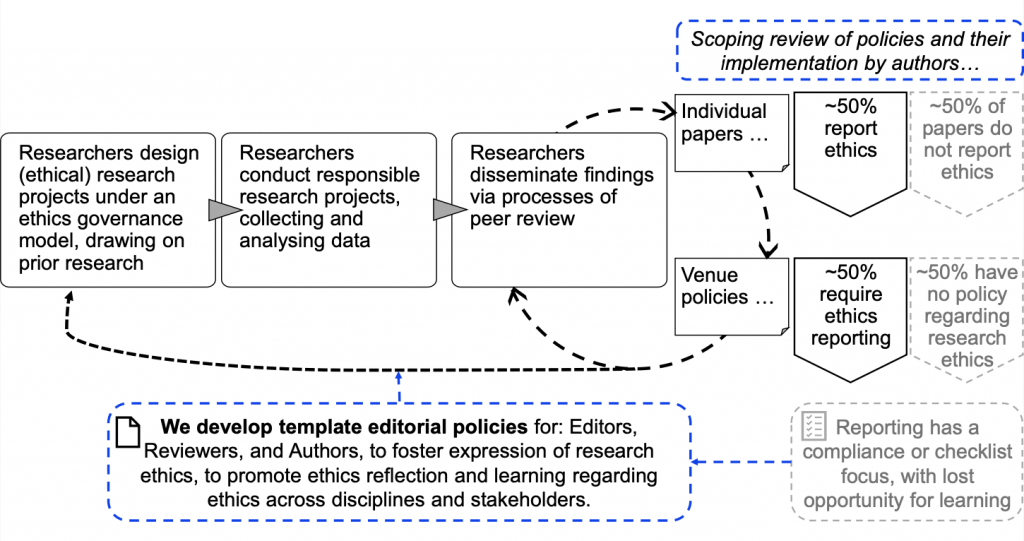
The study includes a scoping review of current innovations in research ethics publication policy, examining how these policies are applied by journals and authors. Innovations include new guidance for reviewers and introducing the role of ‘ethics reviewer.’ The review suggests that around half of academic journals lack explicit ethics reporting requirements. Even those with clear policies often treat ethics as a compliance-driven “box-ticking exercise” rather than a genuine exploration of ethical concerns.
“We need to shift from compliance-based ethics to fostering ethical norms and practices, and we must do this without creating barriers to publication or increasing overheads. Both current and future research ethics challenges need our attention,” says Associate Professor Knight.
Academic journals and editors play a vital role in promoting ethical practices and maintaining the integrity of research. By encouraging a deeper consideration of ethical issues, they contribute to advancing knowledge that is trustworthy and socially responsible.
Link to the paper: Knight S, Viberg O, Mavrikis M, Kovanović V, Khosravi H, et al. (2024) Emerging technologies and research ethics: Developing editorial policy using a scoping review and reference panel. PLOS ONE 19(10): e0309715. https://doi.org/10.1371/journal.pone.0309715
Link to interview: “Scholar-in-residence Simon Knight focuses on how people learn to engage ethically with AI“