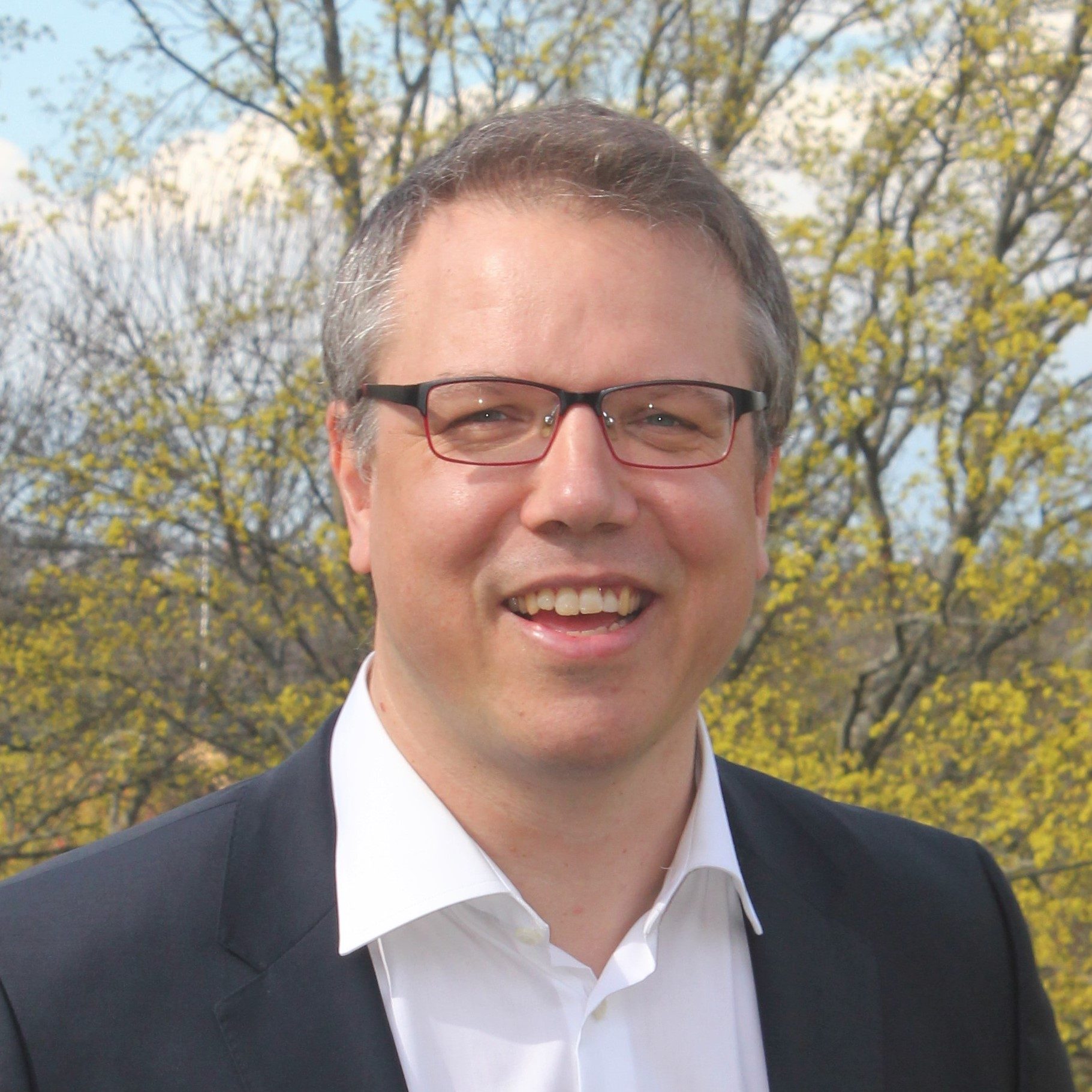
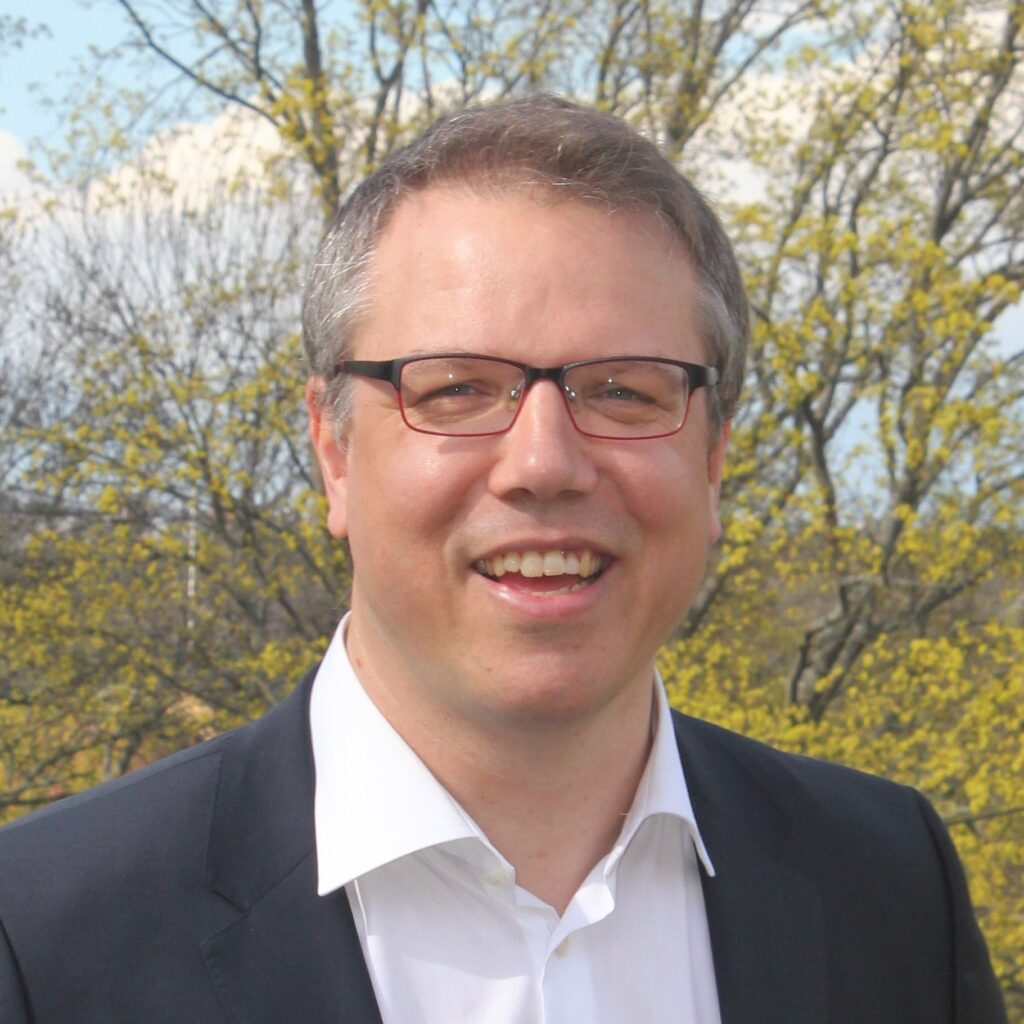
Meet Johan Karlsson. Associate Professor, Optimization and Systems Theory at KTH and Associate Director Executive Research at Digital Futures. Johan is also a Member of the Executive Committee and a Co-PI of research project Decision-making in Critical Societal Infrastructures (DEMOCRITUS) at Digital Futures.
Hi Johan, describe your role at Digital Futures?
– In Digital Futures there is a large number of projects running and new project calls are continuously being announced. One of my main responsibilities is to develop policies and guidelines to ensure that the calls and projects run smoothly. I will also be responsible for some of the projects and calls directly. Before I joined the Executive Committee, I became part of the project DEMOCRITUS, which is a very exciting project where we develop methods and theory for water distribution systems and other critical infrastructures.
Tell us a bit about your long-time experience in research and what motivates you as a researcher?
– Quite simplified, applied mathematics can be seen as the art of matching a given application with any of the vast number of mathematical frameworks that exists. The first part of the problem is to find the most suitable framework, and the second part is to formulate and adapt the framework so that it fits the application. Most of my work relates to optimization or systems theory, and I enjoy the richness in both the number of applications and in the mathematics that needs to be used to solve a problem.
Recently I have been interested in optimal transport theory, and it is remarkable the number of applications it can be applied to by extending the theory in suitable ways, e.g., network flow, state estimation, control, finance, radar and medical imaging problems.
Finally, tell us a little bit about yourself!
– I grew up in Stockholm and got my MSc and PhD from KTH. After working two and a half years in the private sector I decided to go back to academia and joined as a postdoc at University of Florida. Since 2013 I am back as faculty at KTH. I live with my wife and child in central Stockholm, and as parent of a preschool child most free time is spent with my family. I do my best to keep active with running and an occasional skiing trip, and I am looking forward to when my child is old enough so that I can teach him how to sail our small boat.