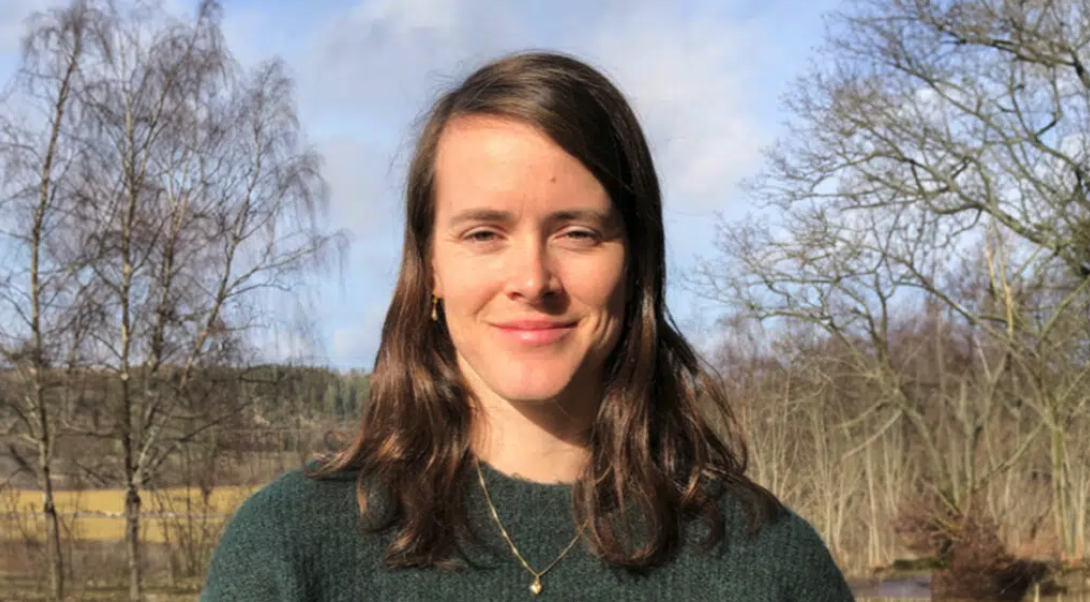
In a recent article “Så påverkar din internetanvändning miljö och klimat” (How to reduce your digital environmental and climate impact) by Maria Ottoson for Internetkunskap Internetstiftelsen, Digital Futures postdoc Anna Furberg talks about ways to reduce the environmental and climate impact of digital activities in everyday life. Anna Furberg highlights that a significant impact comes from the manufacturing of mobiles, computers, and other digital devices, emphasizing the importance of keeping and repairing existing devices rather than frequently buying new ones.
In terms of online activities, video streaming and conferencing have substantial climate impacts. Research shows that one hour of video conferencing can emit up to 1,000 grams of carbon dioxide, but emissions can be reduced by 96% by using only audio. User behavior plays a crucial role, and even small changes, such as reducing digital service usage, can make a positive difference.
The article underlines the complexity of the climate impact of digitalization and the need to consider the combined effects of behavioral changes. For instance, replacing a business trip with a video conference can reduce travel, but the overall impact depends on subsequent decisions, such as increased holiday trips by plane. Anna Furberg emphasizes the importance of assessing the long and short-term consequences of decisions to ensure a genuine positive impact on the environment.
In another article “Så tror svenskarna att digitaliseringen påverkar klimatet – och så svarar experterna” (How Swedes think digitalisation affects the climate – and how experts respond) by Jakob Bäck for Internetkunskap Internetstiftelsen, Anna Furberg says that digital services can help us reduce energy use, but whether or not there is a net reduction depends on our behaviour.
– The use of digital services can lead to reduced energy consumption. Navigation apps, for example, allow you to optimise your driving style and mileage to use as little fuel as possible. But if the fuel economy of your car improves, it means you can drive longer distances for the same money because the cost per kilometre is reduced. So you save fuel and money by using digital technology, in this case a navigation app. But if you end up driving longer distances, then the emissions can be as high as before you started using the digital service or even increase,” says Anna Furberg.
Anna Furberg and Shoaib Azizi are Digital Futures Industrial Postdocs for the research project Environmental impacts of digitalization based on life-cycle assessment, supervised by Göran Finnveden, Professor of Environmental Strategic Analysis at the Department of Sustainable Development, Environmental Sciences and Engineering at KTH.