Every summer, the Digital Futures Summer Research Internship (SRI) offers students from KTH Royal Institute of Technology and Stockholm University the chance to dive into academic research under the guidance of leading scholars. In 2025, the program took on an even more international dimension through the Digital Futures Exchange Program, which sent KTH students to partner institutions in the U.S. while welcoming American students to Stockholm.
Among the participants were six KTH students who spent eight weeks at UC Berkeley: Simon La Vielle, Martin Orrje, Leon Allinger, Ludwig Estling, Marina Wiemers, and Kevin Saajakari. Their reflections tell six different stories—each one a glimpse into how research abroad can shape personal and professional growth. Their voices underscore a shared truth: research without borders is not only about advancing knowledge. It is about building connections, testing possibilities, and shaping futures. As Simon summed it up: “I 100% recommend this experience if you have the opportunity.”
Leon Allinger – building on others’ work
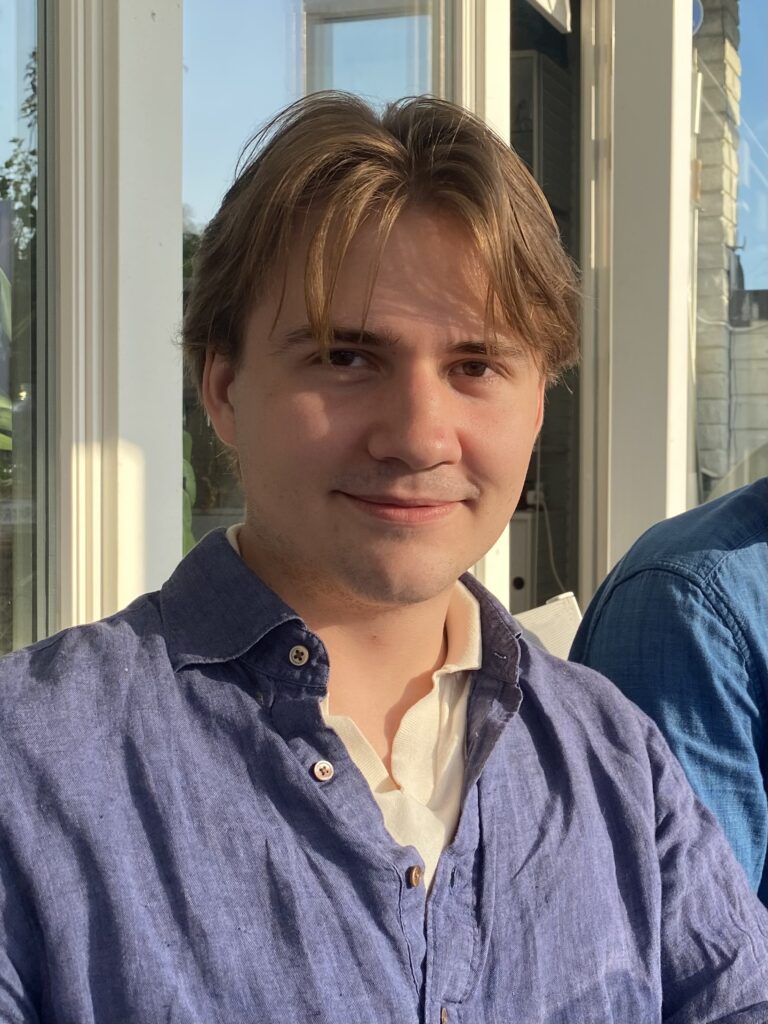
“A big challenge for me was navigating the codebase and deciding which parts were relevant, but I now see this as an essential research skill.”
Leon arrived in California eager to see how research was carried out at a prestigious U.S. university. His project required him to expand an existing codebase to tackle new problems, forcing him to review and build on previous work. This experience revealed the practical reality of research as a collective effort, where progress depends on understanding and extending the contributions of others.
The summer left Leon determined to return to Berkeley one day—this time, as a PhD student.
Ludwig Estling – exploring new directions
“Since my project was exploratory in nature, I continually had to come up with new approaches to try, while also learning to stop myself from going too far down the wrong rabbit holes.”
Ludwig’s summer project revolved around traffic data, a topic he had never worked with before. With two supervisors—one for day-to-day guidance and one for broader project direction—he was able to structure an exploratory project in meaningful ways. The experience developed his ability to work independently while staying grounded and avoiding unproductive detours.
For Ludwig, the summer abroad became not just an academic milestone, but also a turning point in seeing academia as a possible career path.
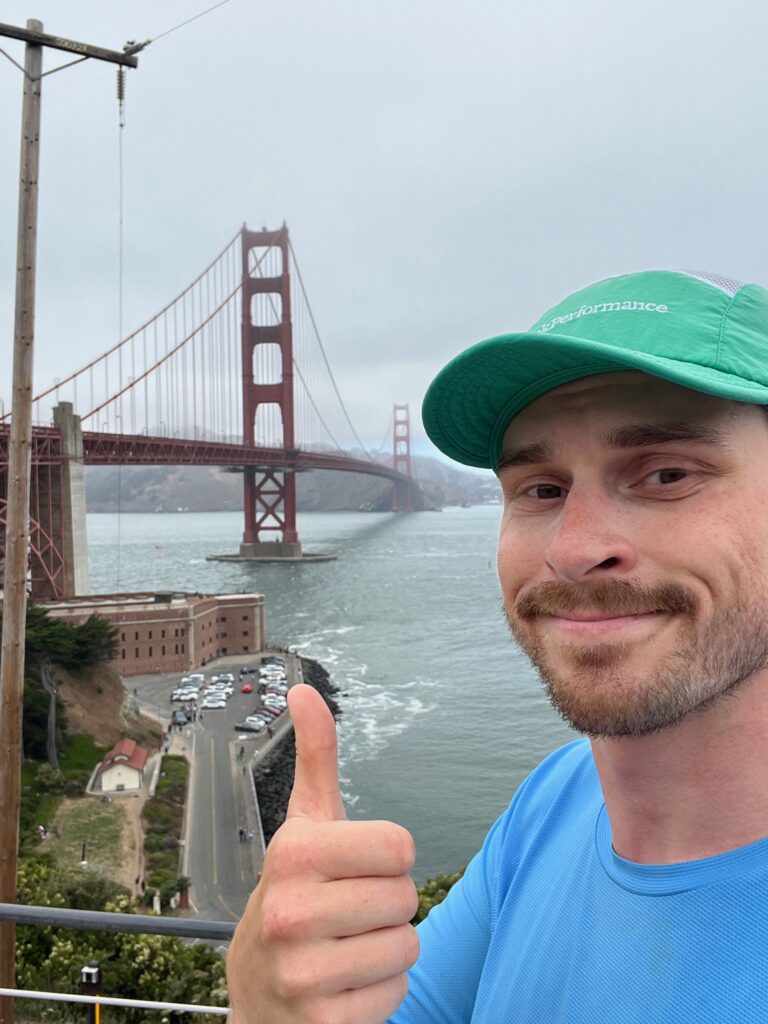
Marina Wiemers – inspired by a can-do culture
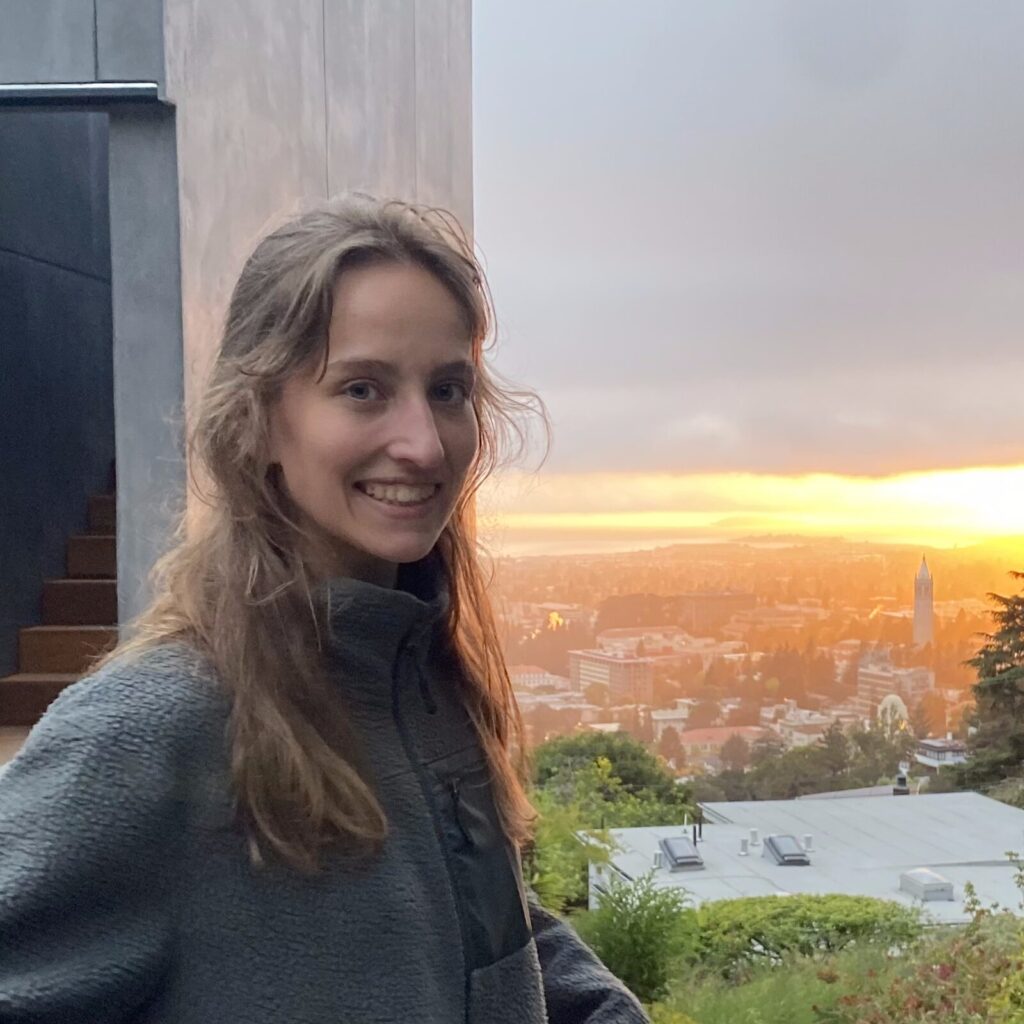
“I was continuously amazed to meet people with a drive and enthusiasm to build and develop ideas they are passionate about—something I haven’t experienced in the same way in Sweden.”
Already familiar with studying abroad, Marina knew how rewarding such experiences could be. What struck her most in Berkeley was not just the academic work, but the culture surrounding it. She found herself surrounded by people full of drive and enthusiasm—students and researchers who were eager to take initiative and push ideas forward.
That energy inspired her to carry the same spirit into her own studies and projects back in Stockholm.
Kevin Saajakari – communicating research clearly
“The most important skill I developed was presenting and communicating my work to different groups in different ways.”
Kevin’s project connected closely to his work in Sweden on battery energy storage systems. But beyond the technical aspects, he quickly learned that communication was key. With encouragement from his advisors, he took on the challenge of presenting his work clearly to different audiences, strengthening his ability to explain complex ideas.
The experience also strengthened Kevin’s interest in pursuing a PhD—this time with a stronger sense of the research culture he wants to be part of.
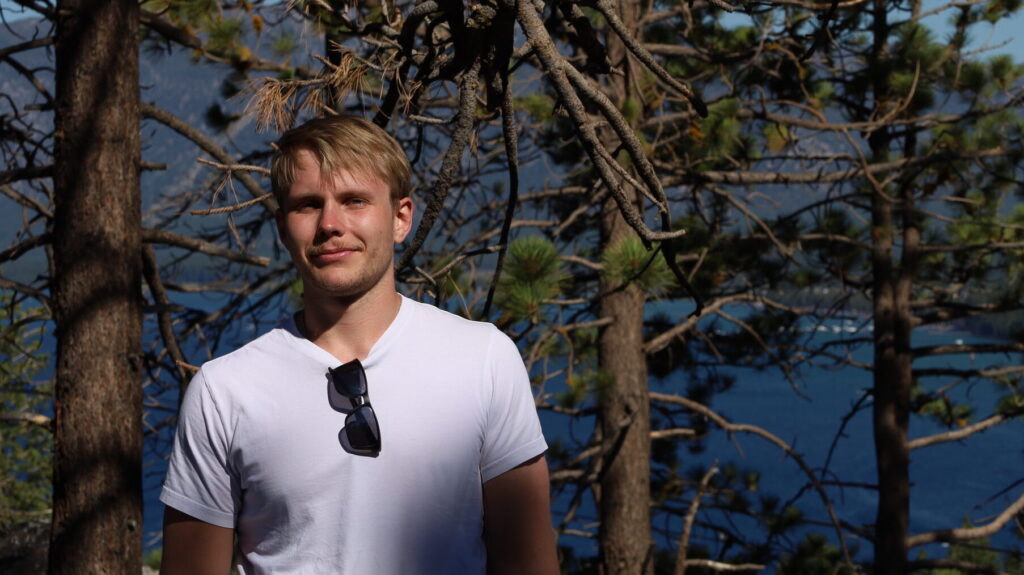
Simon La Vielle – finding confidence in research
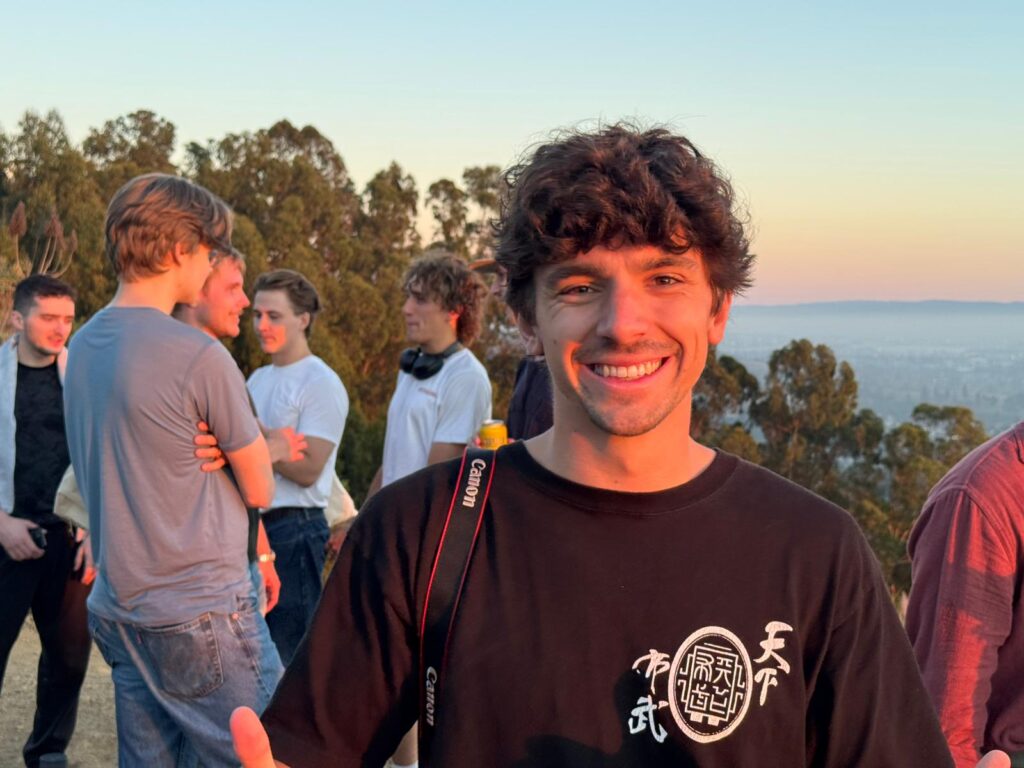
“The most important thing I learned was that I enjoy research very much, and that anything and everything is useful when properly supported.”
For Simon, the exchange was about answering two big questions: Did he want to pursue research after his master’s studies? And if so, was he ready to commit to a PhD? Arriving at Berkeley, he worried his contributions might not be valuable. But working within an engaged research group, he discovered that his perspective—shaped by both Swedish and Canadian studies—added real value.
This realization gave Simon the self-confidence to see himself as part of the academic world.
Martin Orrje – learning independence
“This internship has made it clear to me that a good researcher is not the result of a ‘natural genius,’ but instead is a deeply curious and humble individual.”
Martin had long considered the idea of pursuing a PhD abroad. His project at Berkeley, largely self-directed, put that idea to the test. While the independence was sometimes challenging, it also taught him how to set goals, define problems, and iterate on solutions without constant guidance.
For Martin, the summer offered not just technical lessons, but also a new understanding of what it truly means to be a researcher.
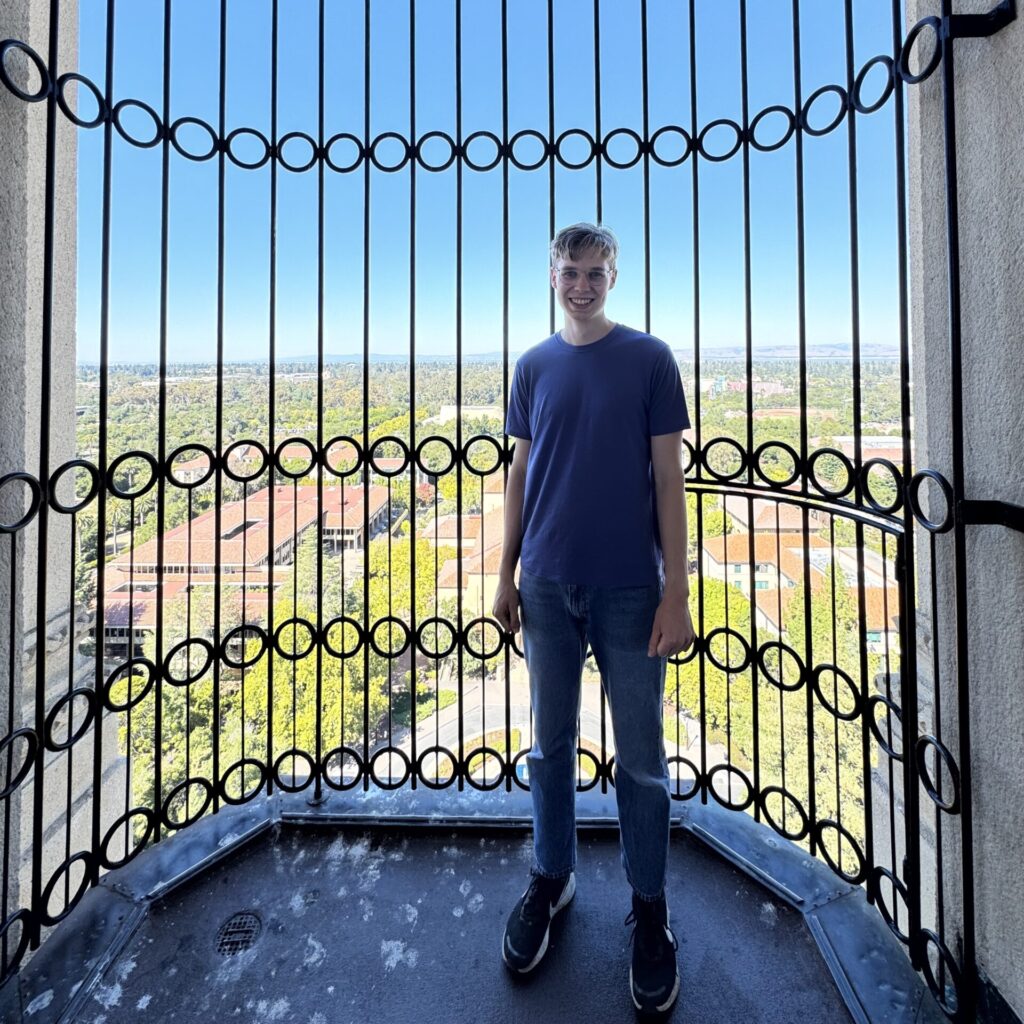
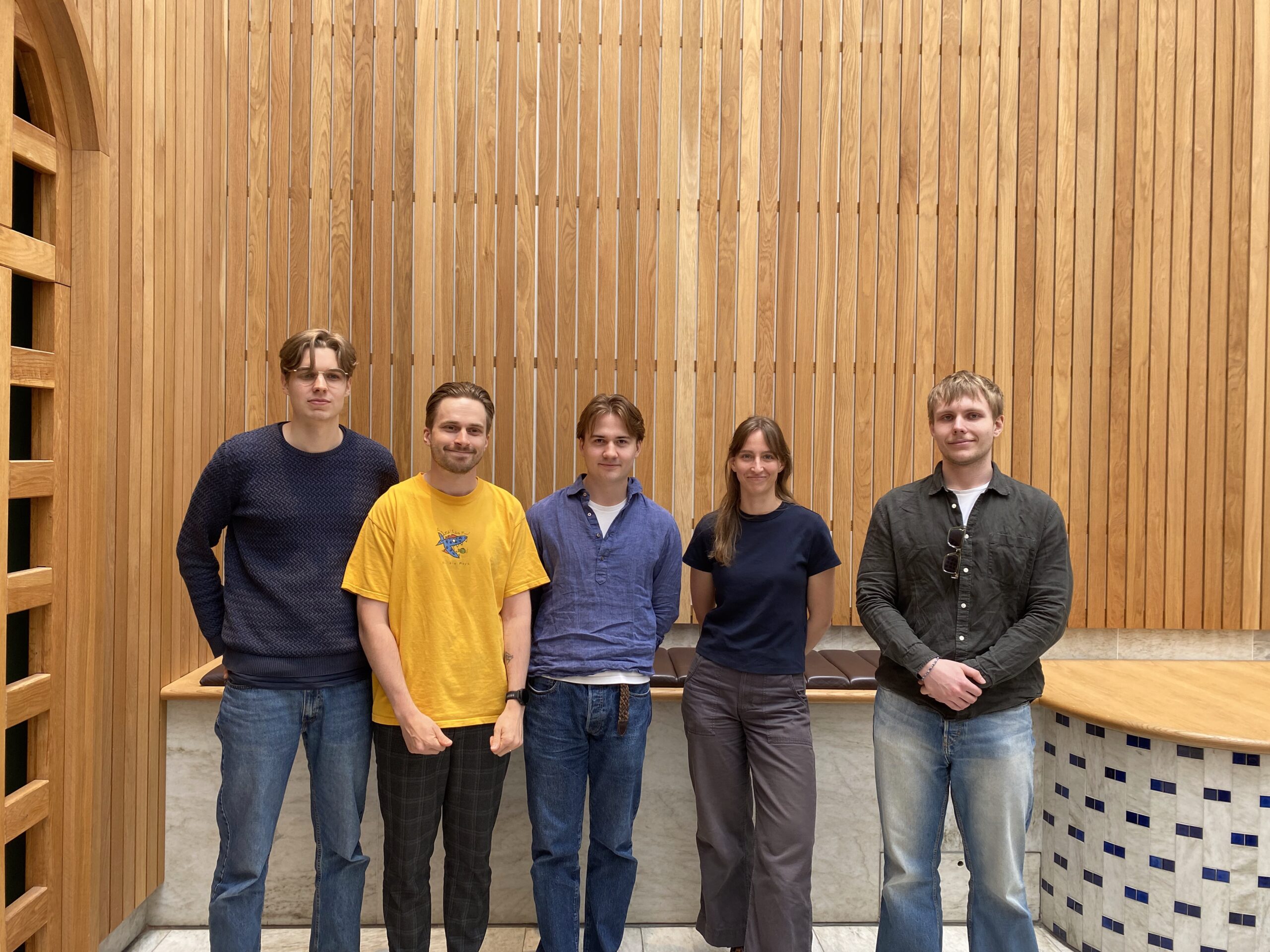
Feature image: KTH students going to UCB (right to left): Kevin Saajakari, Marina Wiemers, Leon Allinger, Ludwig Estling, Martin Orrje (missing in picture is Simon La Vielle)
Text: Johanna Gavefalk