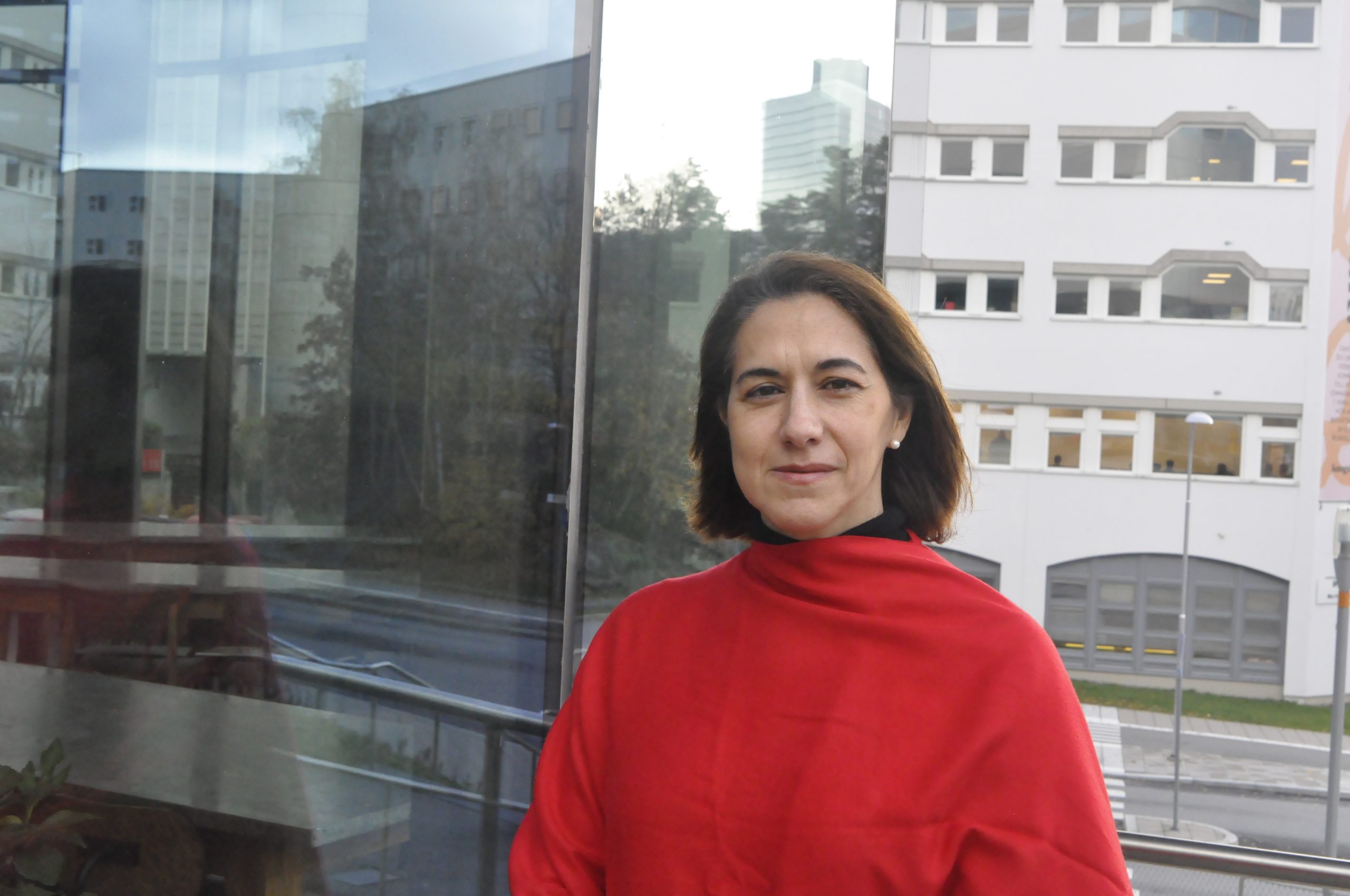
One year has passed since Teresa Cerratto Pargman joined Digital Futures Executive Committee as Associate Director for Societal Outreach. Teresa is also a member of the Working group Educational Transformation and Co-PI of the research project Responsible Digital Assessment Futures in Higher Education (REFINE) at Digital Futures and works as a Human-Computer Interaction (HCI) professor at the Dept. of Computer and Systems Sciences at Stockholm University (SU).
Hi Teresa, what is the purpose of the Digital Futures Outreach Program?
– The overall purpose of the Digital Futures Outreach Program is to provide a space for dialogue and reflection on the digital transformation in different sectors of society and education in particular. Through this program, the ambition is to promote societal engagement, address societal needs and build a community around issues of societal concern and interest. This is particularly important given that Digital Futures is leading top-level research that aligns with digital practices and societal needs.
As part of the program, you launched something called ‘Digital Futures for Education’ to stimulate interdisciplinary dialogue across national and international universities – why is this important?
– The main reason the Digital Futures Outreach Program focuses on education is that the education sector plays a central role in catalyzing change and innovation in society. Through Digital Futures for Education, the program intends to bring about a well-founded debate on the challenges and opportunities of digitalization and AI for education in Sweden and abroad.
Learning from diverse experiences is helpful when one seeks to get a more informed understanding of the cultural shift that is around the corner with the implications of AI technologies such as GPT3 for learning and examination in education. And having a dialogue on topics across national and international universities is important because we aim to understand digital transformation from different geographies, socio-cultural and politico-economic points of view. In this sense, Digital Futures is a valuable place to nurture interdisciplinary discussions on educational programs, research on education, and actions toward long-life learning at KTH, Stockholm University, RISE, and beyond.
You have organized three education conversations focusing on different topics – tell us more about these events.
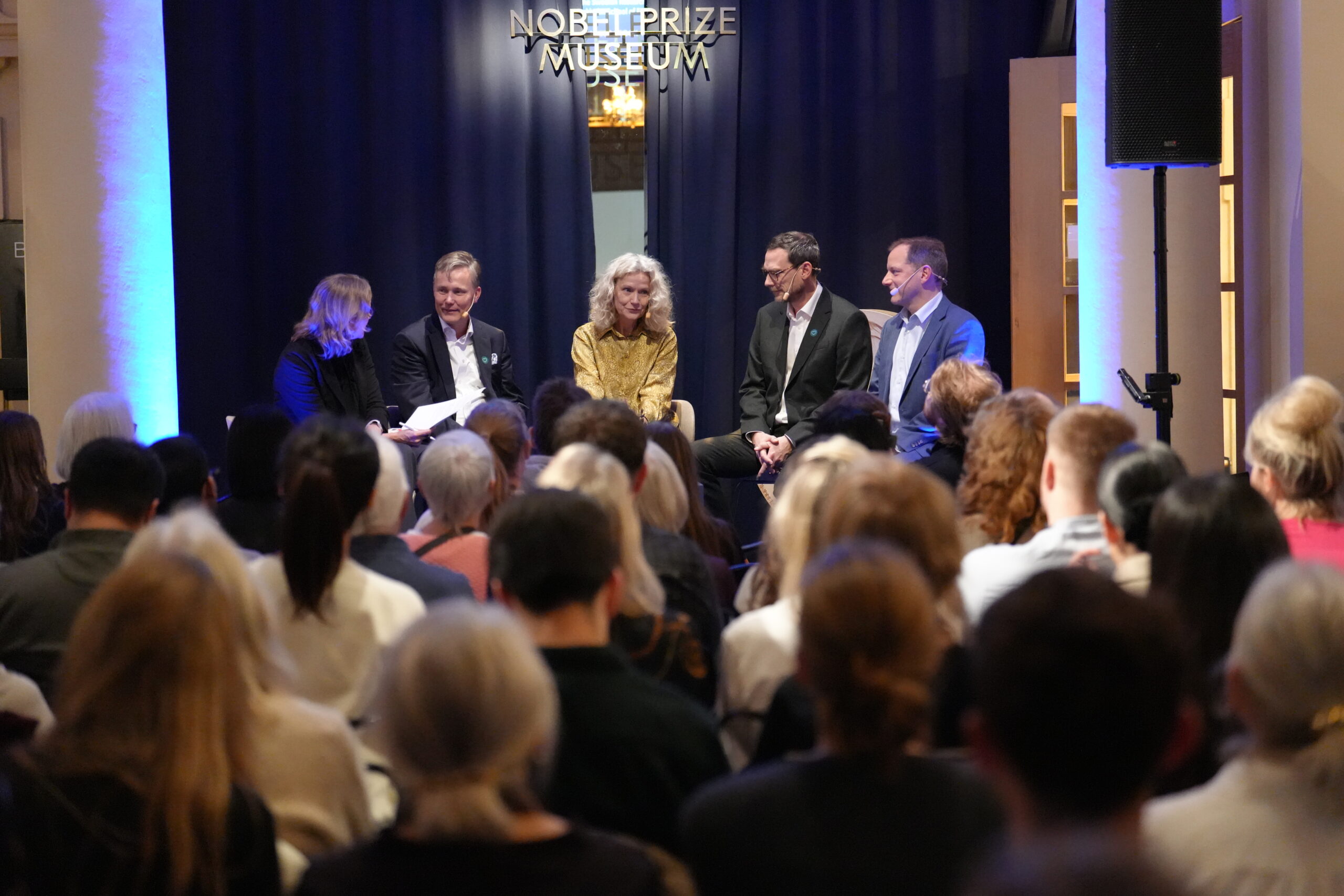
– This year the program organized three compelling conversations with excellent speakers. These conversations touched upon various visions of future universities in an ever more complex society, the educational purpose of deploying AI in Swedish education, and the paradoxes, hopes, and realities with developments such as data-based education, quantified education, and personalized/adaptive learning. These conversations, particularly the questions framing such discussions, succeeded in unpacking taken-for-granted understandings about automation and AI in higher education.
The conversations were online and onsite; ca. 40-50 participants attended and contributed to the discussions.

What will happen next year in 2023?
– On the agenda for next year, we will have, among others, conversations and workshops on the topic of the future of digital assessment (online), ethical AI, responsible edtech, as well as future scenarios for AI in education. I also aim for more collaboration with the national WASP-ED program, which drives innovation in digital transformation in education.
If someone would be interested in participating in any upcoming activities or have suggestions for topics – what should they do?
– Please contact me if you are interested in suggesting a topic or speaker and send your suggestion to me, tessy@dsv.su.se with the Outreach Program in the email’s subject. Other topics than those connected with education are also welcome!
Find out more about the topics and excellent speakers that participated in this year’s conversations:
- 8 December 2022: Conversation 3 – Digital Futures for Education: Digital transformation in education: paradoxes, hopes, and realities
- 8 September 2022: Conversation 2 – Digital Futures for Education: AI Imaginaries in Education: Hitting the target but missing the point?
- 25 May 2022: Conversation 1 – Digital Futures for Education: Back to the future! What do universities look like in 2040?