As artificial intelligence becomes part of research, education, workplaces and everyday life, an important question is emerging: What happens to our own abilities when AI takes over more of the tasks we used to do ourselves?
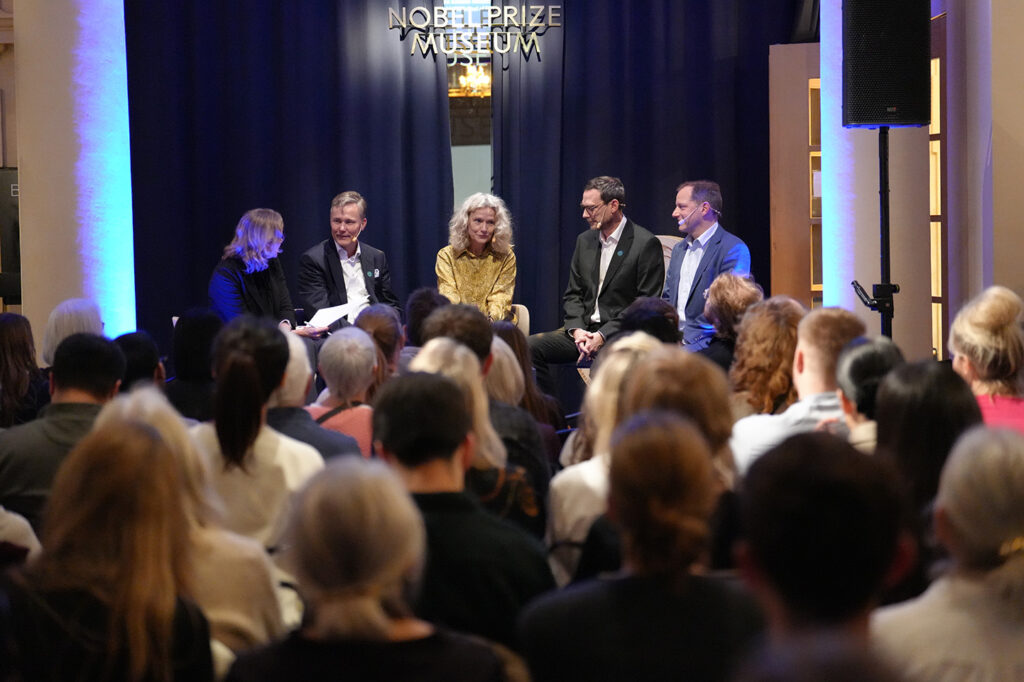
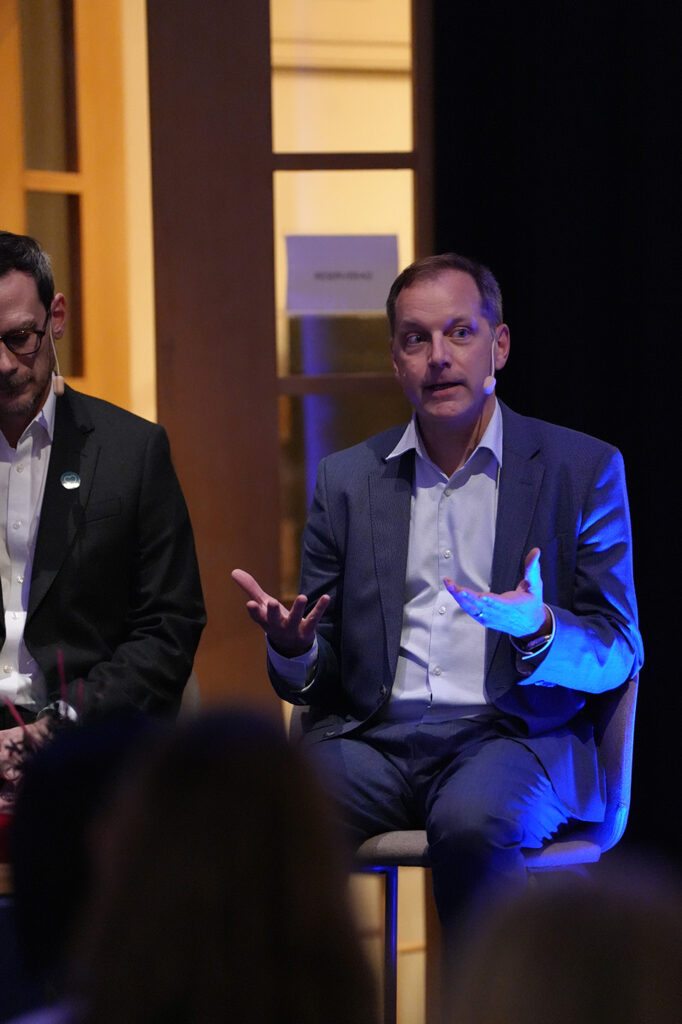
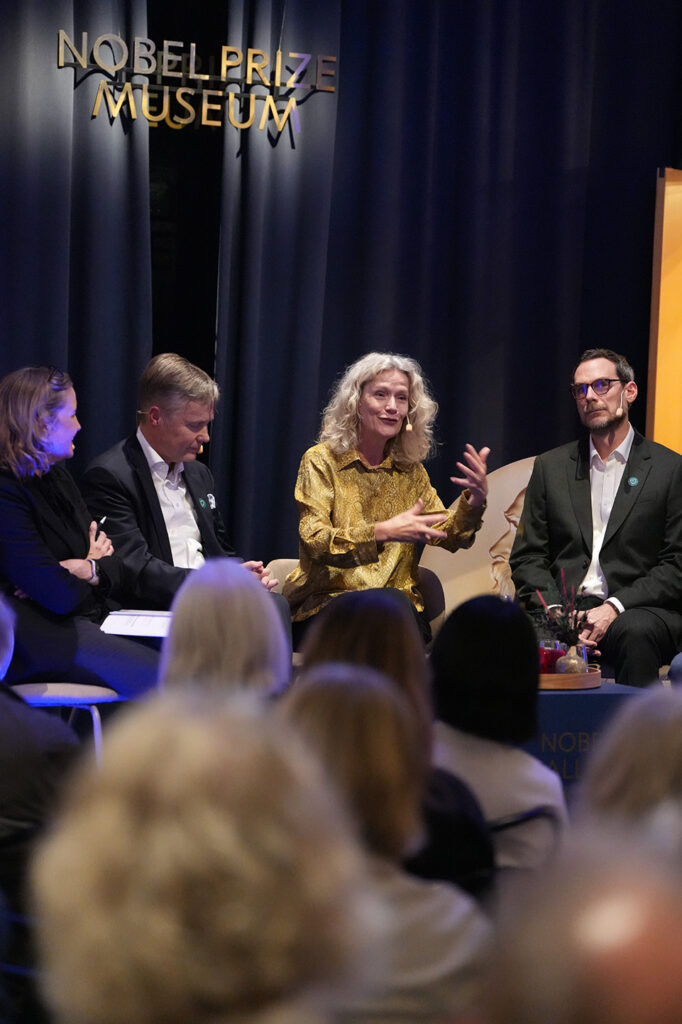
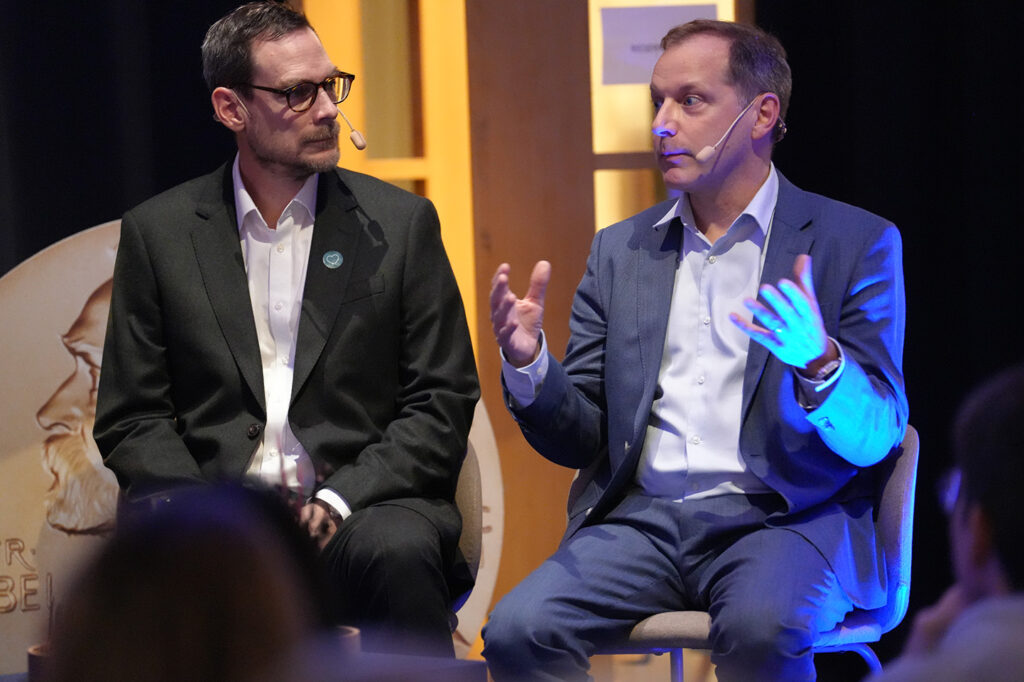
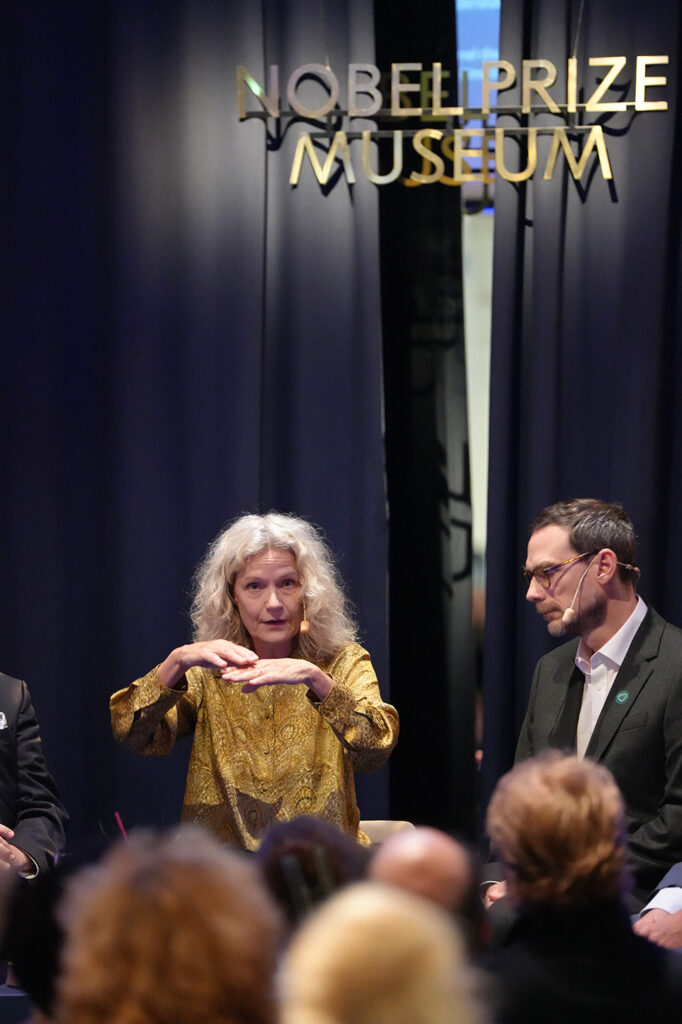
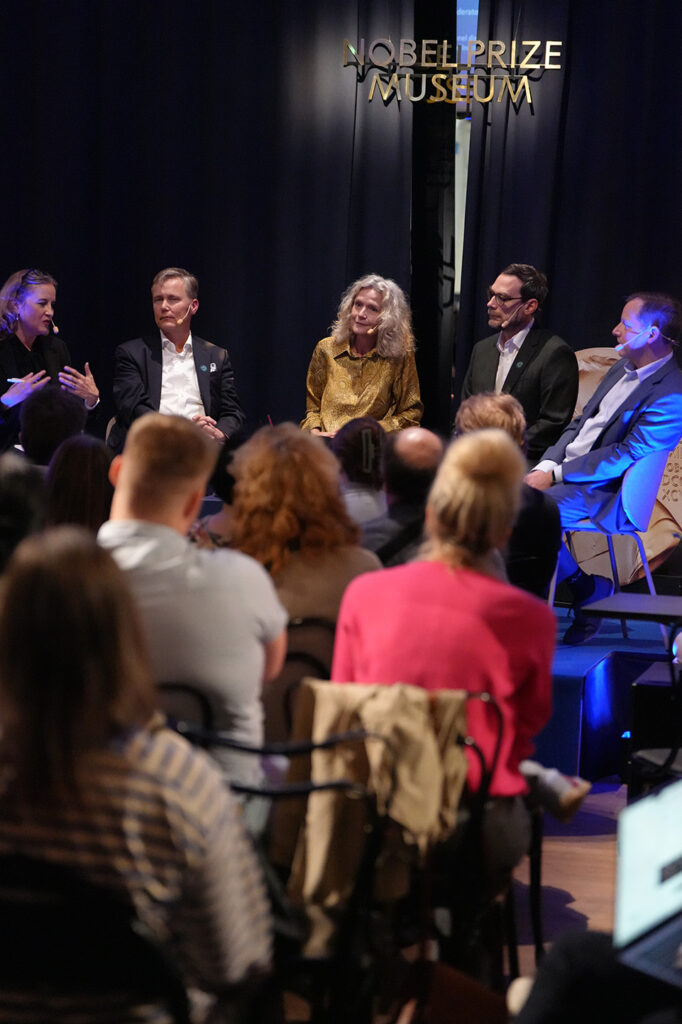
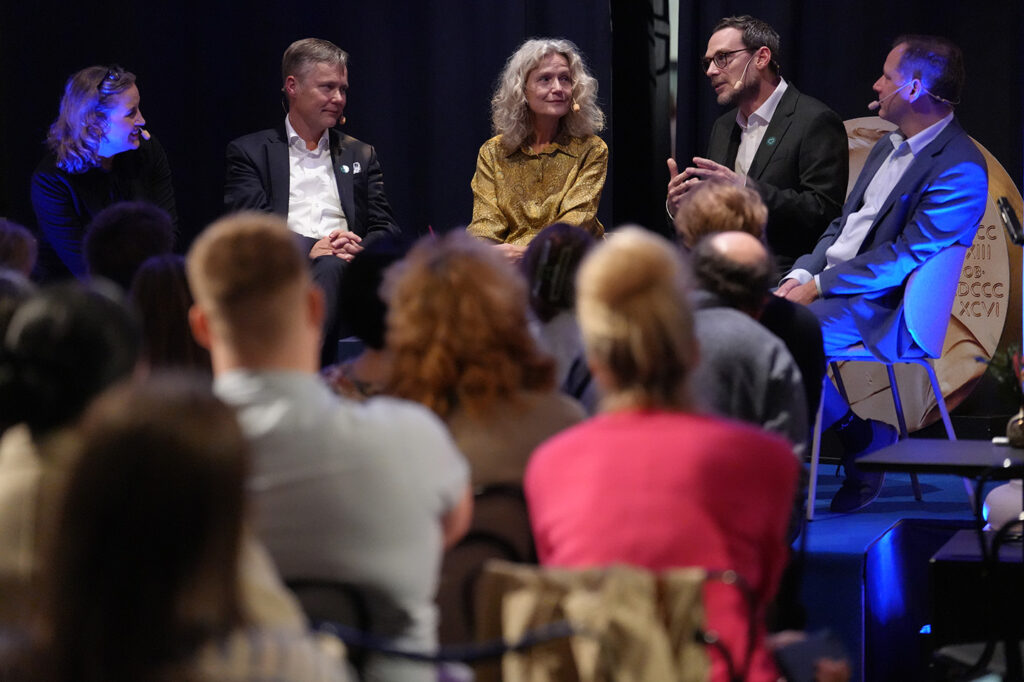
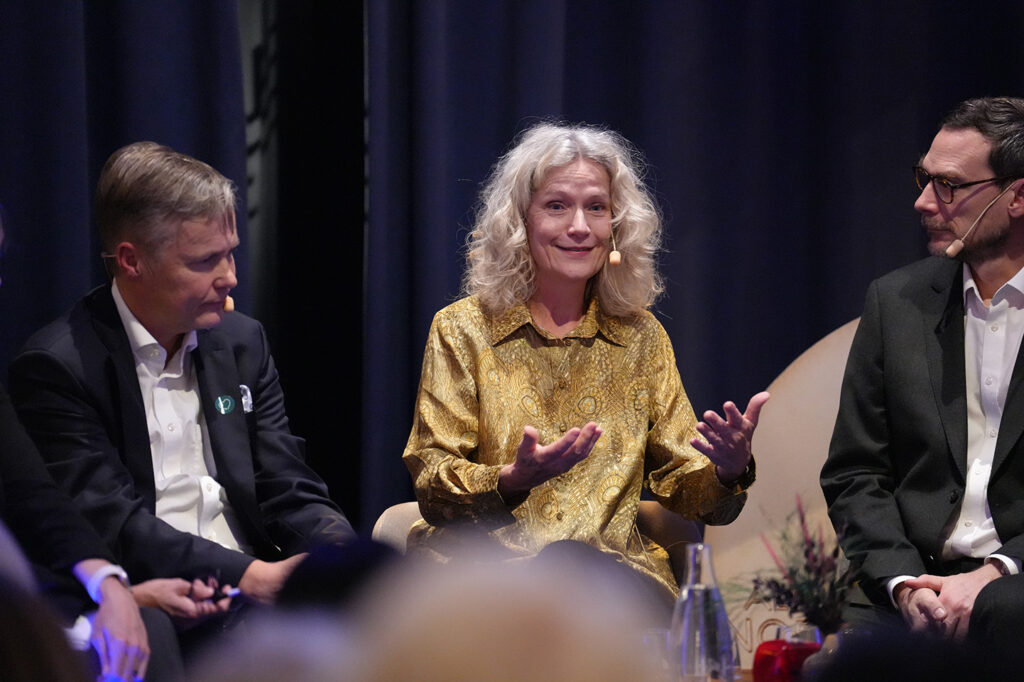
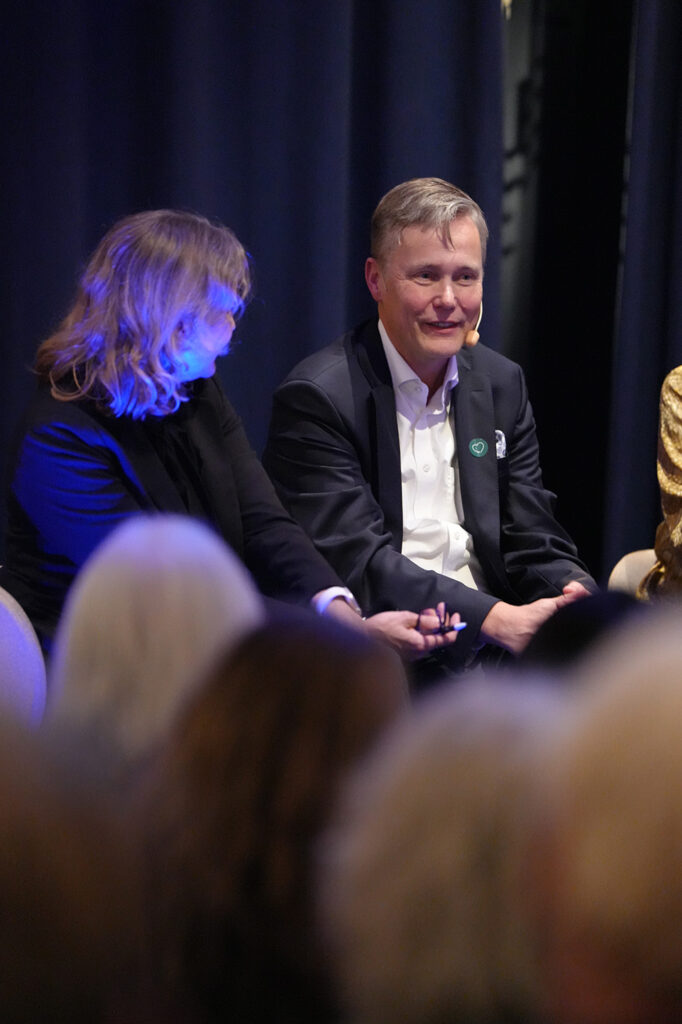
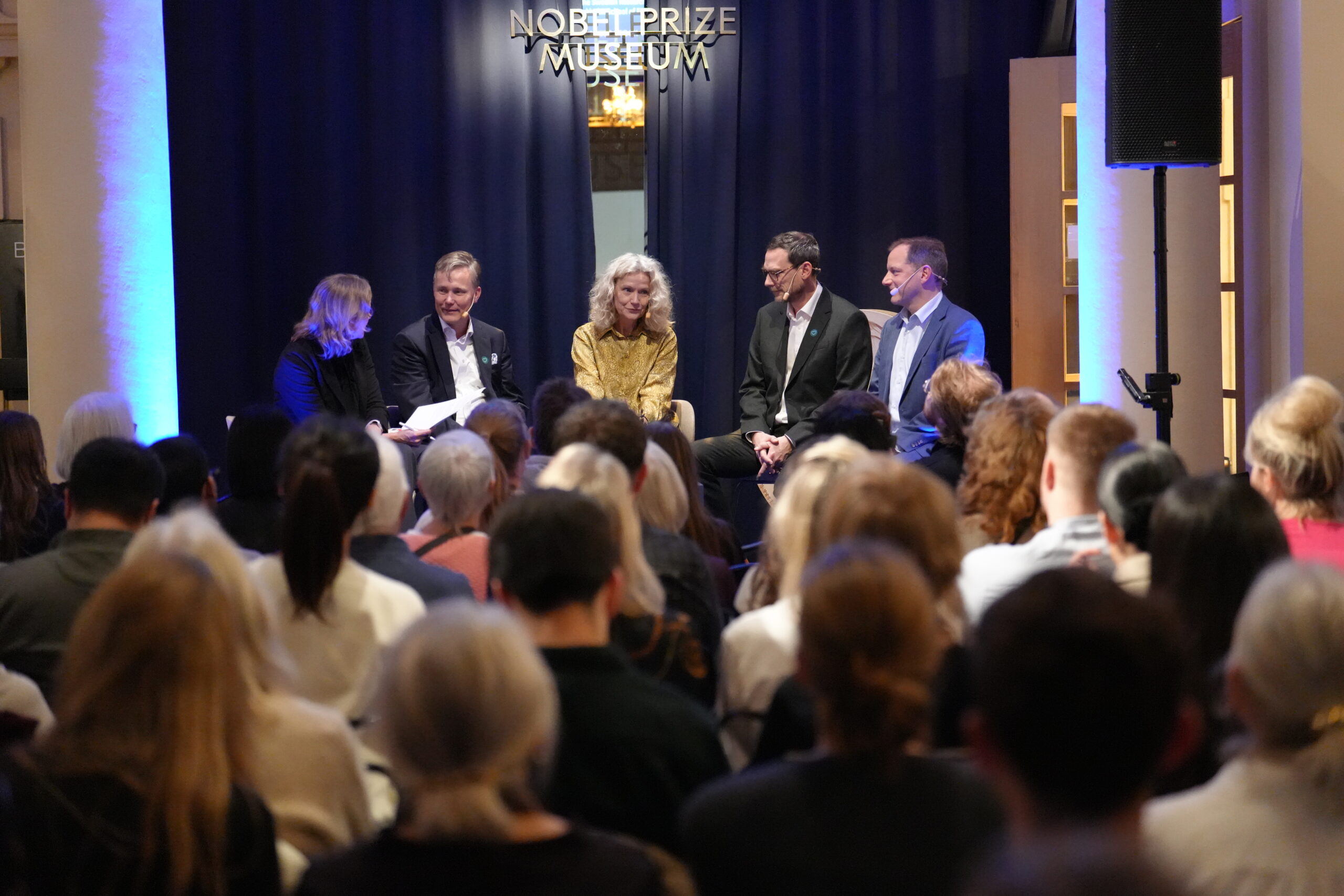
That question was at the centre of a panel discussion at the Nobel Prize Museum in Stockholm on 5 October, bringing together researchers from KTH, Stockholm University, Stockholm School of Economics and Karolinska Institutet to discuss how AI may affect human skills, creativity and learning.
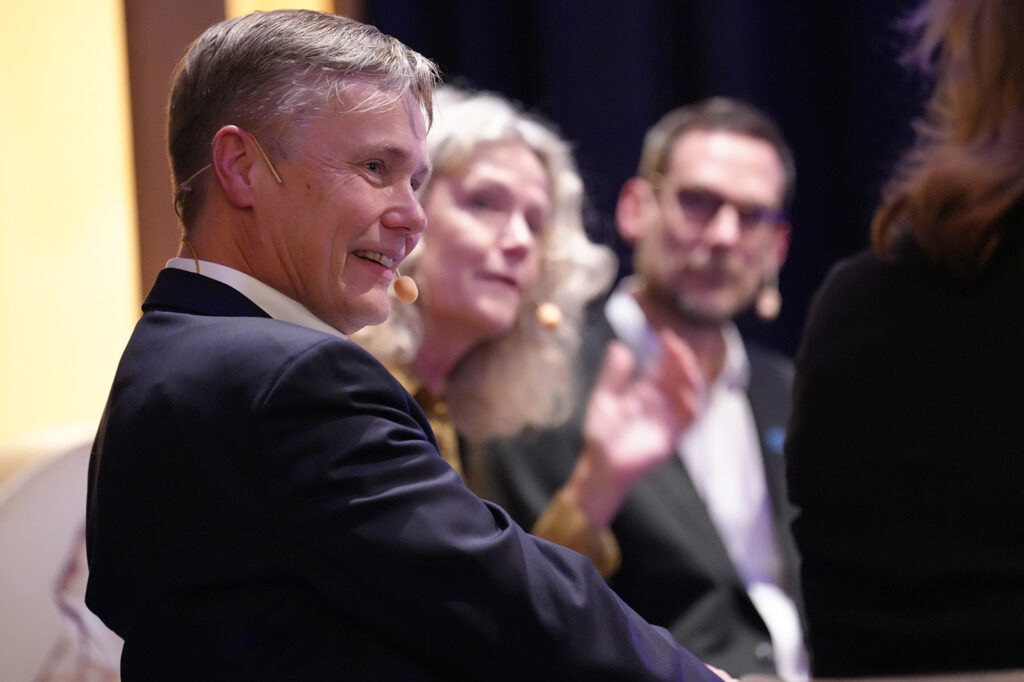
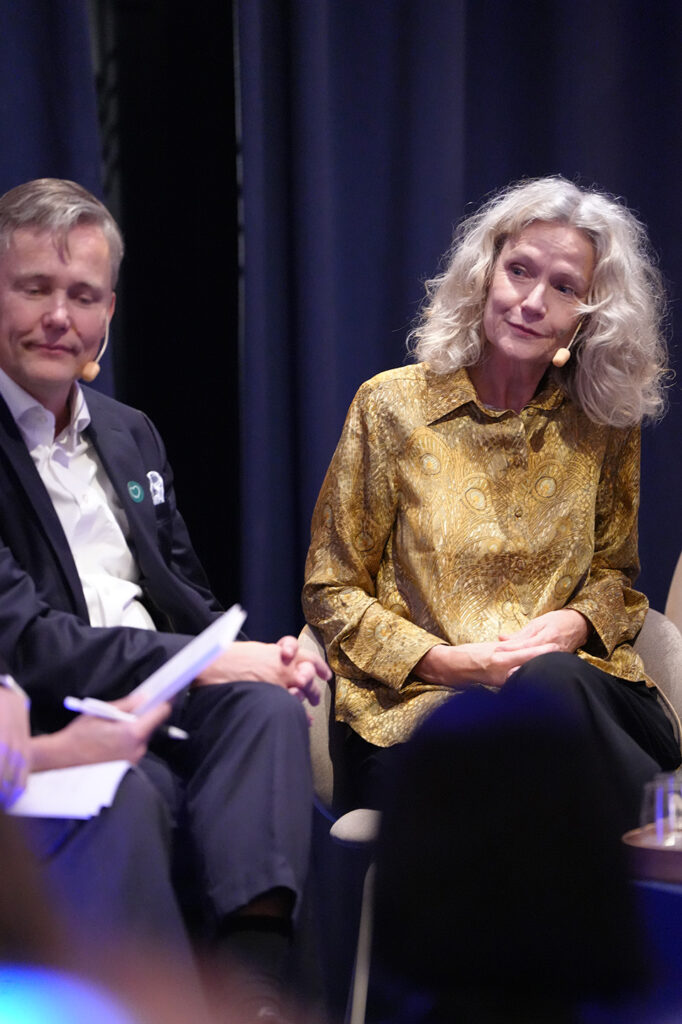
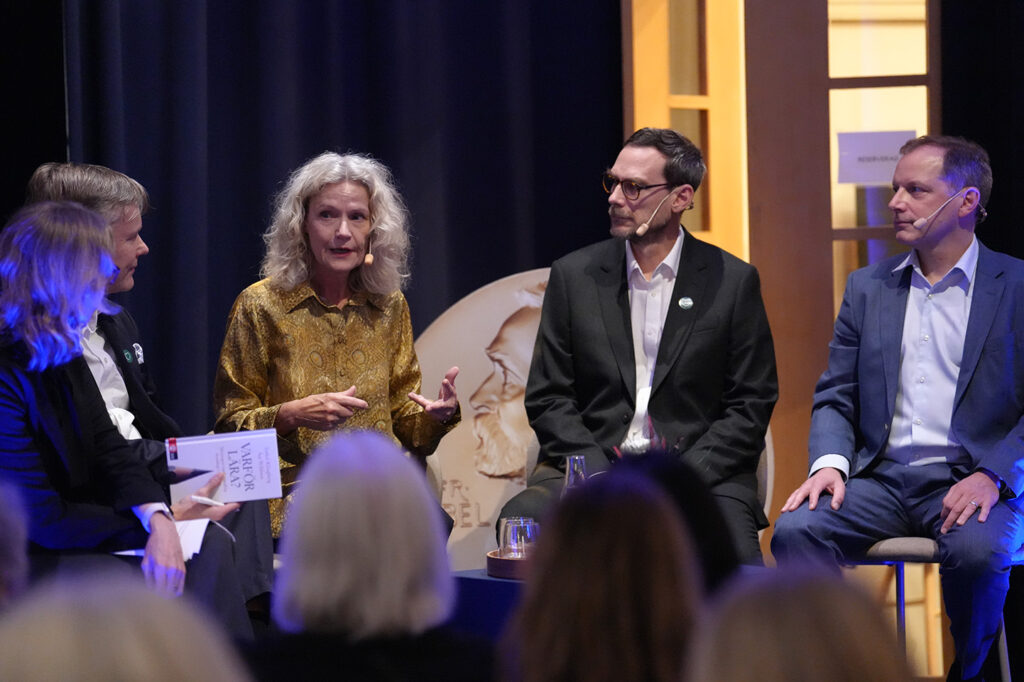
Among the panellists was Karl H Johansson, Professor of Control Engineering at KTH and Director of Digital Futures, together with Professor Åsa Wikforss from Stockholm University, Professor Stefan Haefliger from Stockholm School of Economics and Carl Savage, Senior Researcher at Karolinska Institutet. The discussion was moderated by Maja Fjaestad, Senior Advisor at Karolinska Institutet and Associate Professor of History of Technology.
What do we gain, and what might we lose?
AI can help people process information, automate tasks and find answers faster. But the discussion focused on the other side of that development: what happens to skills that we practise less when technology starts performing those tasks for us?
The panellists explored the potential effects on critical thinking, creativity and learning. Does instant access to AI-generated answers free us to become more innovative, or could it make our thinking more superficial?
For Johansson, the discussion also connected with his experience of teaching at KTH for 25 years. He reflected on differences between students arriving at university and those graduating four or five years later. While new students have less formal knowledge, they can sometimes bring a freshness of thought and creativity that challenges established ways of approaching problems.
Diversity of experience is an important part of that process. Bringing together people from different countries, cultures and disciplines means bringing different kinds of knowledge and perspectives into the conversation. AI could potentially extend those networks further, giving more people access to knowledge and opportunities for interaction regardless of geography or background.
But greater access to knowledge raises another question: Does access to more intelligence necessarily make us more intelligent?
What should remain human?
A recurring theme in the conversation was the importance of continuing to exercise human capabilities even when technology can perform some of the same tasks.
Meeting, talking, writing and thinking all have value beyond the immediate result they produce. Writing, for example, is not simply a way of producing text. It can also be a way of developing and clarifying thought.
The discussion therefore highlighted a distinction between using AI to extend human capabilities and allowing it to replace activities through which those capabilities are developed.
There may already be signs of a countertrend. Wikforss noted renewed interest among students in writing by hand and a desire for physical meetings and experiences away from technology. Rather than simply representing nostalgia, such behaviours could reflect a growing awareness of skills people do not want to lose.
Creativity in the age of generative AI
Creativity was another central topic. Generative AI can produce text and ideas by drawing on vast amounts of existing material, but the discussion questioned whether human creativity can be understood simply as recombining what already exists.
Human creativity can also be disruptive, intuitive and unpredictable. It is shaped not only by knowledge, but by experience, emotion and interaction with other people. This raises a fundamental question about which aspects of creativity AI might reproduce and which may remain distinctly human.
Ultimately, the discussion suggested that asking whether AI makes us “stupid” may be too narrow. The bigger issue is how we choose to use increasingly capable technologies and which activities we deliberately continue to practise ourselves.
AI and the future of human expertise
For Digital Futures, the conversation connects to a broader question at the heart of digital transformation: How can technology enhance human capabilities while preserving the skills, expertise and agency that matter most?
Rather than focusing only on whether AI will replace human abilities, the challenge is to understand how humans and AI can work together, and how technologies can be designed and used in ways that strengthen rather than diminish human capabilities.
The discussion was part of Nobel Calling Stockholm, 5–12 October 2026, and was held in English at the Nobel Prize Museum in Stockholm.
Text: Johanna Gavefalk
Photo: Anette Gärdeklint Sylla