About the project
Objective
AURAS aims to develop and validate a catheter-deployable intravascular digital sensing platform for continuous monitoring of valvular function through synchronized acoustic and ECG signals. The project will first develop an intravascular sensing unit capable of acquiring high-fidelity acoustic and ECG signals within the cardiovascular system and characterize its performance under physiologically relevant conditions. It will combine advanced signal processing, multimodal data analysis and machine learning to identify novel digital biomarkers of valve dysfunction and characterize different pathological conditions. Finally, the integrated technology will be validated in large-animal models against multimodal clinical reference measurements, assessing its feasibility, robustness and potential for early detection of valvular dysfunction.
Background
Advances in congenital heart disease care have led to a rapidly growing population of adults living with lifelong cardiovascular conditions that require continuous surveillance. In particular, patients with congenital or early-onset valvular disease may experience progressive deterioration of valve function, including stenosis, regurgitation, leaflet stiffening and calcification. This deterioration may progress silently, without noticeable symptoms, until significant cardiac damage has occurred. Current clinical follow-up is largely based on periodic hospital assessments, including imaging and surface auscultation. However, these episodic measurements provide only snapshots of cardiac function and may miss early mechanical changes occurring between clinical visits. Existing implantable monitoring technologies predominantly focus on electrical activity and therefore provide limited information about the mechanical behaviour of heart valves.
AURAS addresses this gap by exploring a new approach to continuous cardiovascular monitoring. The project will combine high-fidelity intravascular acoustic sensing with synchronized ECG measurements to capture both the electrical and mechanical aspects of cardiac function. Advanced signal processing and machine learning will then be used to identify digital signatures associated with valve function and dysfunction. By moving from episodic assessment towards continuous, data-driven monitoring, AURAS aims to establish the technological foundations for earlier detection of silent valve deterioration and more personalized cardiovascular surveillance.
About the Digital Futures Postdoc Fellow
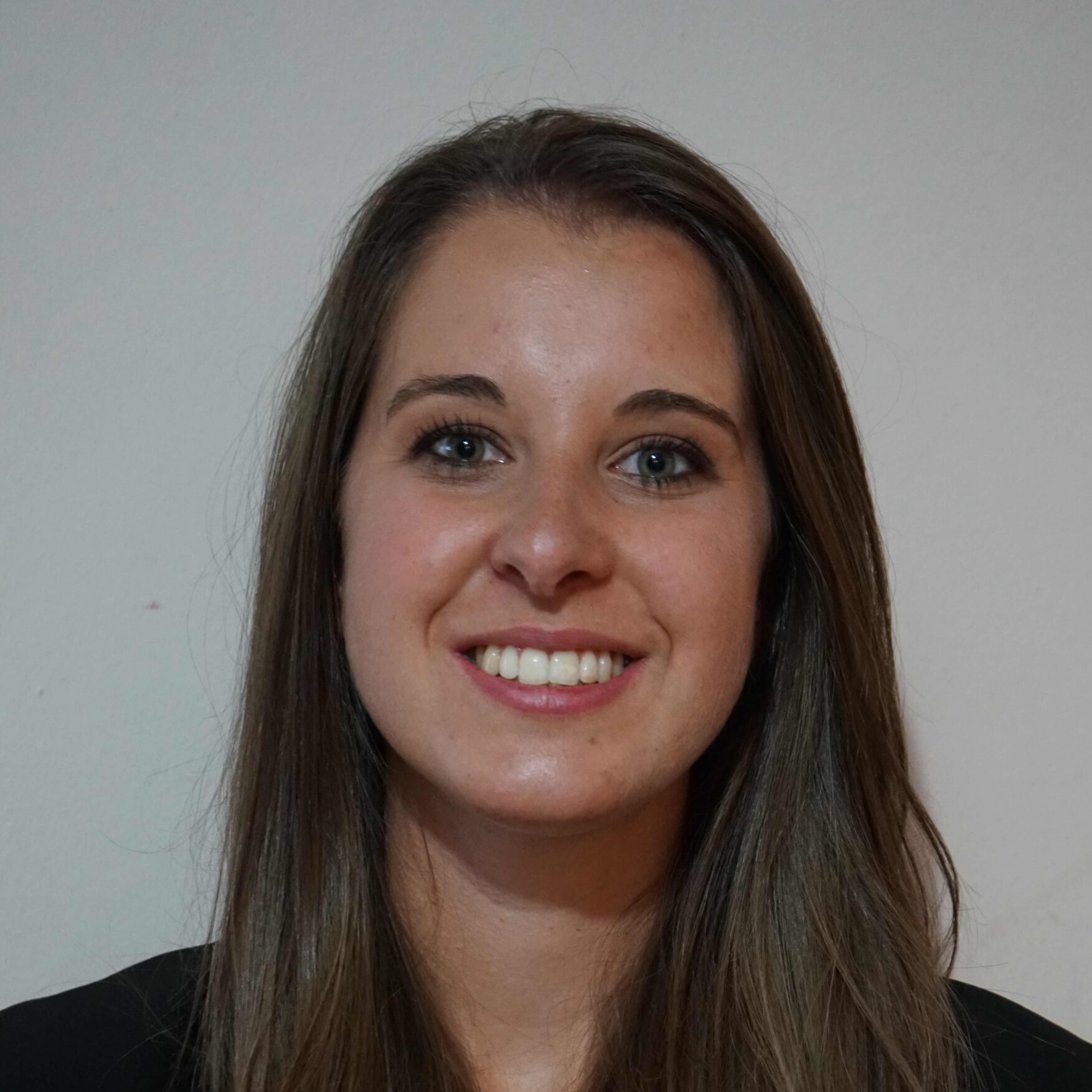
Federica Semproni is a biomedical engineer and postdoctoral researcher at the Department of Biomedical Engineering and Health Systems at KTH. She received her B.Sc. and M.Sc. in Biomedical Engineering from Politecnico di Torino and her Ph.D. in BioRobotics from Scuola Superiore Sant’Anna, all with honours.
Her research combines biomedical engineering, soft robotics, implantable technologies, and data-driven approaches to develop minimally invasive systems for physiological monitoring and intervention. During her M.Sc., she conducted research at Harvard Medical School, where she developed expertise in artificial intelligence and machine learning. Her Ph.D. focused on soft robotic technologies for artificial organs, with particular emphasis on implantable sensing and actuation systems for artificial urinary bladders, from prototyping to in vivo validation. As a visiting Ph.D. researcher at Stanford University, she further developed her expertise in cardiovascular applications, working on implantable sensing and electrohydraulic actuation for cardiovascular monitoring and circulatory support.
At KTH, she brings these complementary experiences together to develop implantable technologies for continuous cardiac valve monitoring, bridging engineering innovation, AI-driven data analysis, and clinical needs.
Main supervisor
Seraina Dual, KTH Royal Institute of Technology.
Co-supervisors
Frank Niklaus, KTH Royal Institute of Technology.
Erica Zeglio, Stockholm University.