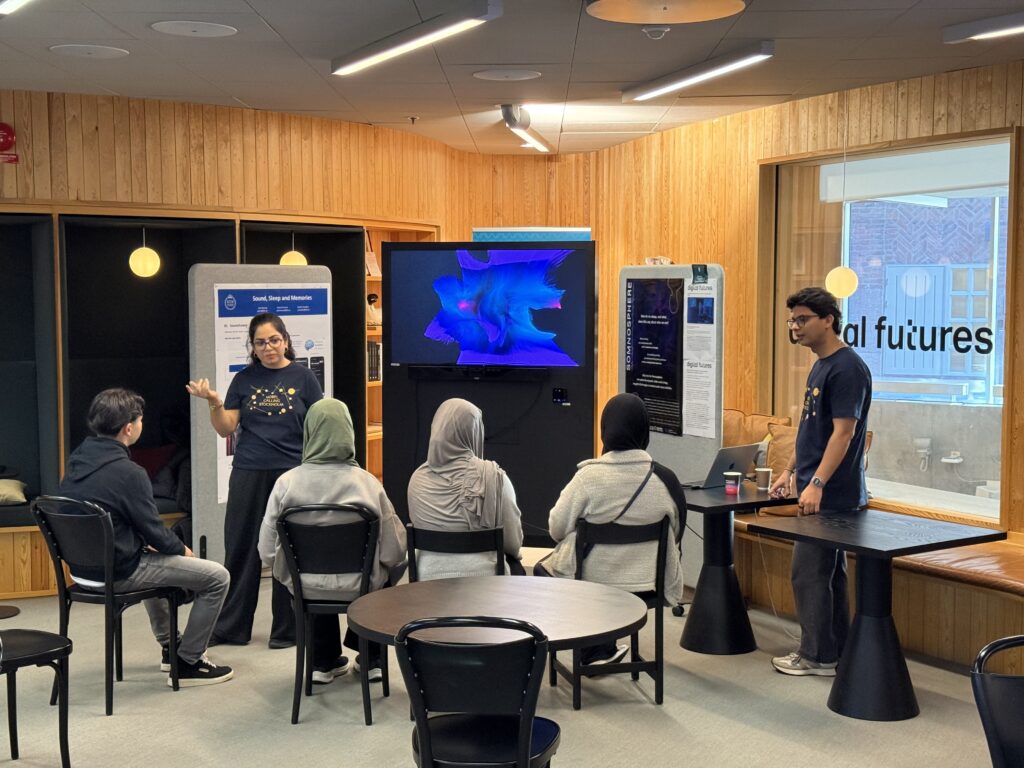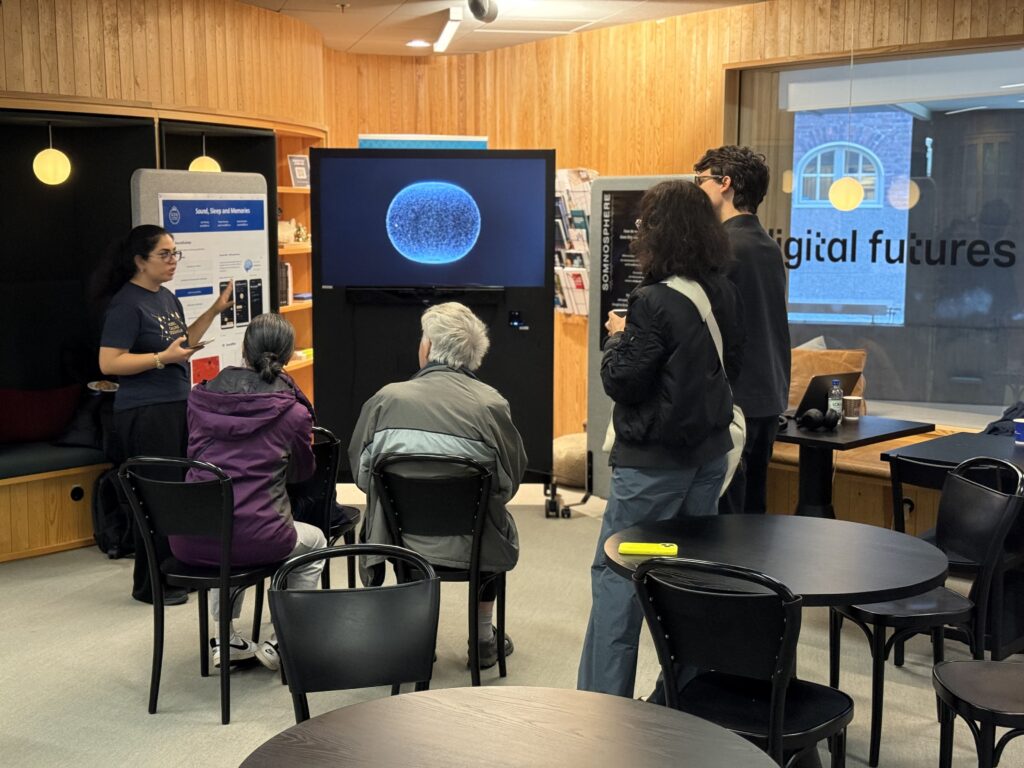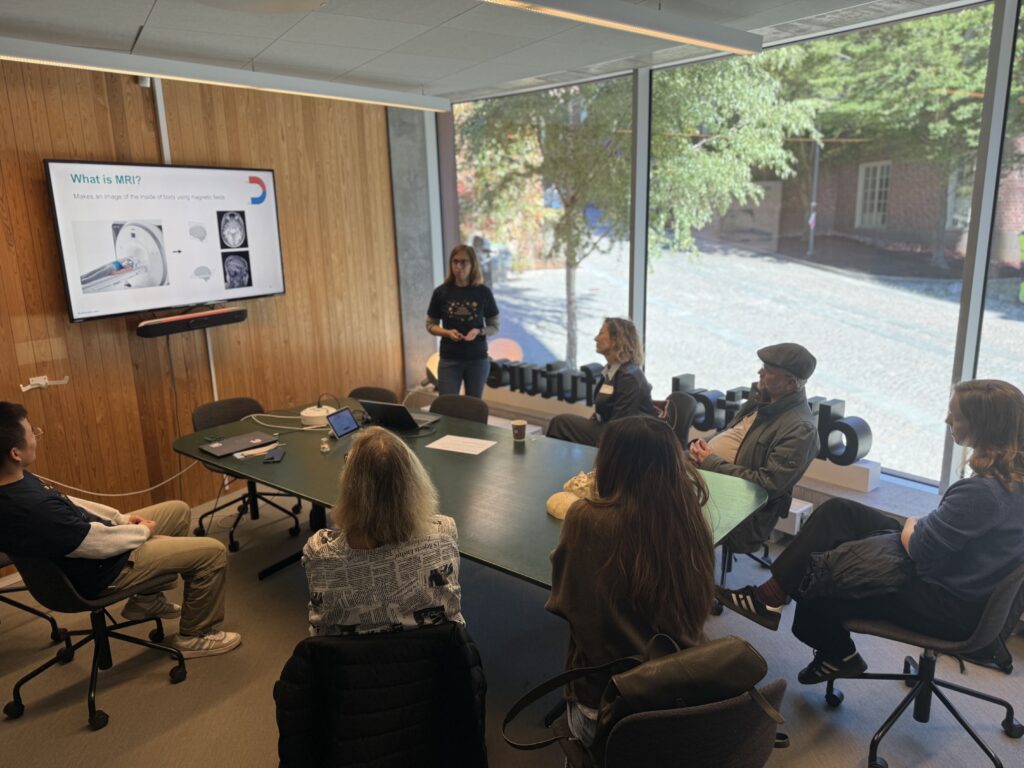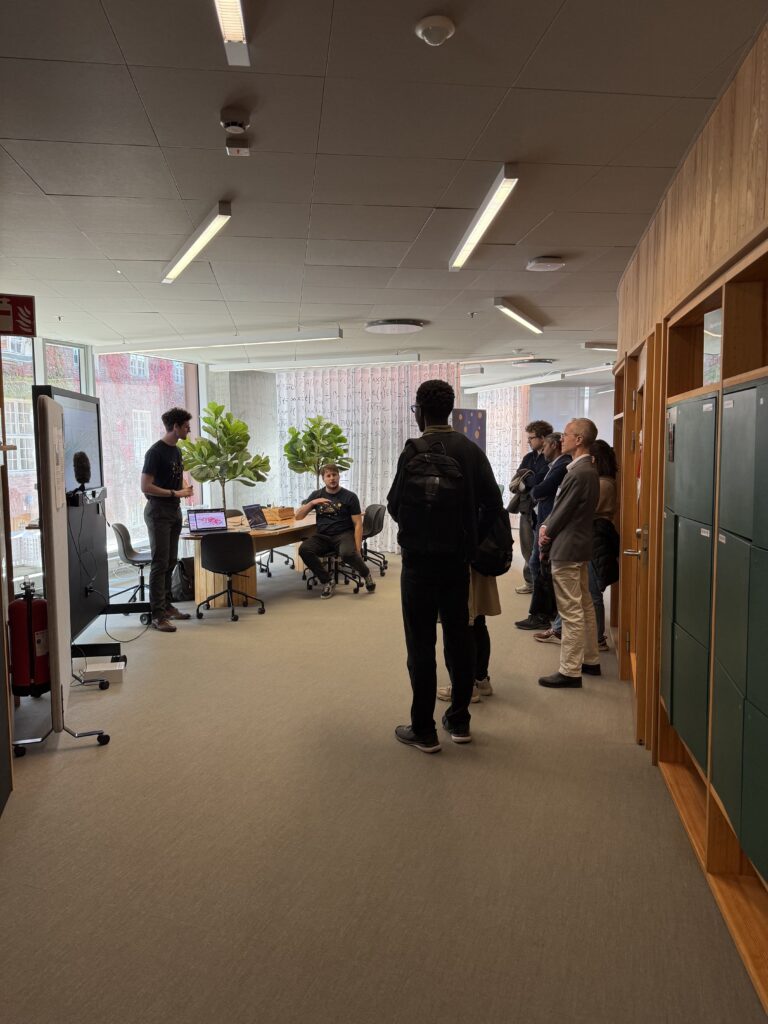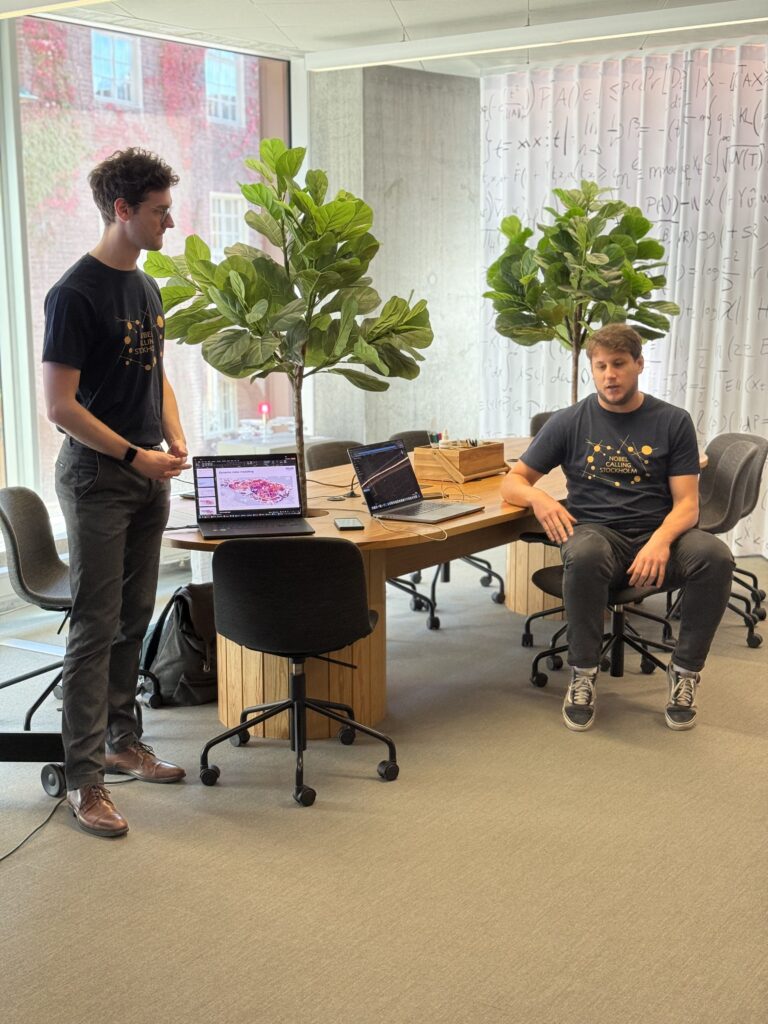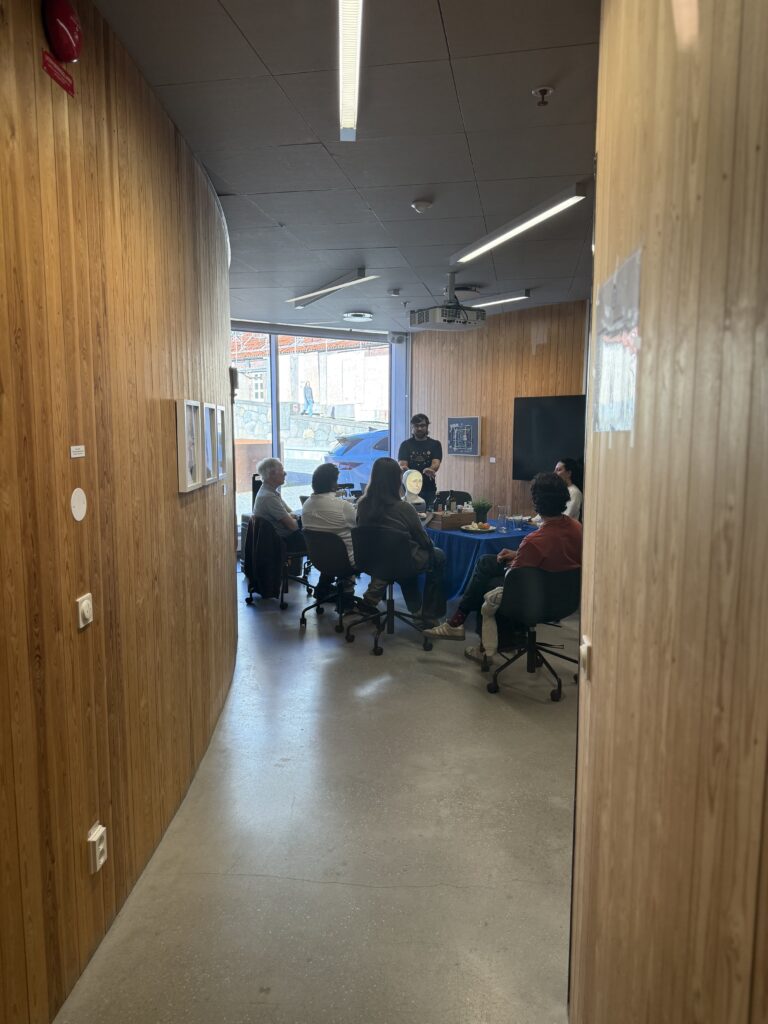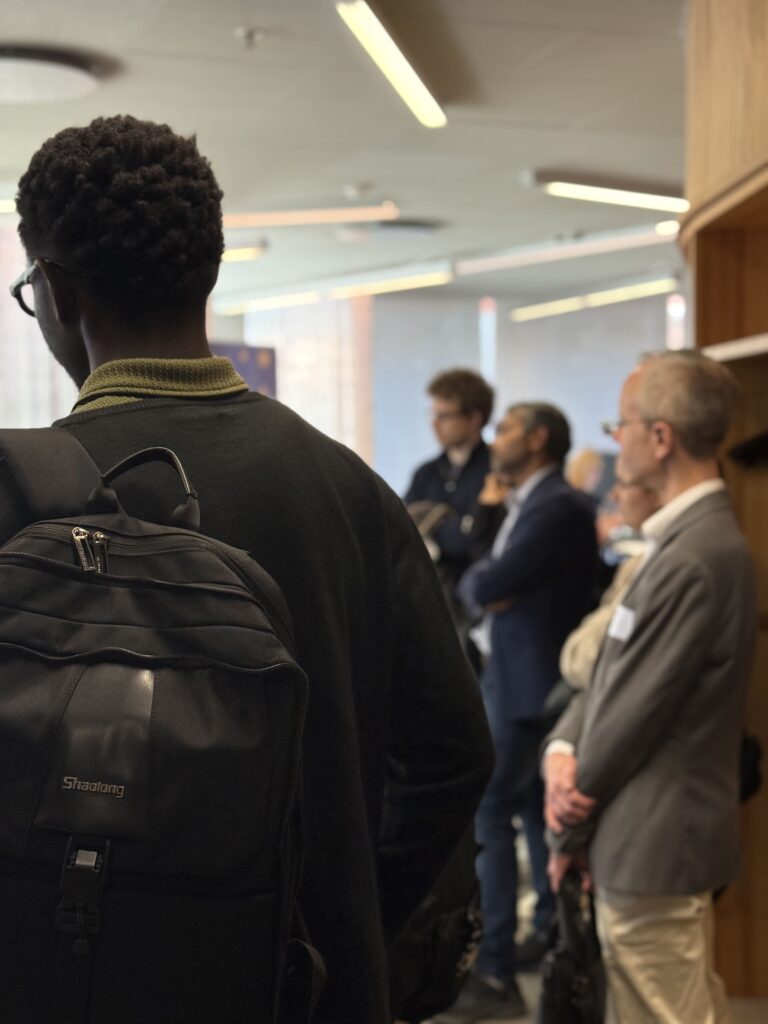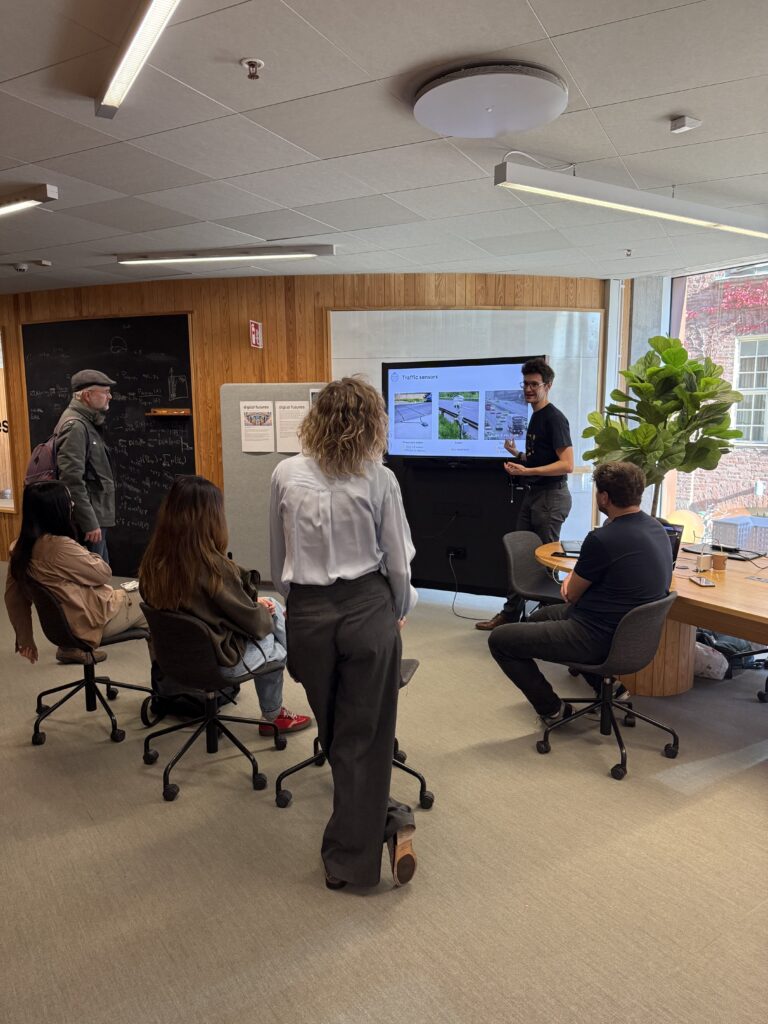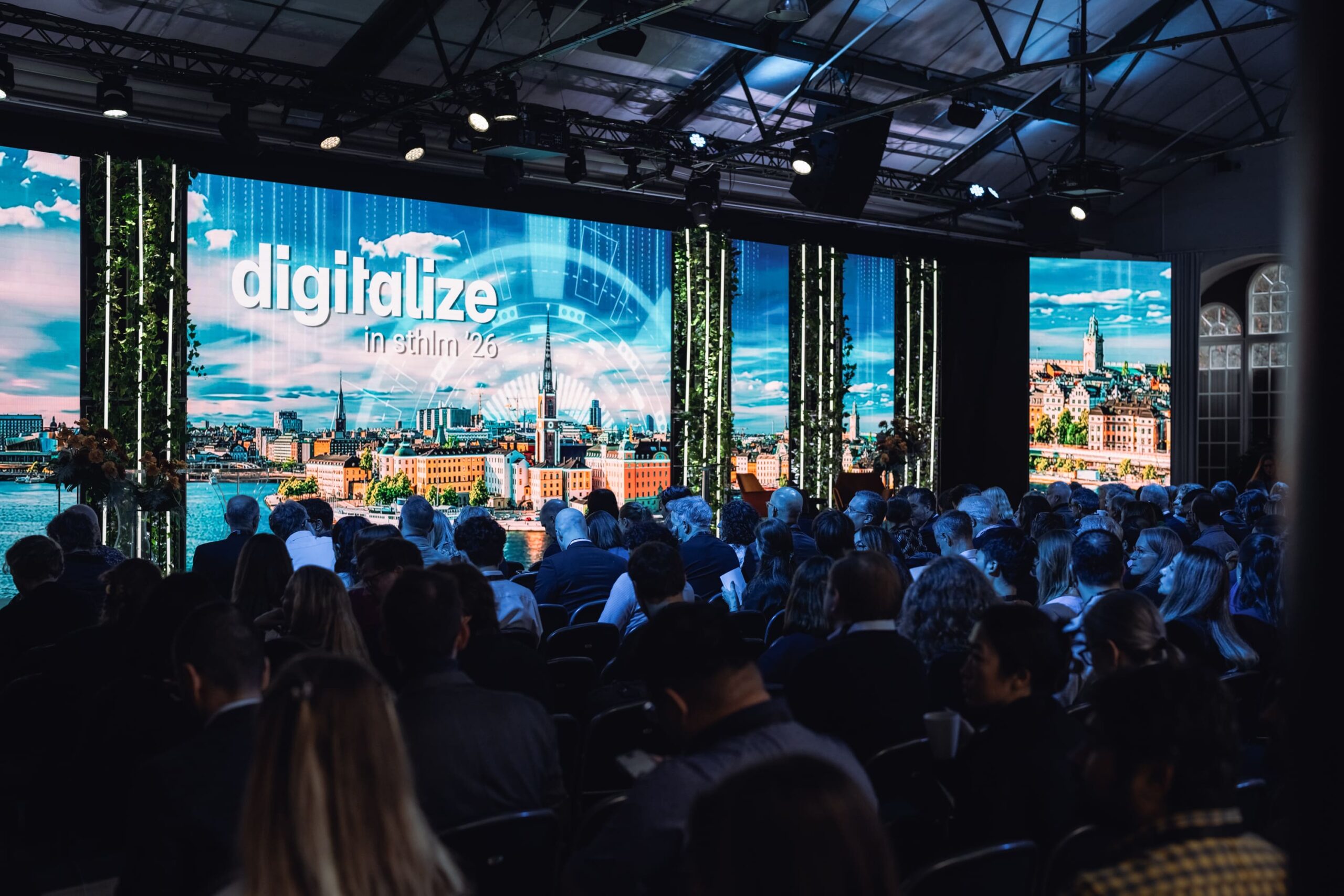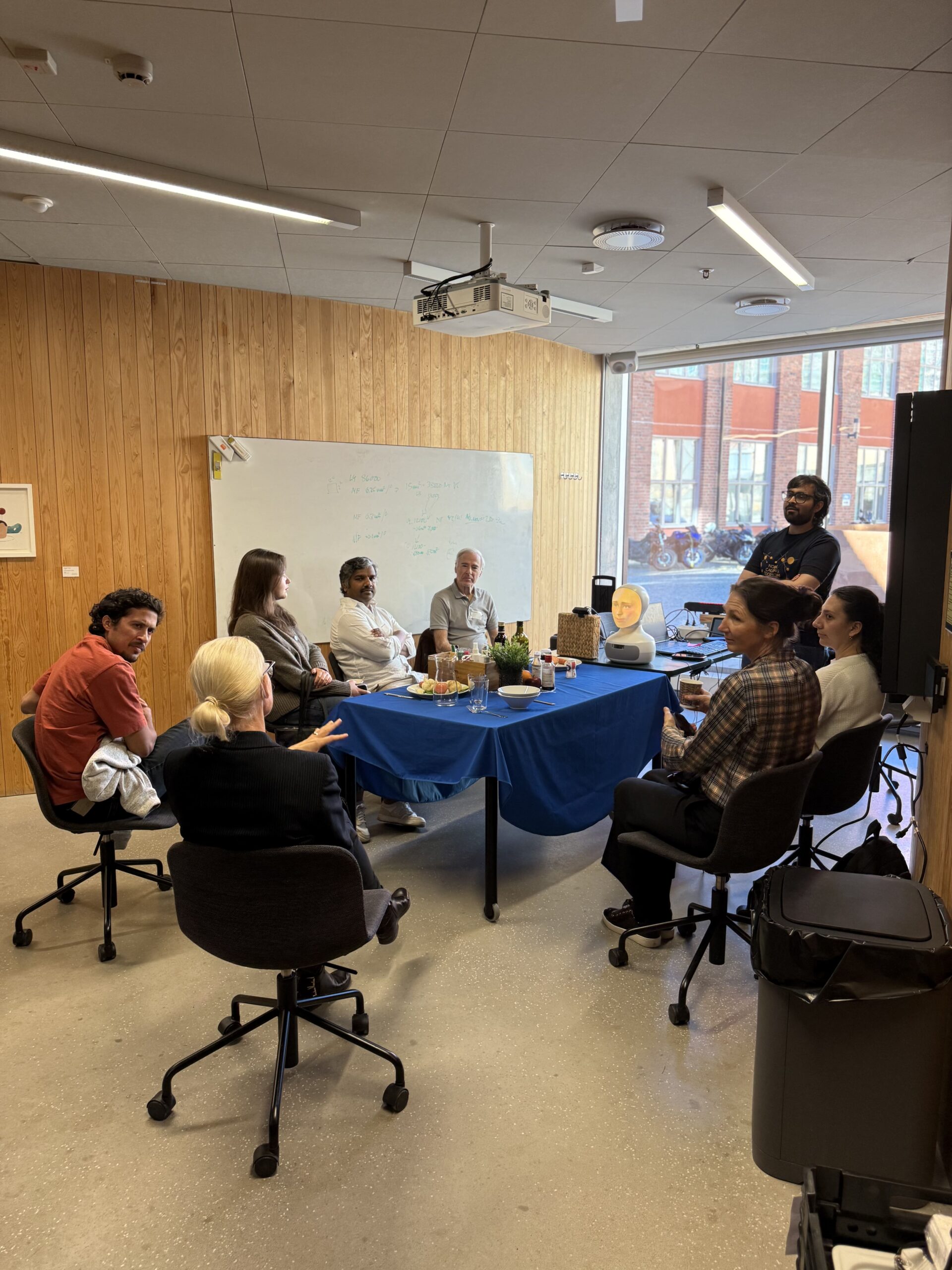
On 7 October, Digital Futures opened its doors to school students and the general public, offering a hands-on look at how AI and digital technologies are shaping the society of the future.
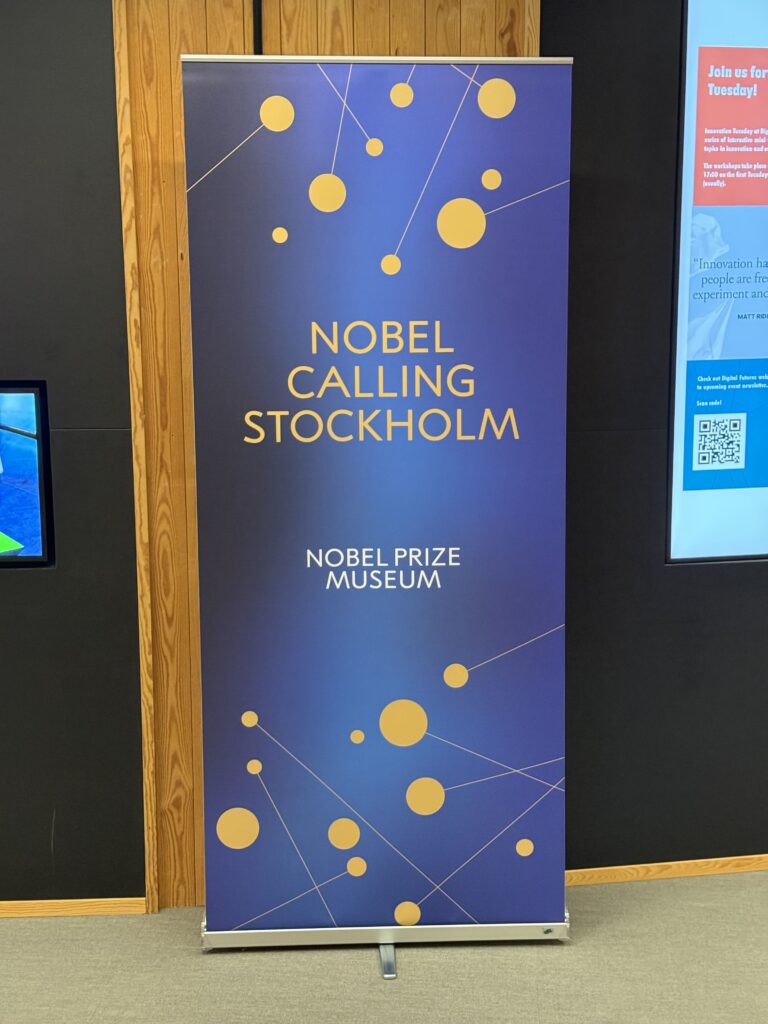
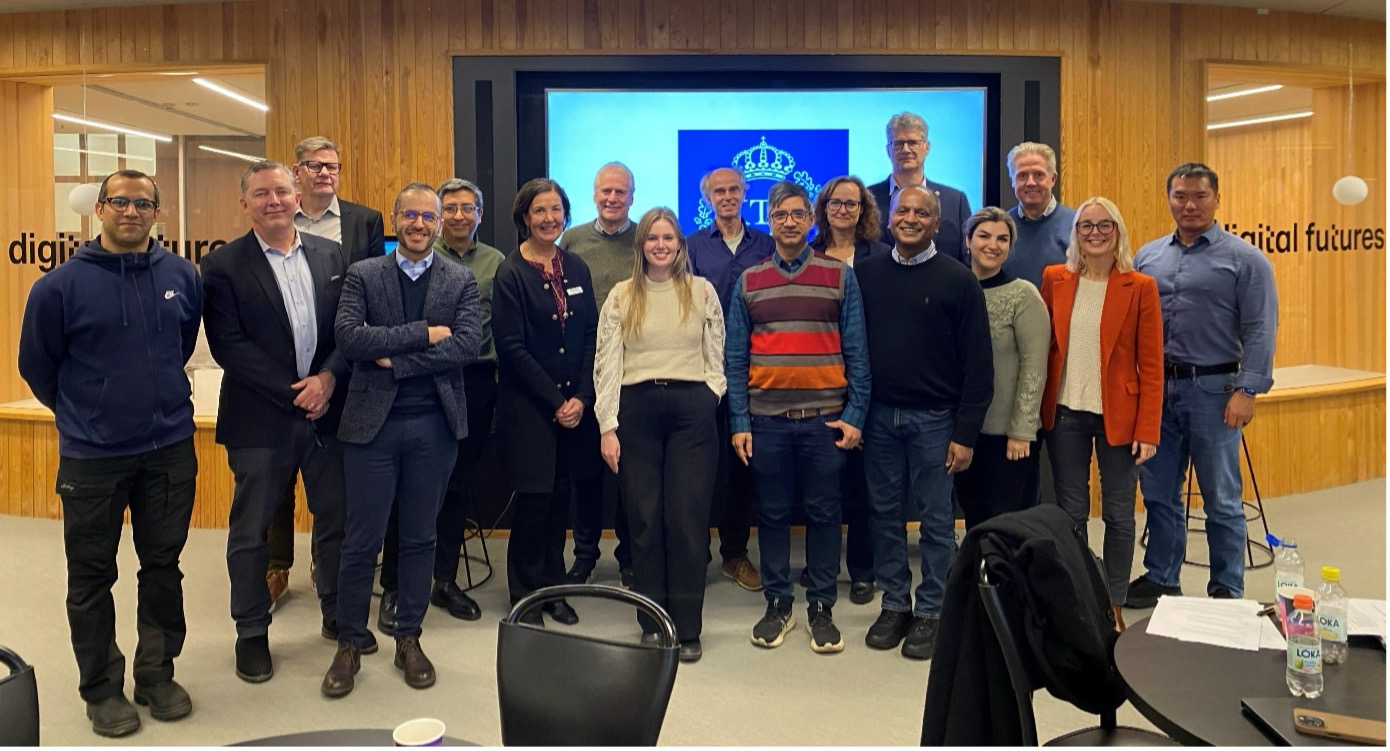
As part of Nobel Calling Stockholm 2026, Digital Futures welcomed visitors to its hub at KTH Royal Institute of Technology for a day of research demonstrations, interactive experiences and conversations about the role of technology in society.
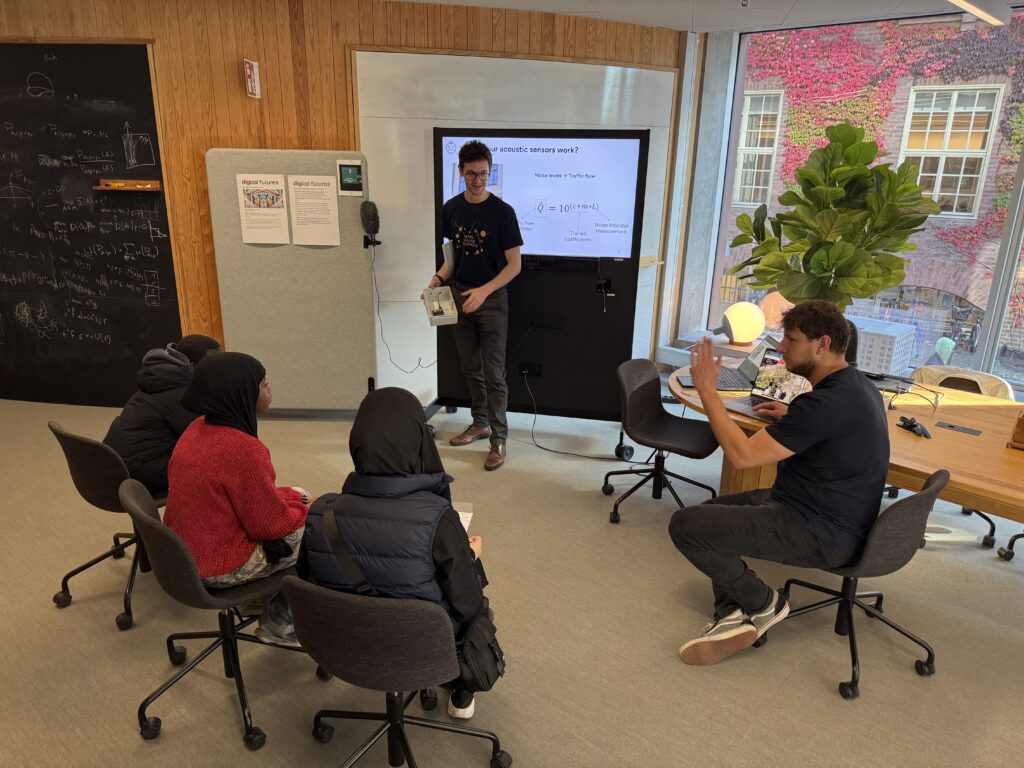
The morning was dedicated to a school visit from an eighth-grade class at Stockholm International Academy in Hägersten. The students had the opportunity to explore research that connects digital technology with real-world challenges and discover how today’s research could influence their future lives.
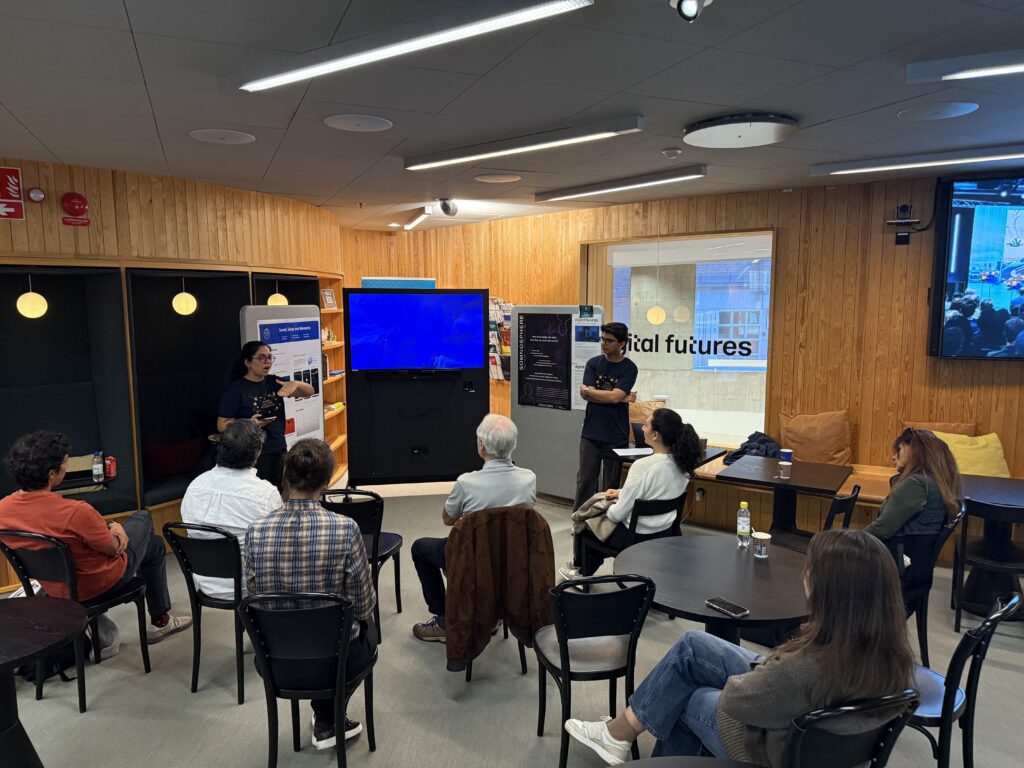
In the afternoon, Digital Futures welcomed members of the general public, inviting visitors to explore the research, ask questions and engage directly with the technologies and ideas being developed by researchers.
Exploring how technology can shape everyday life
The programme showcased a diverse range of research projects, demonstrating how AI, robotics and digital technologies can help address challenges in areas such as health, sustainability, mobility and urban development.
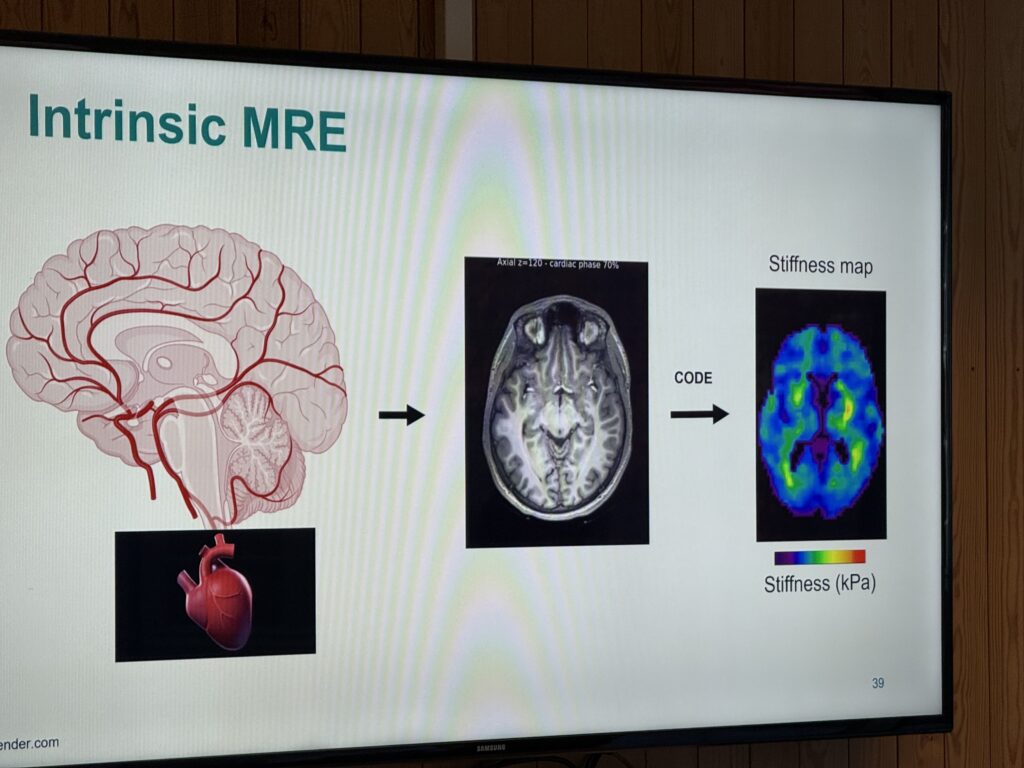
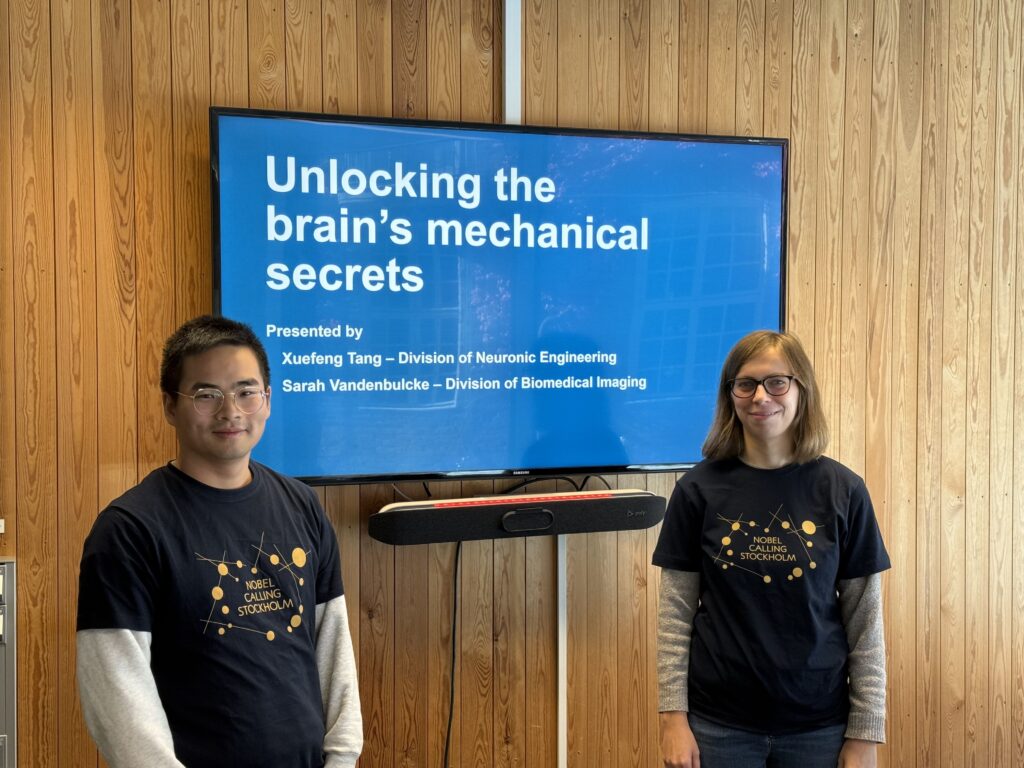
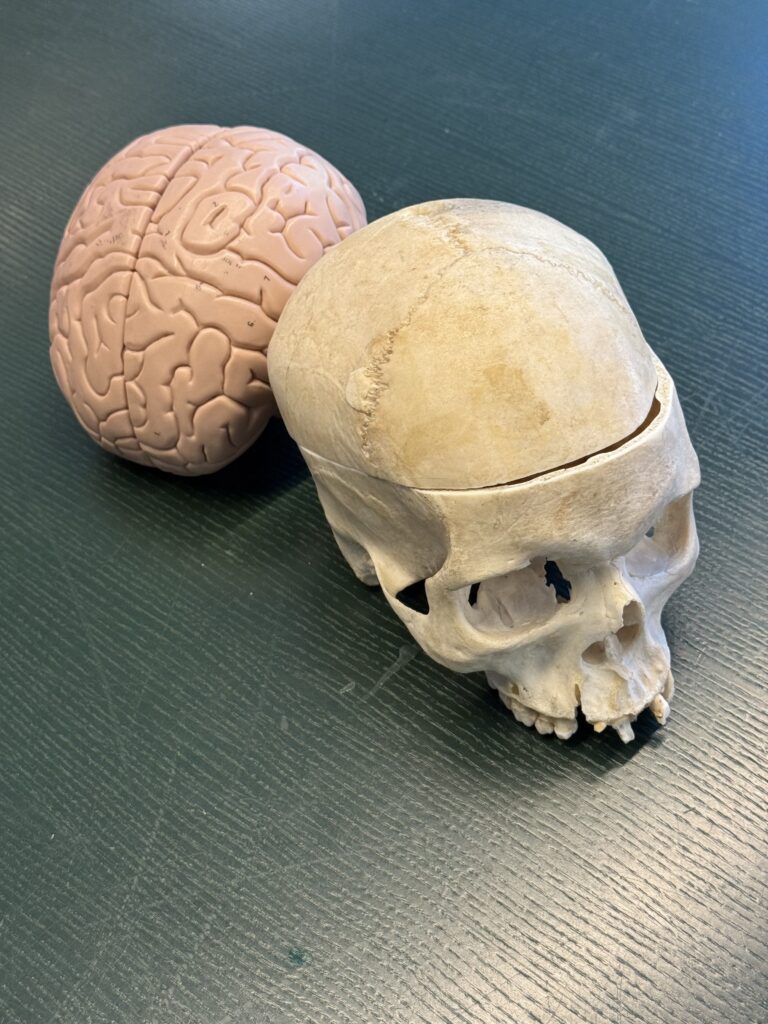
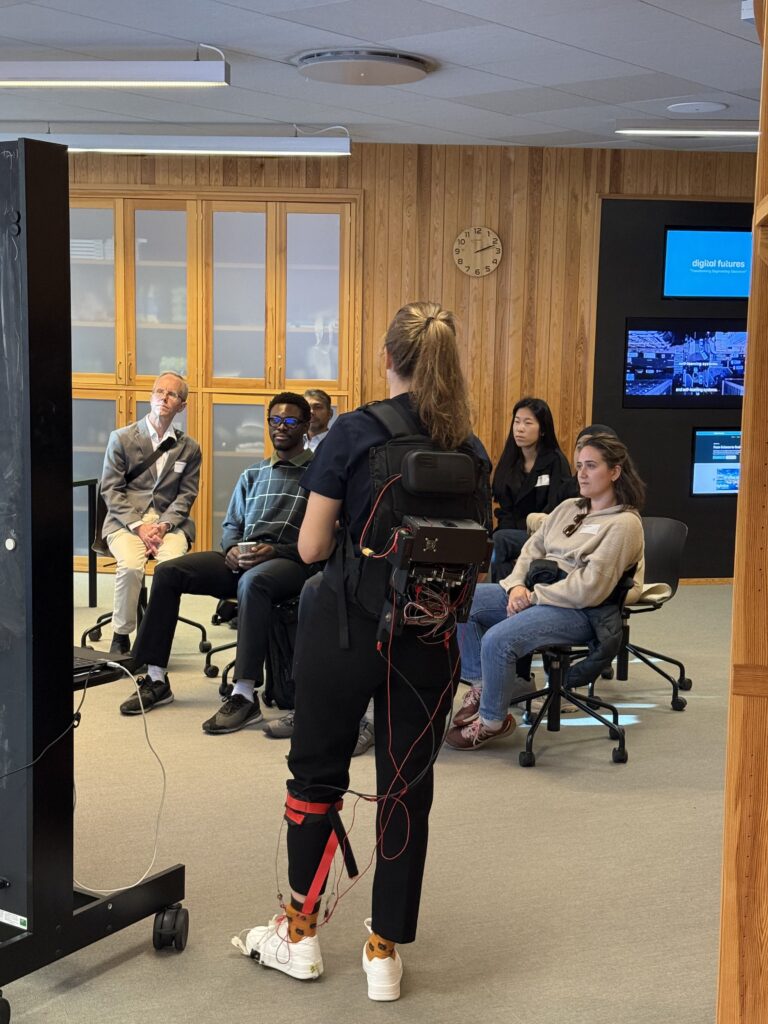
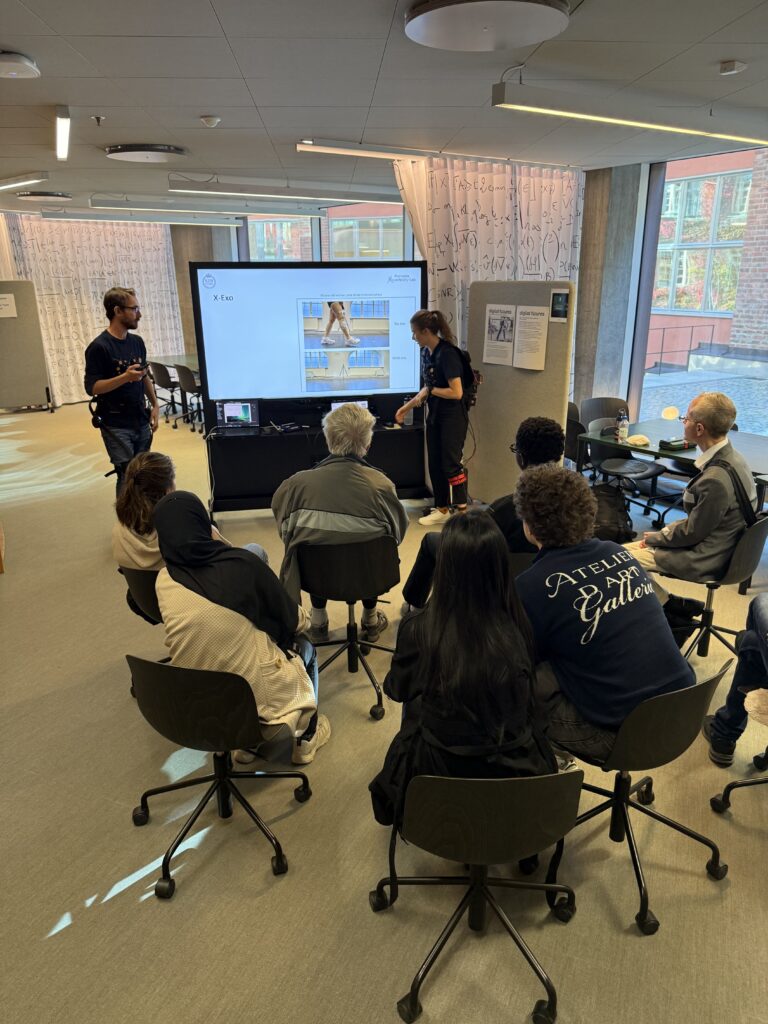
Visitors could discover how intelligent assistants might make homes more accessible, how personalised sounds could support sleep, and how wearable robotic exoskeletons could help people with mobility challenges. Other demonstrations explored how AI and sensors could contribute to cleaner, quieter cities, how digital technologies can help researchers better understand the brain, and how people might interact with drones in new ways.
Together, the demonstrations offered a glimpse into how interdisciplinary research can turn technological advances into solutions with potential benefits for individuals and society.
Connecting research and society
Nobel Calling Stockholm brings science and research closer to the public through events that encourage curiosity, dialogue and discovery. For Digital Futures, the occasion provided an opportunity to share ongoing research beyond academia and engage with people of different ages and backgrounds.
By welcoming both school students and members of the public, Digital Futures highlighted the importance of making research accessible and encouraging conversations about the opportunities and challenges that come with an increasingly digital society.
The day reflected the centre’s ambition to bring research, innovation and people together to help shape a sustainable society through digital transformation.