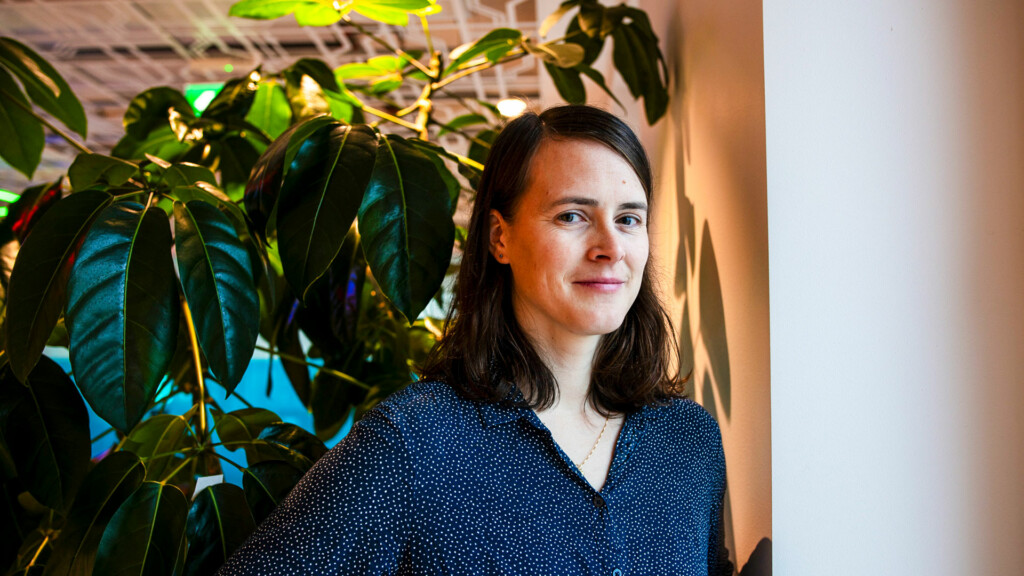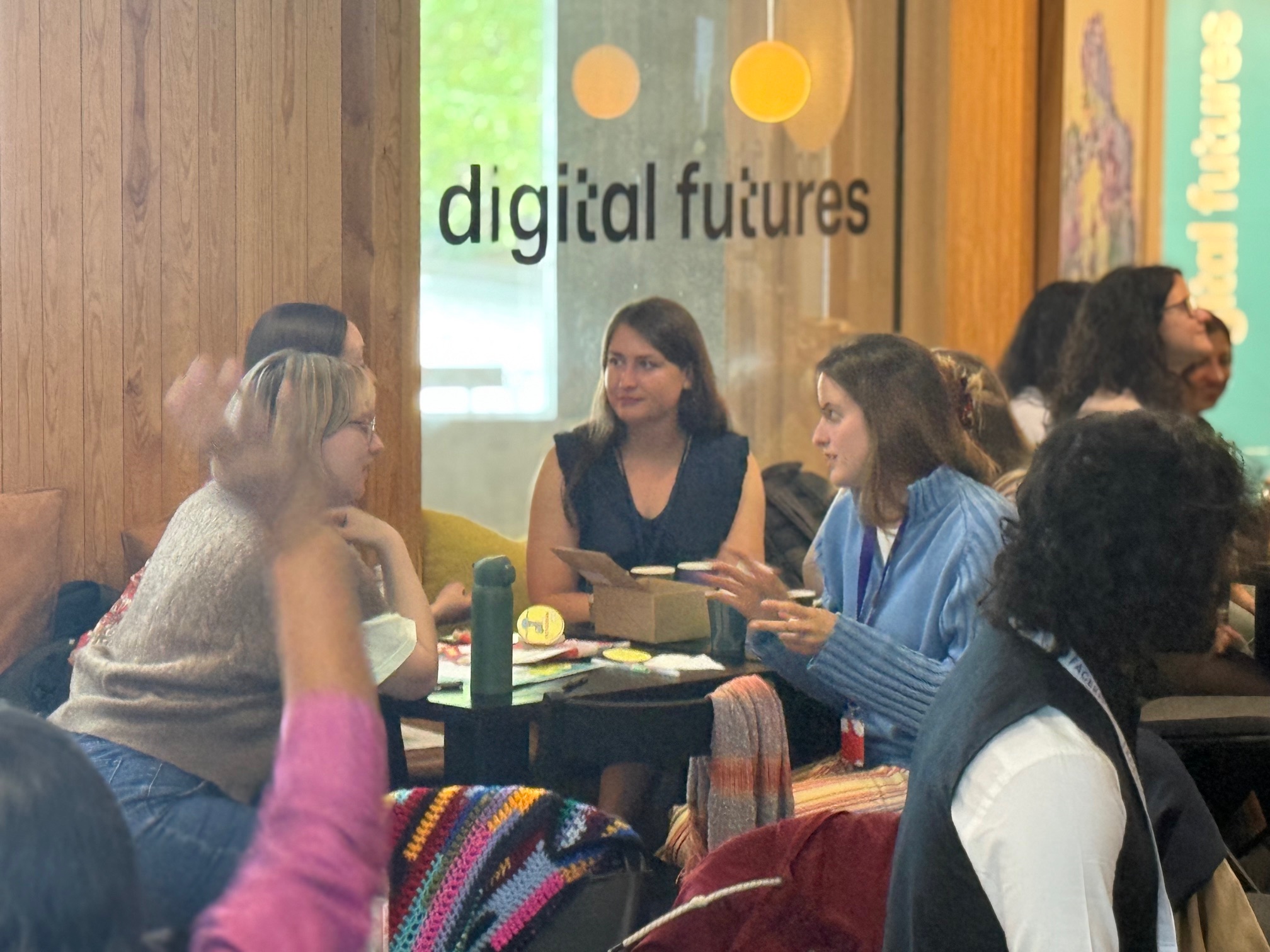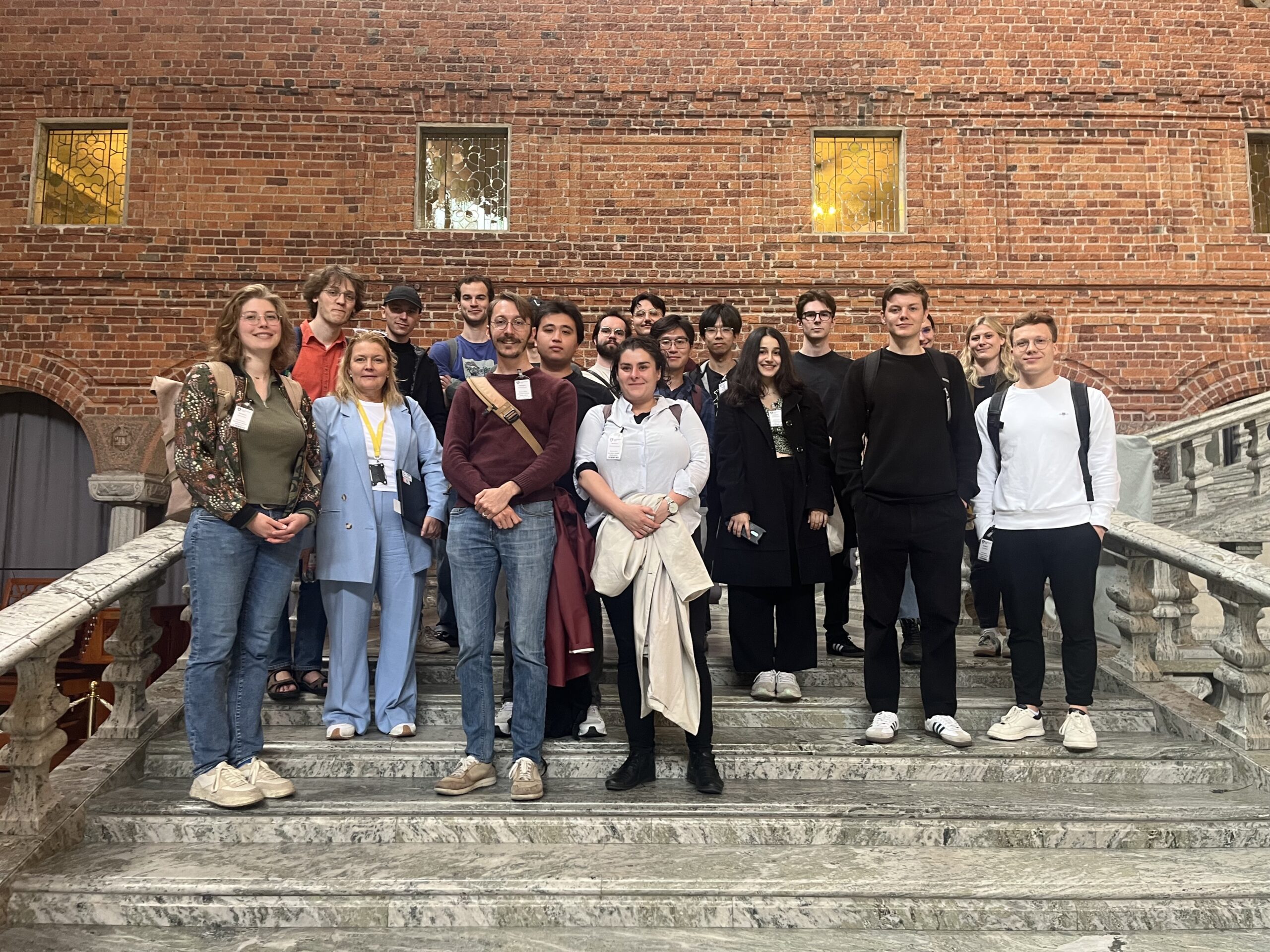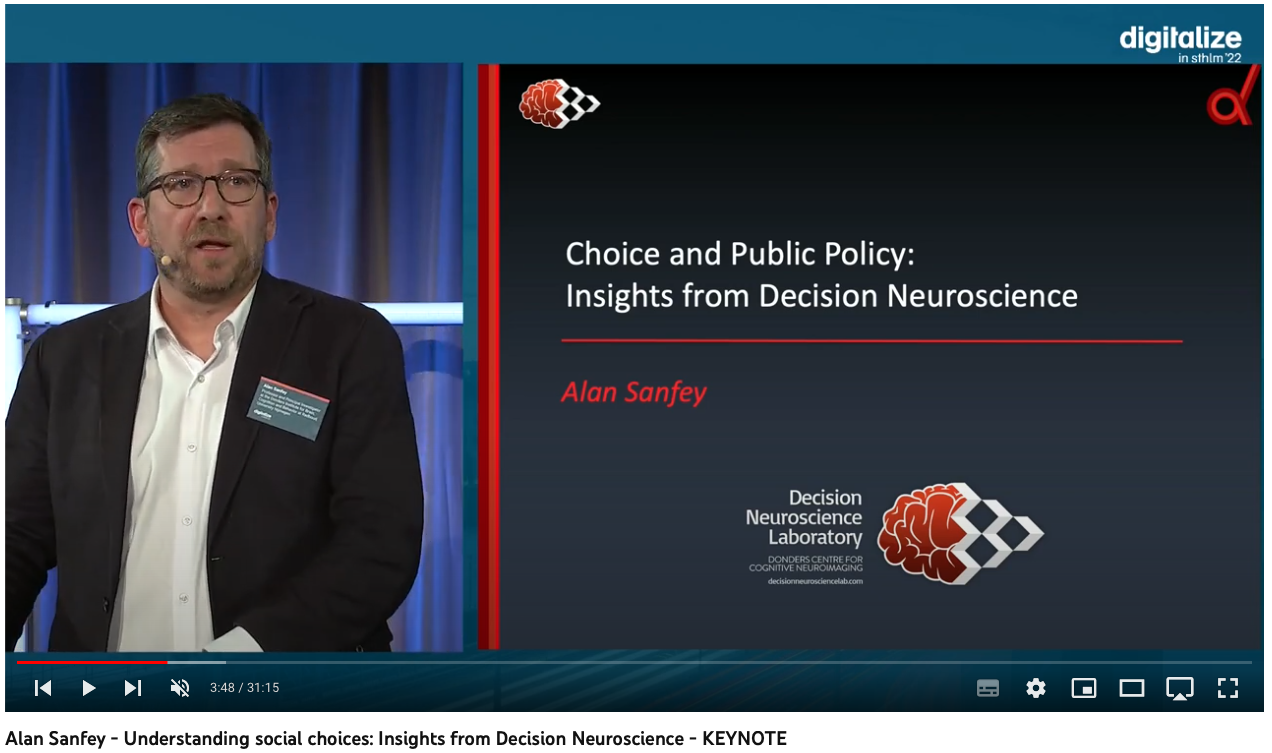
Our lives consist of a constant stream of decisions and choices, from the mundane to the highly consequential. The standard approach to studying decision-making has examined choices with clearly defined probabilities and outcomes. However, it is difficult to extend these decision models to situations where one’s outcomes depend on the choices of others and their outcomes on you. This topic was highlighted by Alan Sanfey, Professor and Principal Investigator at the Donders Institute for Brain Cognition and Behavior at Radboud University Nijmegen in the Netherlands, in his talk ‘Understanding social choices: Insights from Decision Neuroscience‘ at Digitalize in Stockholm 2022.
This class of ‘social’ decision-making better approximates many of our real-life choices, and these social interactive scenarios reveal important choice motivations other than simple economic gain that guide our decisions in a systematic fashion. For example, people consistently value prosocial acts more than standard economic models predict, but different people have different reasons for acting altruistically. In this talk, I will outline an experimental approach using functional brain imaging and computational modeling to observe how players decide in real, consequential, and social contexts and will discuss some potential policy implications of this work for future digital societies.
– Digitalize in Stockholm 2022 was an inspiring overview of both current progress and the future possibilities of digital societies. In addition to the thought-provoking presentations, I enjoyed the opportunity to interact with a diverse and interesting group of attendees! concluded Alan Sanfey after his presentation.
Alan Sanfey is a Professor of Decision Neuroscience at Radboud University Nijmegen and Principal Investigator at the Donders Institute for Brain, Cognition, and Behavior. He received his undergraduate degree in Psychology from the University College Dublin and his Ph.D. in Cognitive Psychology from the University of Colorado. Previously he has held positions as Assistant and Associate Professor of Psychology at the University of Arizona and as a postdoctoral research fellow at Princeton University.
He heads the Decision Neuroscience group at the Donders Institute, and his research utilizes a novel approach to the study of individual and interactive decision-making by combining the methods of behavioural experiments, functional neuroimaging, and formal economic modeling methods. A further goal of his group is to use the knowledge gleaned from these studies to inform public policy debates. To this end, he has founded and is currently the Director of the Radboud Center for Decision Science.
Link to talk on Youtube: https://youtu.be/72iIIM4wmZA
Link to speaker website: https://www.alansanfey.com/
Profile pages: https://www.decisionneurosciencelab.com/alansanfey