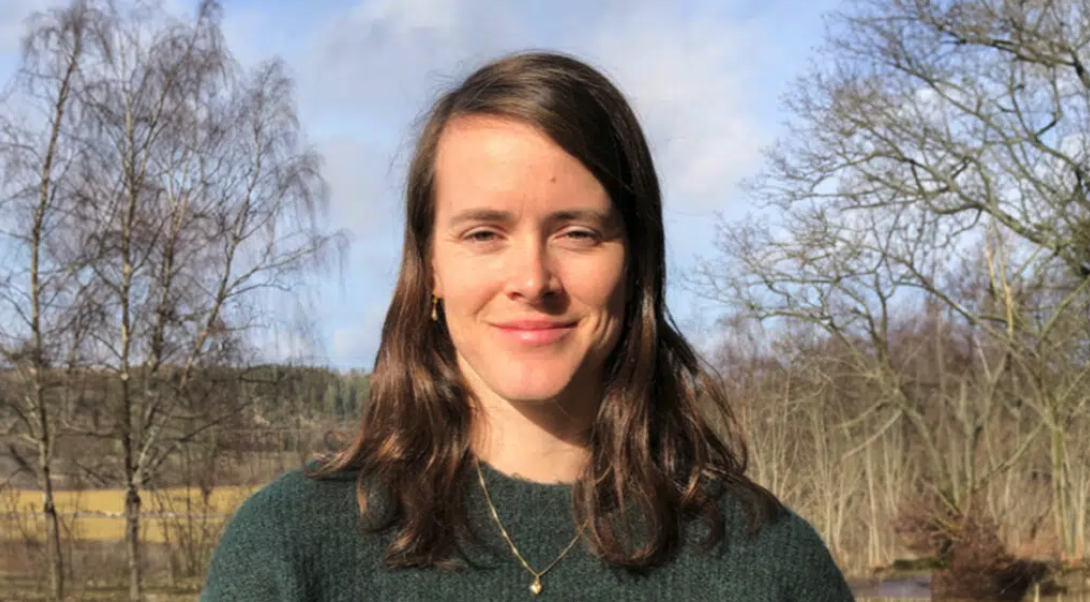
A woman with long brown hair, wearing a dark green jumper and a necklace, stands outdoors on a sunny day with bare trees and a cloudy blue sky in the background.

Postdoc Anna Furberg discusses AI’s impact on electricity consumption in recent radio interviews

Artificial intelligence (AI) is rapidly expanding, driving a significant increase in electricity consumption, particularly in countries with a high concentration of data centers like the US and Ireland. While AI technology offers numerous benefits, its reliance on electricity generated from fossil fuels raises concerns about its contribution to greenhouse gas emissions.

Anna Furberg, a Digital Futures Industrial Innovation Postdoc at KTH Royal Institute of Technology, recently addressed these concerns in several radio interviews. As a researcher in the project Environmental Life Cycle Impacts of Digital Technologies and their use in Society (ELID),” Anna and postdoc Shoaib Azizi, under the supervision of Professor Göran Finnveden, investigate the environmental effects of digitalization using life cycle assessment methods. Her insights shed light on how AI is consuming substantial energy resources, with data center electricity usage in the US doubling between 2017 and 2023.

“AI has the potential to support sustainability goals, but we must carefully evaluate its energy consumption and emissions to ensure it doesn’t exacerbate climate change,” says Anna Furberg.

The ELID project at KTH aims to provide a scientific foundation for understanding the direct and indirect environmental impacts of digital technologies. By analyzing case studies and applying life cycle assessment, Anna and her colleagues seek to inform decision-making for sustainable digitalization.

You can listen to Anna’s perspectives in her recent radio interviews:

For further information on the project visit “Environmental Life Cycle Impacts of Digital Technologies and their use in Society (ELID).
More news

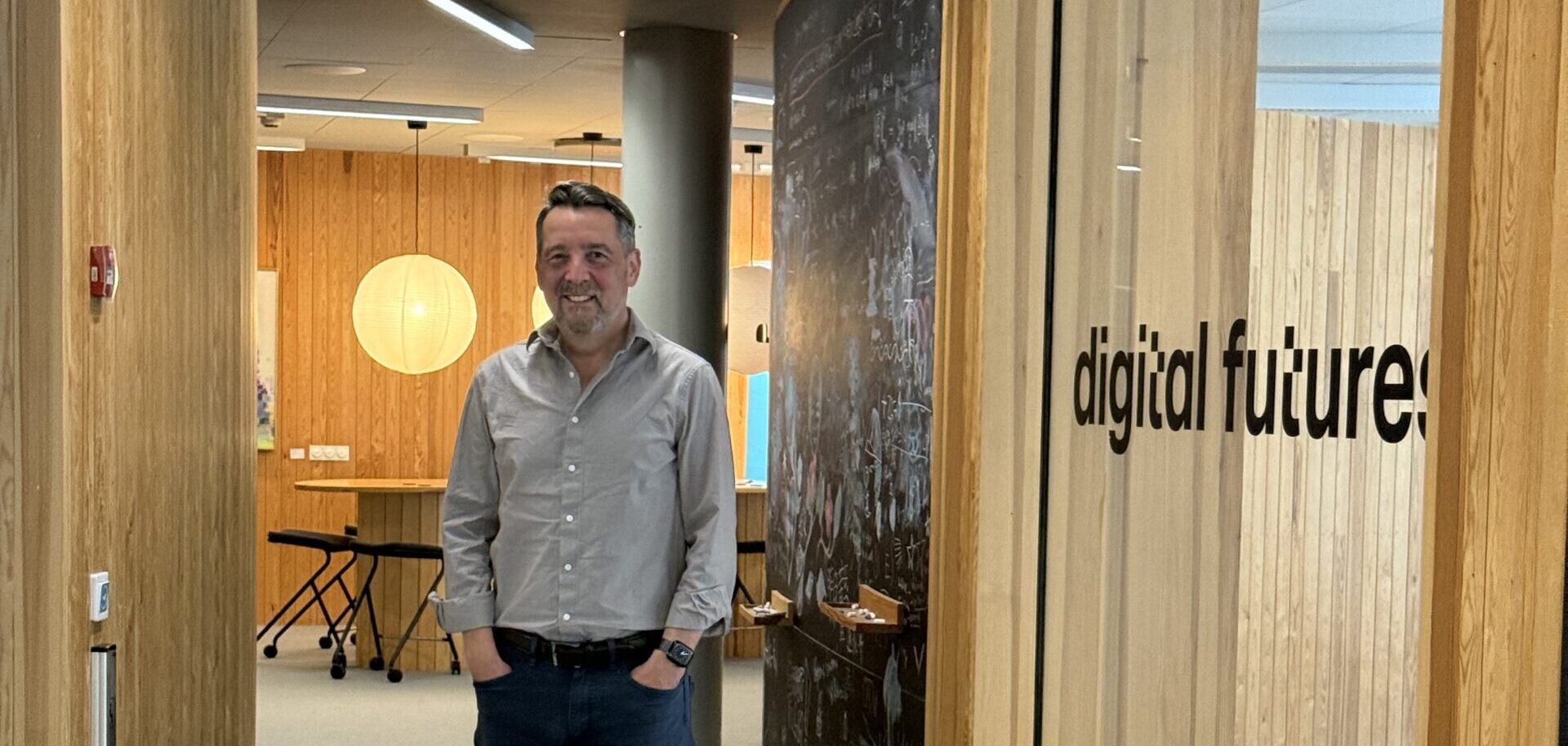
A man in a grey shirt and jeans stands in a modern office corridor with wooden walls. A window labelled “digital future.” is visible beside him. Overhead lights and an emergency exit sign illuminate the space.

Paul Walton elected Foreign Member of the Royal Swedish Academy of Sciences

21/01/2026

Paul Walton, Scholar-in-Residence at Digital Futures from August to October 2025, has been elected Foreign Member...

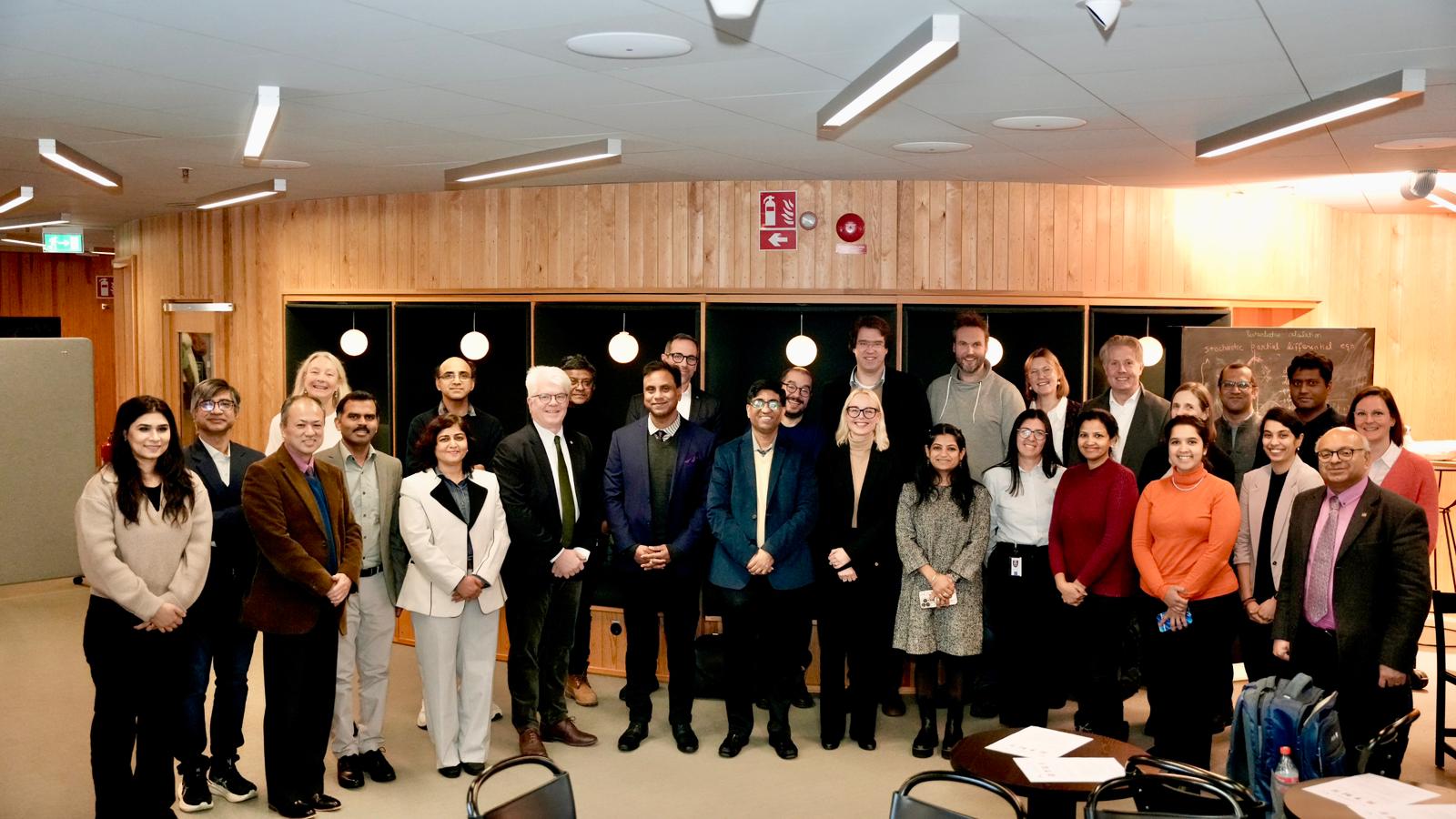
A large group of professionally dressed people stand together and smile for a group photo in a modern, well-lit indoor setting with wooden walls and round lights in the background.

Indian Delegation visits Digital Futures at KTH to strengthen Indo-Swedish research collaboration

21/01/2026

On 21 January 2026, Digital Futures at KTH Royal Institute of Technology welcomed a high-level...

A bald man wearing glasses, a suit, and a tie is standing in front of a bookcase filled with various books. He is looking directly at the camera with a neutral expression.

The future of wireless is multifunctional: A conversation with Giuseppe Thadeu Freitas de Abreu

19/01/2026

Giuseppe Thadeu Freitas de Abreu is a leading figure in modern wireless communications, whose work...

A woman with long dark hair wearing a white top and sunglasses on her head stands outdoors in a sunlit forested area with tall trees in the background.

From sensing to strategy: How Zhiqi Tang is advancing Smarter Multi-Vehicle Systems

13/01/2026

Dr. Zhiqi Tang’s postdoctoral journey at Digital Futures and KTH Royal Institute of Technology marked...