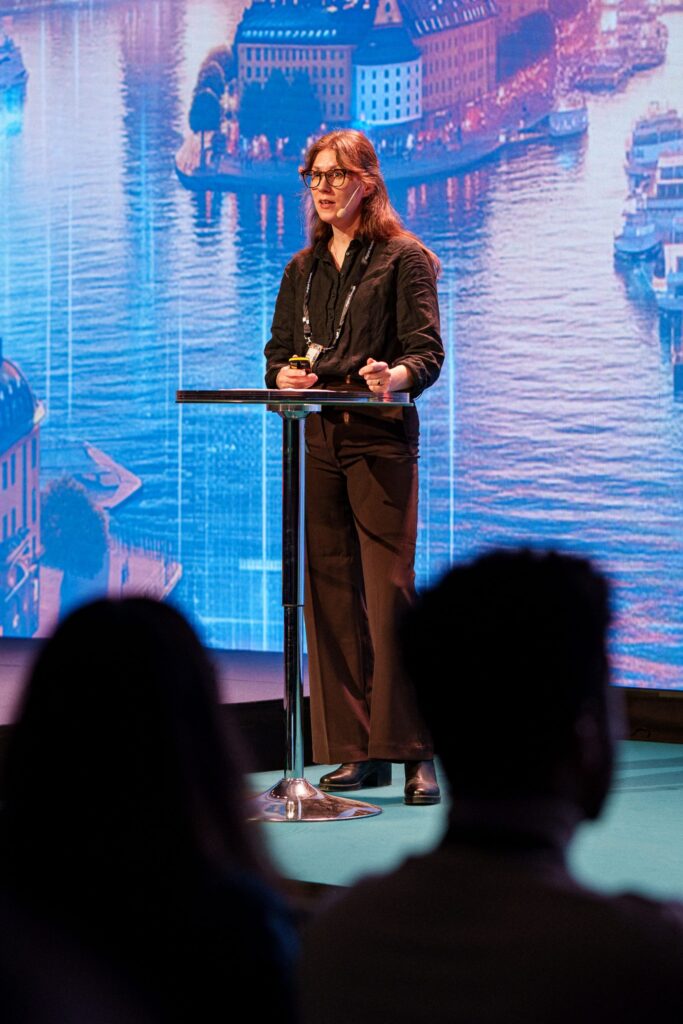
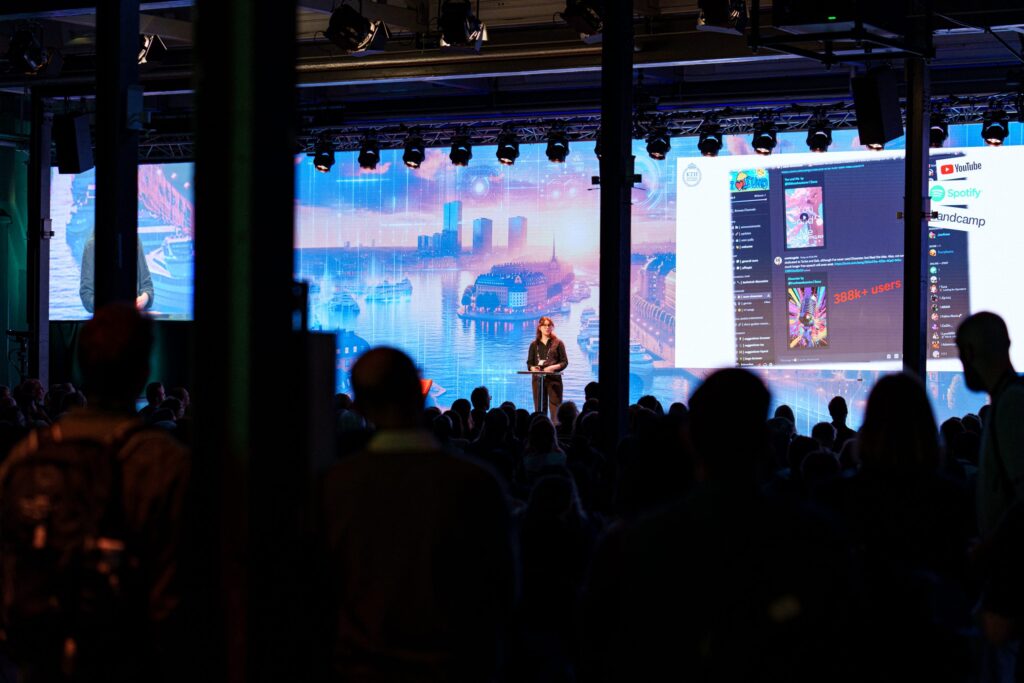
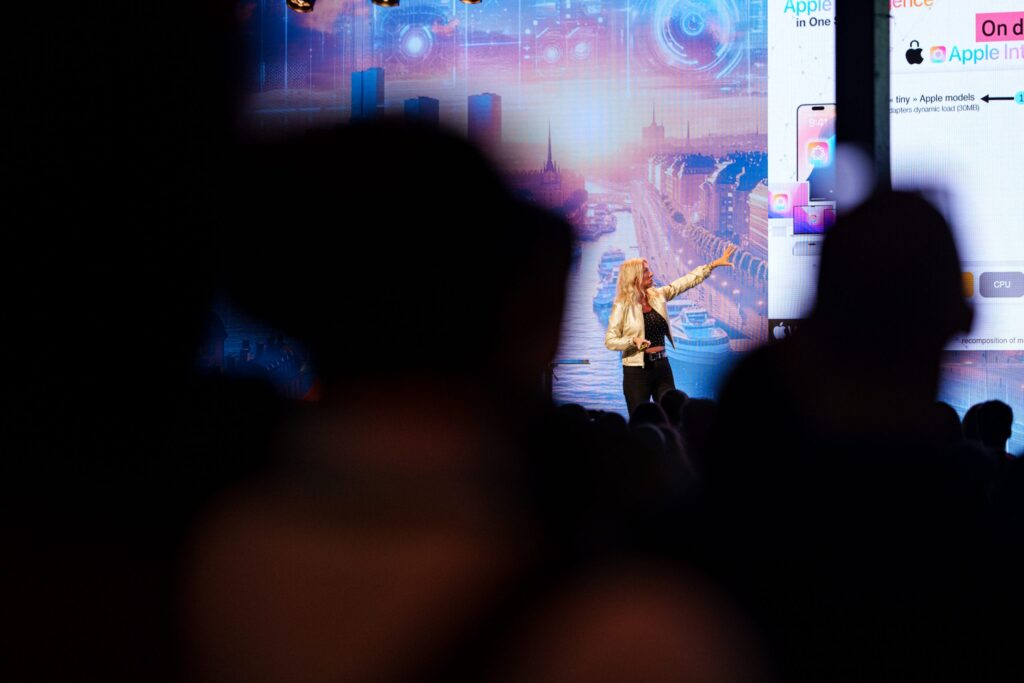
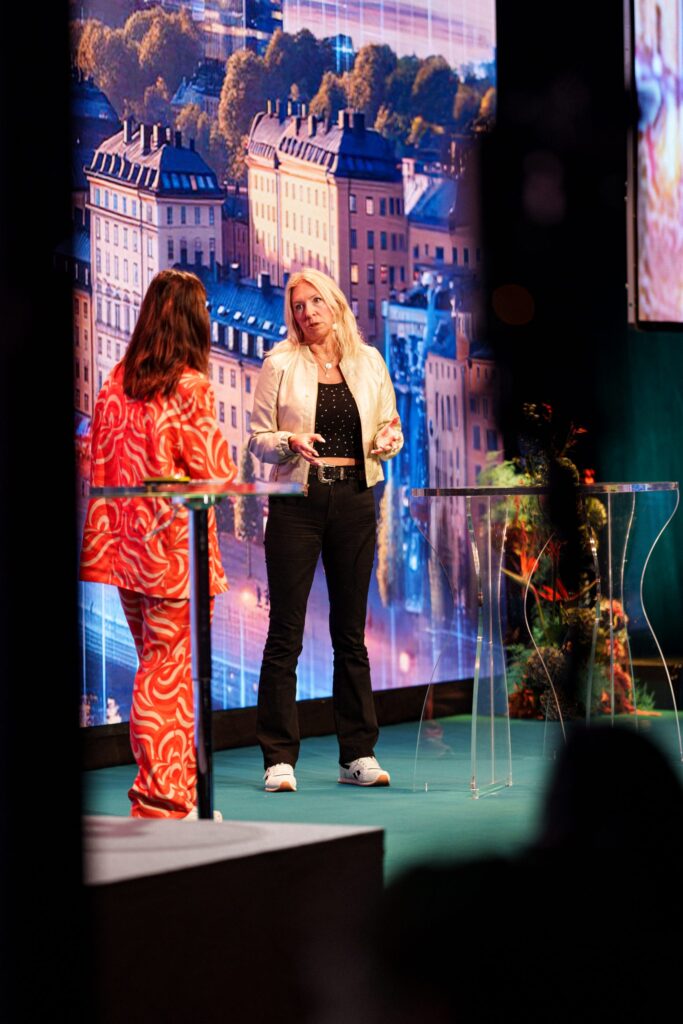
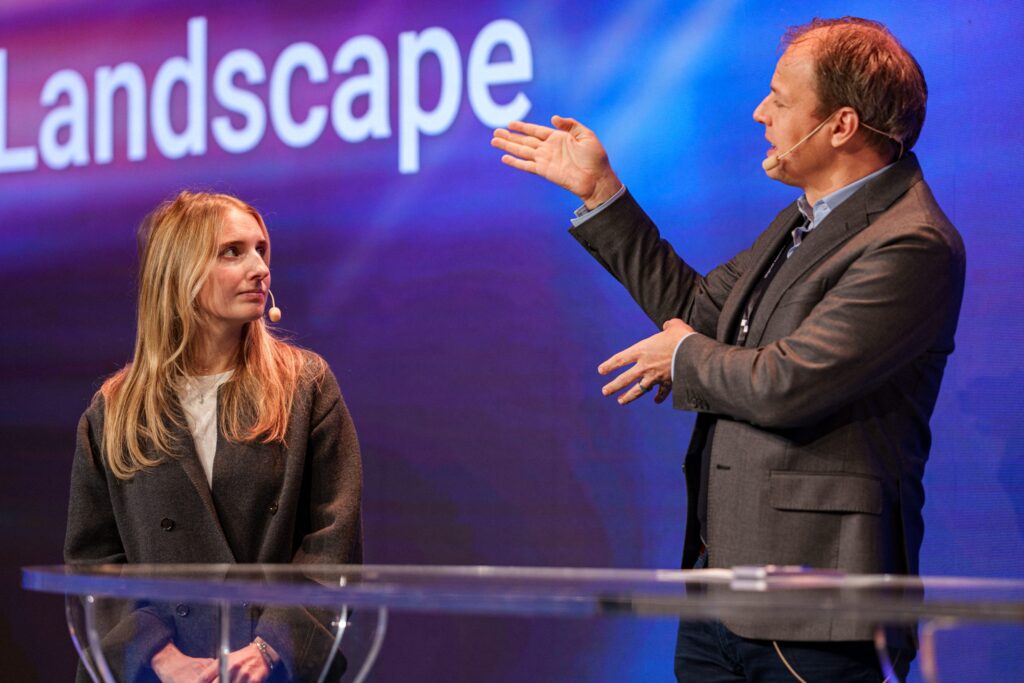
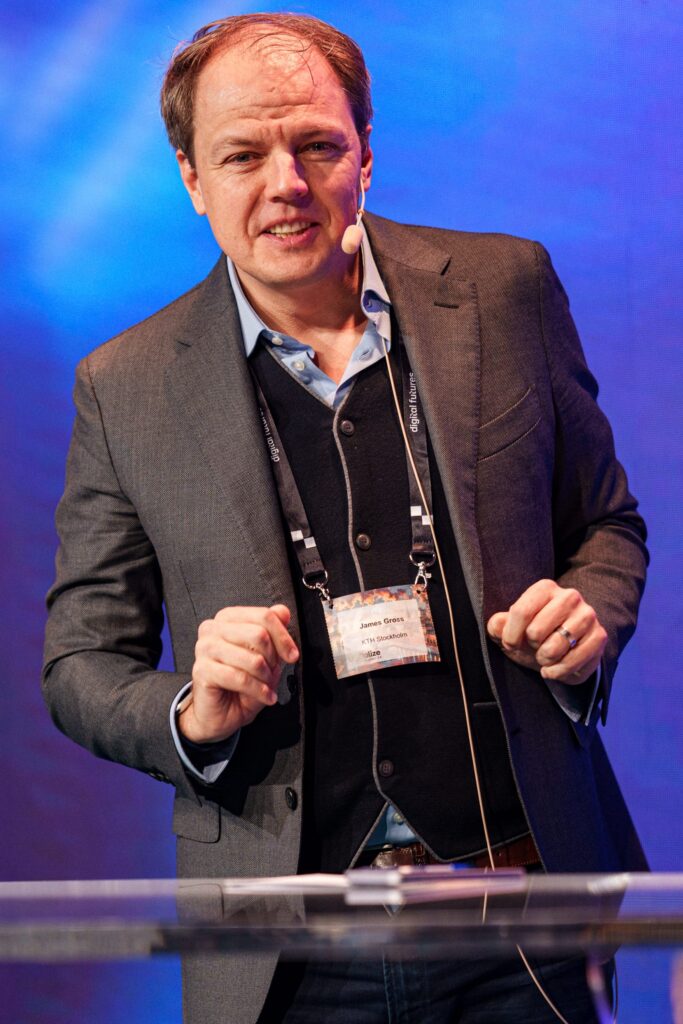
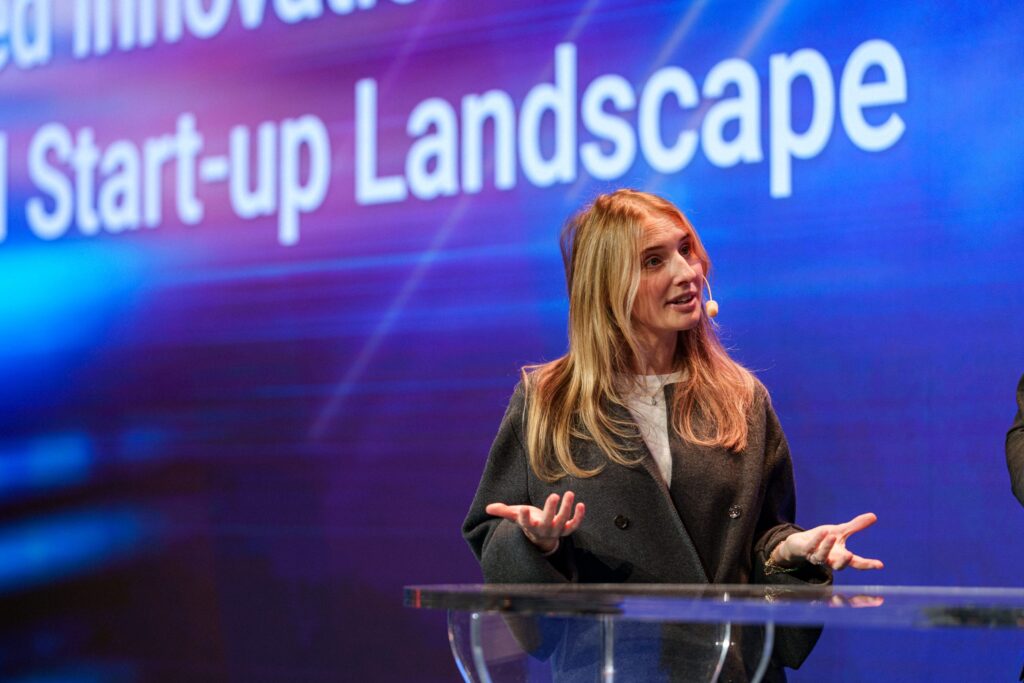
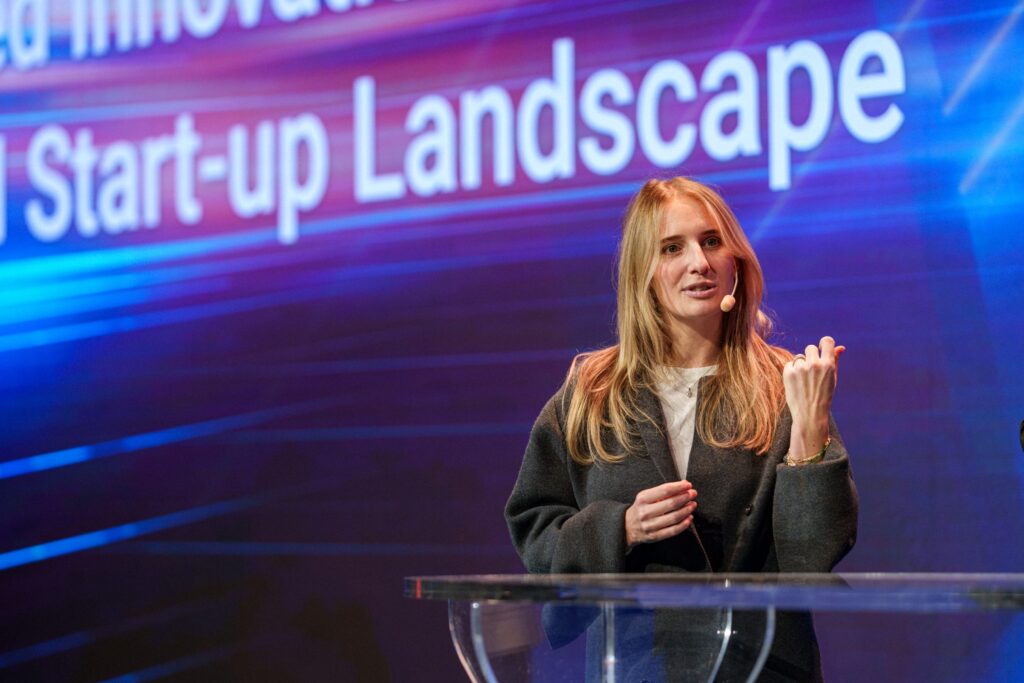
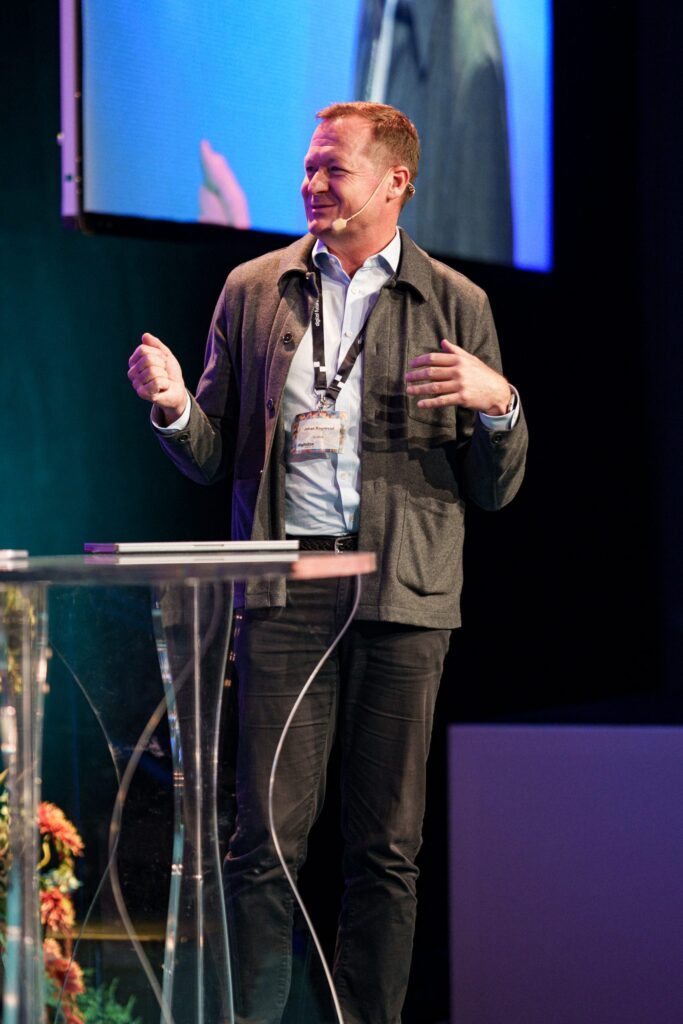
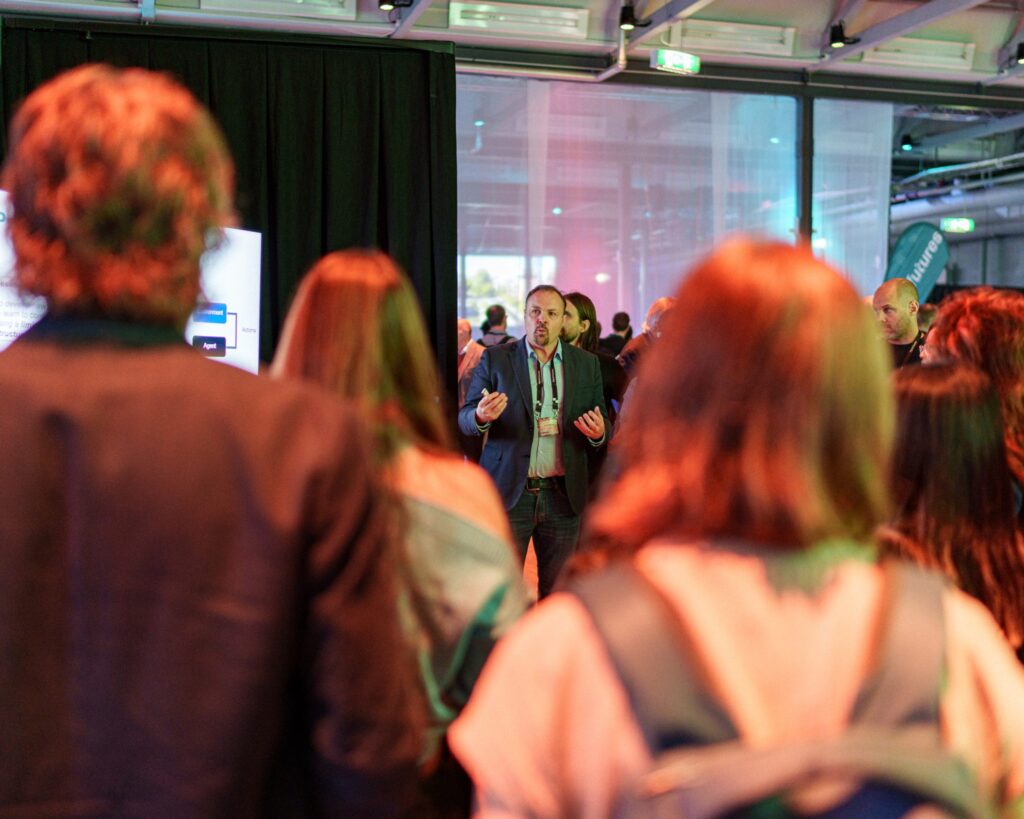
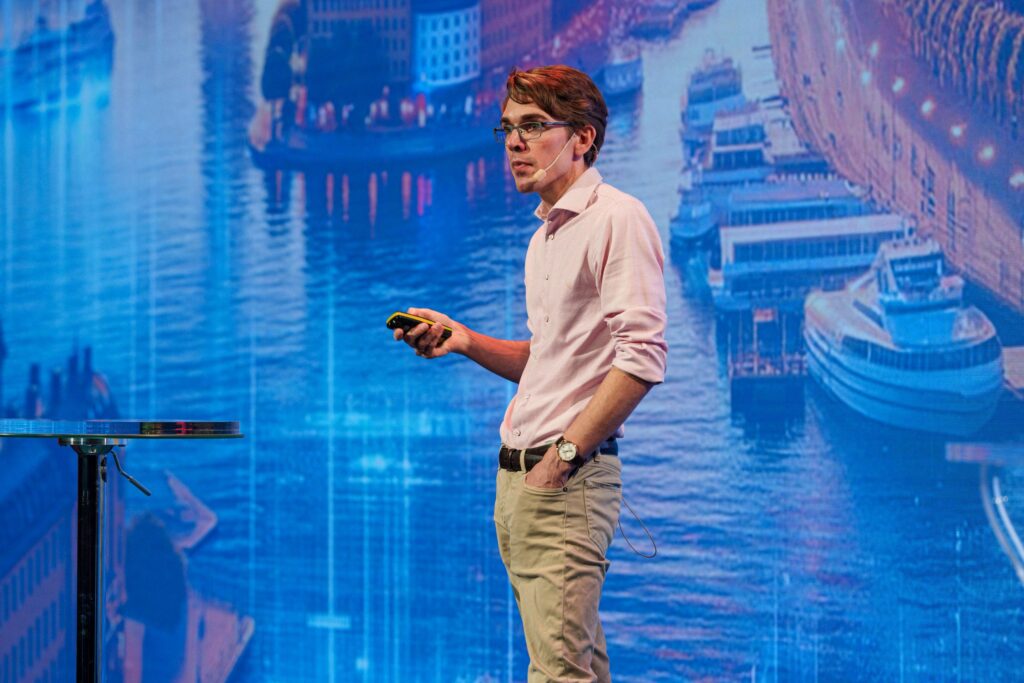
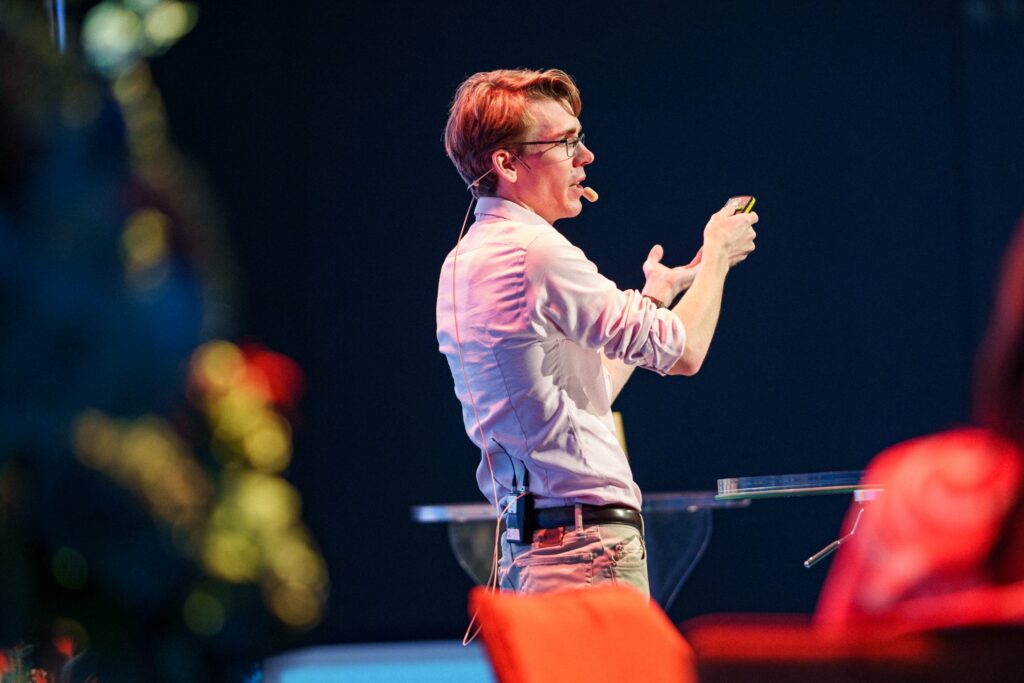
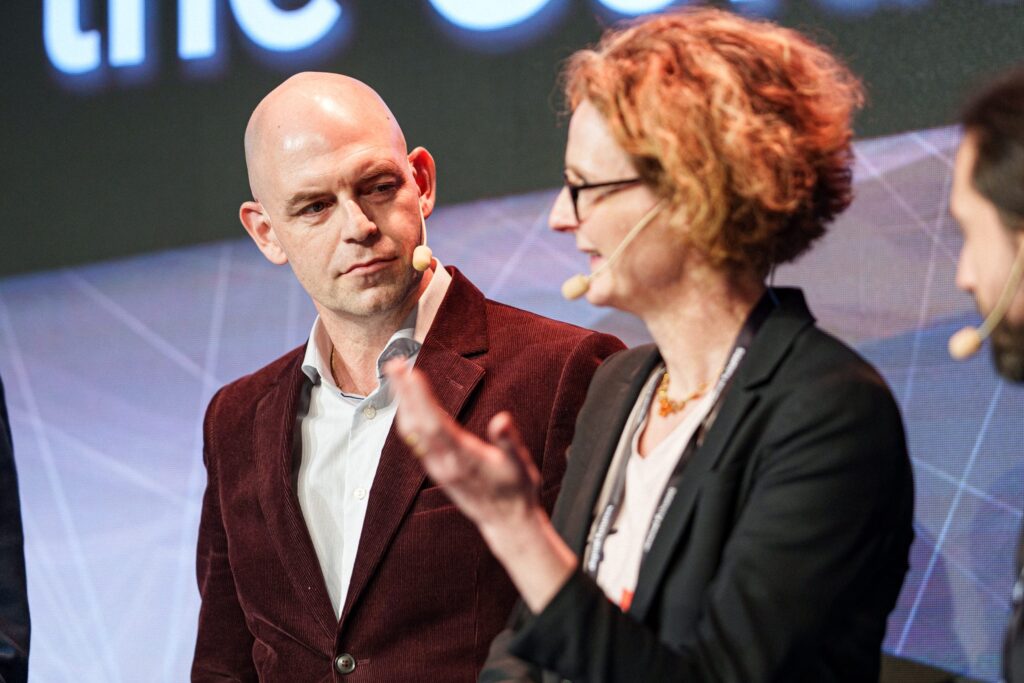
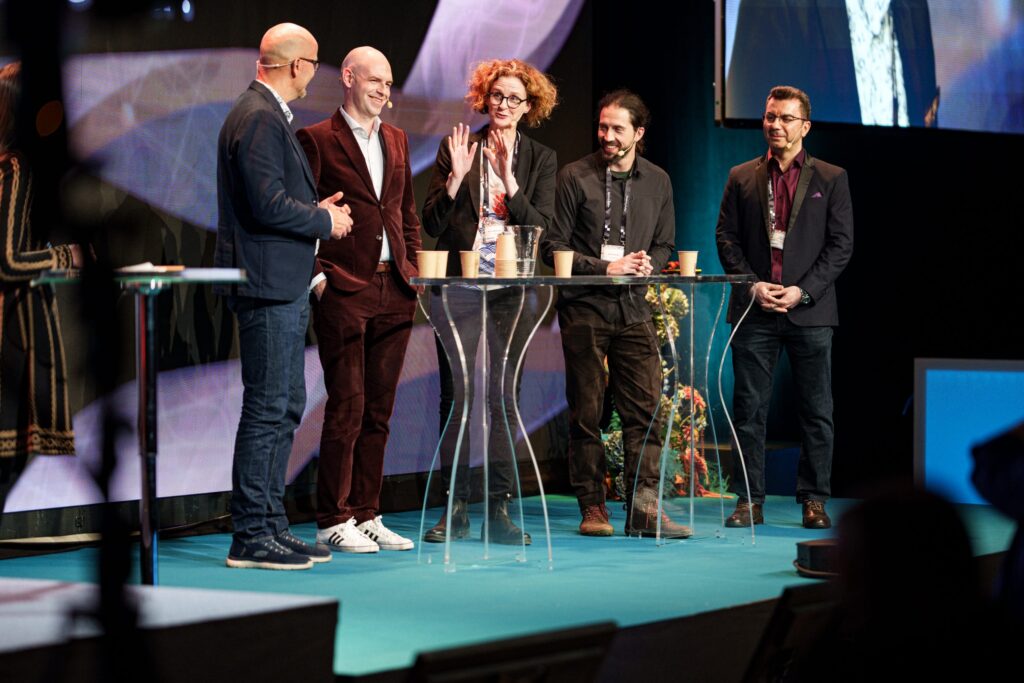
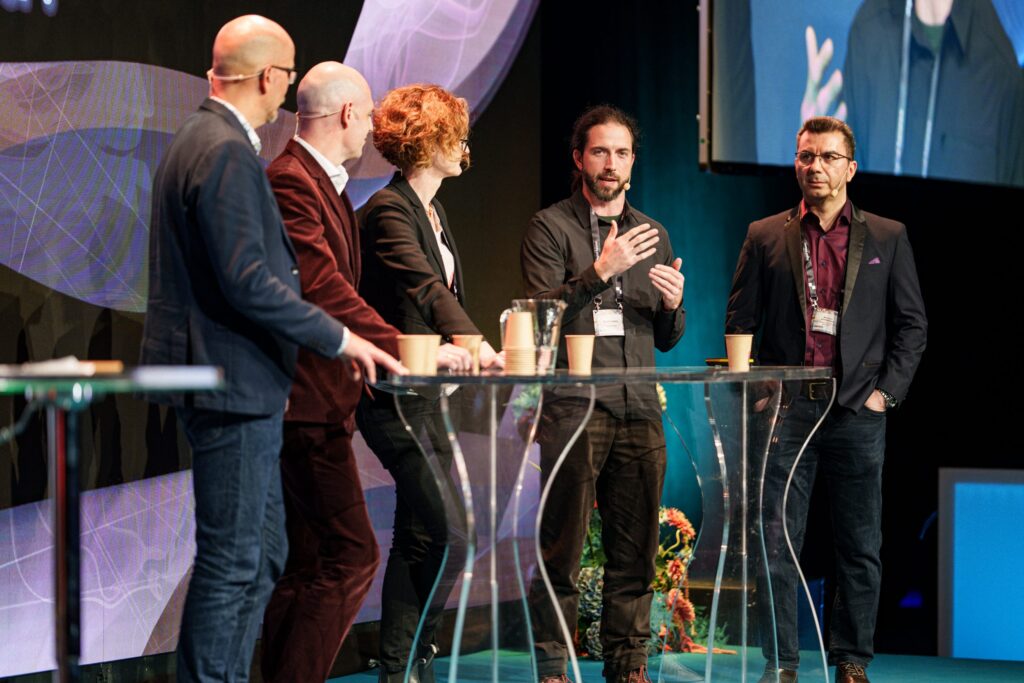
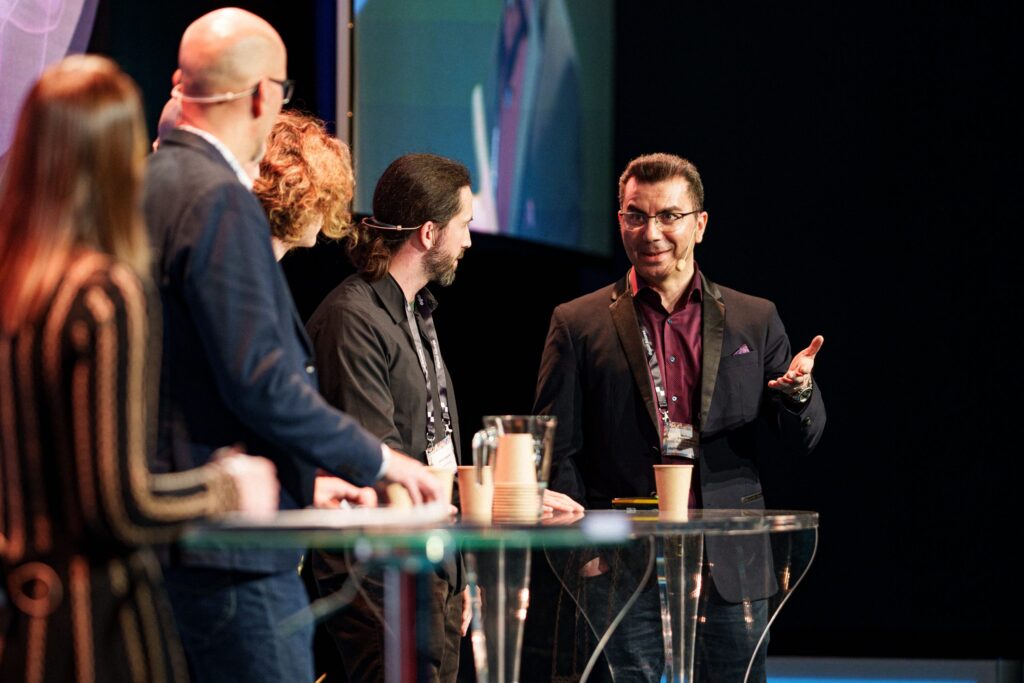
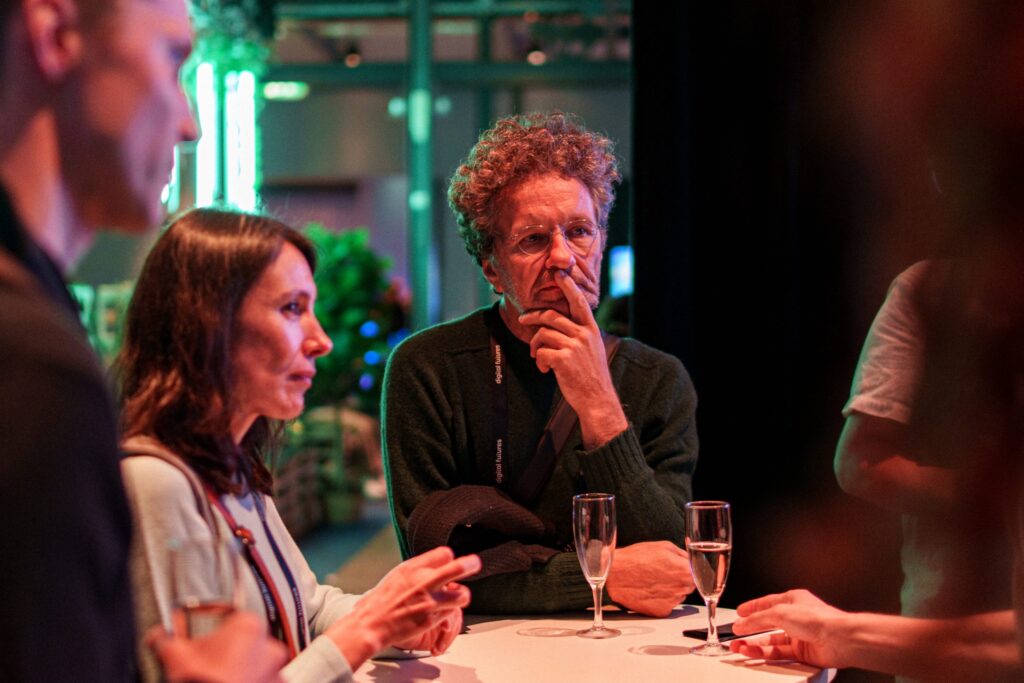
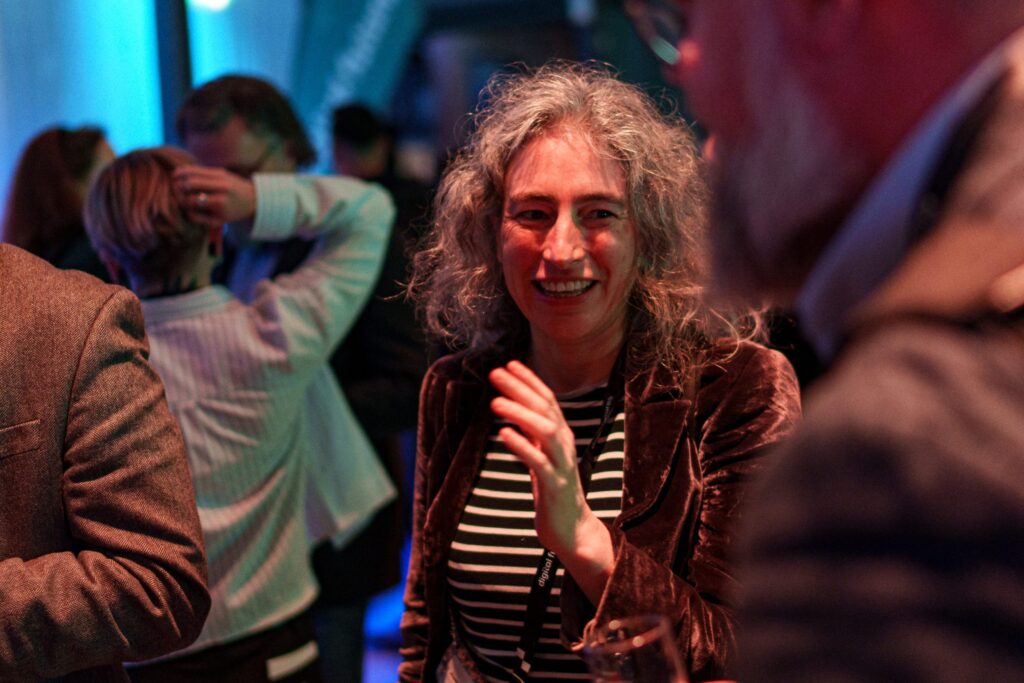
Digitalize in Stockholm 2024 delivered a lineup of thought-provoking talks, among them the keynote by Elena Fersman, Vice President and Head of the Global AI Accelerator at Ericsson Research. Now available to watch on the Digital Futures YouTube channel, this talk dives deep into the dynamic interplay between the telecom industry and generative AI.
In her keynote titled The Symbiotic Evolution of Telecom and Generative AI, Fersman explores the mutually beneficial relationship between these cutting-edge domains. Telecom infrastructure, with its advanced capabilities like differentiated quality of service, is essential for the efficient operation of AI technologies. At the same time, generative AI is revolutionizing the telecom industry with applications such as predictive maintenance and intelligent traffic management, which enhance reliability and cut operational costs. She also addresses the challenges of integrating AI within telecom frameworks. The keynote provides an insightful look at how these fields are shaping each other’s future, making it a must-watch for anyone interested in the intersection of technology and artificial intelligence.
About Elena Fersman
Elena Fersman is a trailblazer in AI and telecommunications, leading Ericsson’s Global AI Accelerator with teams spanning the USA, Sweden, India, and Canada. Beyond her corporate role, she is an adjunct professor at KTH Royal Institute of Technology in Stockholm, specializing in Cyber-Physical Systems.
Her extensive academic background includes a PhD in Computer Science from Uppsala University and an MBA from St. Petersburg Polytechnic University, complemented by a postdoc at the University of Paris-Saclay. With over 50 co-authored patent families, she is a thought leader at the forefront of technological innovation.
Be part of the conversation shaping the future of telecom and AI. Head over to the Digital Futures YouTube channel to watch Elena Fersman’s keynote and gain a front-row seat to this transformative dialogue.
Linda Bushnell, a Research Professor at the University of Washington – Seattle, brings a wealth of expertise to her role as a Digital Futures Scholar-in-Residence at KTH, hosted by Professor Karl H. Johansson. With a PhD in Electrical Engineering and Computer Sciences from UC Berkeley, and degrees in mathematics and electrical engineering from the University of Connecticut and UC Berkeley, Linda’s career spans academia, government, and interdisciplinary innovation.
Linda is also a WASP Guest Researcher, supported by the Wallenberg AI, Autonomous Systems and Software Program, hosted by Bo Wahlberg.
Previously at the US National Science Foundation, Linda is now exploring AI, smart and connected communities, and cyber-physical systems during her residency in Stockholm. Alongside research, she’s engaging with students and fostering collaborations across disciplines, bringing her deep knowledge and enthusiasm to KTH and Digital Futures.
Hi Linda, in June you arrived in Stockholm as a Digital Futures Scholar-in-Residence. What inspired you to take on this opportunity, and what were your goals for this residency?
– Kalle Johansson invited me to KTH and Digital Futures when I met him at the IEEE Conference on Decision and Control in Singapore in December 2023. I was soon ending my four years at the US National Science Foundation in March 2024 and thought taking a sabbatical at KTH would be perfect timing. My goal for this sabbatical is to learn about AI and explore its applications in smart and connected communities.
Your research spans areas like networked control systems, cyber-physical systems (CPS), and smart & connected communities (S&CC). What do you find most exciting about these fields, and how have they evolved during your career?
– I am particularly excited to see how control systems problems can leverage AI in algorithm development, performance guarantees, and stability analysis. For S&CC, small Internet of Things (IoT) devices can now assist city managers in monitoring and addressing maintenance issues. In CPS, AI and cybersecurity have become critical topics for ensuring system reliability and guarantees.
You’ve had a diverse career, from academia to working with the US National Science Foundation. How have these experiences shaped your approach to research and collaboration during your time at KTH?
– I spent 10 years working with US government funding agencies (Army Research Office and NSF), in addition to over 30 years in academia. These experiences have provided me with a broader perspective on control systems and their applications in CPS and S&CC. Tackling large-scale challenges requires interdisciplinary collaboration among researchers, and my background has equipped me to approach such problems effectively.
Teaching is an important part of your residency, including the TinyML course for the Digital Futures Summer Research Internship Program. What do you hope the students took away from this course, and how does it connect to your broader research interests?
– Teaching the TinyML mini-course was a rewarding experience. We condensed four weeks of our quarter-based course at UW into this program, and the students produced fascinating projects based on the foundational material. I hope they learned that machine learning can be effectively applied using tiny, resource-constrained IoT devices and that this topic is accessible to students at various levels. While TinyML is more related to my teaching than my primary research, it has inspired me to explore practical uses for these low-cost devices in real-world applications.
What has your experience in Stockholm been like so far? Have you discovered any new ideas or collaborations here, and are there places in Sweden you’re eager to explore during your stay?
– This is my first visit to Stockholm, and I discovered that I have Swedish ancestors who emigrated to the US in the 1870s. I visited the Tranemo parish, where they originated, and spoke with local residents to learn more about the area’s history. I’ve thoroughly enjoyed exploring Stockholm’s museums, parks, and castles. On the research front, I initiated a meeting with city officials at Stockholm City Hall to discuss their priorities for S&CC and explore how tiny IoT devices could support their efforts.
Last week on 13-14 November, our faculty came together at Skogshem & Wijk for the Digital Futures Faculty Retreat, an inspiring and collaborative experience. Set against a serene backdrop (just look at the sunrise), the retreat offered a unique space to connect, discuss, and strategize around our theme: “The Future of Digital Futures – A Five-Year Perspective”.
Digital Futures Director Karl Henrik Johansson opened the event by sharing an overview of Digital Futures and key recommendations from the Scientific Advisory Board. Through interactive sessions, group discussions, and thought-provoking presentations, we explored insights from the Board and shared our visions for the future.
The energy and ideas exchanged over the two days underscored our shared commitment to advancing Digital Futures in impactful ways.
Thank you to everyone who contributed to making this retreat a success! A special thanks to our group discussion leaders Angela Fontan, Jorg Conradt, Silun Zhang, Ioanna Miliou, Ioana Bercea, Vitaly Petrov, Jennifer Ryan and Andrii Matviienko on the first day and Mattias Höjer, Henrik Sandberg, Martin Törngren, György Dán, Lanie Gutierrez-Farewik, Ozan Öktem, Joakim Lilliesköld and Aris Gionis on the second day and to Viktoria Fodor for the support.
A big thank you to Digital Futures Associate Director for Faculty David Broman for the seamless organization, with great support from Site & Event Officer Ulrika Larsson and colleagues Claudia Enciso, Vendela Hasselberg and Johanna Gavefalk.

A recent study highlights the urgent need for ethical reflection in research reporting, especially in fields driven by emerging technologies such as Artificial Intelligence. Published in PLOS ONE by an international team of researchers, including Associate Professor and former Digital Futures Scholar in Residence Simon Knight of the University of Technology Sydney, the study introduces new guidelines aimed at fostering deeper ethical considerations in research publications.
With advancements in areas like facial recognition technology raising concerns over surveillance, discrimination, and military use, this study urges academic journals to move beyond simple compliance checklists. The proposed guidelines emphasize the importance of open conversations on ethical implications, encouraging journal editors, reviewers, and authors to embed ethical transparency into the research process. The goal is to increase public trust, ensure responsible innovation, and support sustainable research practices across disciplines.
Among the authors is Digital Futures faculty member Olga Viberg, Associate Professor, Division of Media Technology and Interaction Design at KTH Royal Institute of Technology.
New Guidelines Push for Ethical Reflection in Research Reporting
Emerging technologies such as Artificial Intelligence underscore critical challenges and tensions in research ethics, prompting calls for updated research policies, as addressed in a recent study. “Research ethics isn’t just about how we treat human and animal subjects or ensuring data accuracy – it also includes considering the wider impact that research might have on society,” says lead author Associate Professor Simon Knight from the University of Technology Sydney.
“For example, advances in facial recognition technology raise ethical concerns around its potential use in surveillance, military applications, or other products, as well as risks of discrimination due to biases in the technology,” he adds.
The study, Emerging Technologies and Research Ethics: Developing Editorial Policy Using a Scoping Review and Reference Panel, was recently published in the journal PLOS ONE. Written by an international team of researchers experienced as editors-in-chief of leading educational technology journals, such as the Australasian Journal of Educational Technology, the British Journal of Educational Technology, and the Journal of Learning Analytics, the study seeks to deepen ethical awareness in academic publishing.
Drawing on existing research ethics publication policies, the researchers developed new guidelines to encourage ethical reflection in scholarly articles across disciplines, aiming to foster learning and open discussions on ethical issues. Academic journal articles serve as primary communication channels to researchers, policymakers, practitioners, and the public. Clear communication of ethical values in research can help build public trust and support for scientific endeavors.
Failure to address ethical concerns arising from academic research can lead to reduced public trust, decreased funding, and hesitation in adopting new technologies or treatments. “These policy templates and guidelines are provided for authors, reviewers, and editors to adapt or adopt within their communities. They are intended to support learning and knowledge-sharing across research communities and stakeholders,” the authors explain.
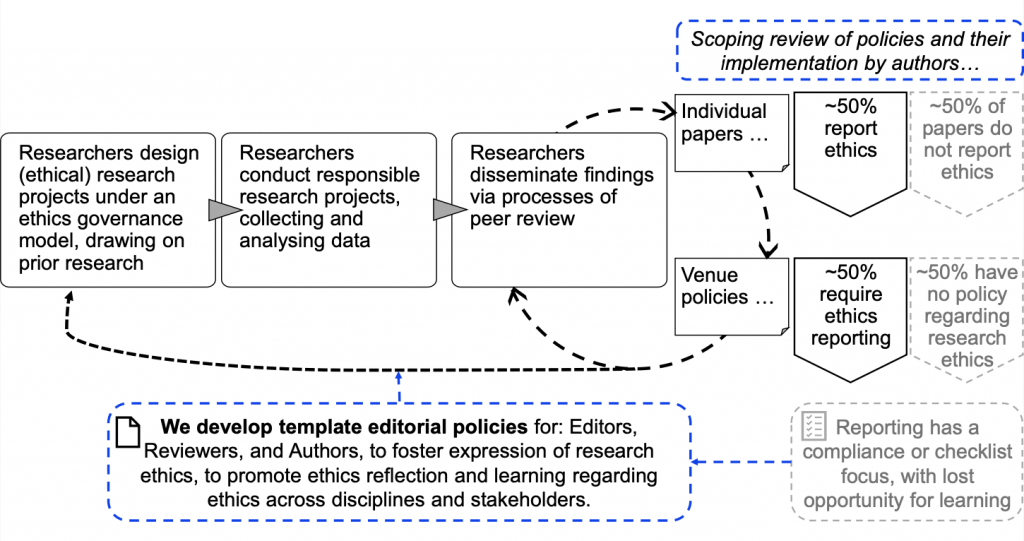
The study includes a scoping review of current innovations in research ethics publication policy, examining how these policies are applied by journals and authors. Innovations include new guidance for reviewers and introducing the role of ‘ethics reviewer.’ The review suggests that around half of academic journals lack explicit ethics reporting requirements. Even those with clear policies often treat ethics as a compliance-driven “box-ticking exercise” rather than a genuine exploration of ethical concerns.
“We need to shift from compliance-based ethics to fostering ethical norms and practices, and we must do this without creating barriers to publication or increasing overheads. Both current and future research ethics challenges need our attention,” says Associate Professor Knight.
Academic journals and editors play a vital role in promoting ethical practices and maintaining the integrity of research. By encouraging a deeper consideration of ethical issues, they contribute to advancing knowledge that is trustworthy and socially responsible.
Link to the paper: Knight S, Viberg O, Mavrikis M, Kovanović V, Khosravi H, et al. (2024) Emerging technologies and research ethics: Developing editorial policy using a scoping review and reference panel. PLOS ONE 19(10): e0309715. https://doi.org/10.1371/journal.pone.0309715
Link to interview: “Scholar-in-residence Simon Knight focuses on how people learn to engage ethically with AI“
Welcome to the 2nd Digital Futures Young Scientist Conference on 20 February 2025!
Join us for a single-day event where PhD students and postdocs working with Digital Futures affiliated faculty members have the opportunity to showcase their ideas during poster sessions.
Attend a keynote focusing on the benefits and risks of AI and join a workshop with a TEDx coach giving attendees a set of tools towards better presentation skills.
The Wallenberg Initiative will also host a panel discussion on start-up funding.
We invite submissions of abstracts!
Important Dates
- Abstract submission opens: 12 November 2024
- Abstract submission closes: 18 December 2024
- Notification of acceptance: 20 January 20 2025
For submission guidelines, registration (no cost), program, venue and questions go to Digital Futures Young Scientist Conference website.
Warmly welcome to a seminar on using healthcare data from Region Stockholm. The Center for Health Data at Region Stockholm will present what they do and the rules around healthcare data from the region. Various KTH functions will also share insights on how to use this data at KTH.
The seminar is organized by Digital Futures Faculty members Sebastiaan Meijer and Joakim Jaldén together with Cecilia Williams and Helene Spjuth.
When: 8 November, 2024, 09.30 – 15.00
Where: Teknikringen 1, campus Valhallavägen.
Language: English
Contact: Sebastiaan Meijer, smeijer@kth.se
Link to program and registration here
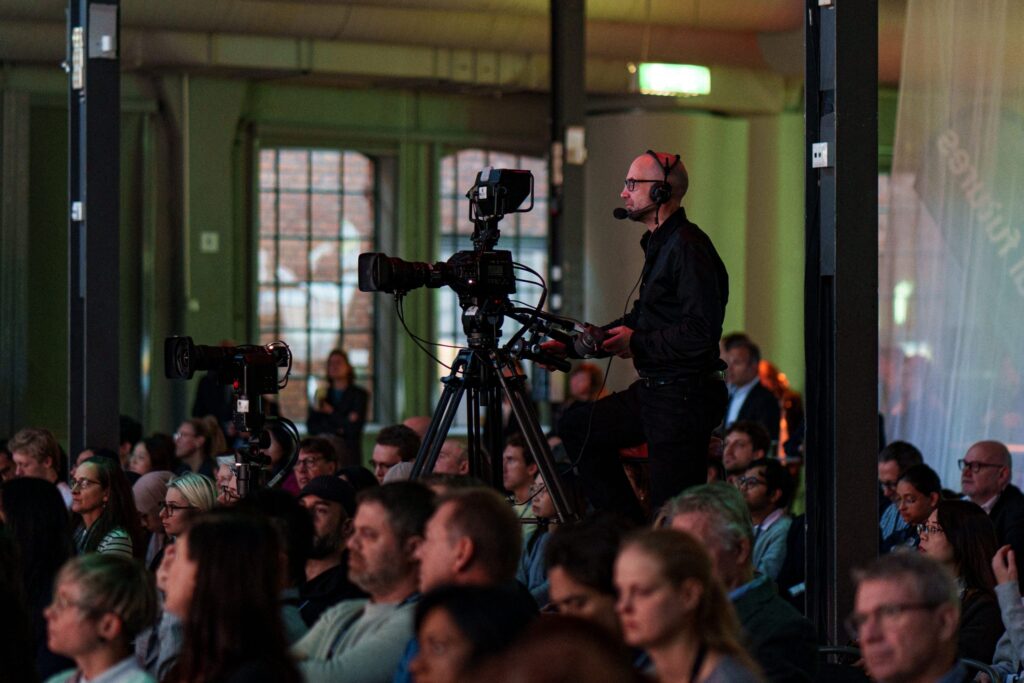
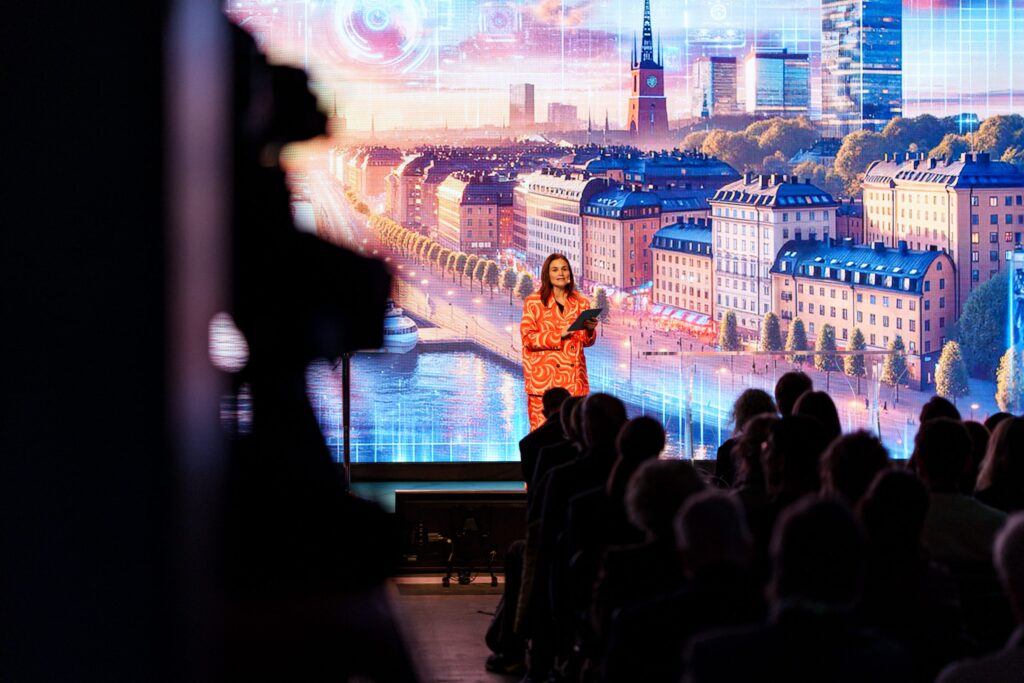
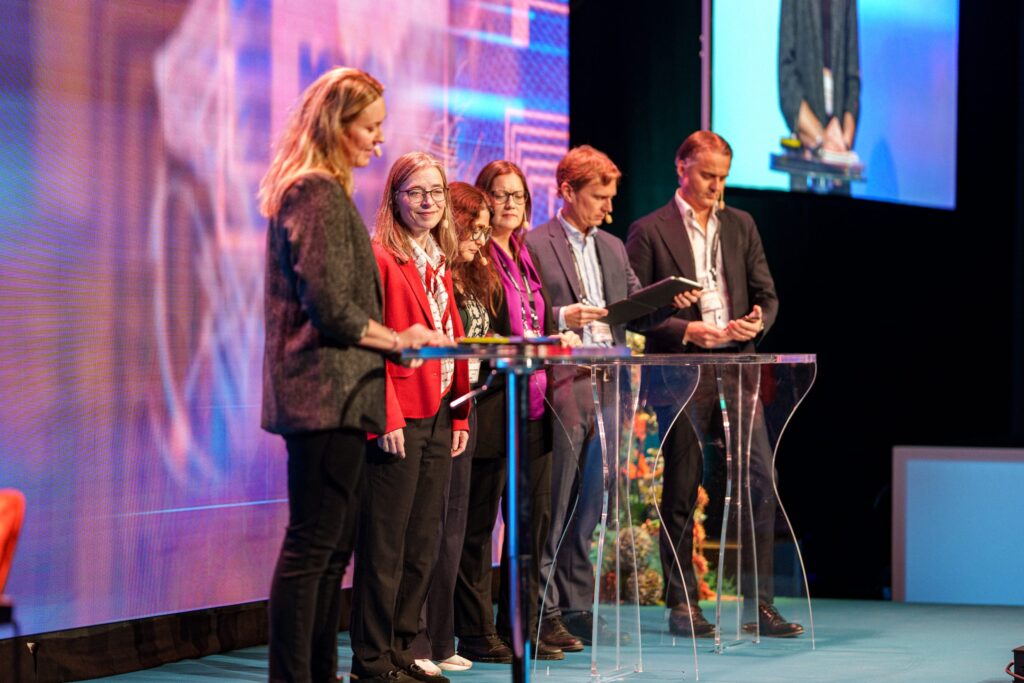
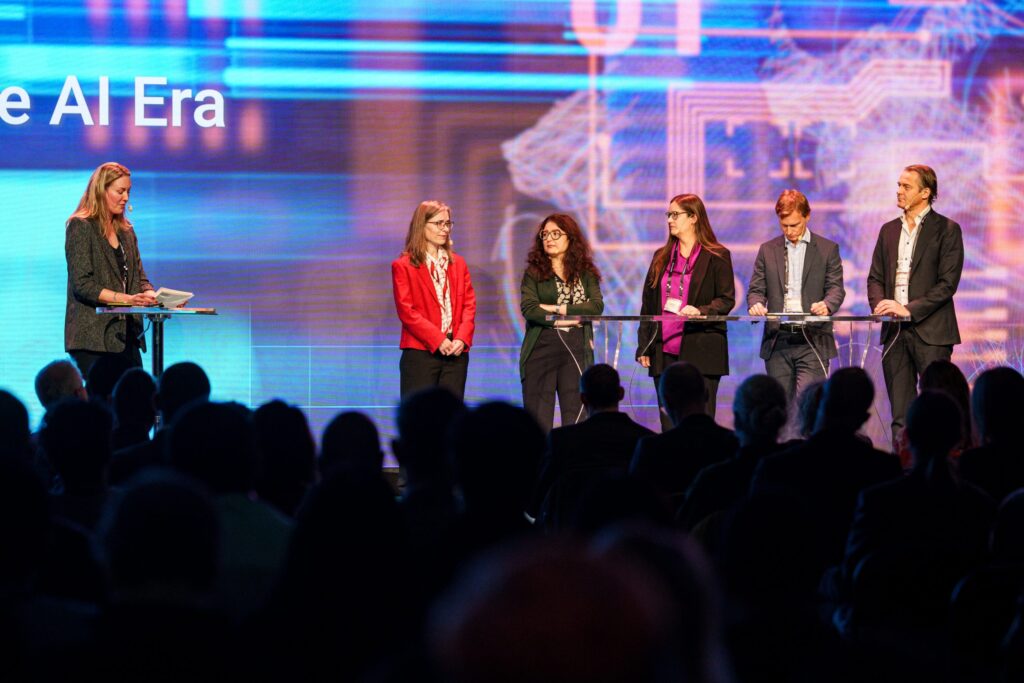
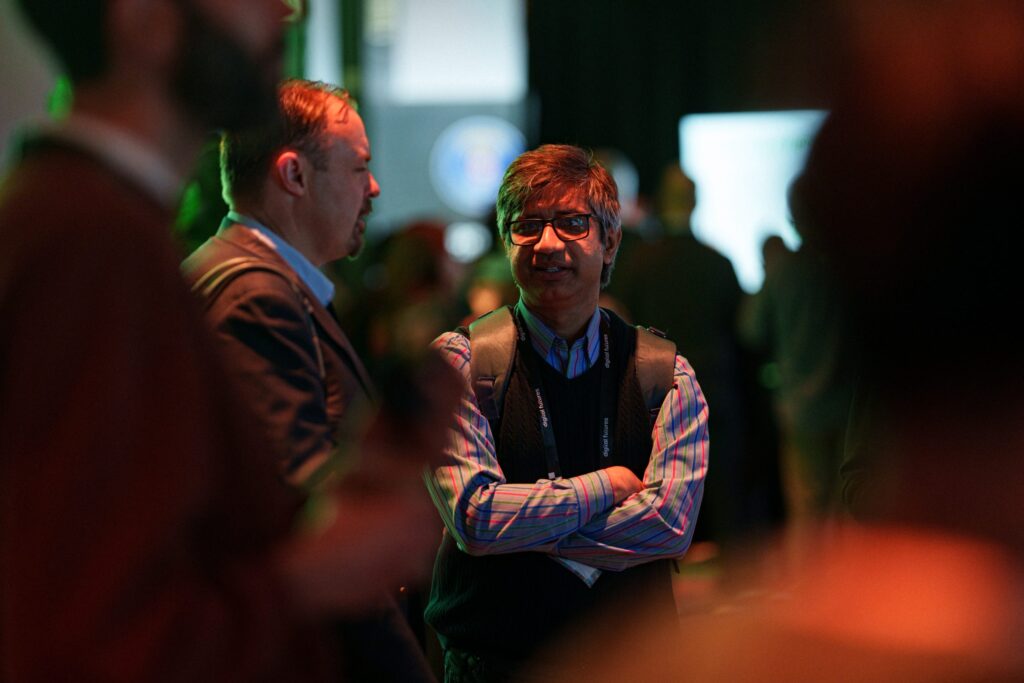
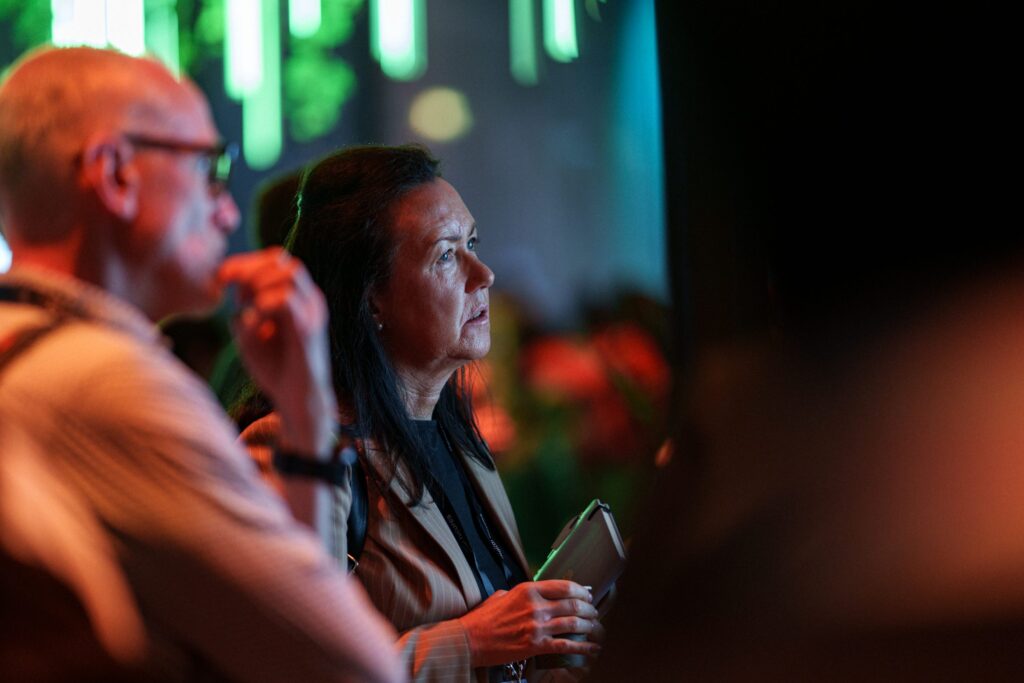
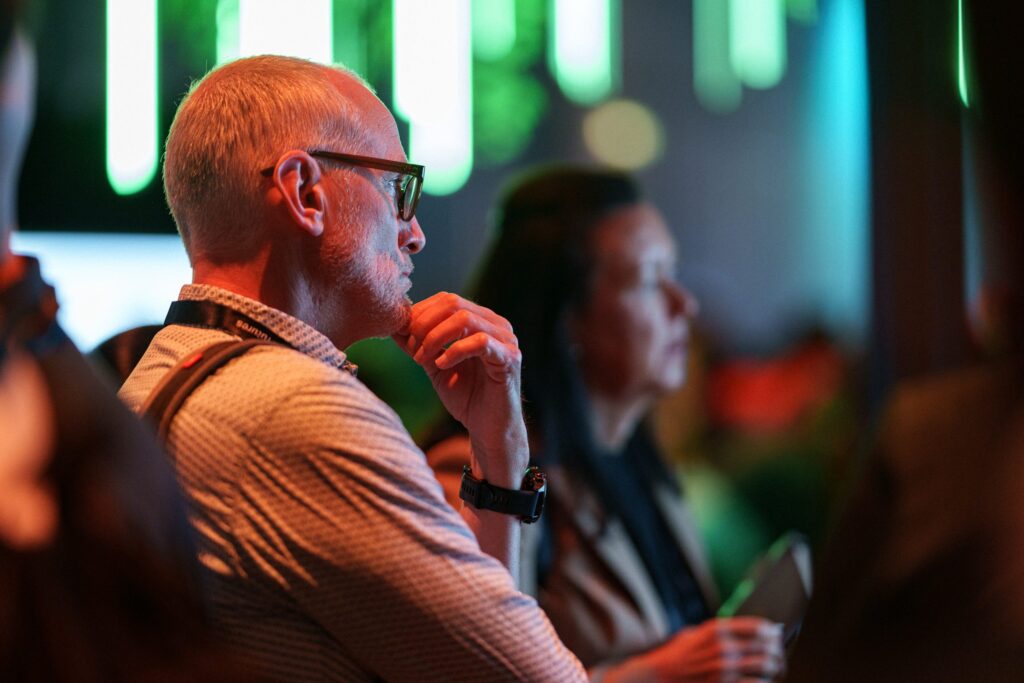
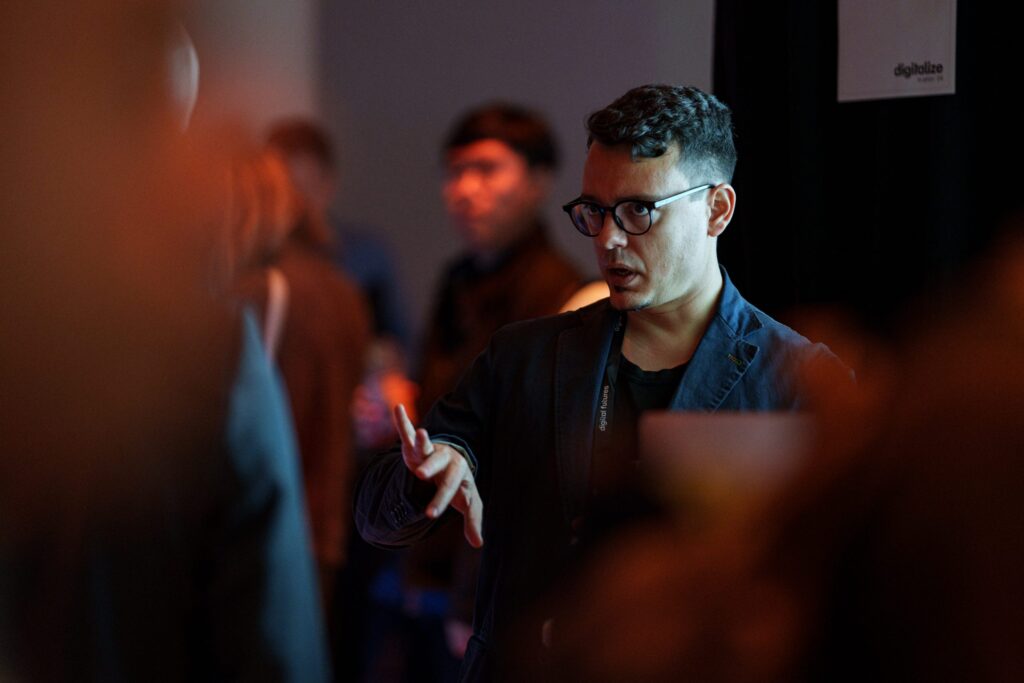
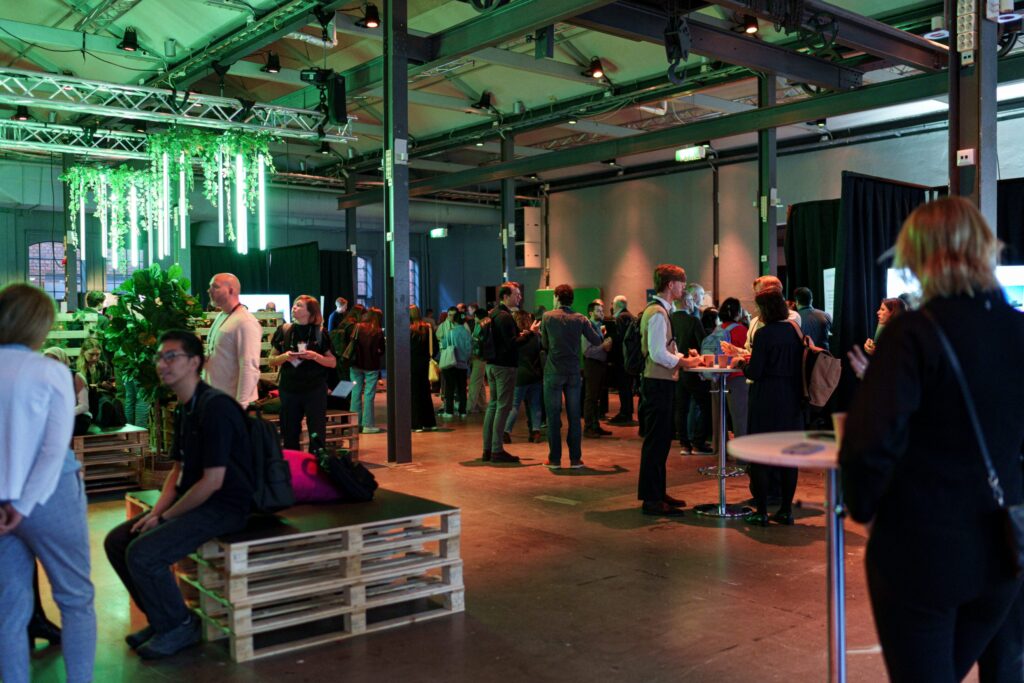
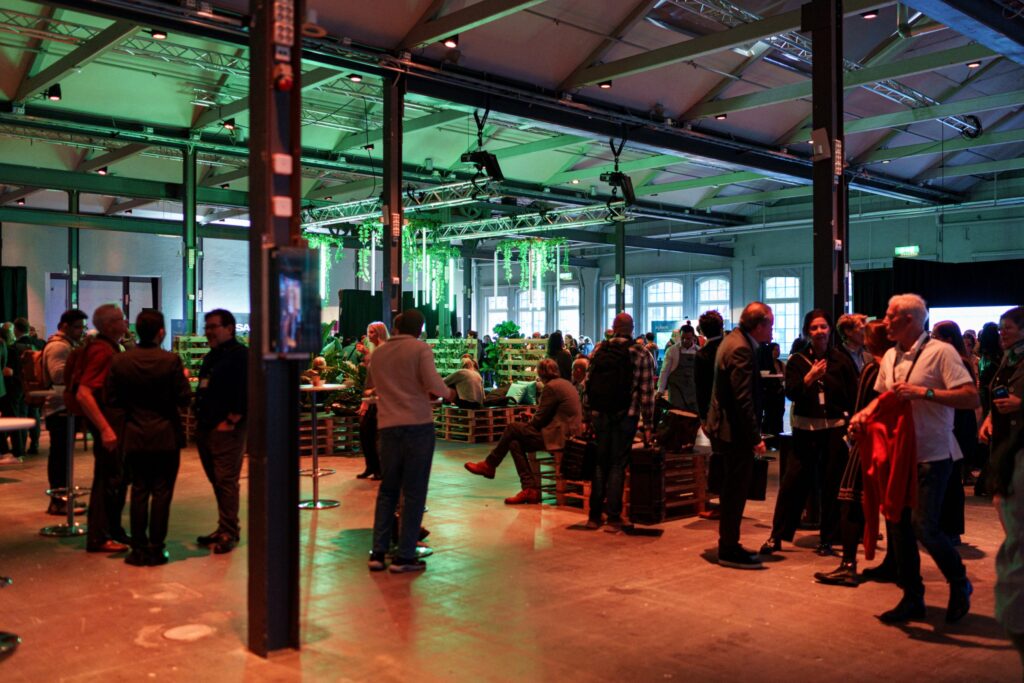
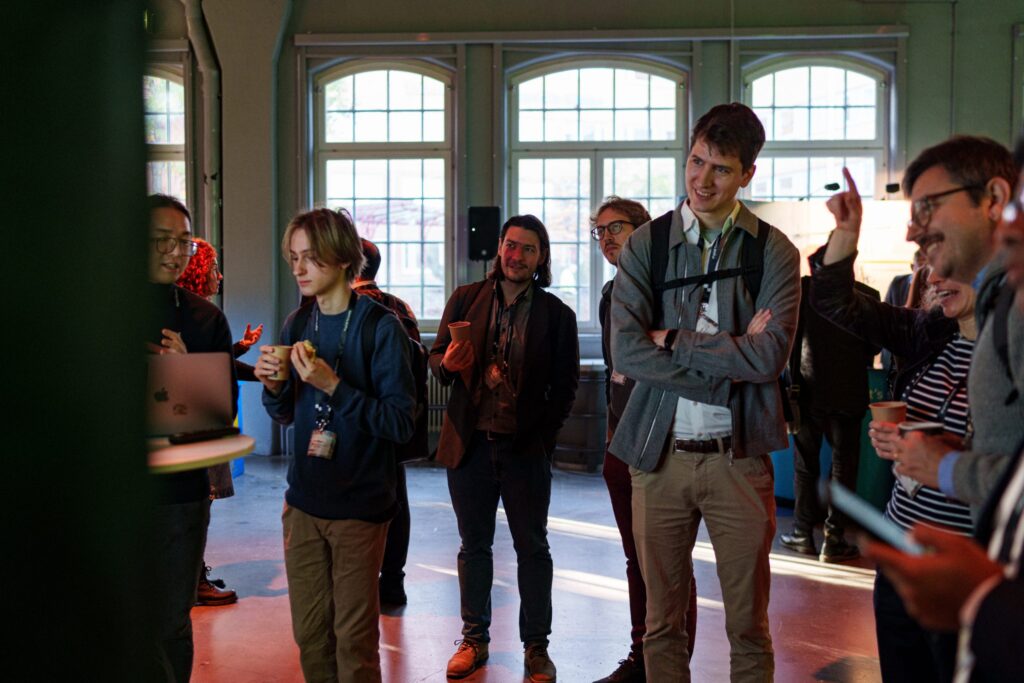
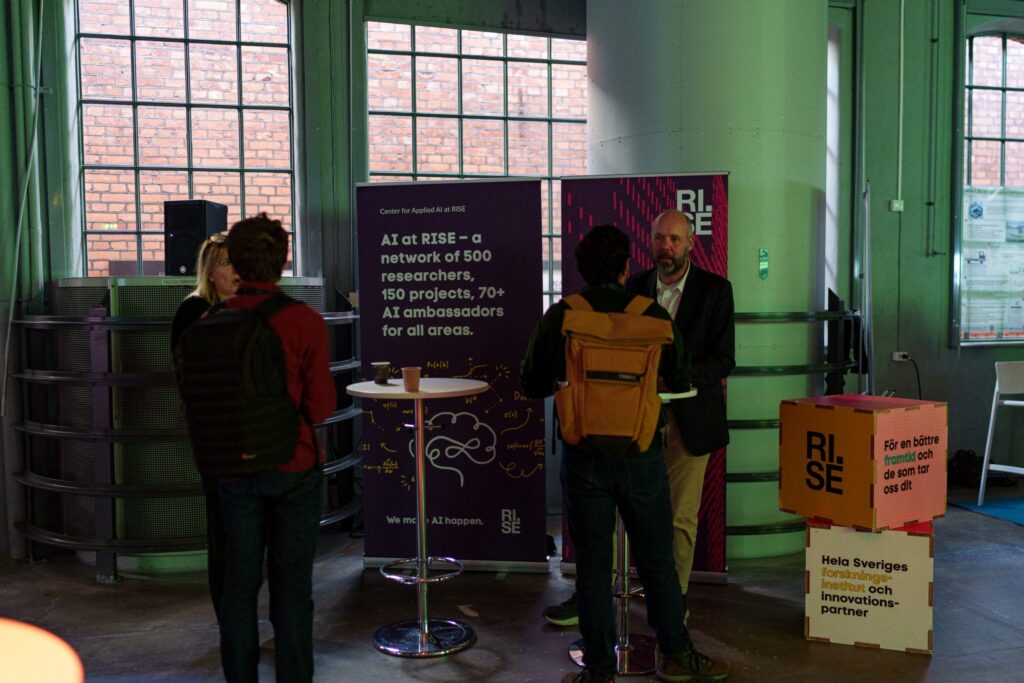
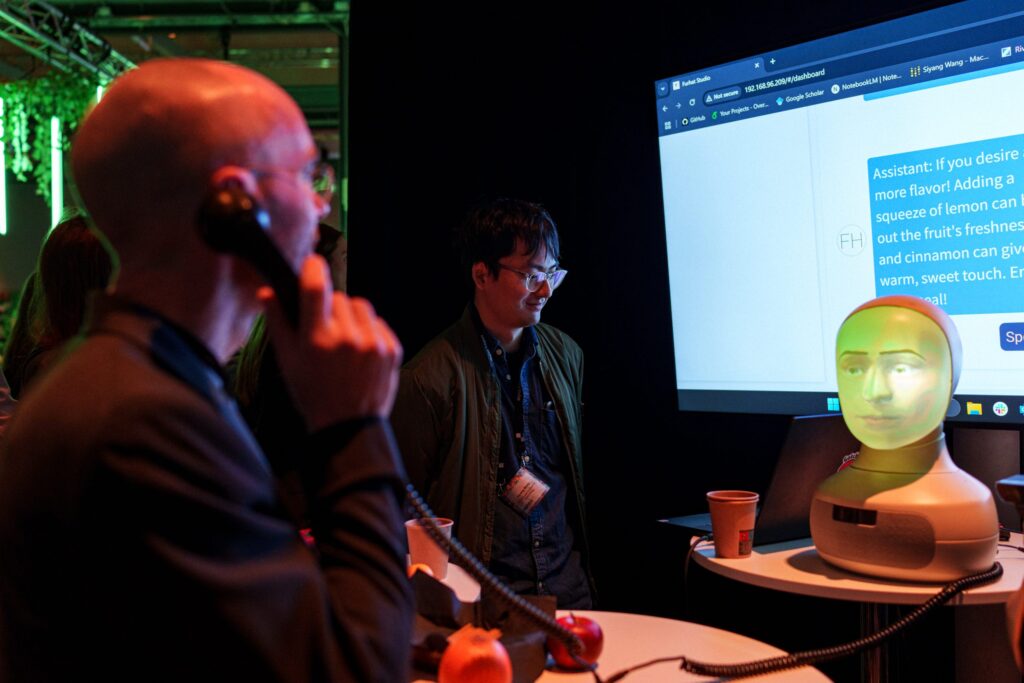
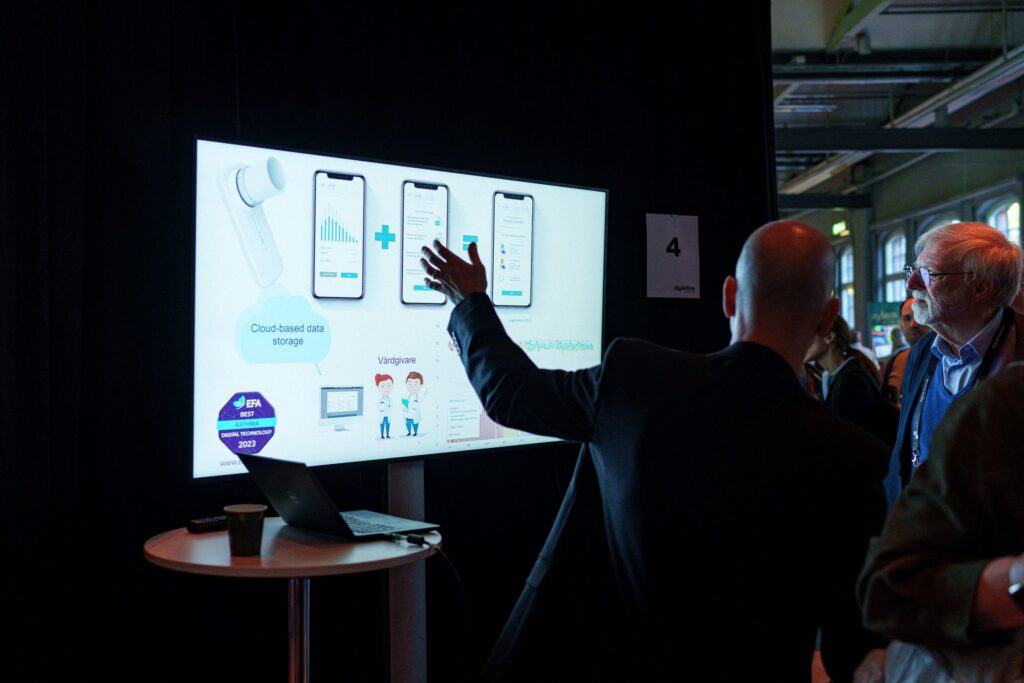
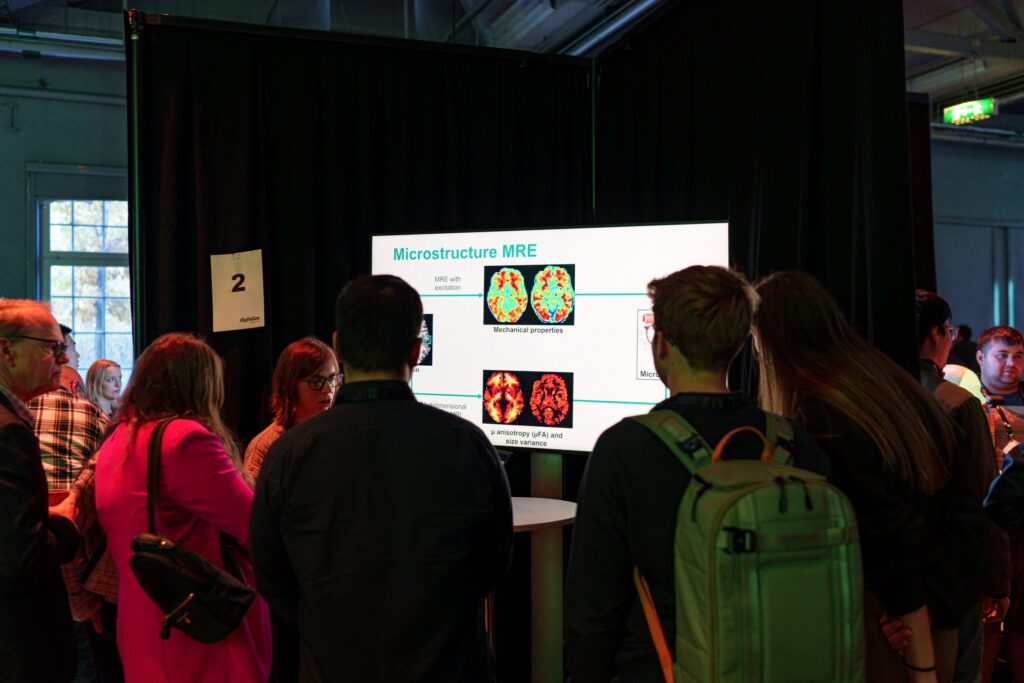
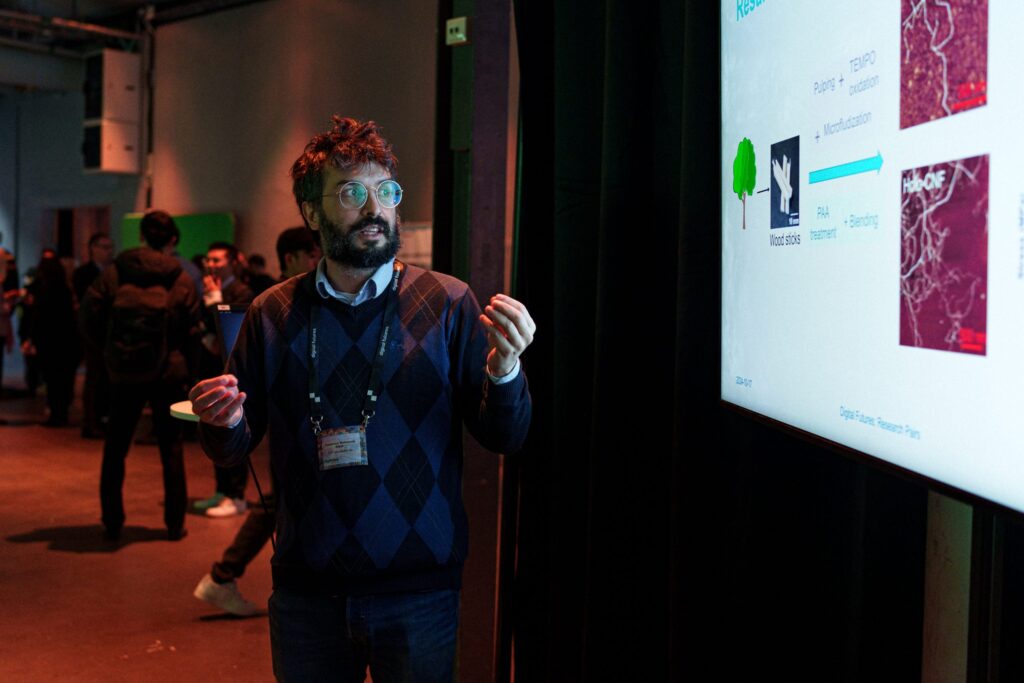
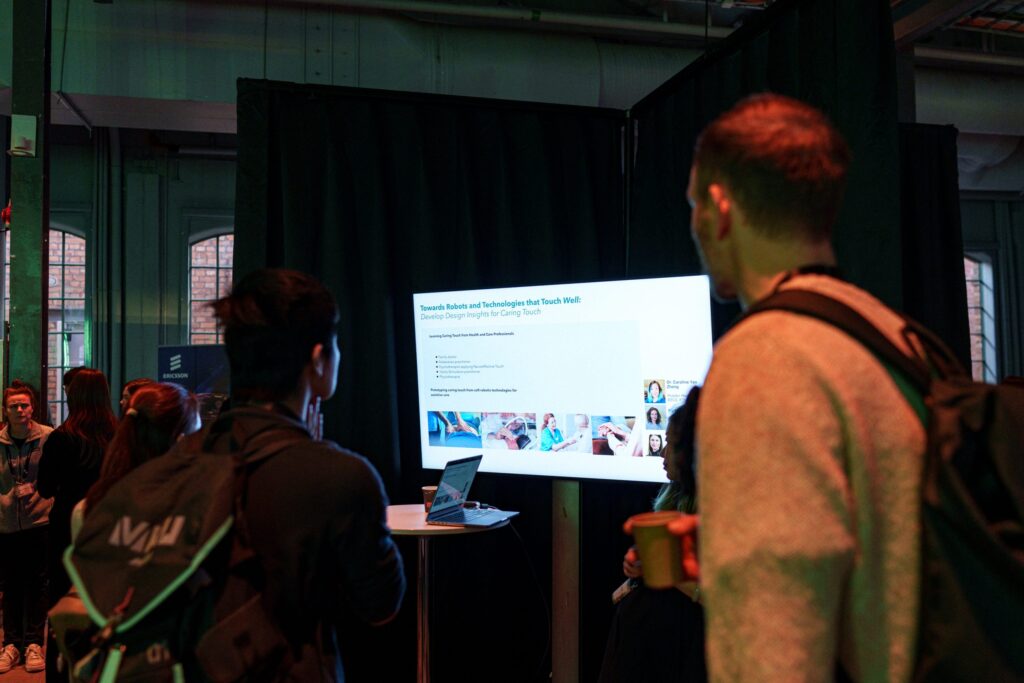
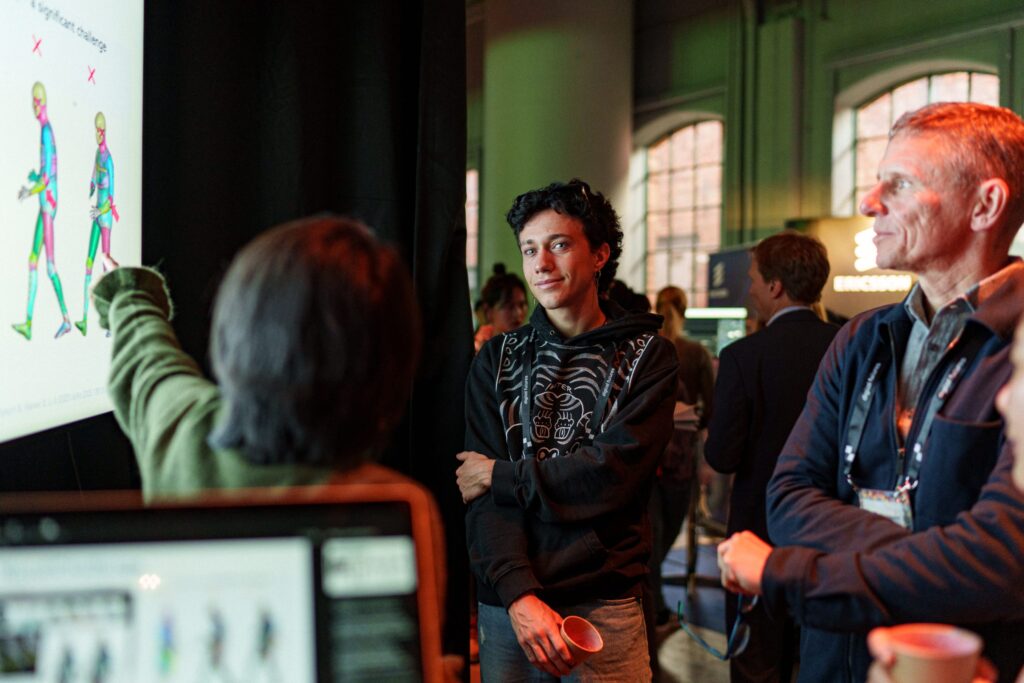
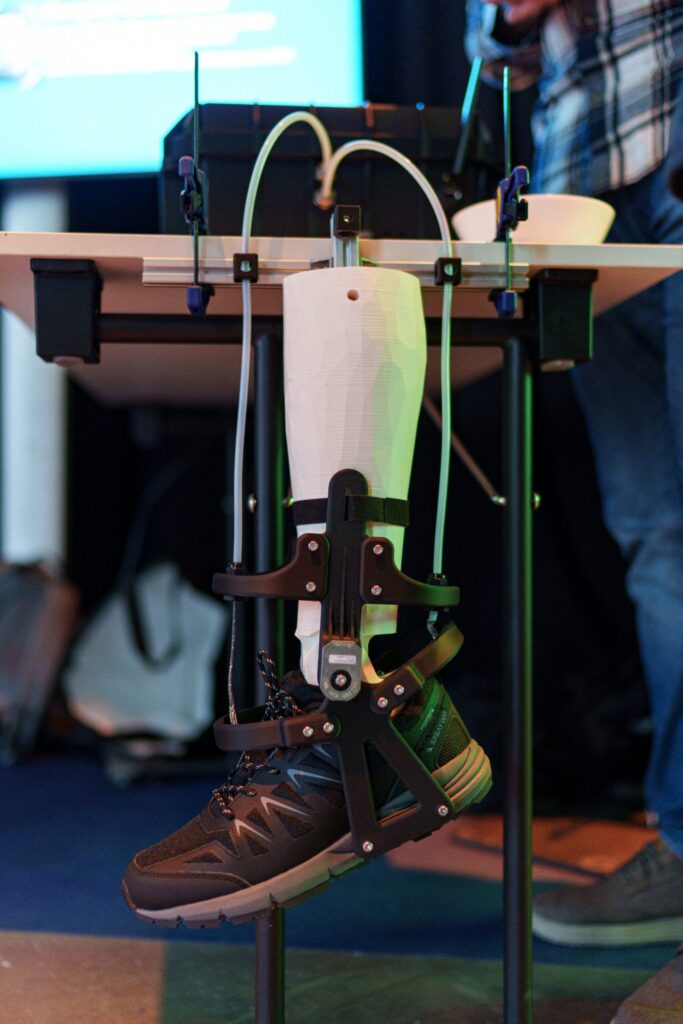
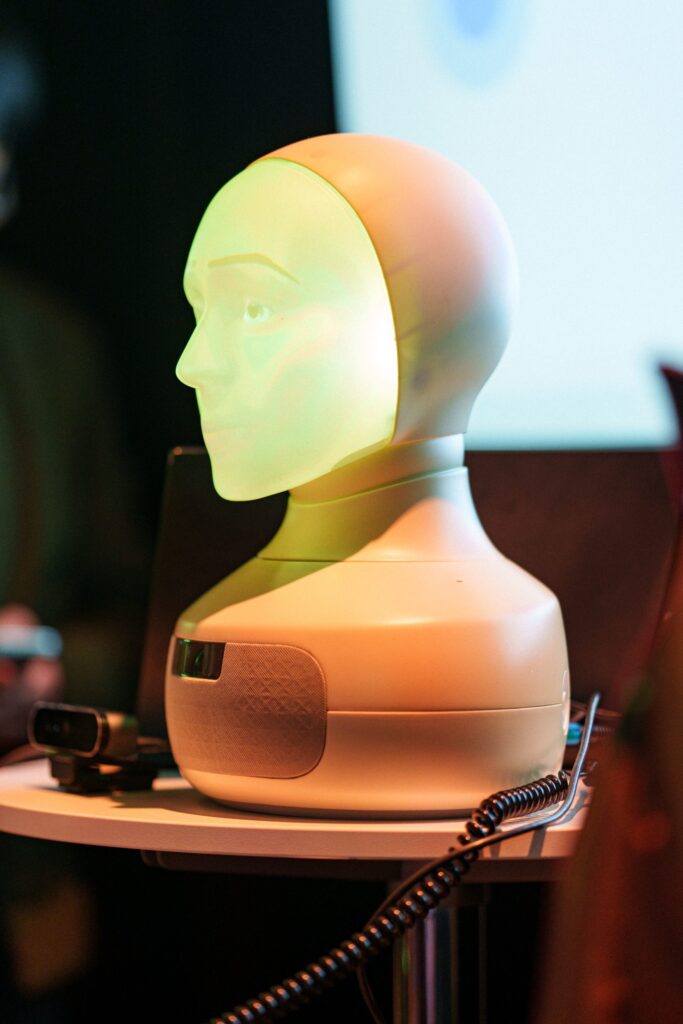
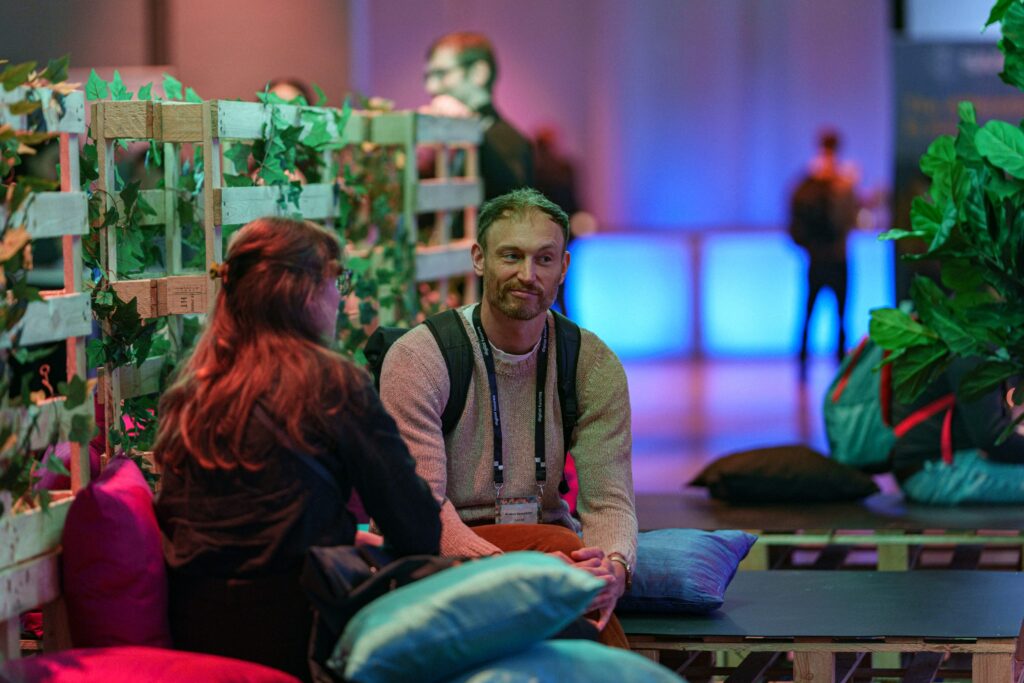
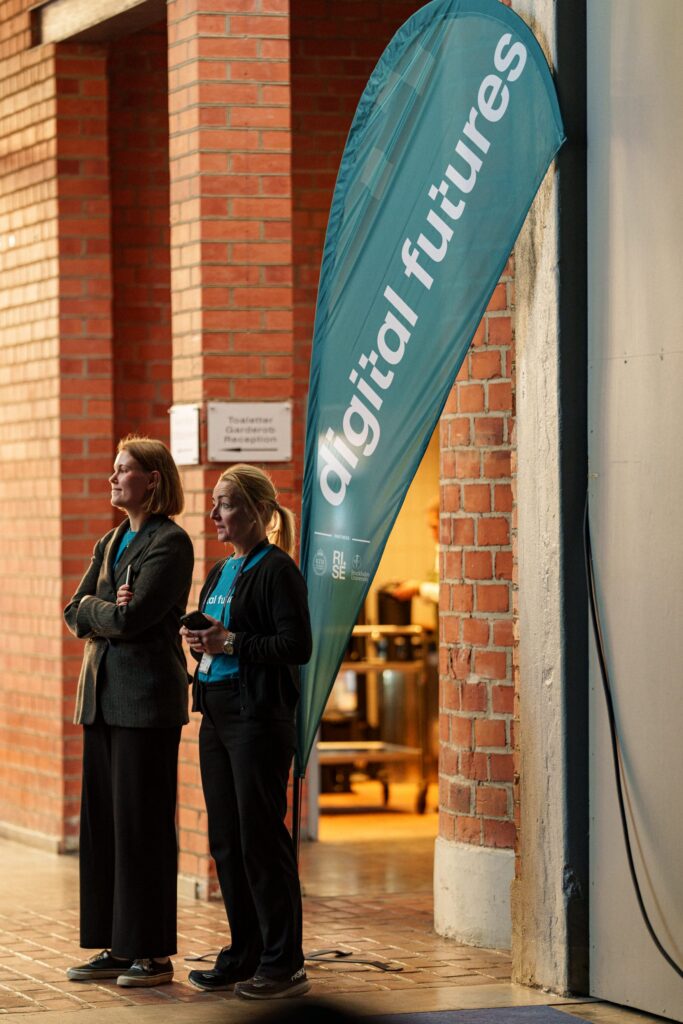
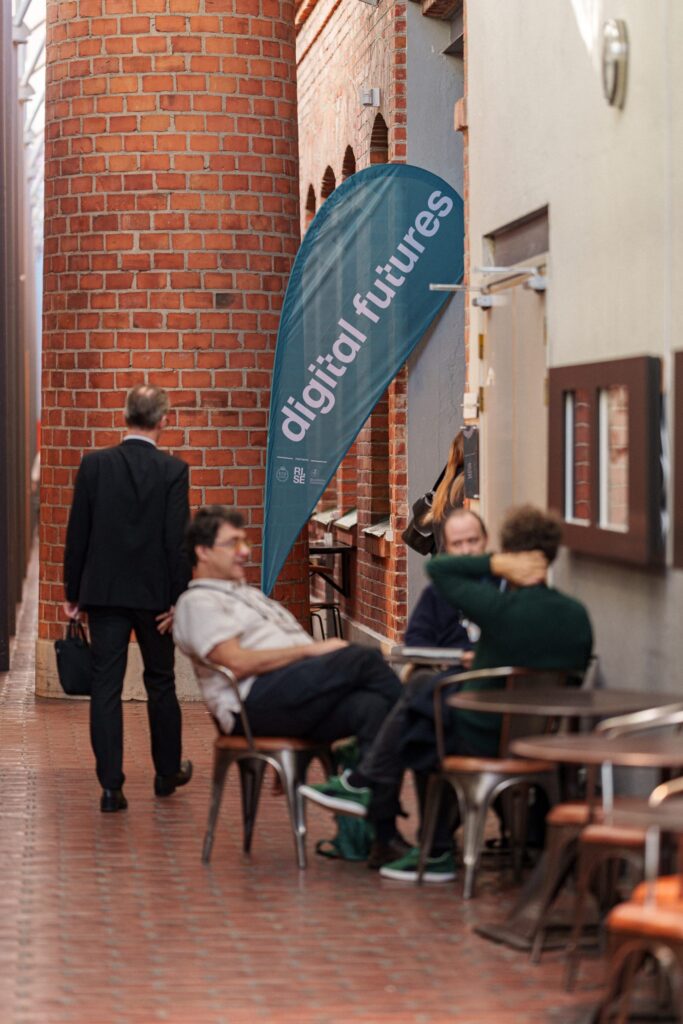
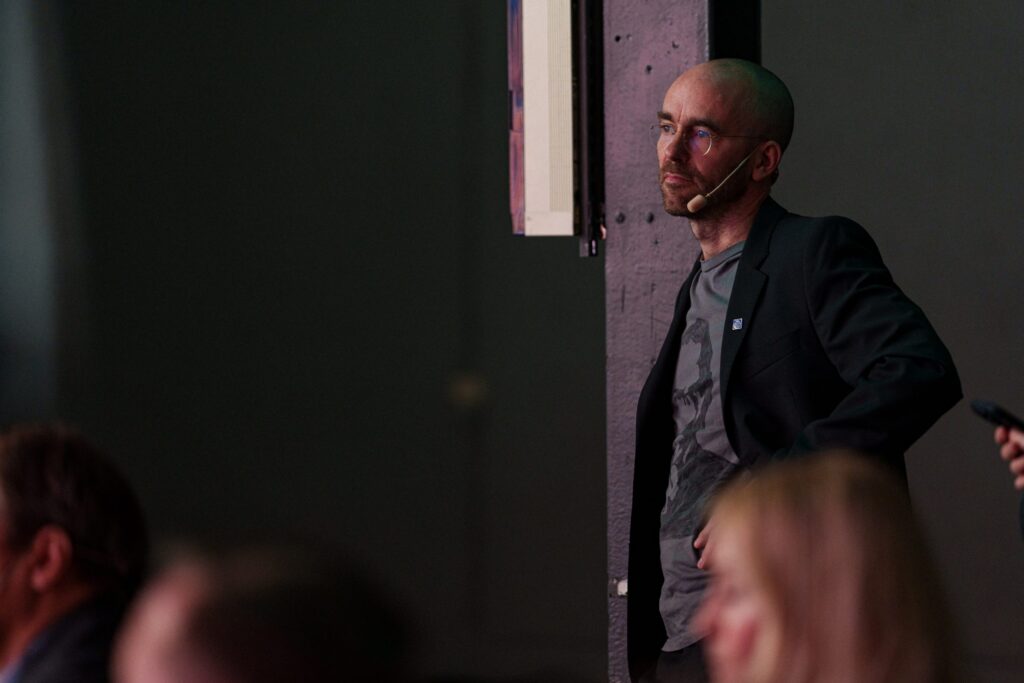
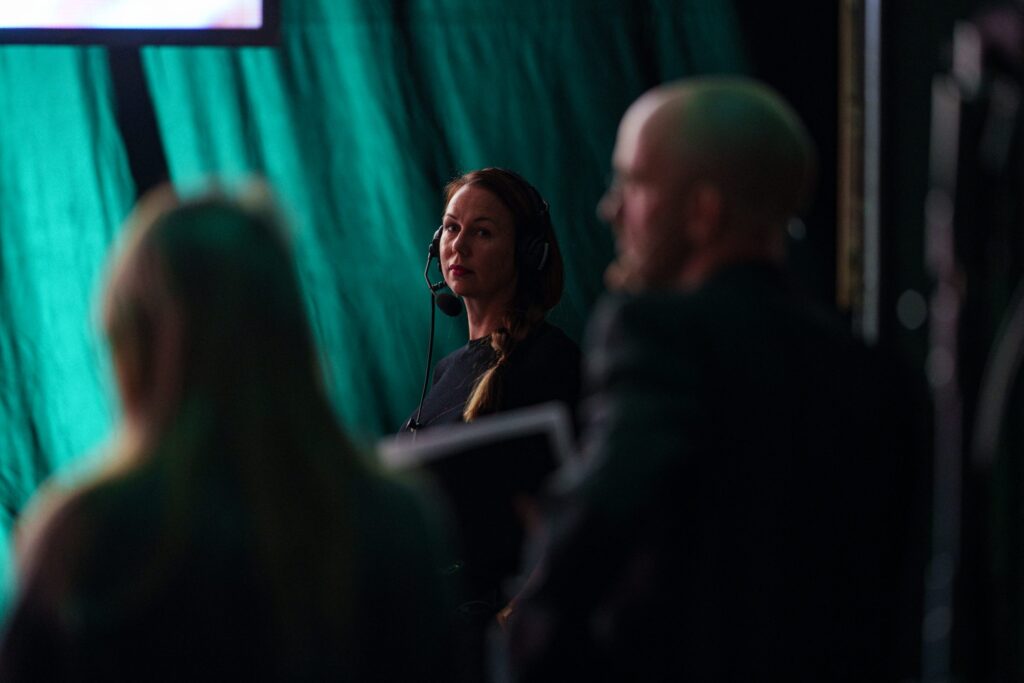
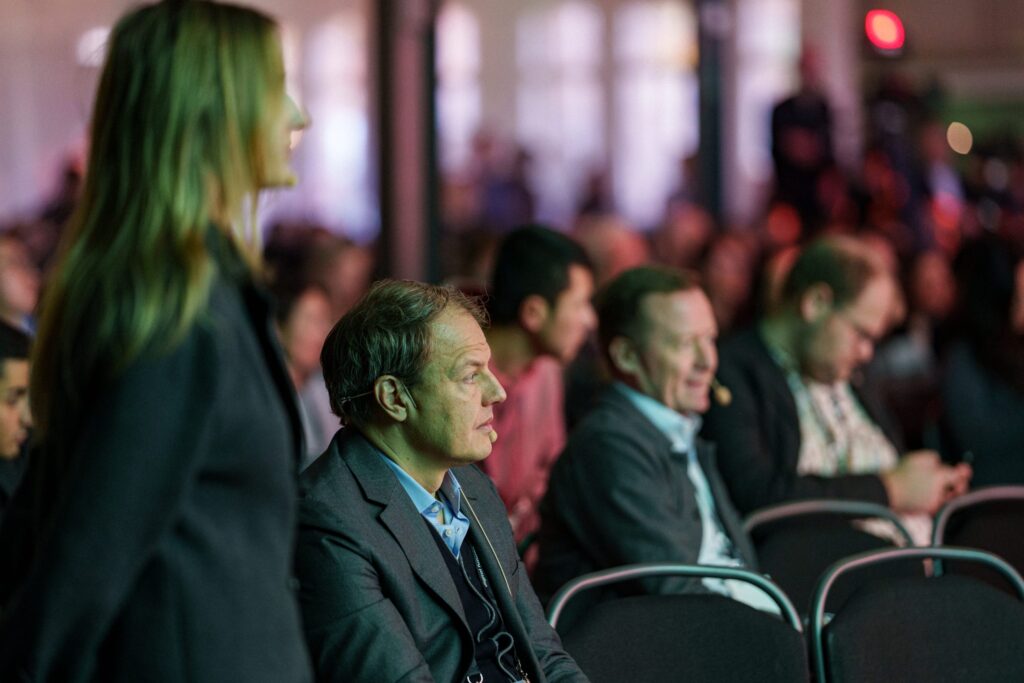
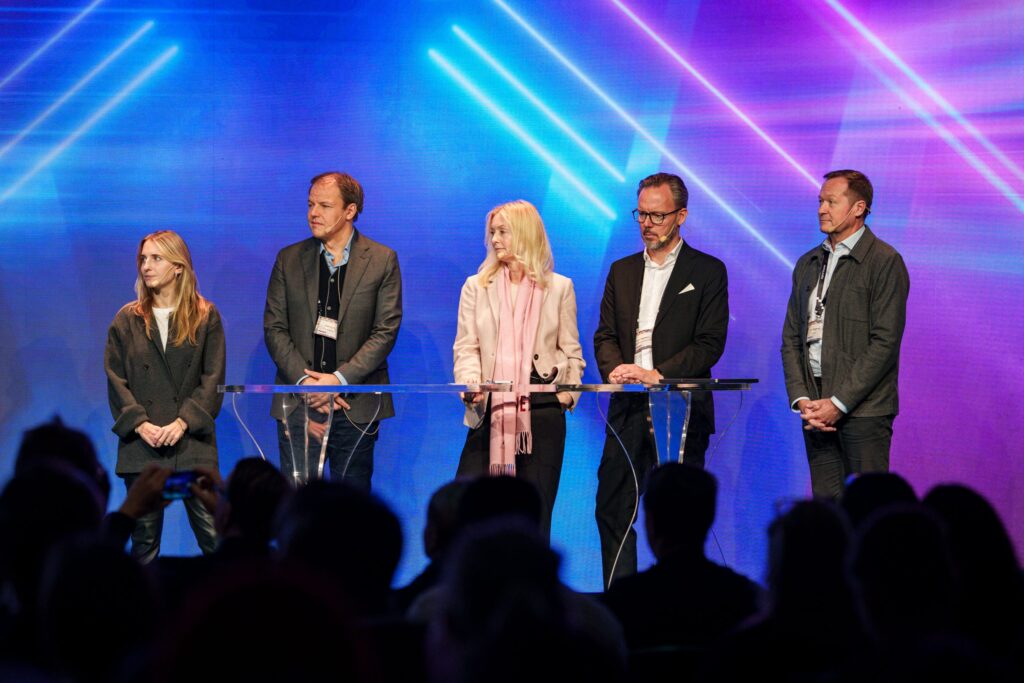
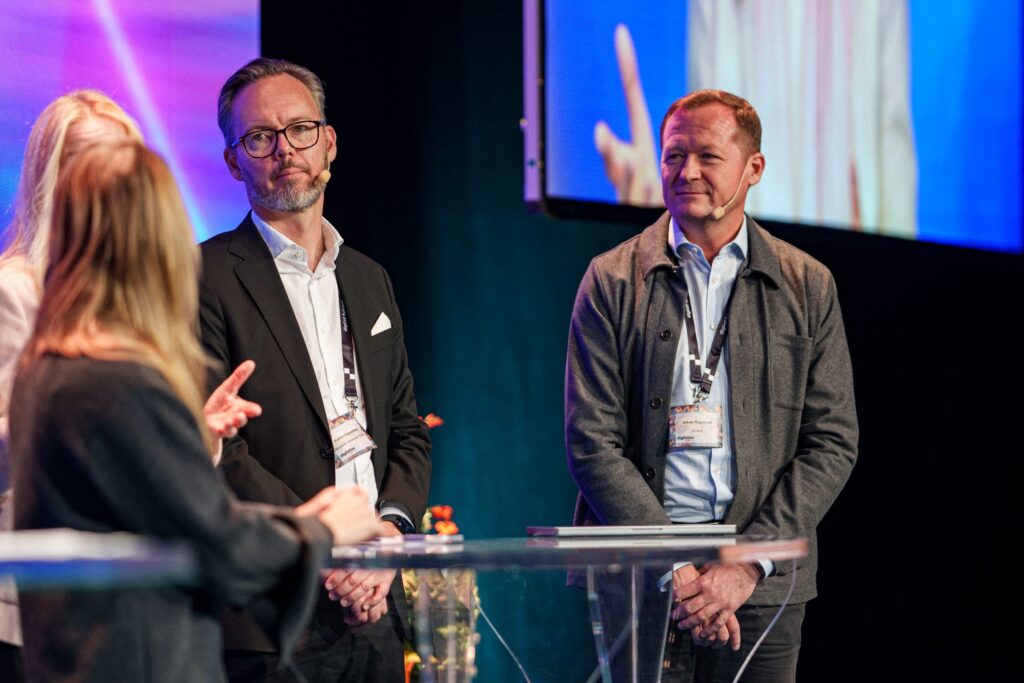
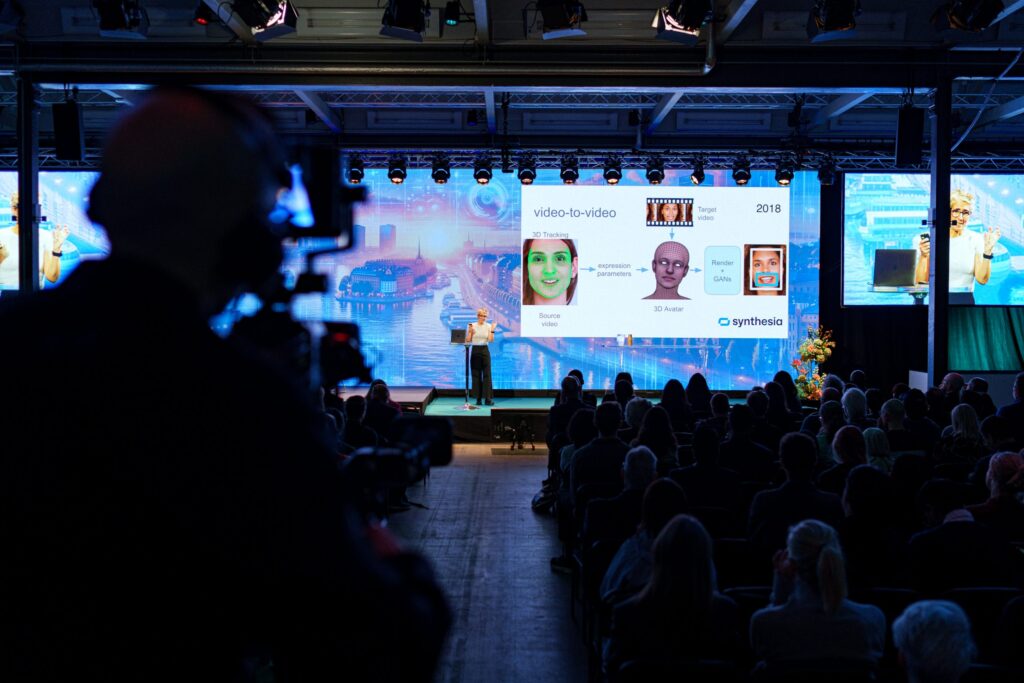
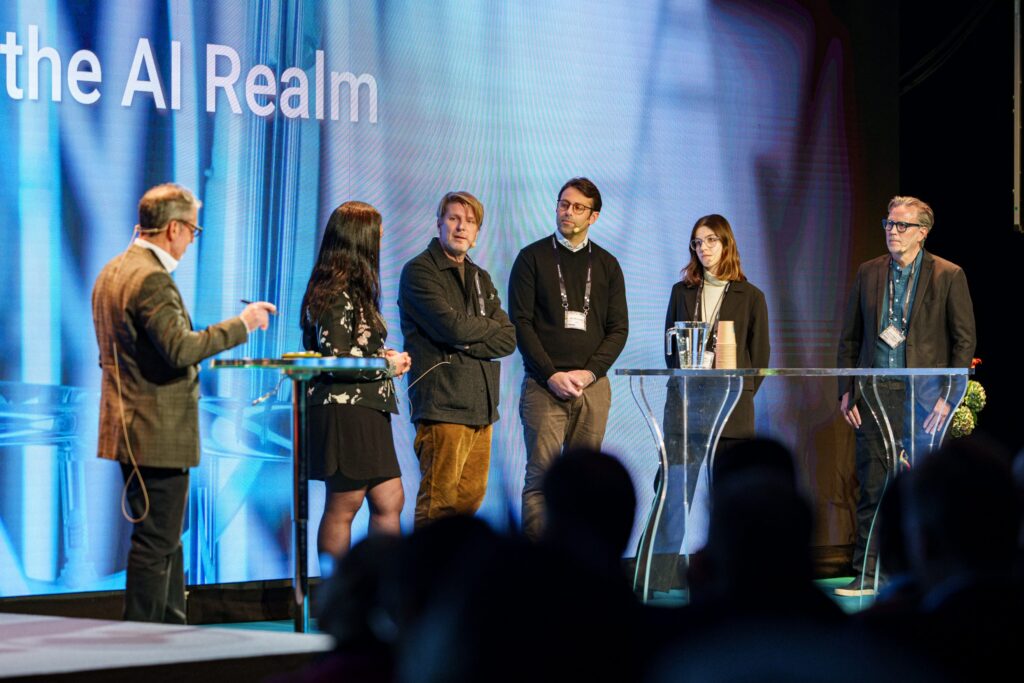
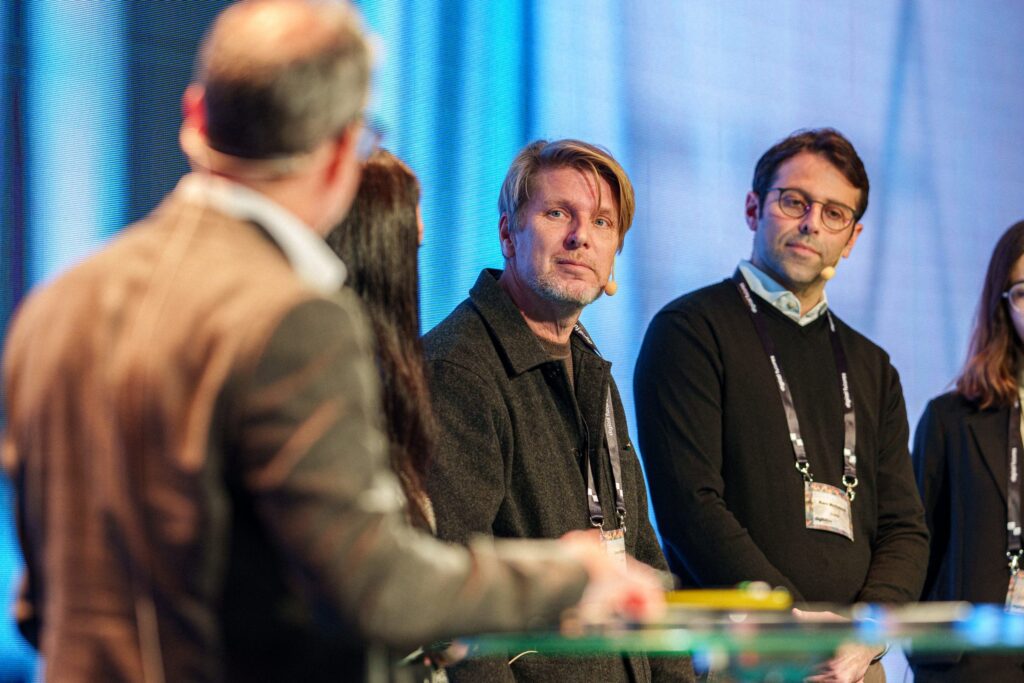
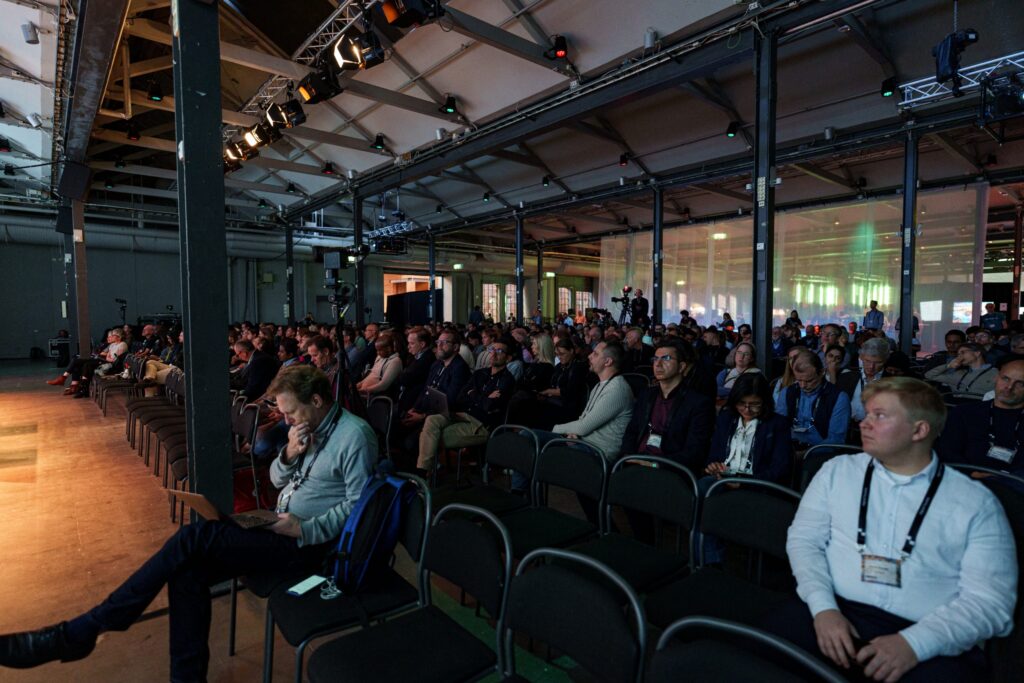
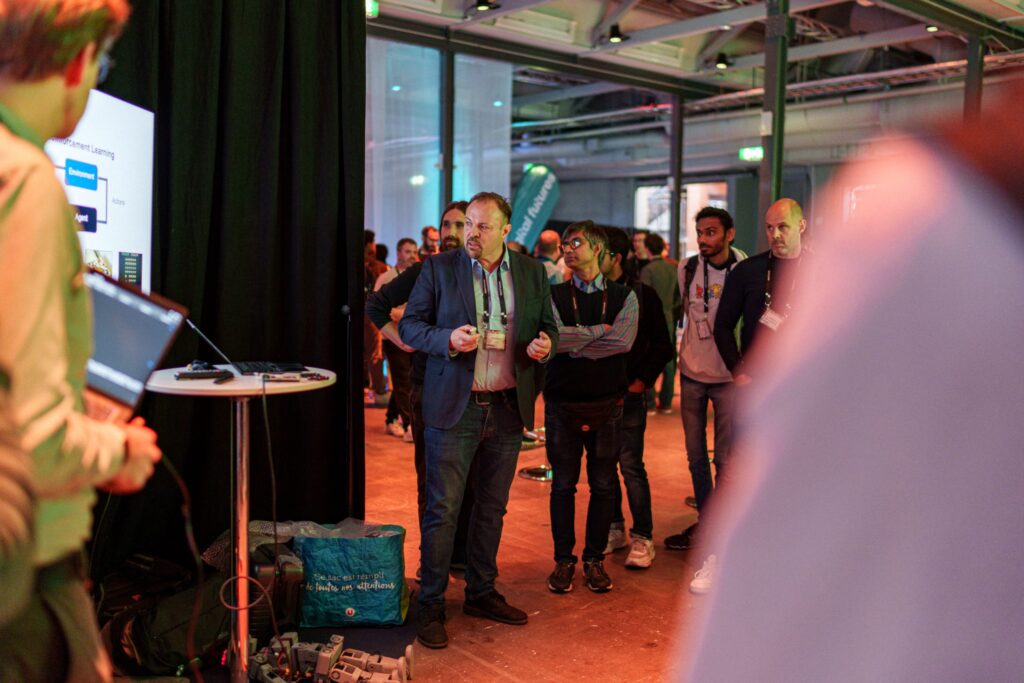
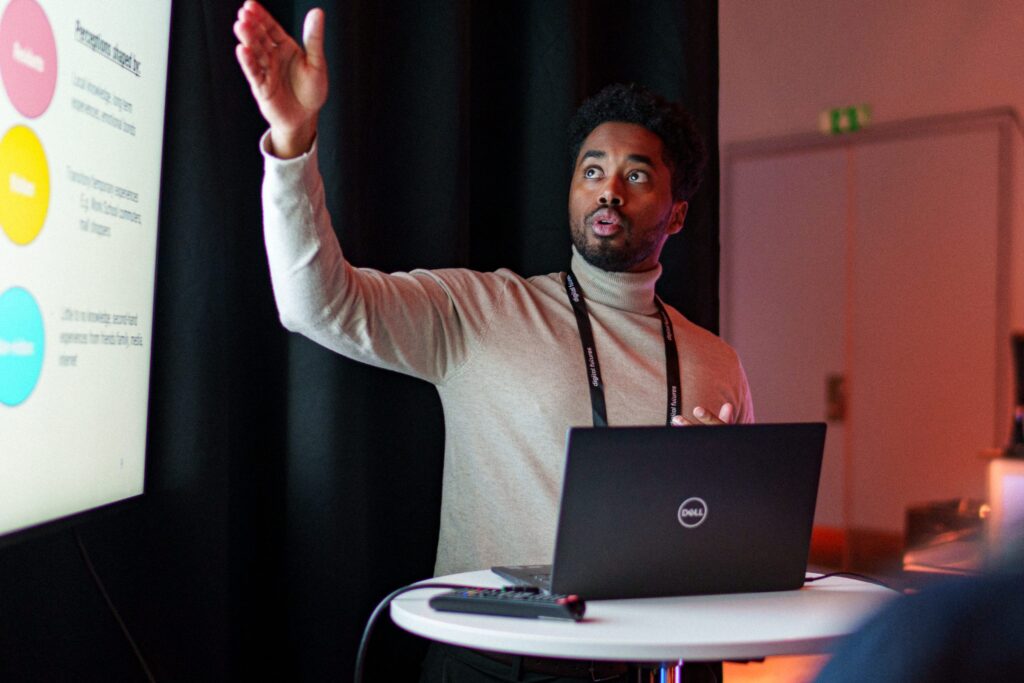
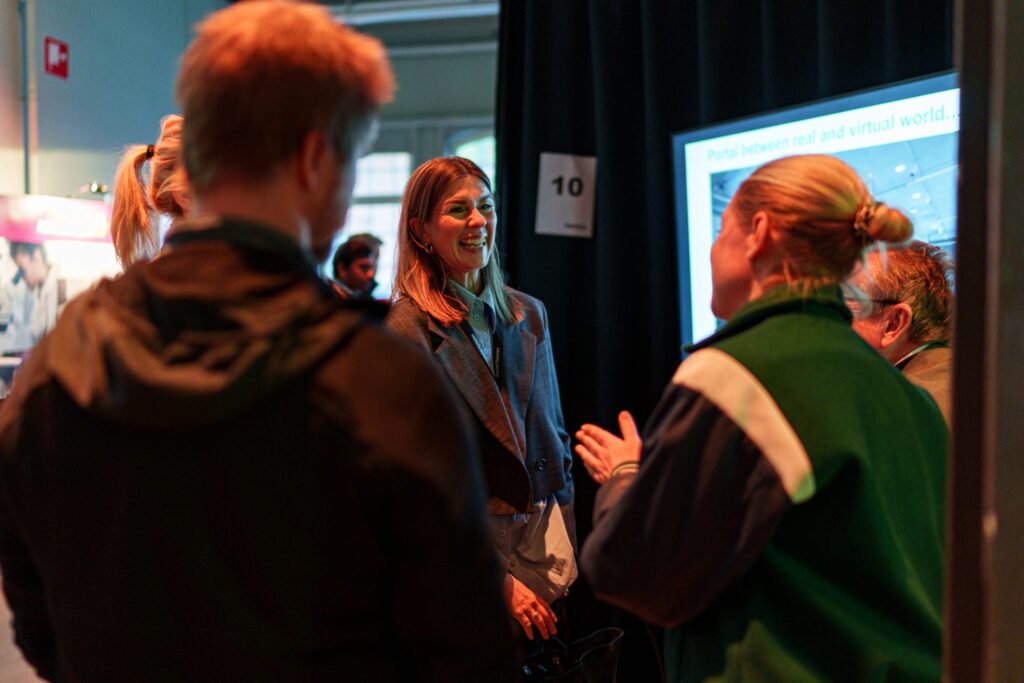
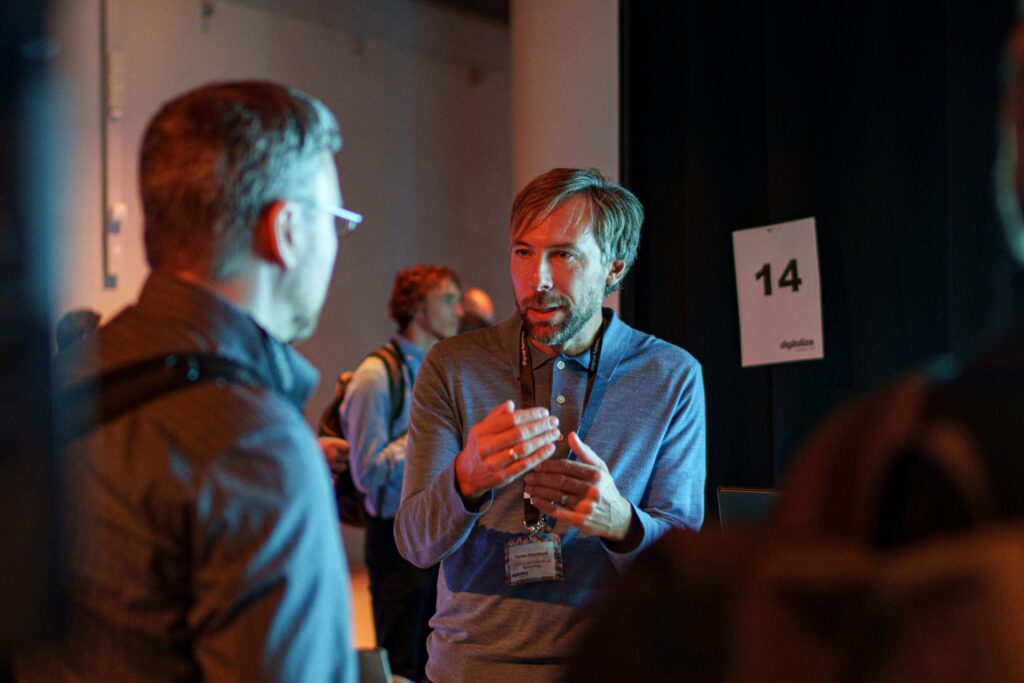
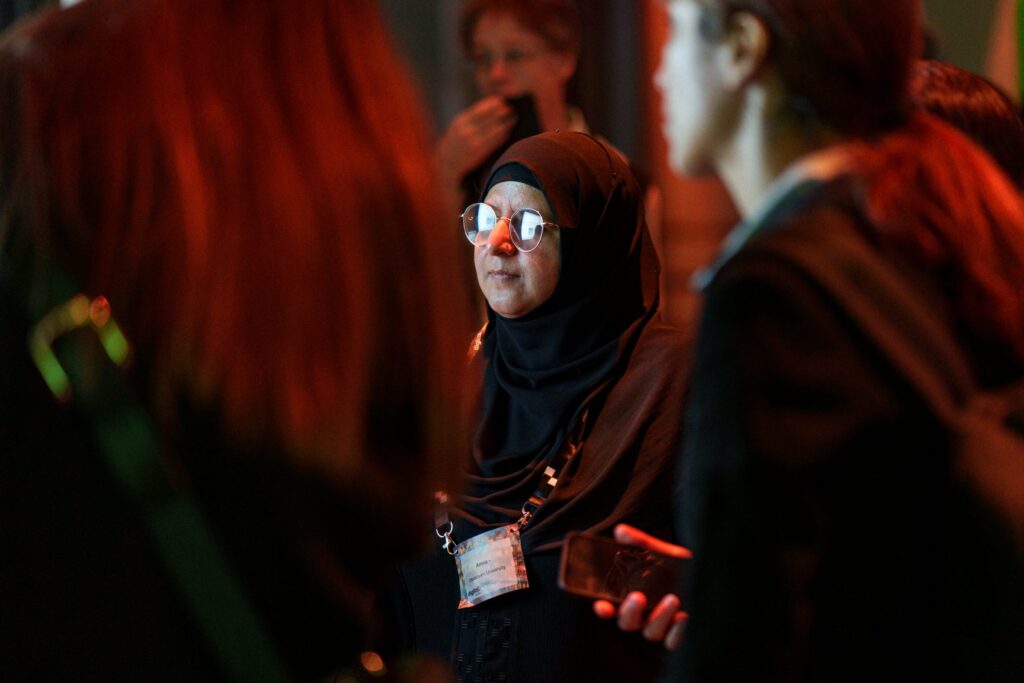
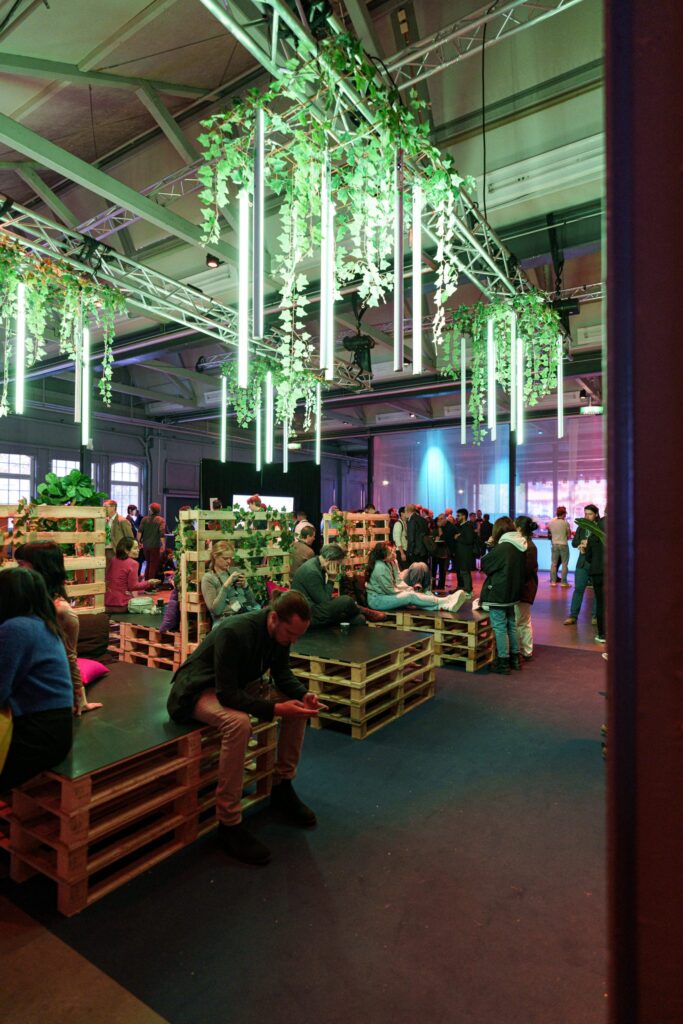
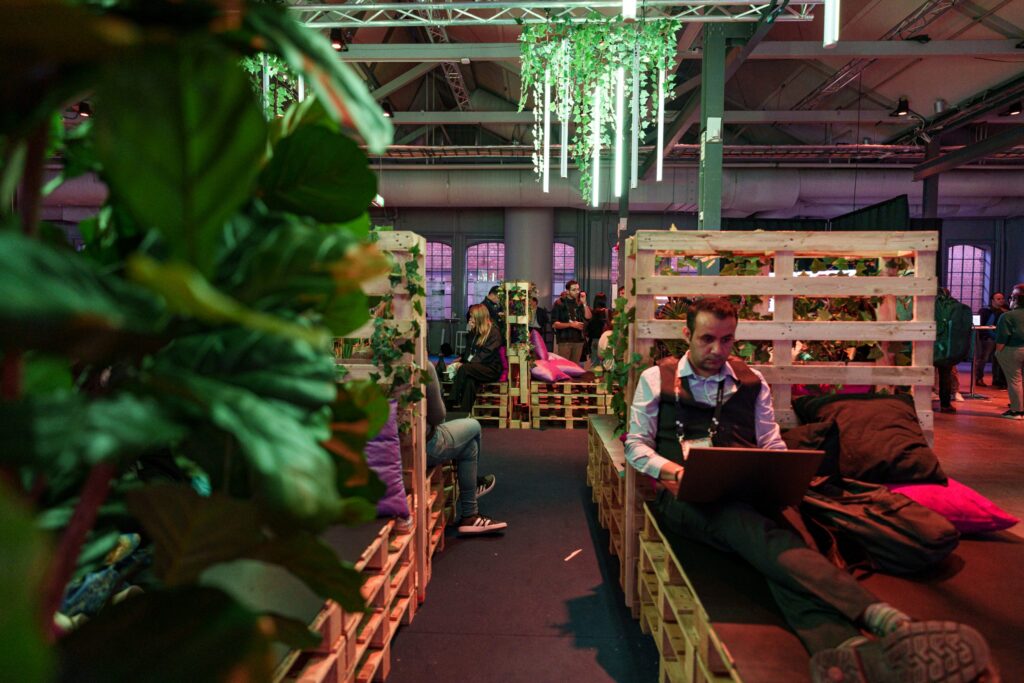
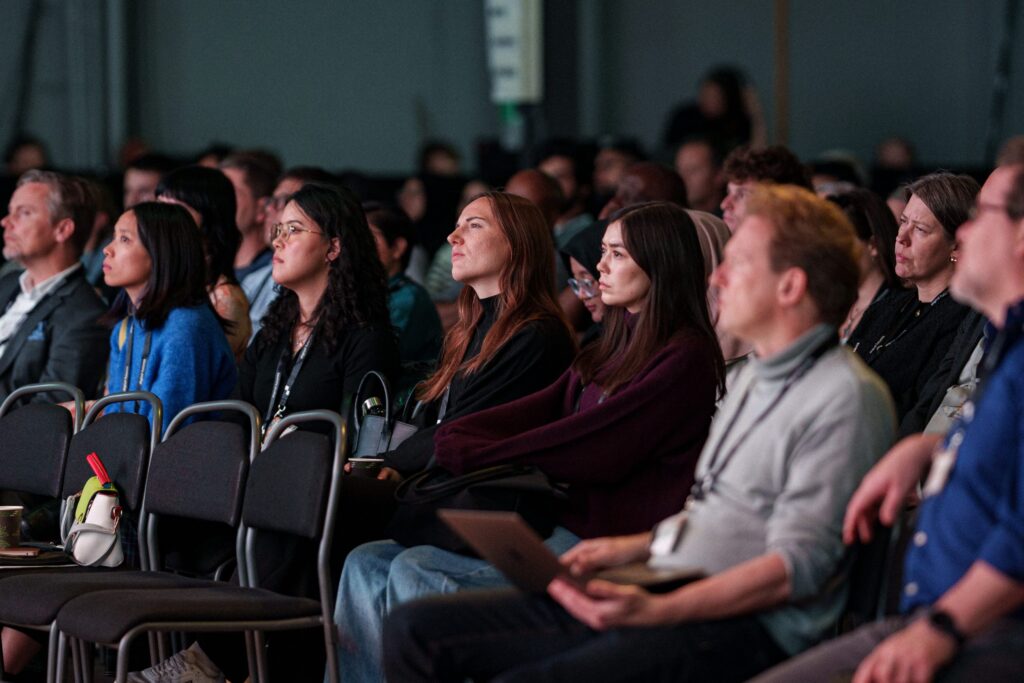
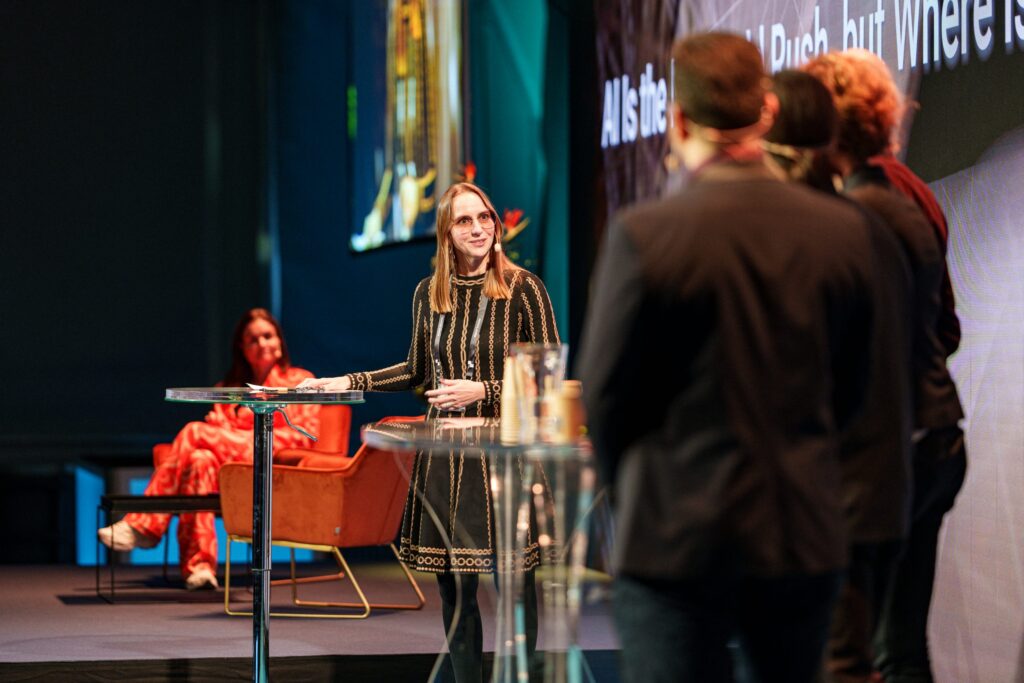
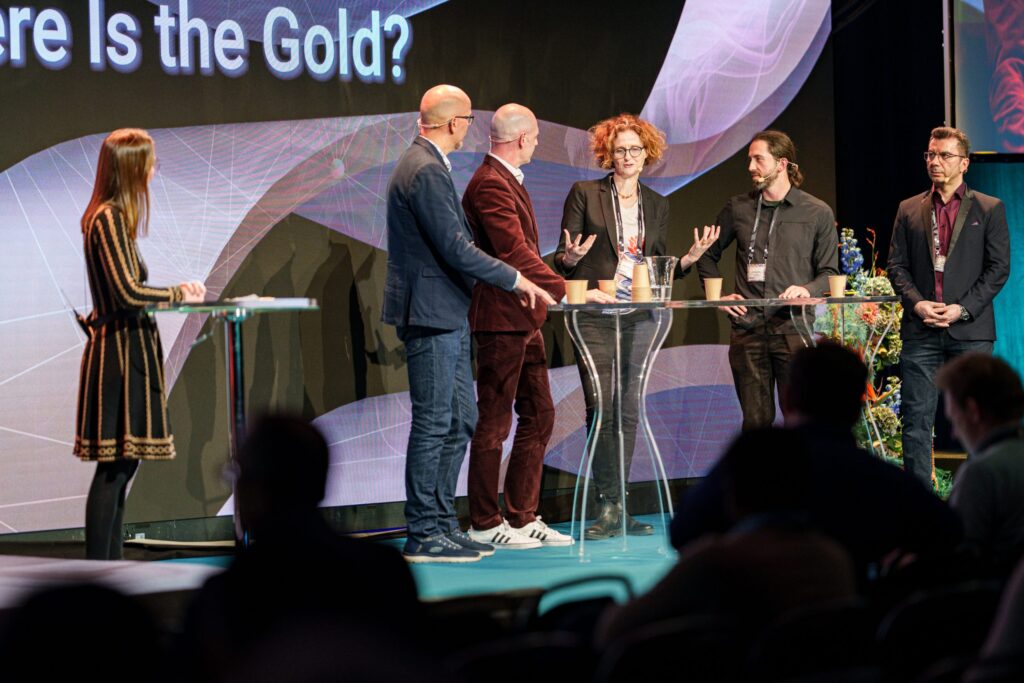
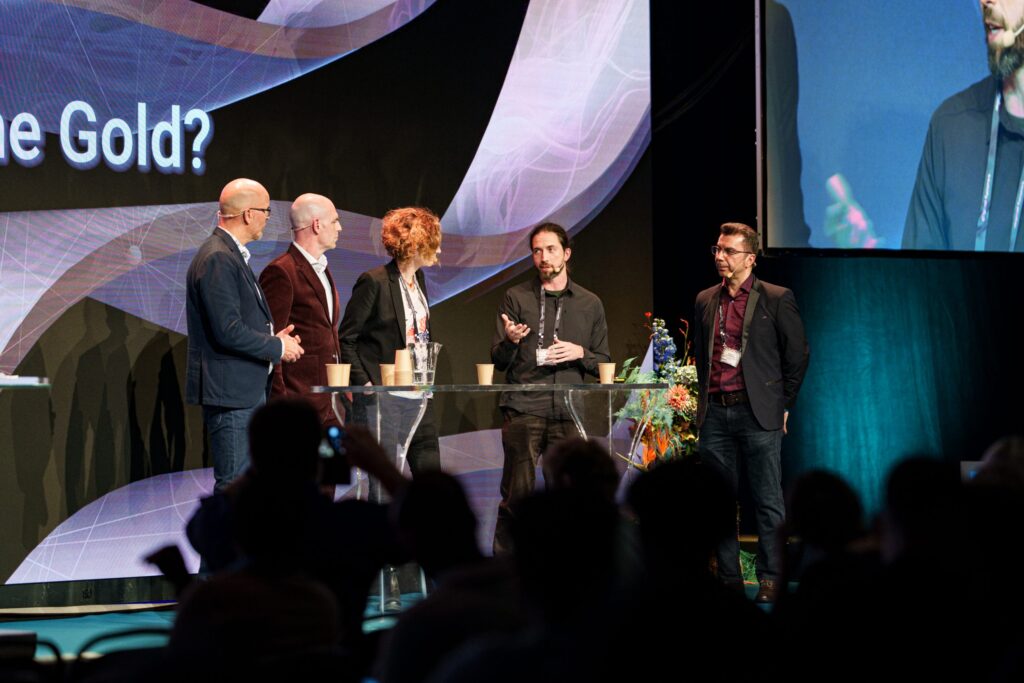
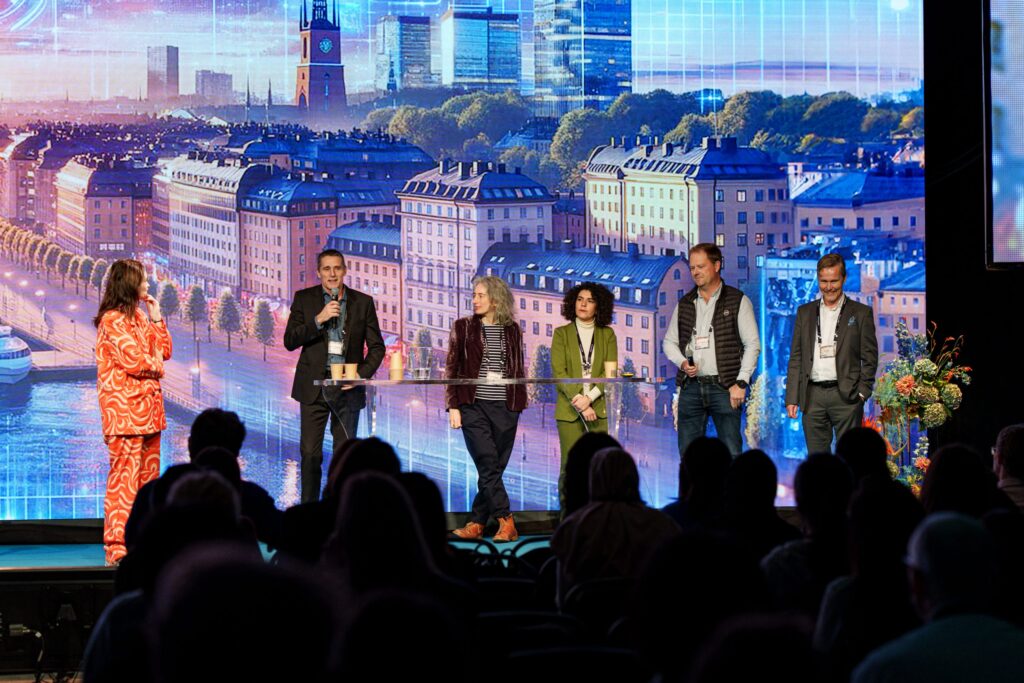
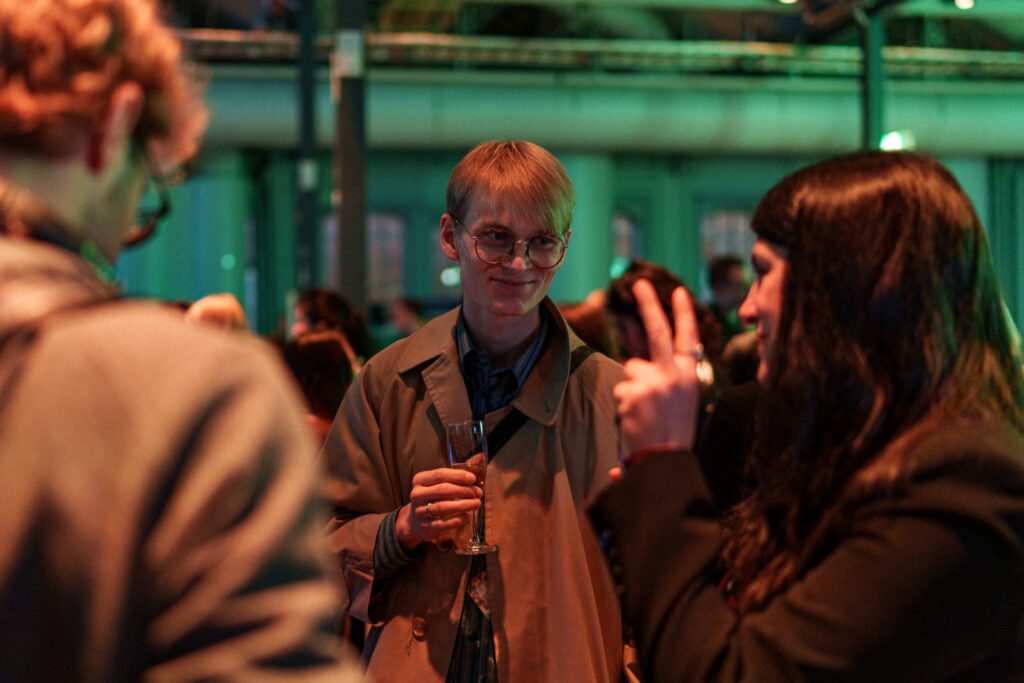
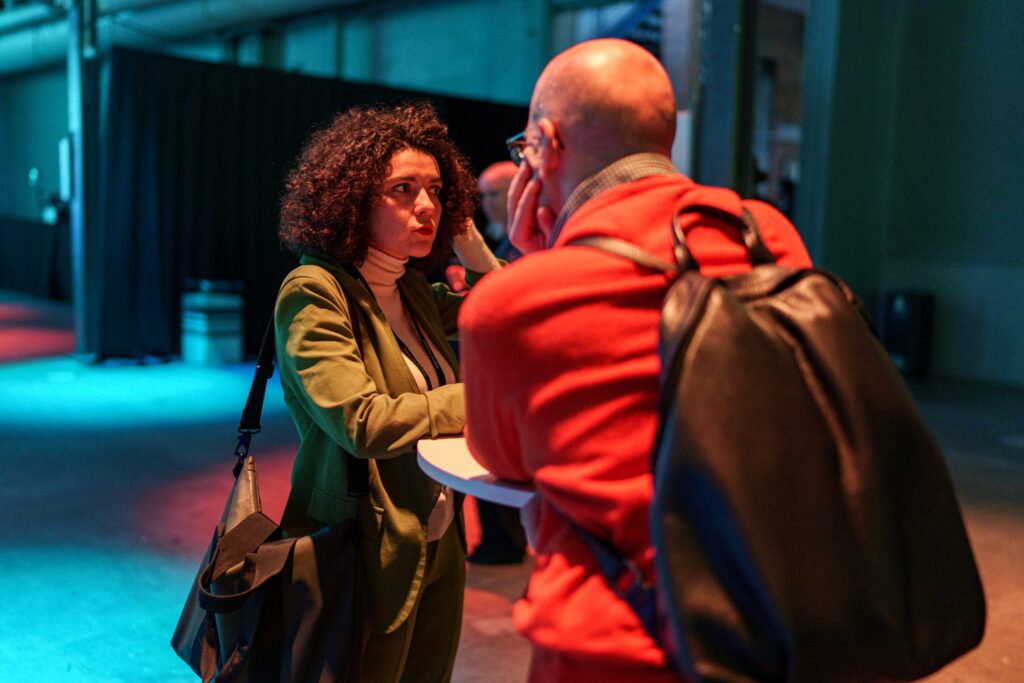
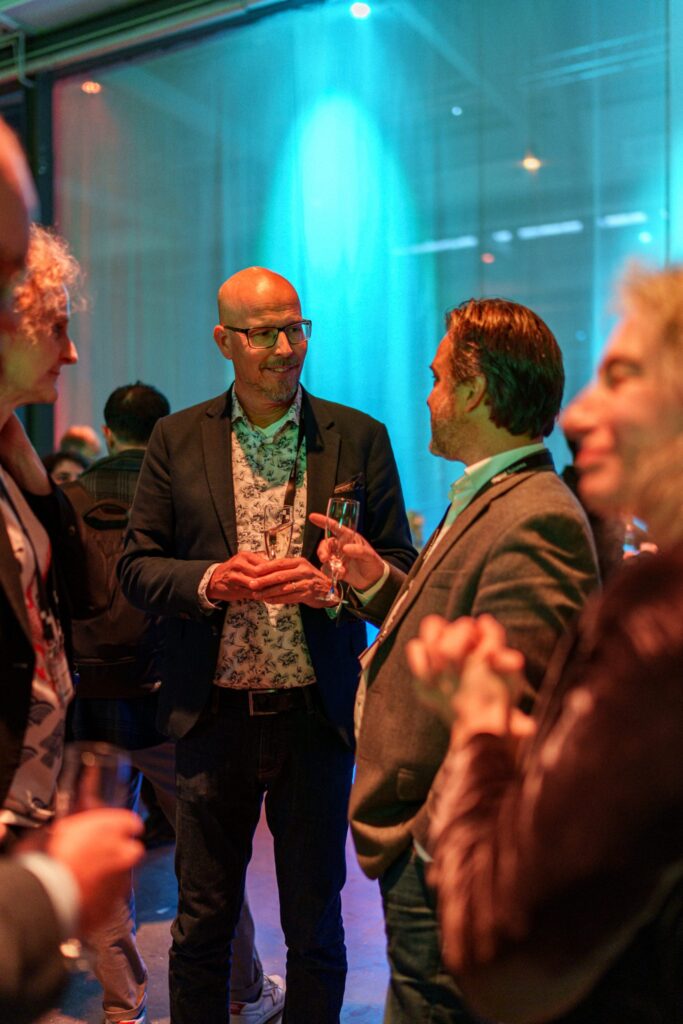
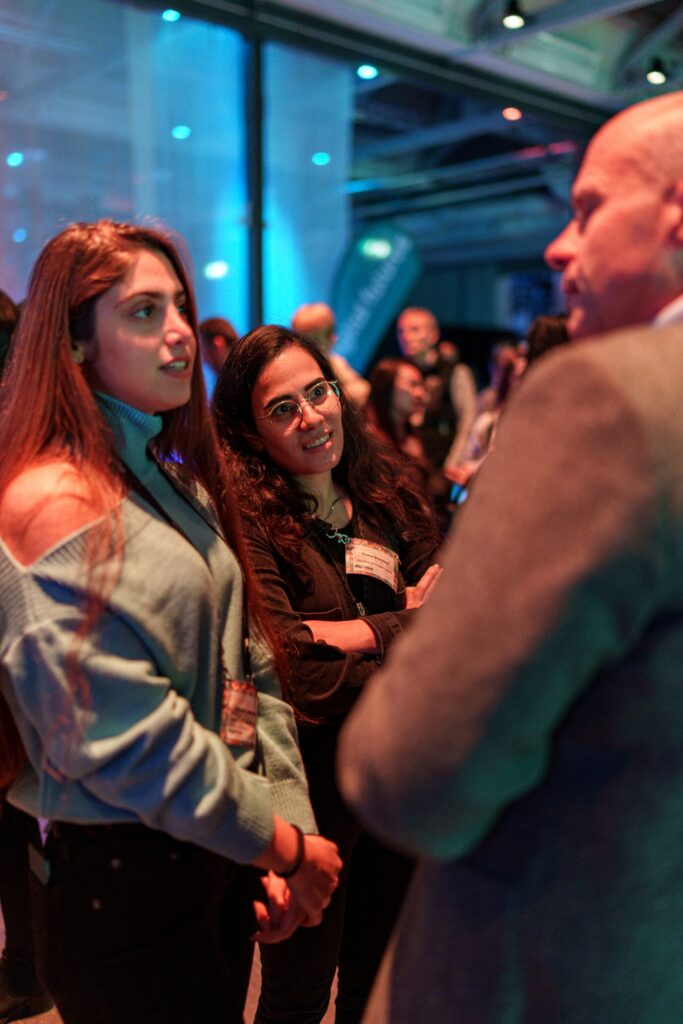
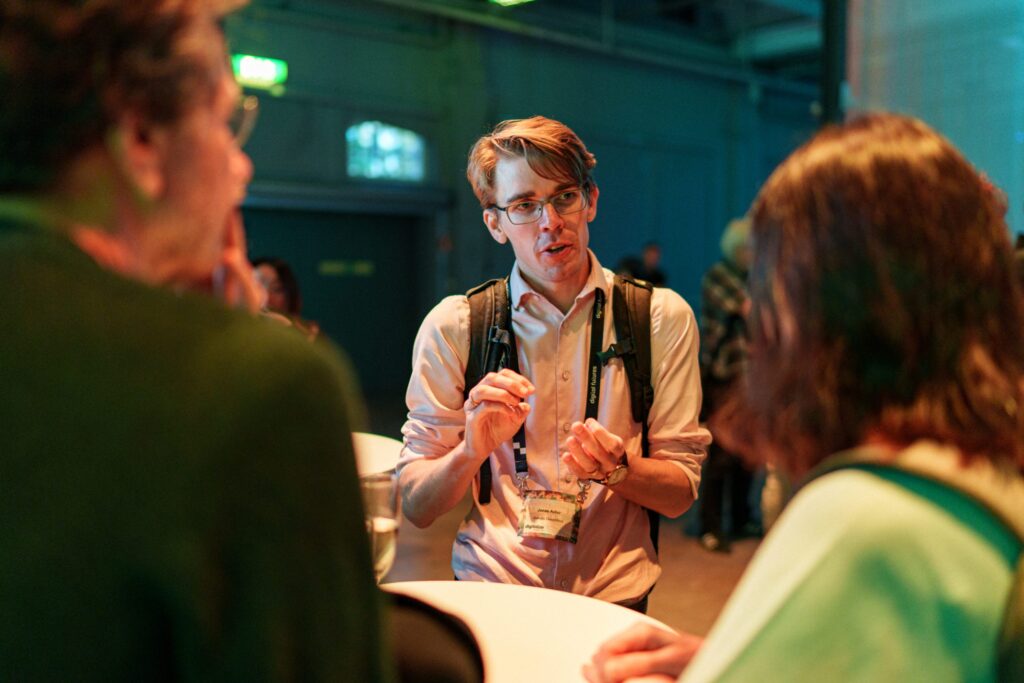
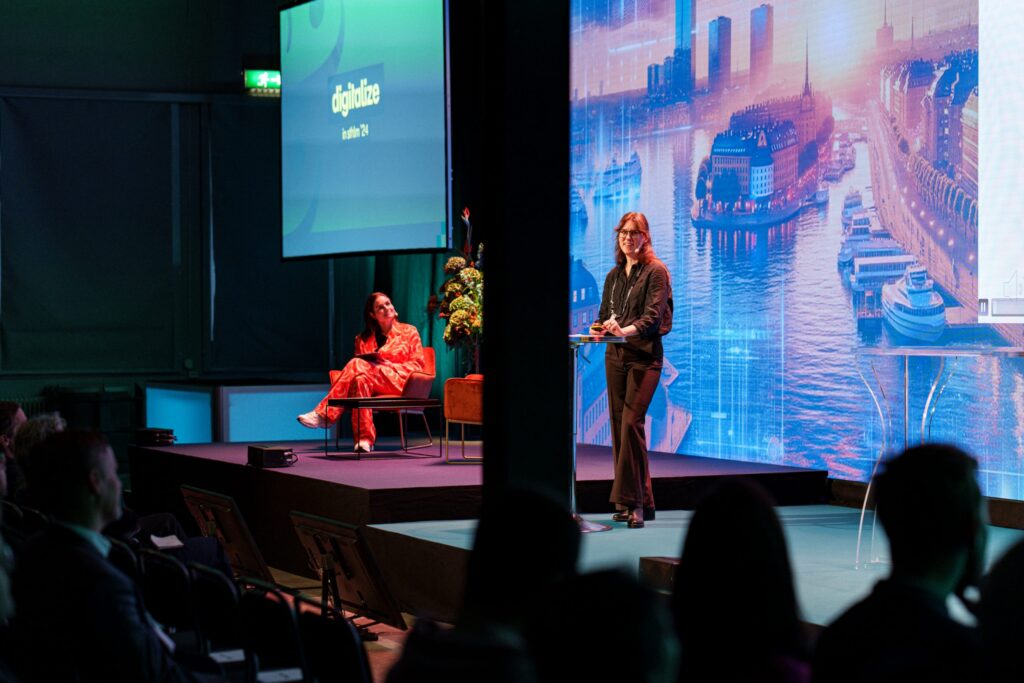
Some days are just great! Digitalize in Stockholm on 17 October at Nacka Strand Möten & Event was definitely one of those days!
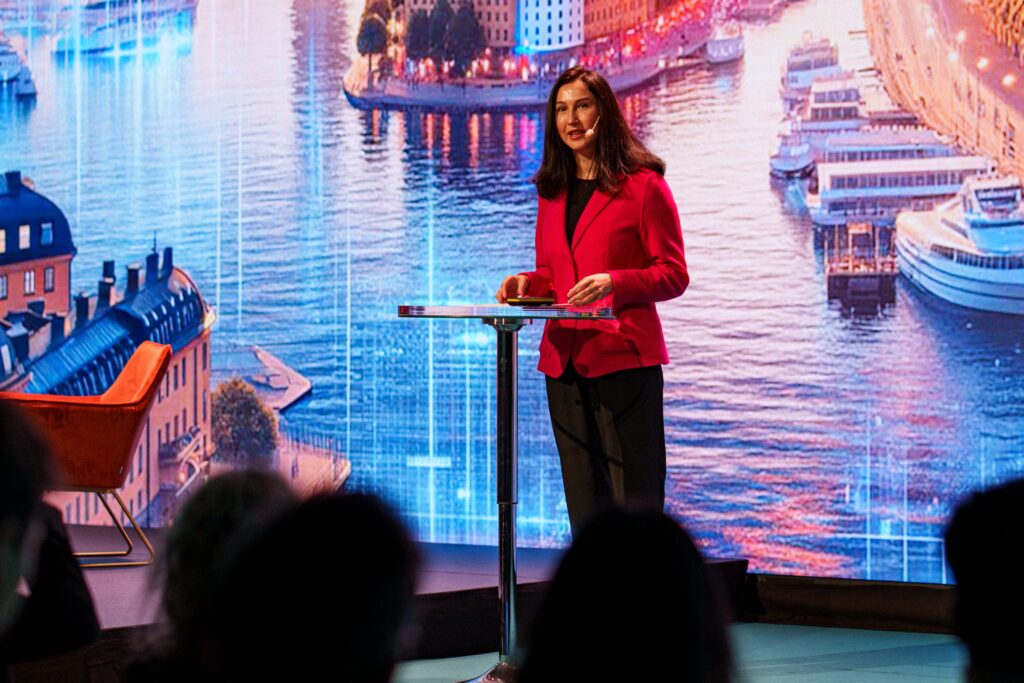
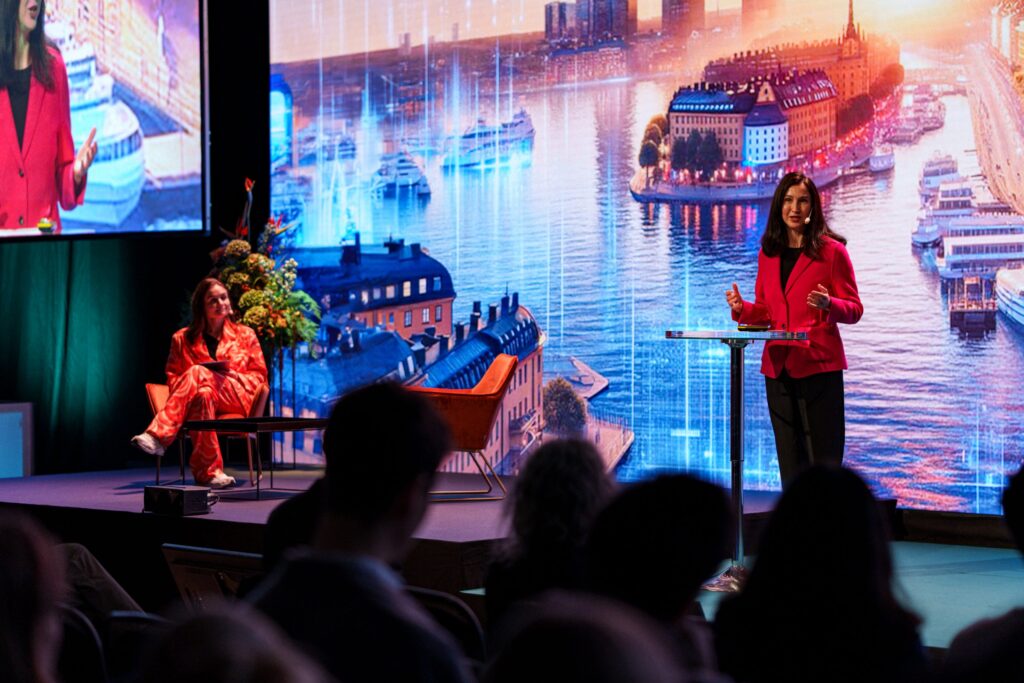
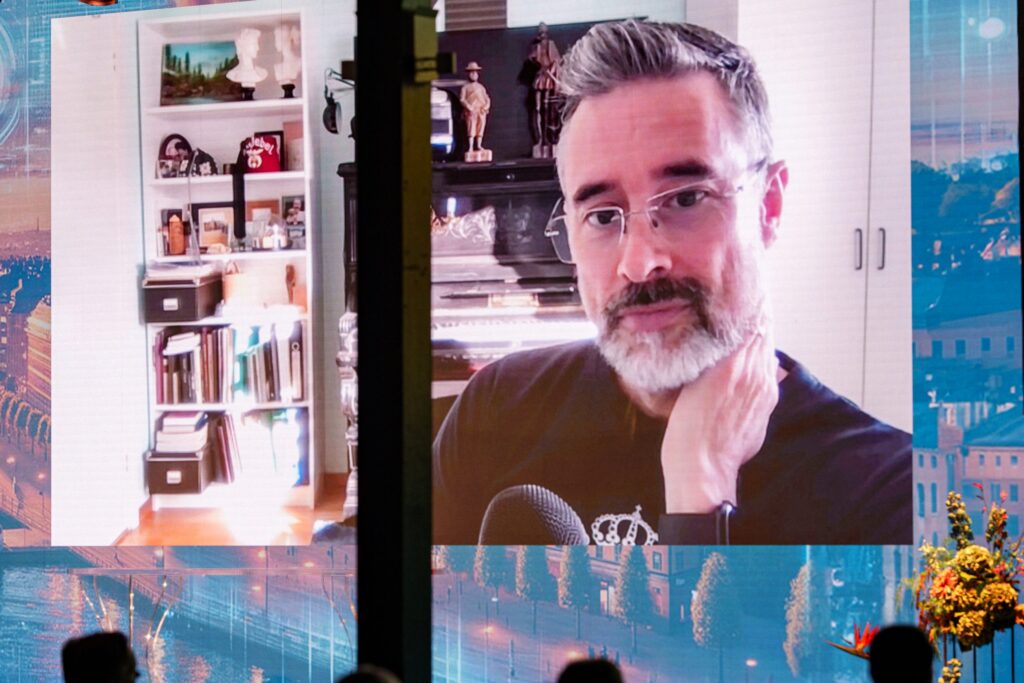
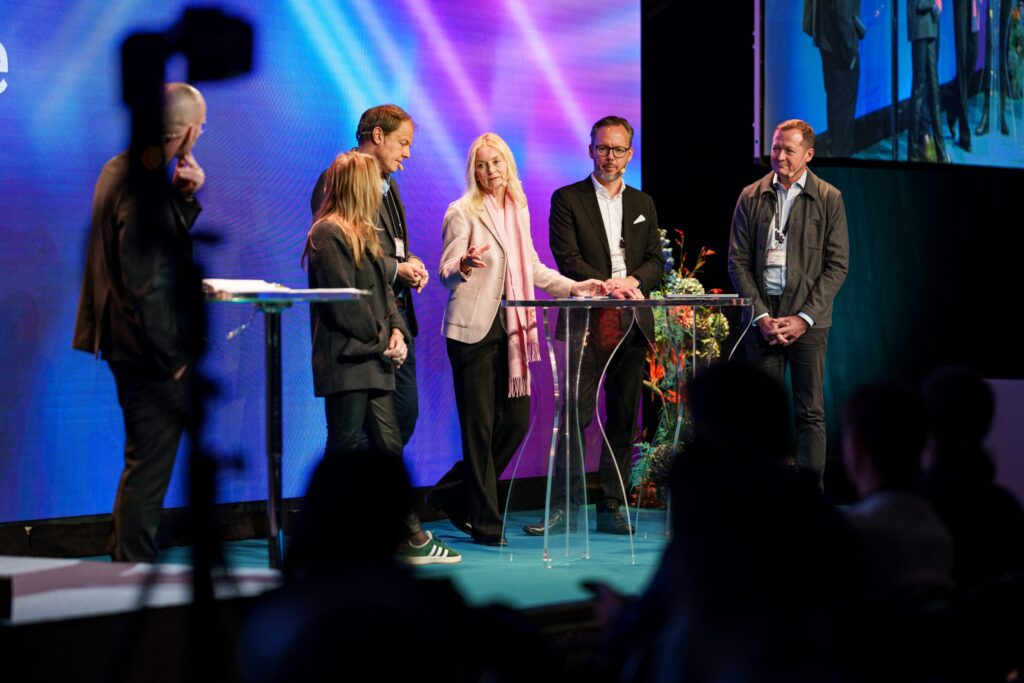
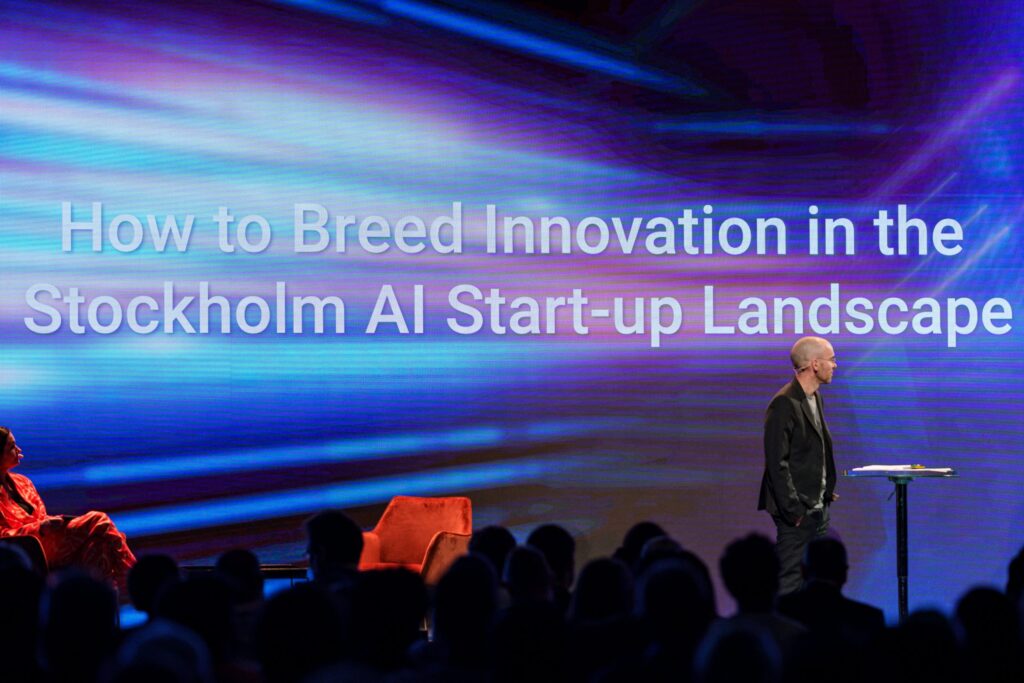
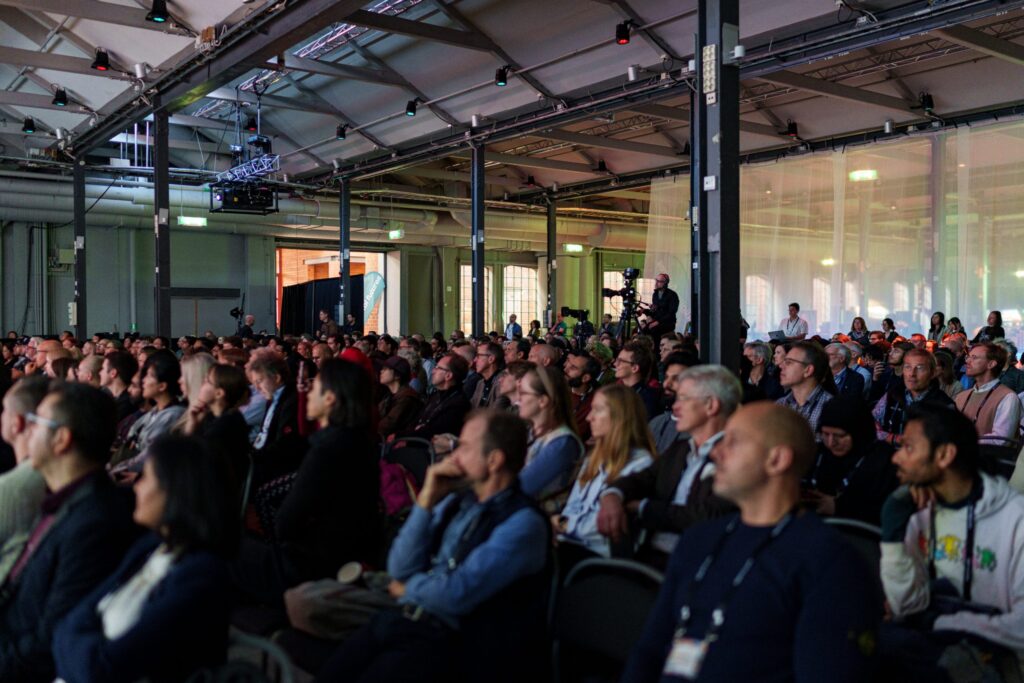
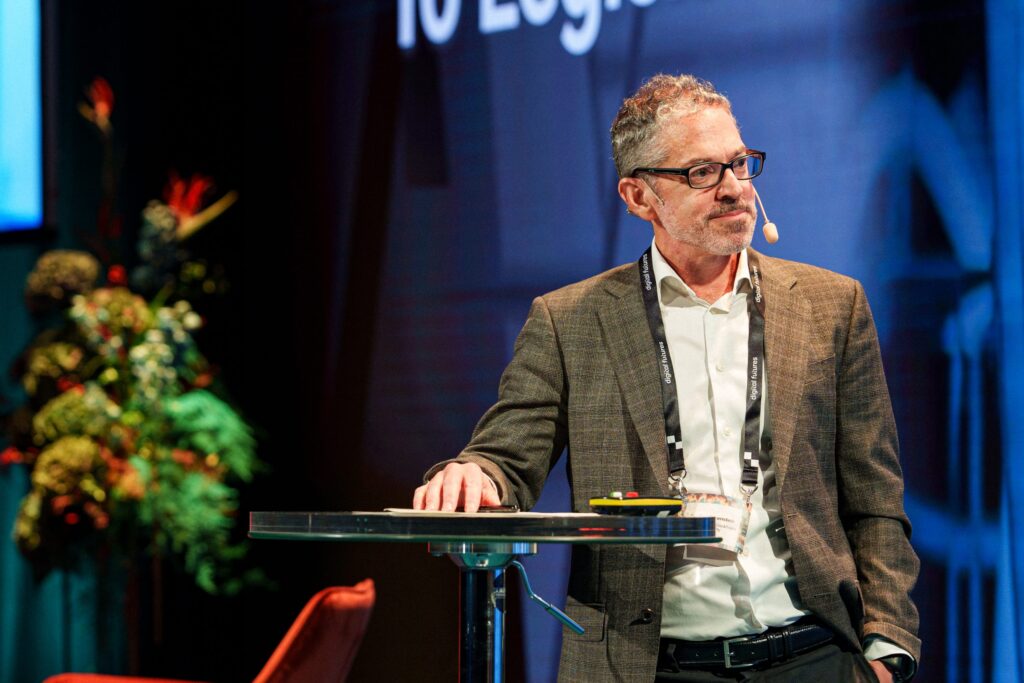
This annual conference, hosted by Digital Futures, welcomed some 650 attendees for an insightful exploration of the generative AI landscape. Our fantastic moderator, investor and founder Paulina Modlitba expertly guided the event, which began with a much-appreciated opening note from Aida Hadžialić, Mayor of Metropolitan Stockholm.
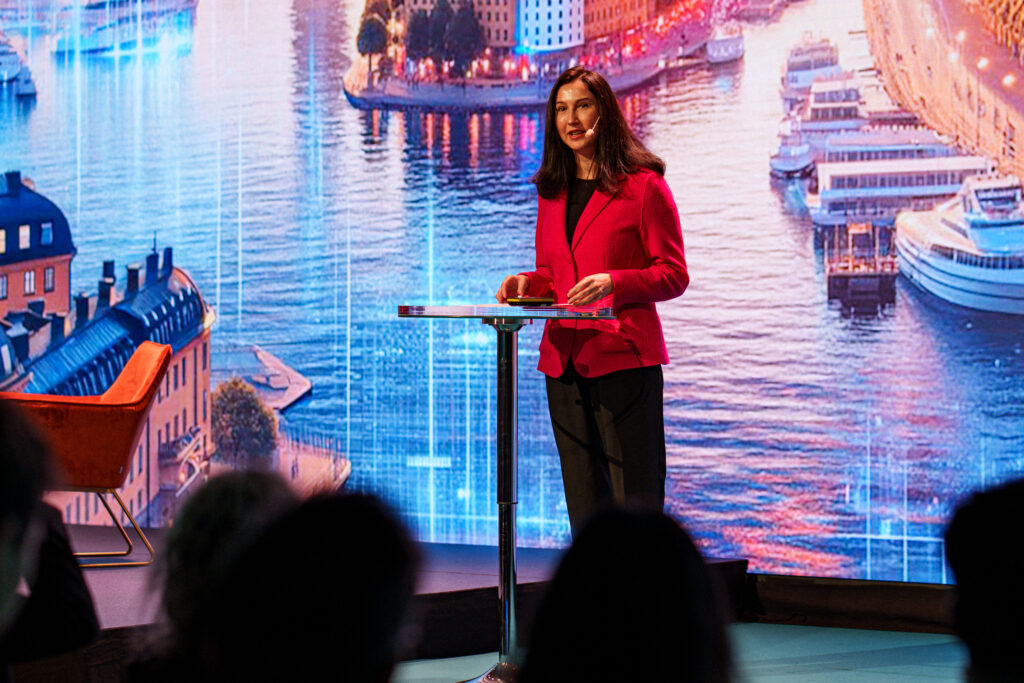
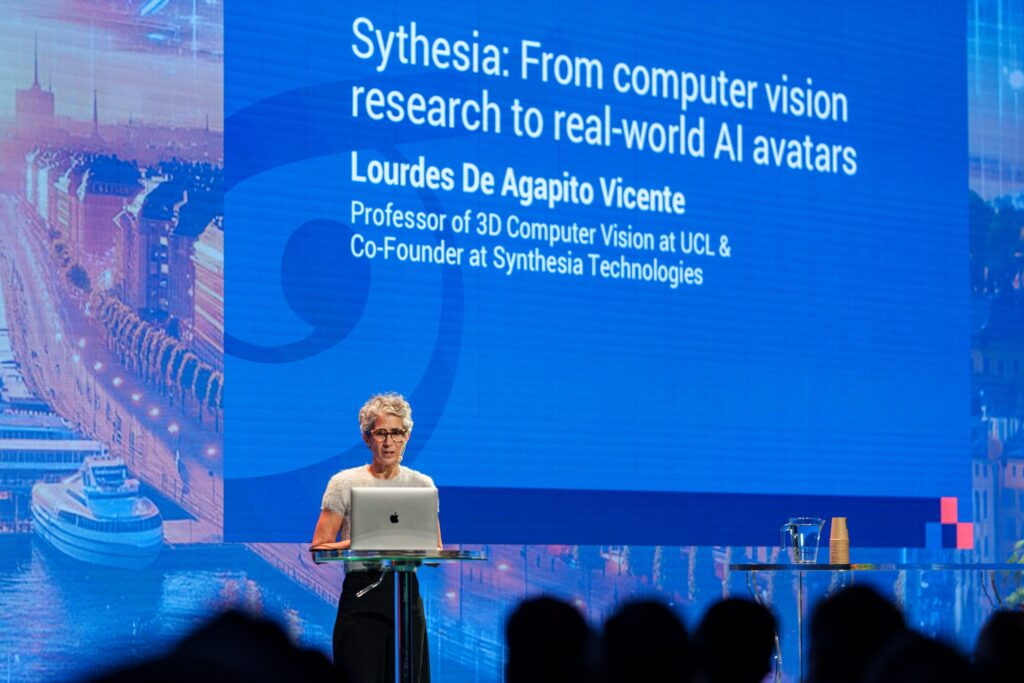
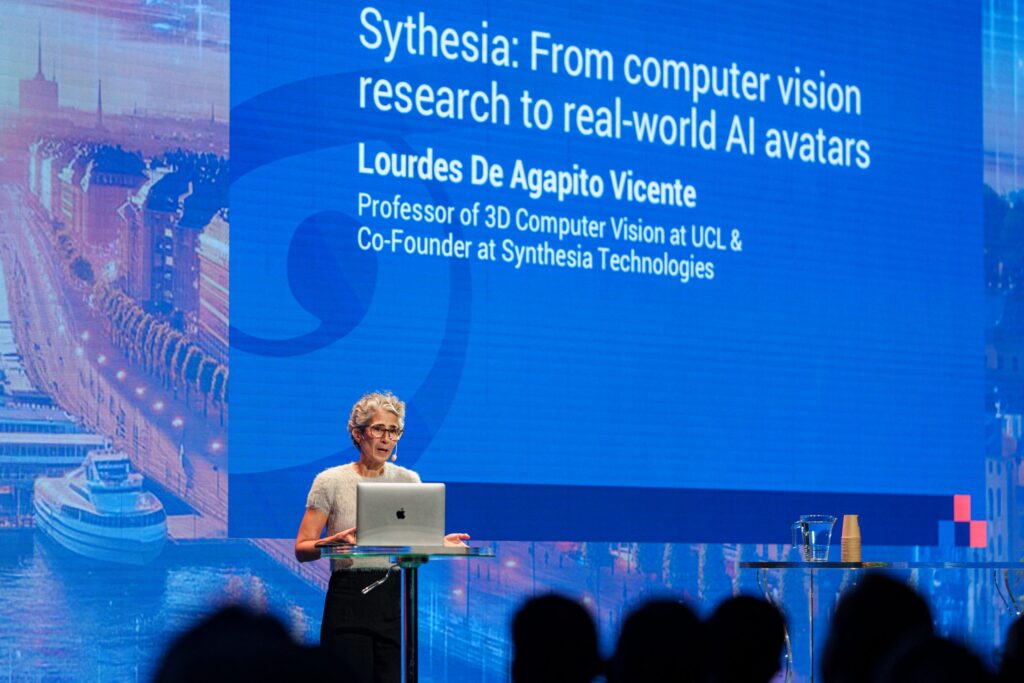
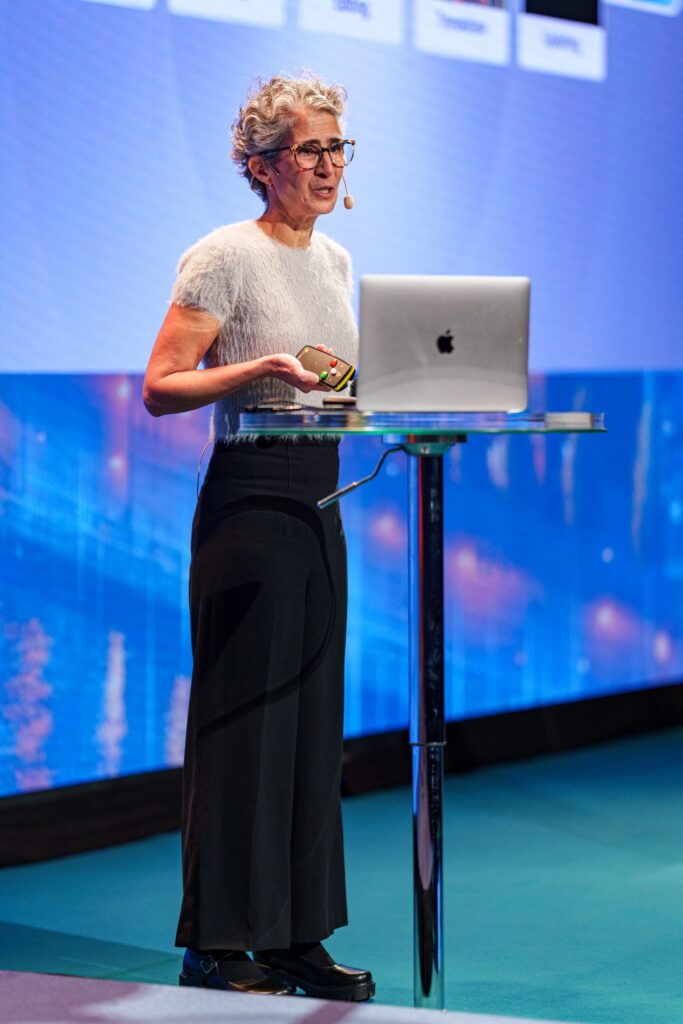
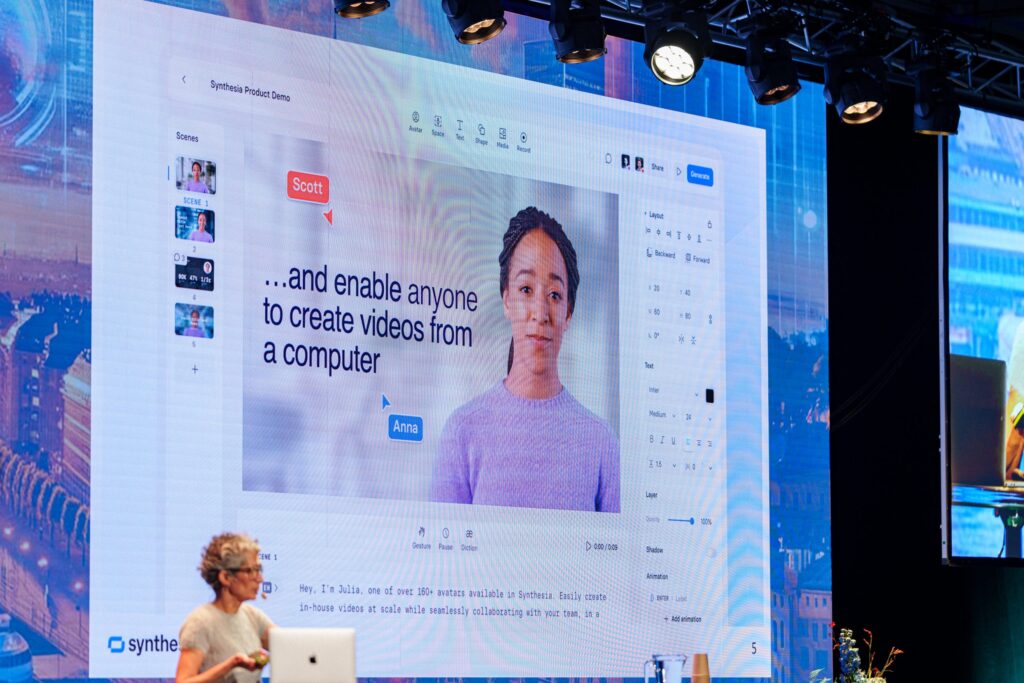
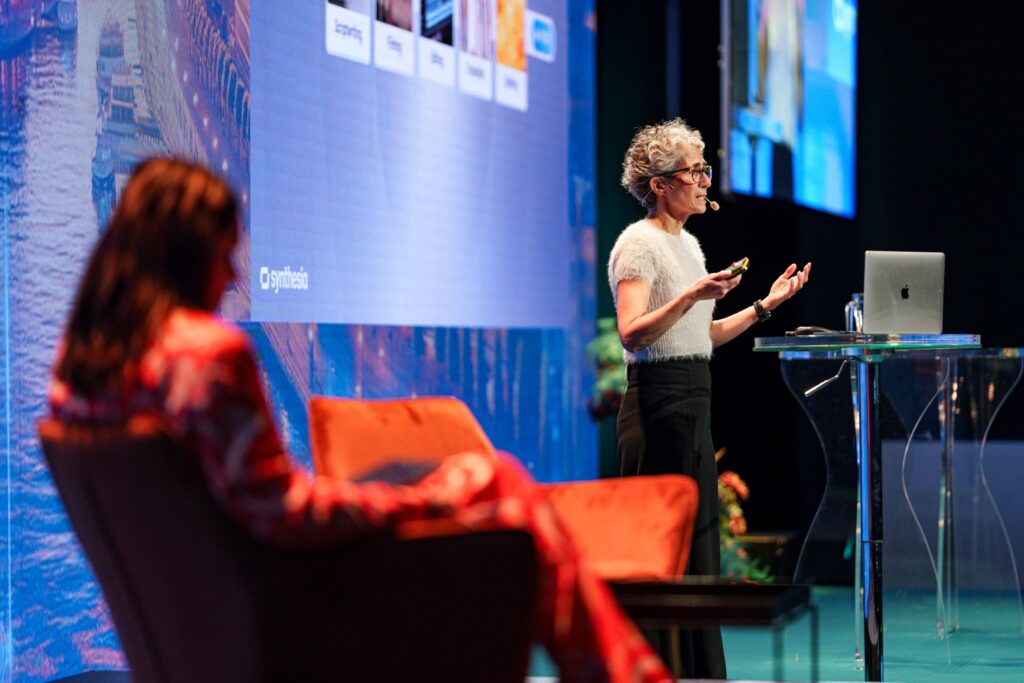
The event featured remarkable keynote speakers, starting with an engaging introduction to AI-generated music by Bob L. T. Sturm and Elin Kanhov (KTH Royal Institute of Technology), followed by cutting-edge presentations from Lourdes Agapito (UCL and Synthesia) on AI avatars and Elena Fersman (Ericsson) on the symbiotic evolution of telecom and AI. Last but certainly not least, Jonas Adler (Google DeepMind) presented on AlphaFold—very timely considering the 2024 Nobel Prize in Chemistry.
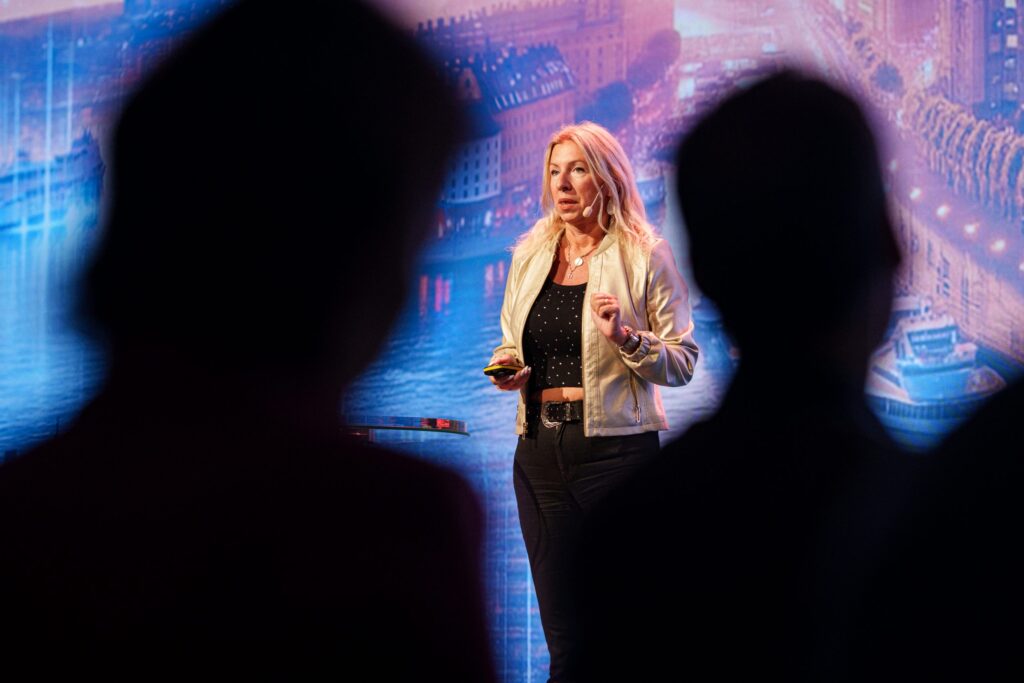
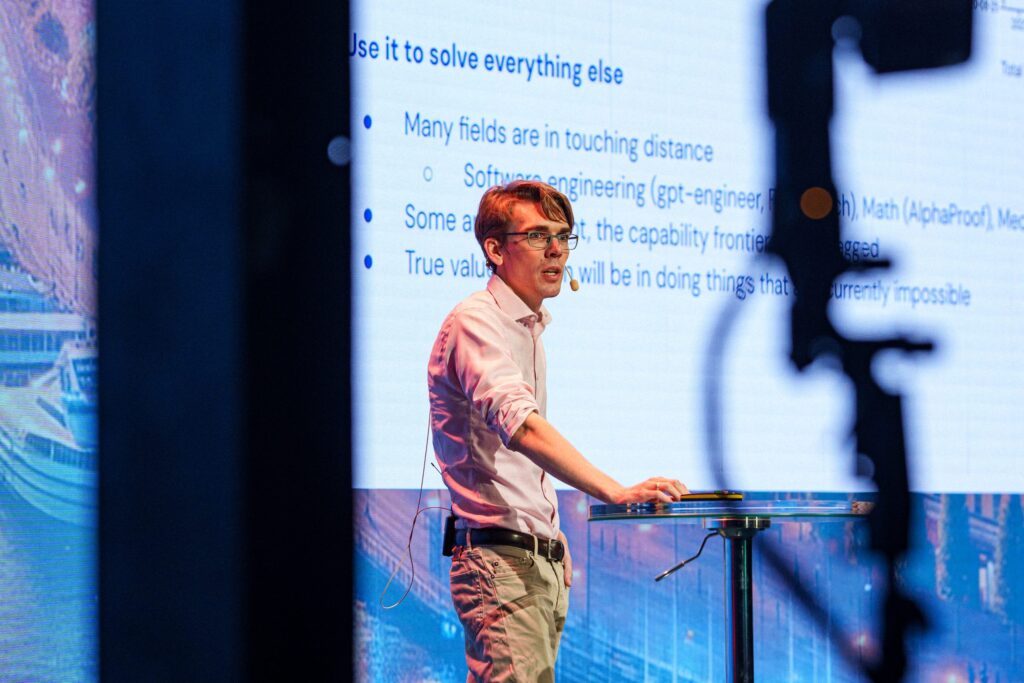
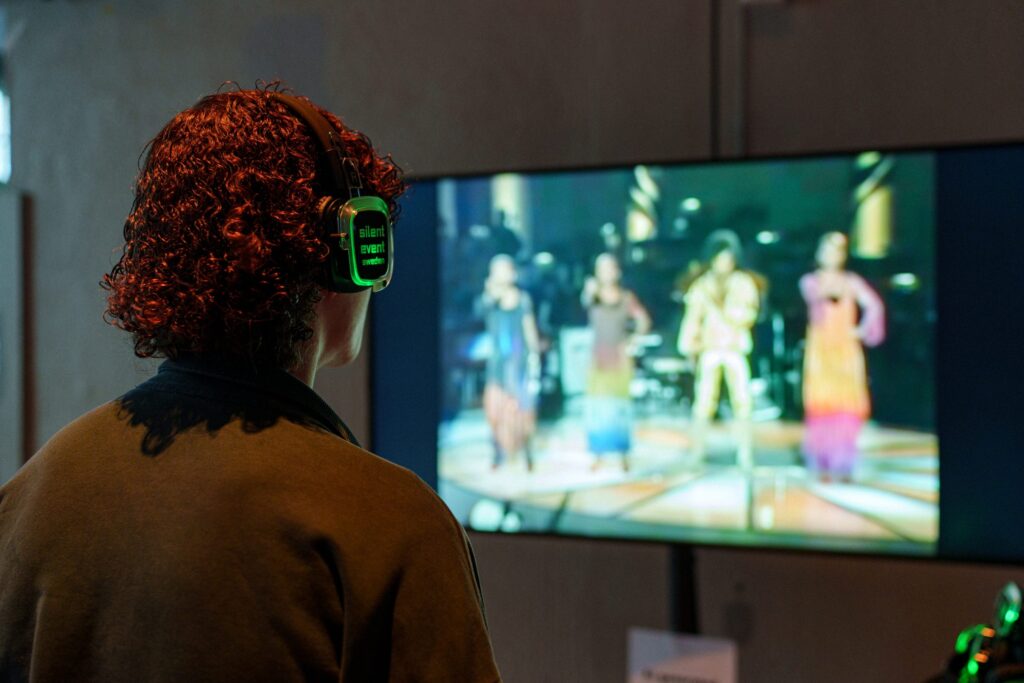
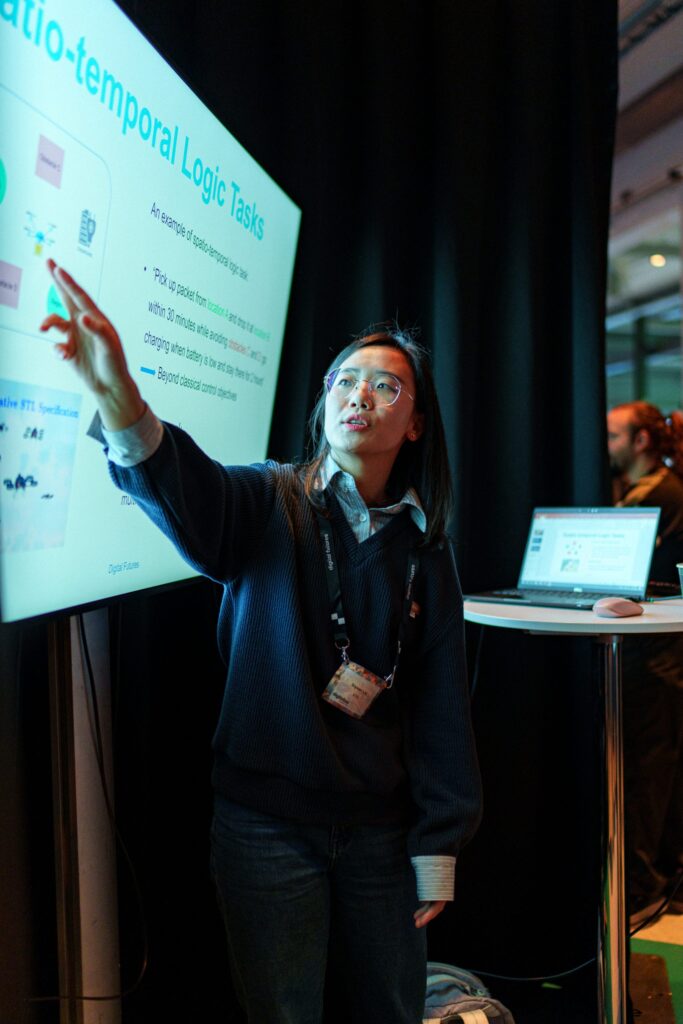
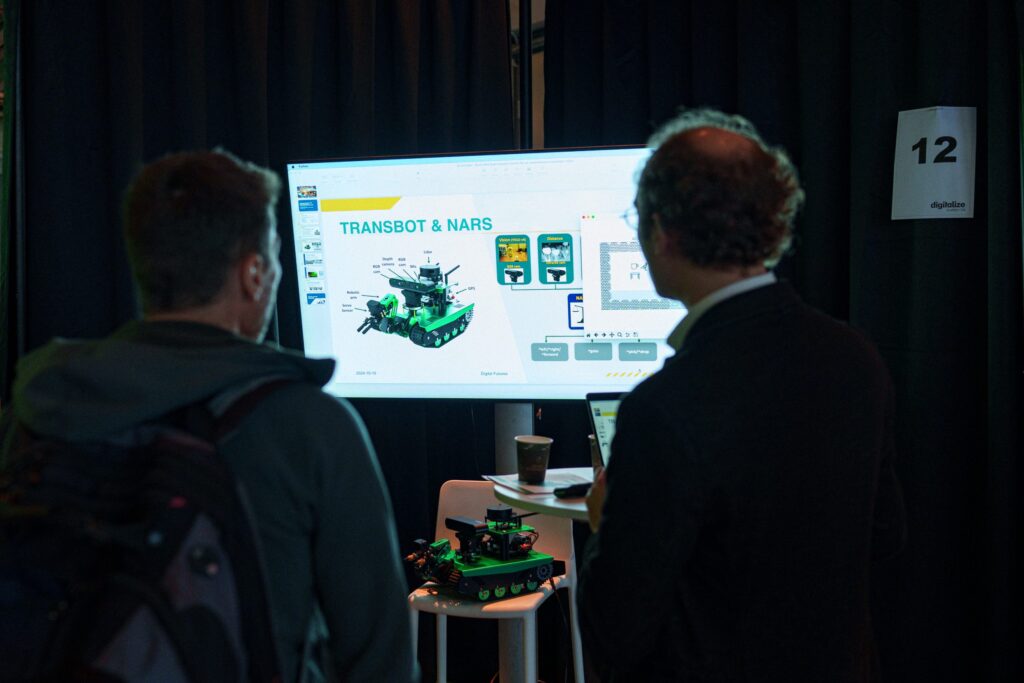
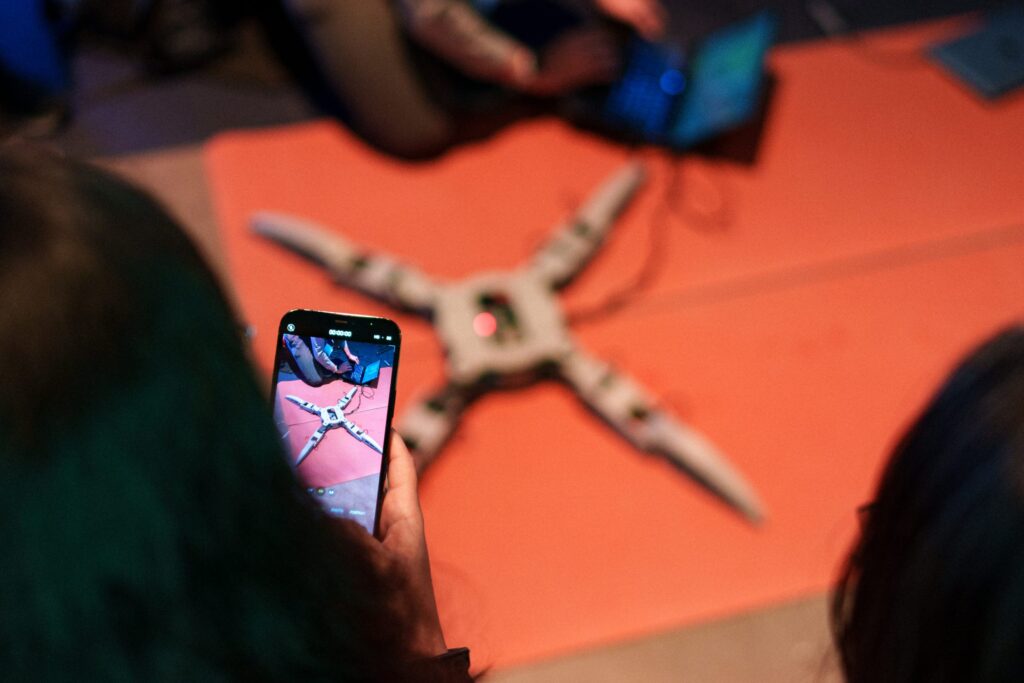
We were thrilled with the overwhelming amount of positive feedback from our engaged audience, which included participants from various countries and sectors—students, researchers, academics, public sector representatives, and industry professionals. We learned a lot from the 70 research presentations, danced to AI-generated music, and captured the moment in the Magic Mirror Photobooth.
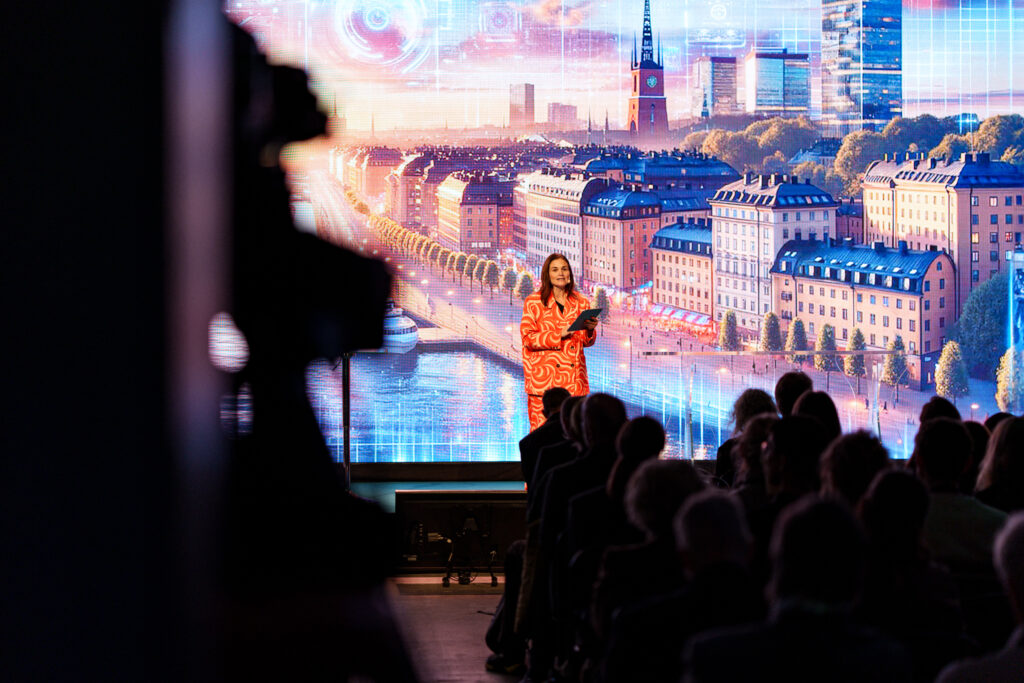
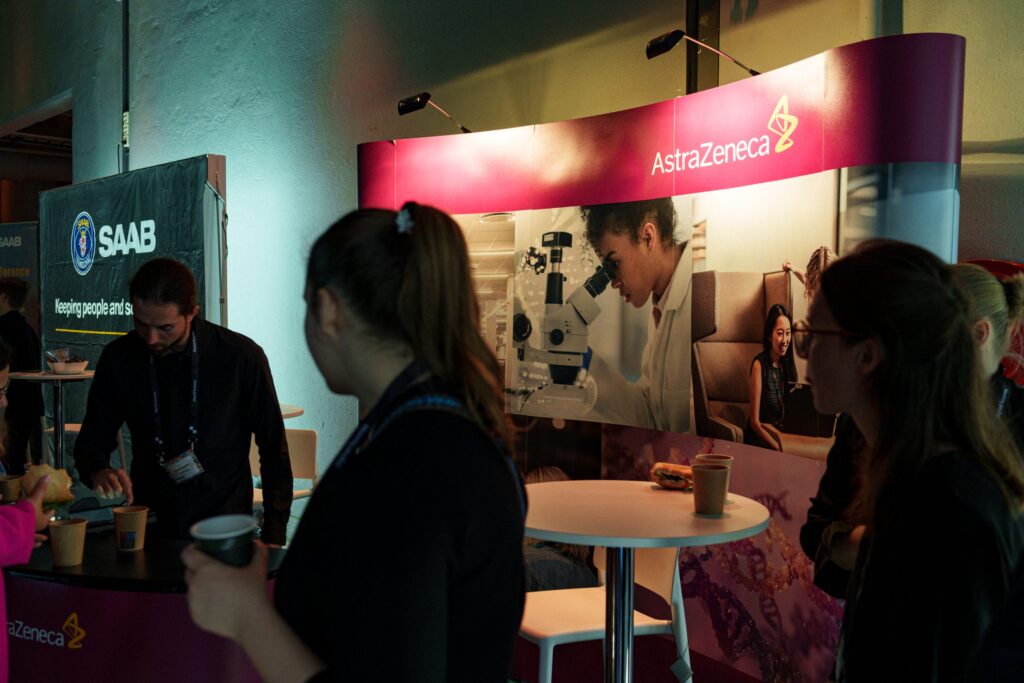
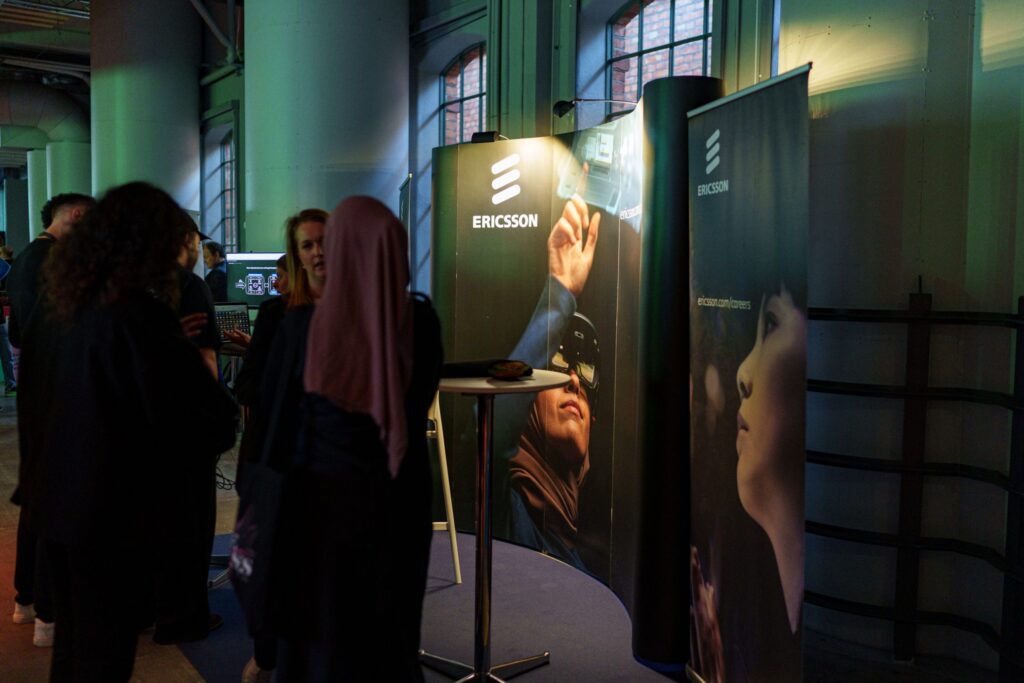
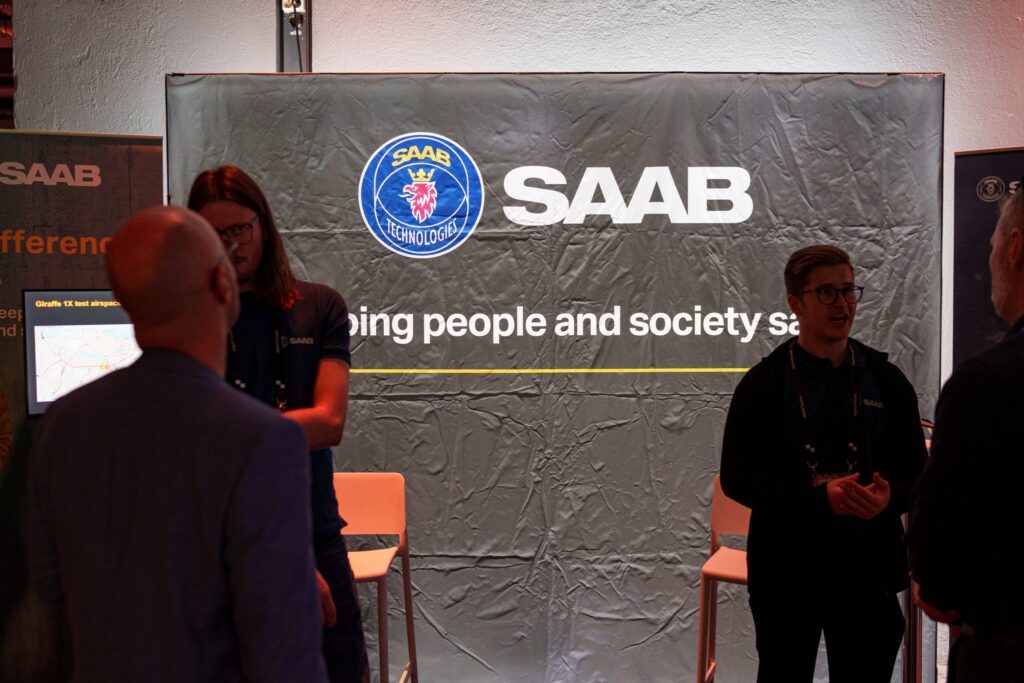
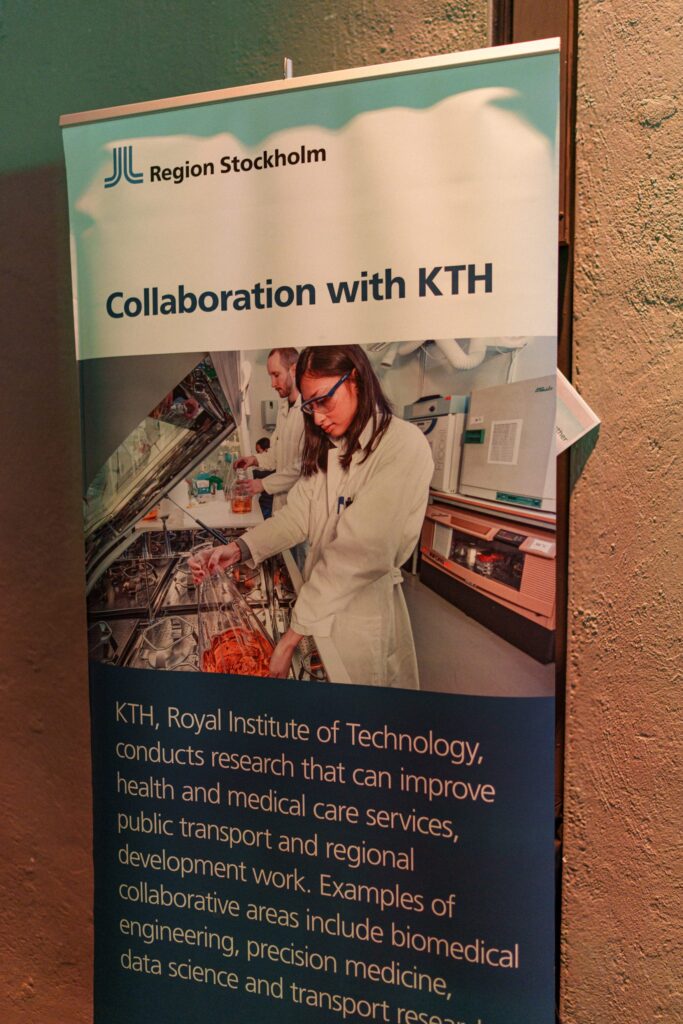
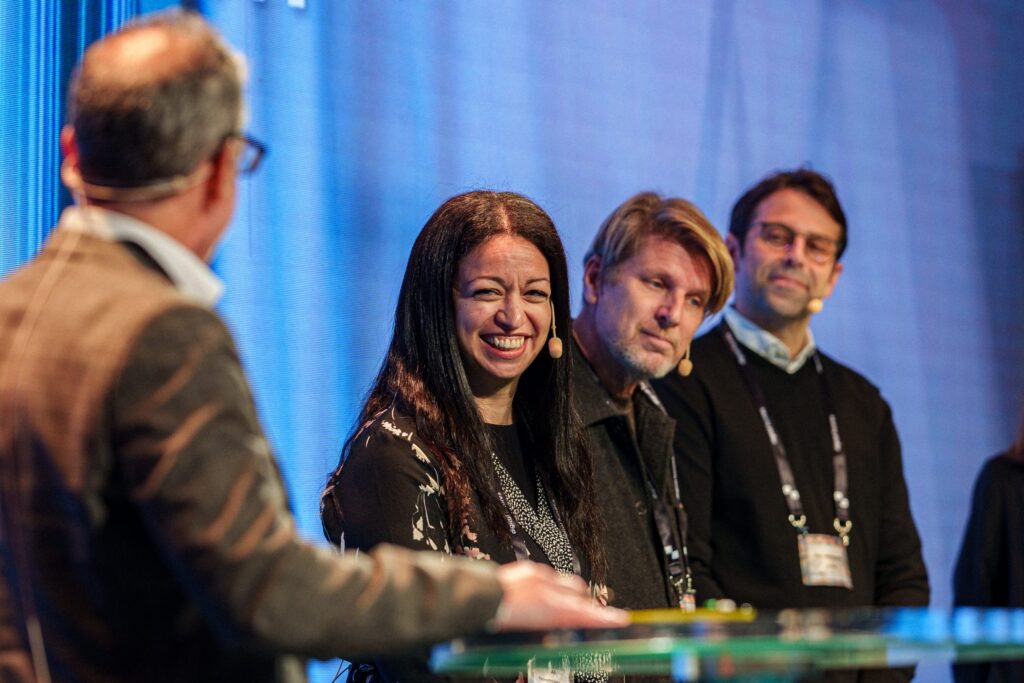
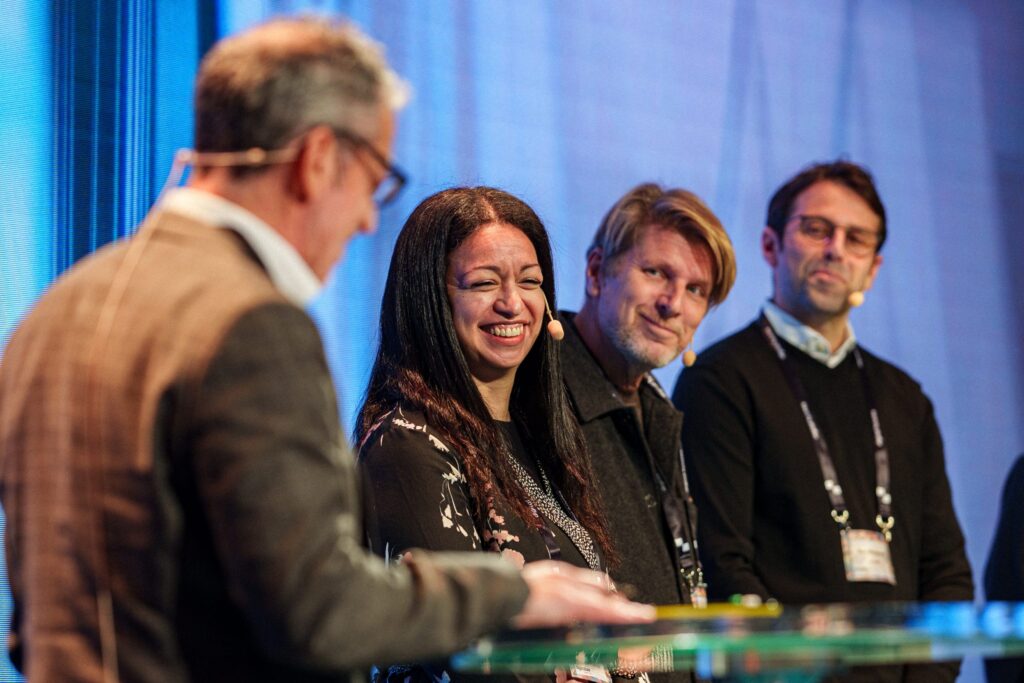
A big thank you to our partners—KTH Royal Institute of Technology, Stockholm University, RISE Research Institutes of Sweden, AstraZeneca, Ericsson, Saab, Scania Group, Skanska, Xylem, Karolinska Institutet, City of Stockholms, and Region Stockholm—for their valuable contributions on stage during panel discussions and at the Partner Fair.
A big thank you to Meetx and Adapt for their excellent support before, during, and after the event!
Recorded presentations are published on the Digital Futures YouTube channel – Playlist “Digitalize in Stockholm 2024“.