About the project
Objective
The objective of this project is to develop an AI-enabled, fully self-powered, and biodegradable wound-healing patch that accelerates tissue regeneration and enables continuous monitoring of post-cardiac-surgery wounds. The system combines triboelectric nanogenerators (TENGs) for bioelectric stimulation with AI-based image analysis to provide personalized, sustainable, and real-time wound care without external power sources.
Background
Post-cardiac-surgery wounds face high risks of infection, delayed healing, and limited continuous monitoring. Existing wound-care technologies rely on external power sources, are costly, and lack portability. Triboelectric nanogenerators (TENGs) offer a promising alternative by harvesting biomechanical energy from natural body movements to deliver gentle bioelectric stimulation.
This project integrates biodegradable hydrogels with antibacterial and anti-inflammatory properties and AI-driven wound image analysis to assess healing stages such as inflammation, proliferation, and remodeling. The approach reduces electronic waste, enables continuous monitoring, and supports faster, safer recovery through sustainable digital healthcare solutions.
About the Digital Futures Postdoc Fellow
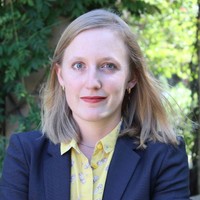
Swati Panda is a postdoctoral researcher at the Department of Biomedical Engineering and Health Systems at KTH, specializing in biocompatible and biodegradable energy-harvesting devices for self-powered healthcare applications. She holds a PhD in Robotics and Mechatronics Engineering from DGIST, South Korea. Her research focuses on triboelectric and piezoelectric nanogenerators, biodegradable/biocompatible polymers, and AI-based signal and image processing for healthcare sensing.
She has extensive experience in material synthesis, device fabrication, in-vivo experimentation, and self-powered health monitoring systems. Through her work, she aims to develop sustainable, wearable, and smart healthcare technologies that improve patient outcomes while reducing environmental impact.
Main supervisor
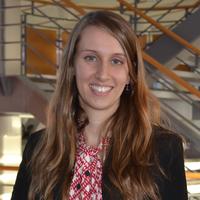
Seraina Dual, Assistant Professor, Department of Biomedical Engineering and Health Systems, KTH Royal Institute of Technology.
Co-supervisor
Erica Zeglio, Assistant Professor, Department of Chemistry, Stockholm University.