About the project
Objective
This project aims to develop a reliable and robust AI tool for early fault detection in power transformers. By combining physical laws with limited operational data, the project aims to predict the health and remaining lifetime of power transformers efficiently. The developed AI tool would enable proactive maintenance, reducing costs and enhancing power grid reliability.
Background
Power transformers play a silent but crucial role in our daily lives. They enable the transmission of electricity over long distances, powering homes, hospitals, industries, and public infrastructure. Although they usually operate unnoticed, transformers are subject to high stress and age over time. When a transformer fails, the consequences can be severe, including power outages, costly repairs, and safety risks. Today, many transformer failures happen because problems are detected too late, mainly due to limited and incomplete monitoring data.
To reduce these risks, various indicators are used, such as gas measurements, thermal images, vibration signals, and magnetic behavior, to assess a transformer’s condition. However, collecting large amounts of high-quality data from all these sources is difficult and expensive. Most existing AI methods depend heavily on large datasets, which limits their usefulness in real-world power systems. The project tackles this challenge by developing an AI model that combines data with physical knowledge about how transformers work. By embedding physics directly into the learning process, the model can learn meaningful patterns even from limited data.
The proposed approach uses a physics-enhanced multimodal neural operator framework that can combine information from multiple data sources and predict how long a transformer can continue to operate safely. The model is designed to be fast, reliable, and suitable for real-time monitoring. By enabling early fault detection and maintenance decisions, this research supports the digital transformation of power infrastructure and contributes to a more stable, efficient, and sustainable energy grid.
About the Digital Futures Postdoc Fellow
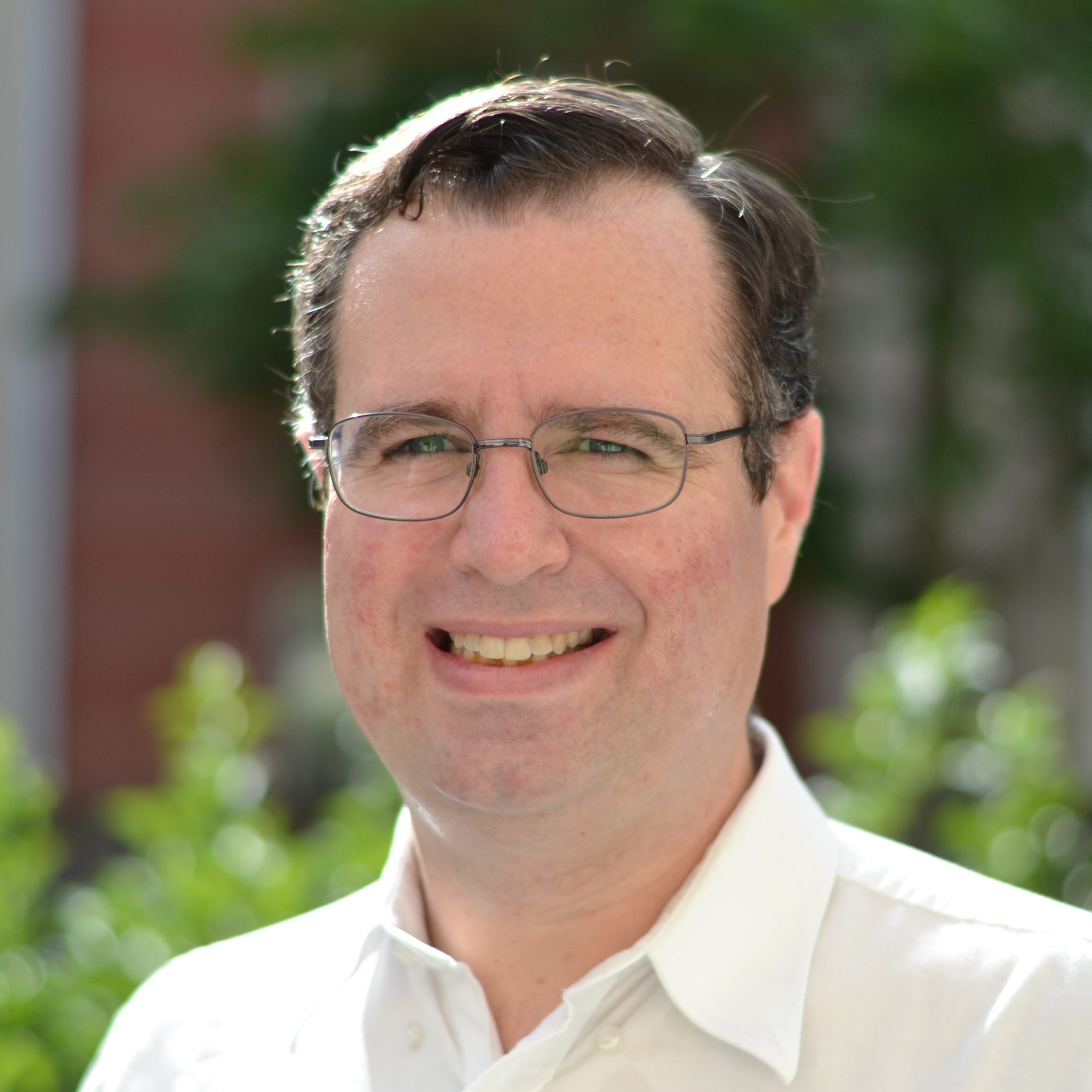
Abhishek Chandra is a Postdoctoral Research Fellow at the School of Electrical Engineering and Computer Science at KTH Royal Institute of Technology. He holds a PhD in Electrical Engineering from Eindhoven University of Technology, The Netherlands, where his research focused on developing AI tools for characterizing piezoelectric and magnetic materials. His academic background includes applied mathematics, scientific computing, and AI. Abhishek has received several prestigious fellowships and scholarships, including the Digital Futures Postdoctoral Fellowship at KTH and the Information and Knowledge Society Scholarship at Université de Lille. With expertise in scientific machine learning and energy systems, his work aims to bridge the gap between theoretical AI models and practical engineering applications in critical infrastructure.
Main supervisor
Prof. Dr. Lina Bertling Tjernberg, Full Professor, Department of Electric Power and Energy Systems, EECS, KTH.
Co-supervisor
Prof. Dr. Cristian Rojas, Full Professor, Department of Decision and Control Systems, EECS, KTH.