Date and Time: Tuesday 17 February 2026, 15:00-15:45 CET
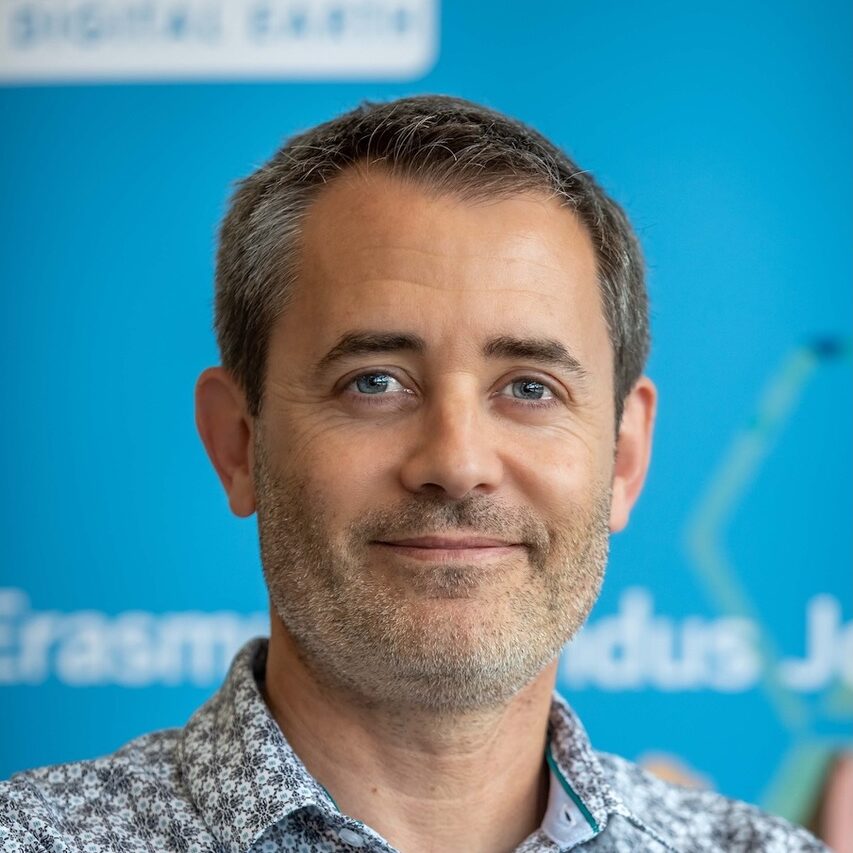
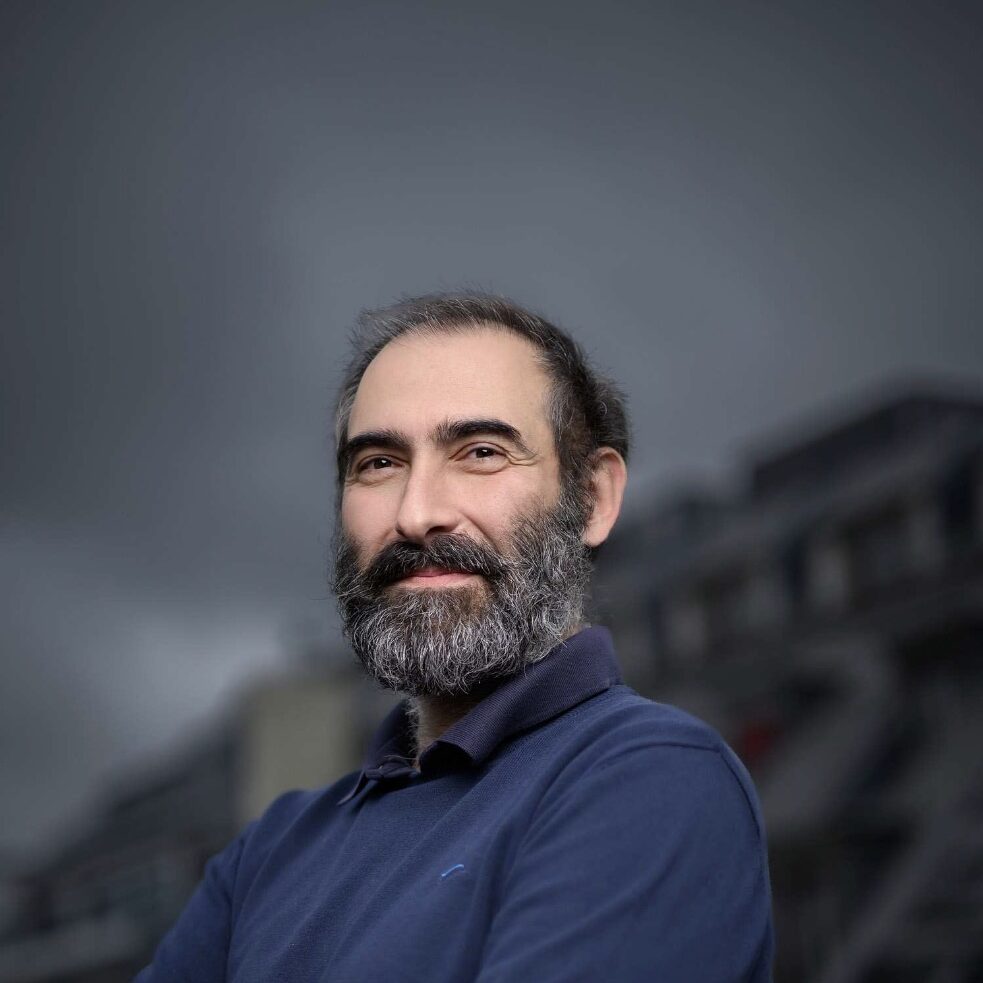
Speaker: Prof. David Fridovich-Keil, University of Texas at Austin
Title: Variations on a Theme: Information Structure, Equilibria, and Dynamic Games
Zoom meeting ID: 687 9789 0812
YouTube: @gameonseminars
More information on the website of Game On! Seminar series

Variations on a Theme: Information Structure, Equilibria, and Dynamic Games
This talk will review a fundamental building block of dynamic game theory—the linear-quadratic game—and discuss how Nash equilibrium solutions differ as a consequence of the information players have access to at different times. In this context, we will examine several recent results, aligned to the following questions:
In two-player, zero-sum games, there are classical results about the equivalence of solutions under different information structures for linear-quadratic games. In what sense do these extend beyond the linear-quadratic setting?
How can we find feedback strategies which closely approximate Nash solutions, but minimize inter-agent communication/sensing?
If agents’ access to information changes during an interaction, are there scenarios in which we can still find equilibria efficiently?
Prof. David Fridovich-Keil, University of Texas at Austin
The Game On! Seminar series is organized by Emilio Benenati and Giuseppe Belgioioso, affiliated with the Division of Decision and Control Systems (DCS) at KTH, Stockholm.
With this series, we aim to bring together researchers, practitioners, and students, in order to provide a broad overview of the current research directions being explored in modeling, analysis, and control of systems composed of multiple interacting agents.
Topics will include strategic and real-time decision-making, foundational and computational game theory, distributed control, learning in multiagent environments, and applications ranging from robotics to energy systems. Each session will feature a 30-45 minutes seminar on cutting-edge research, followed by an open discussion with the live audience.
The conference is co-sponsored by Digital Futures