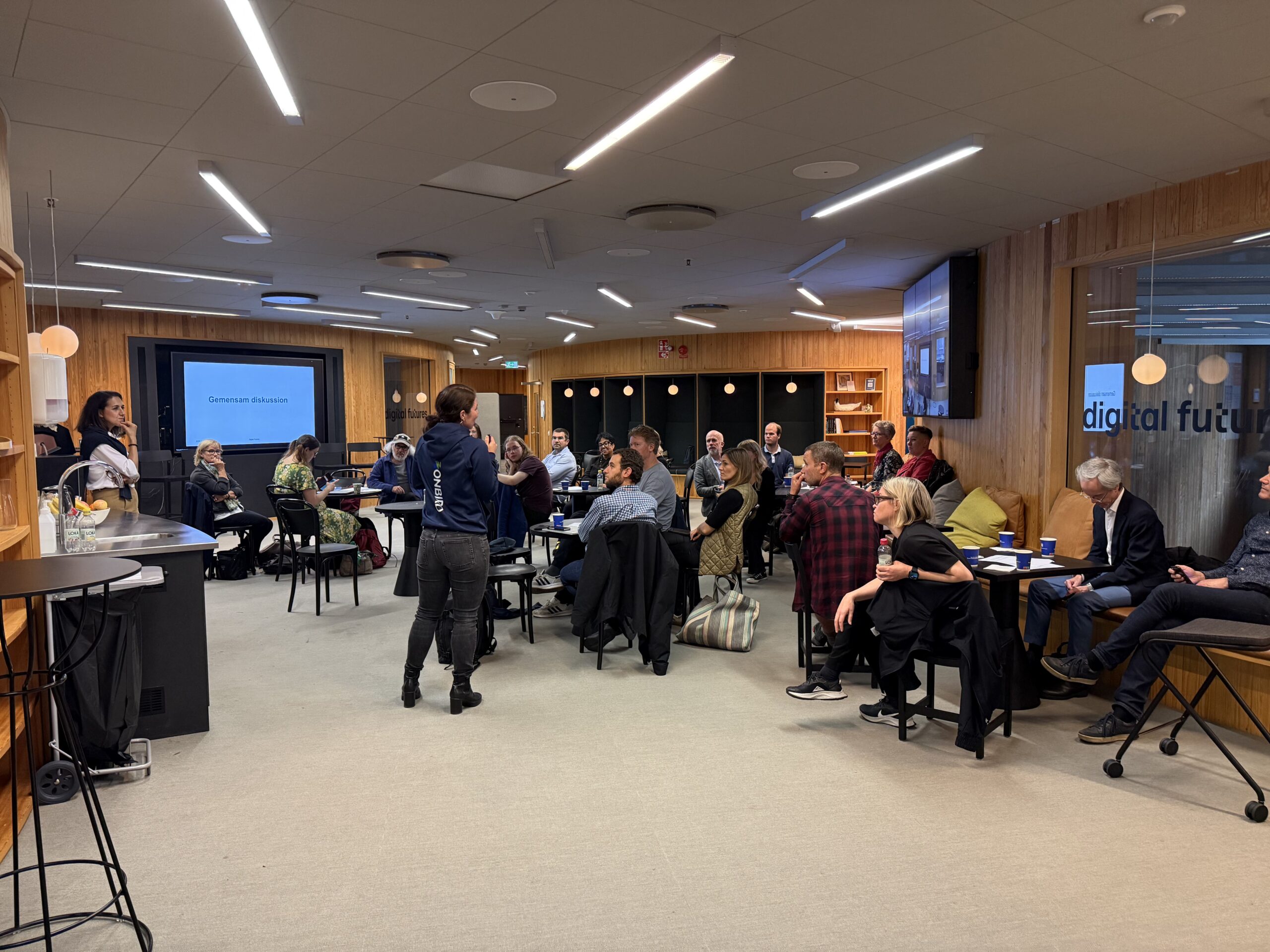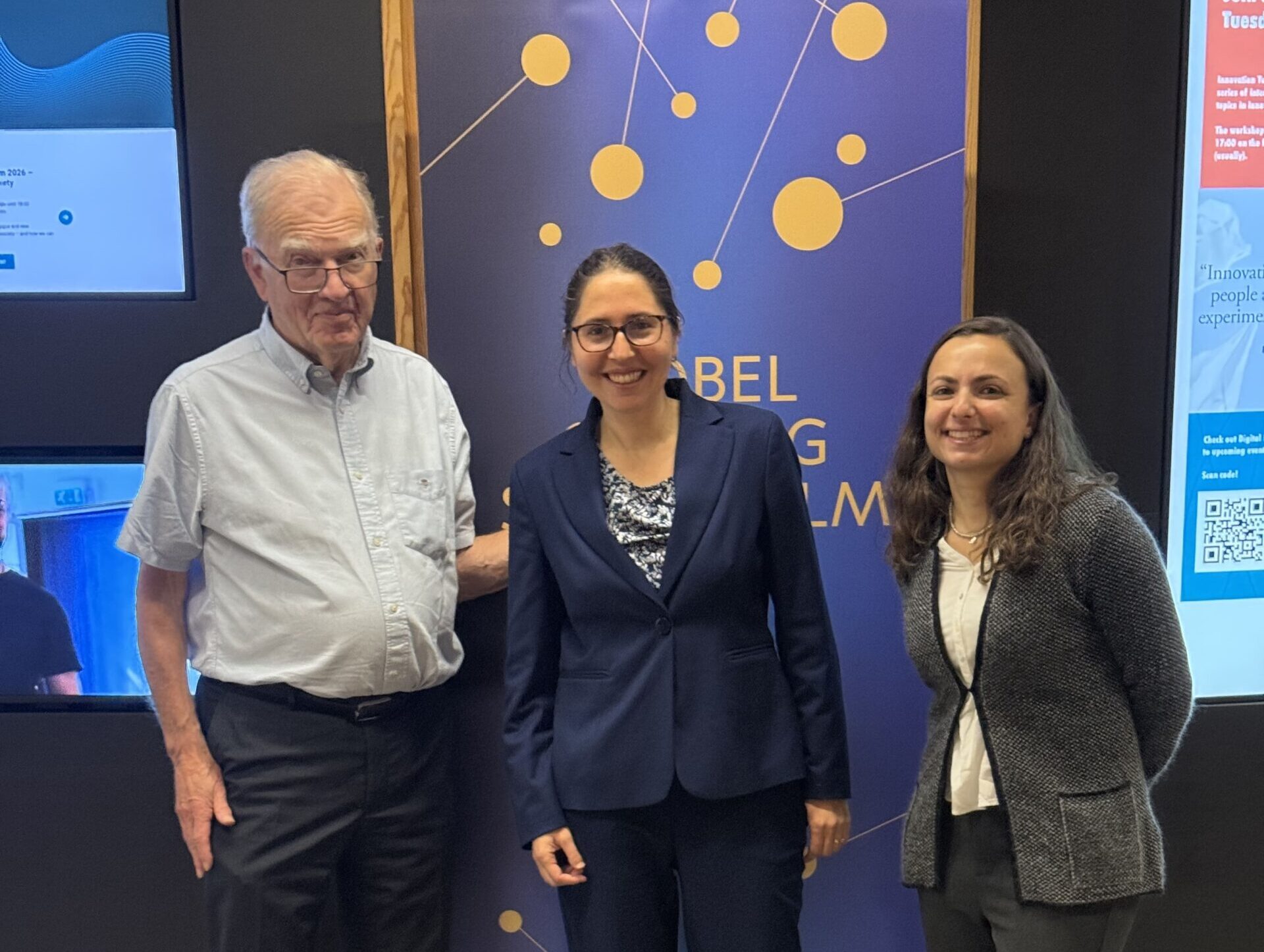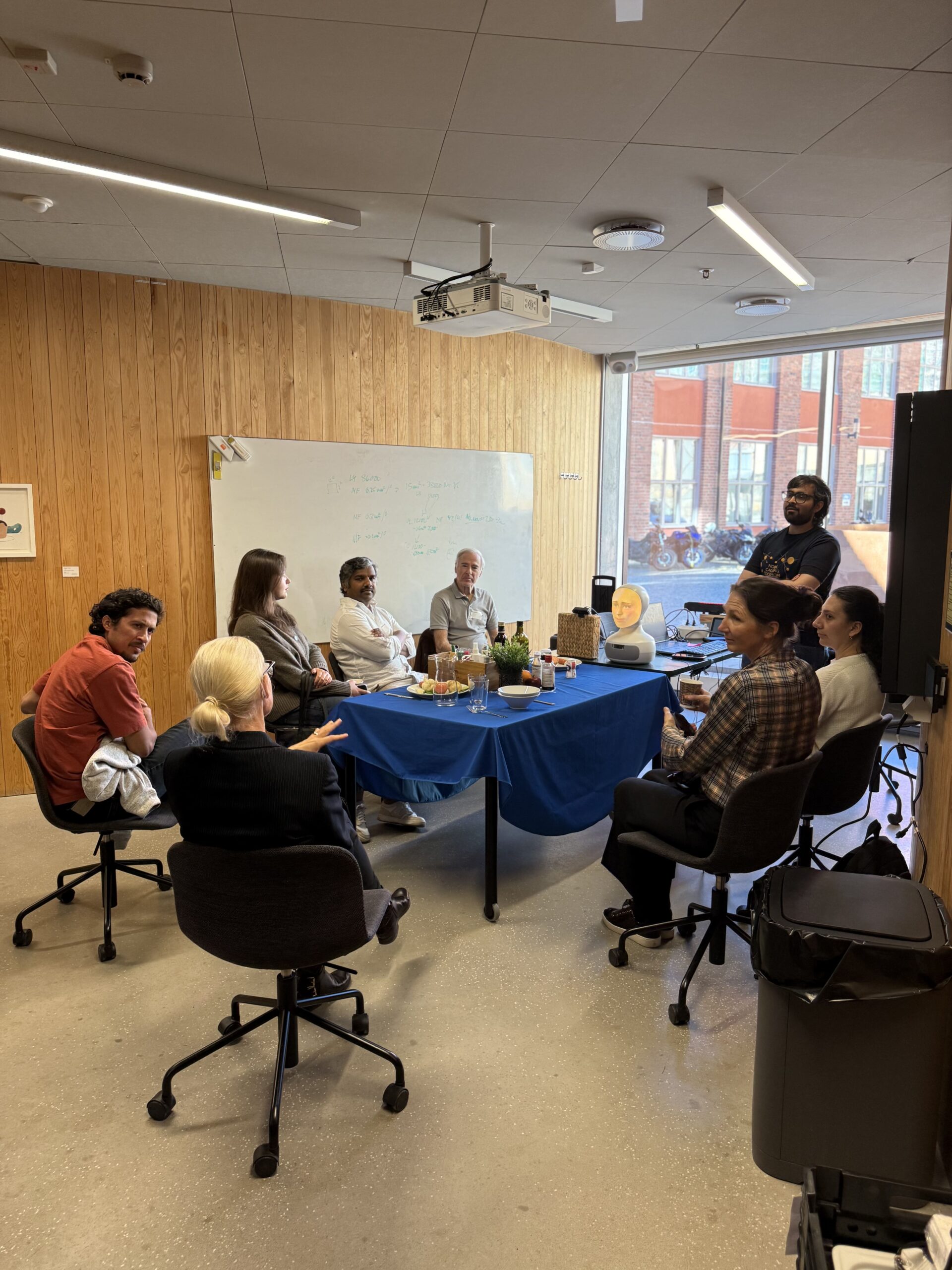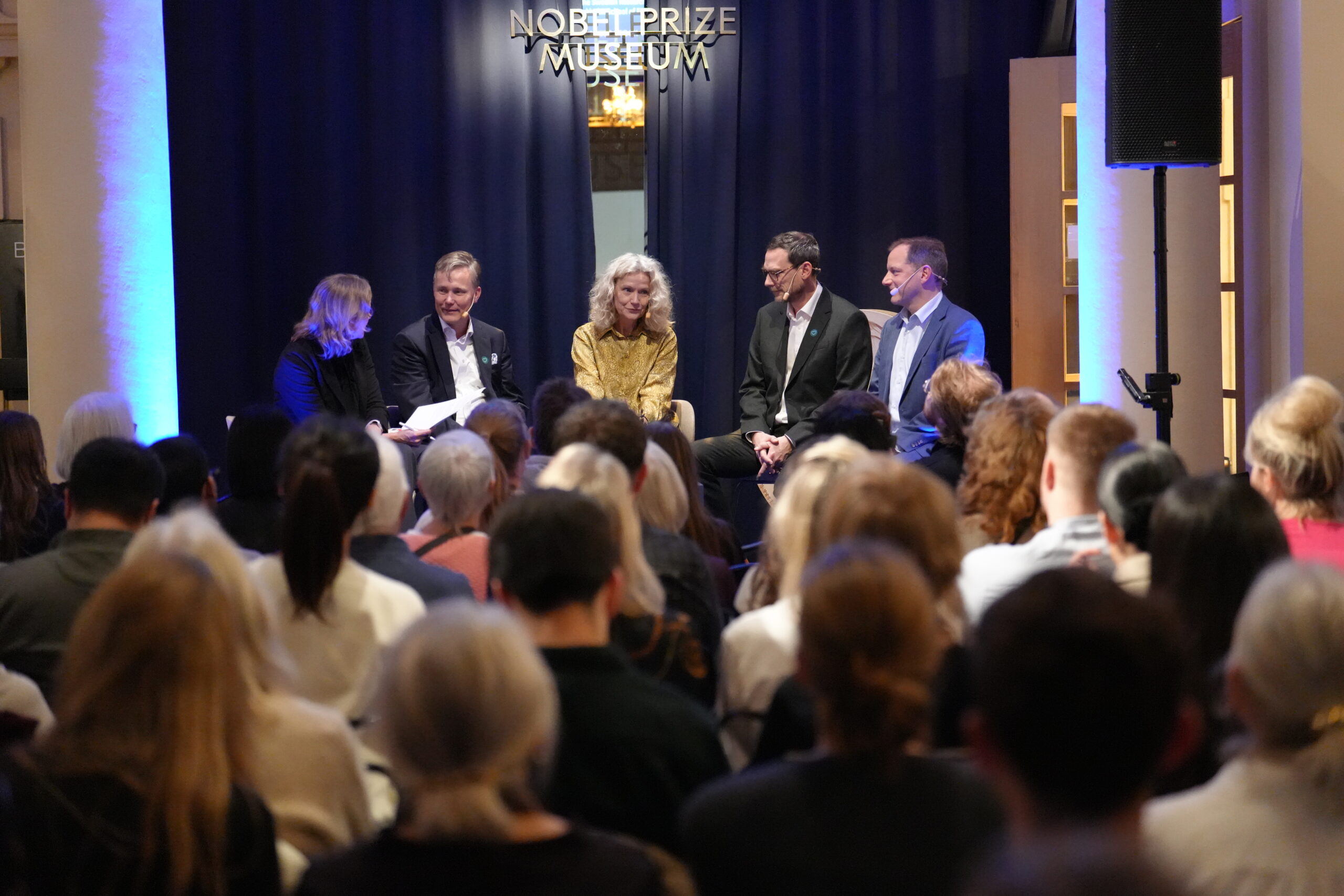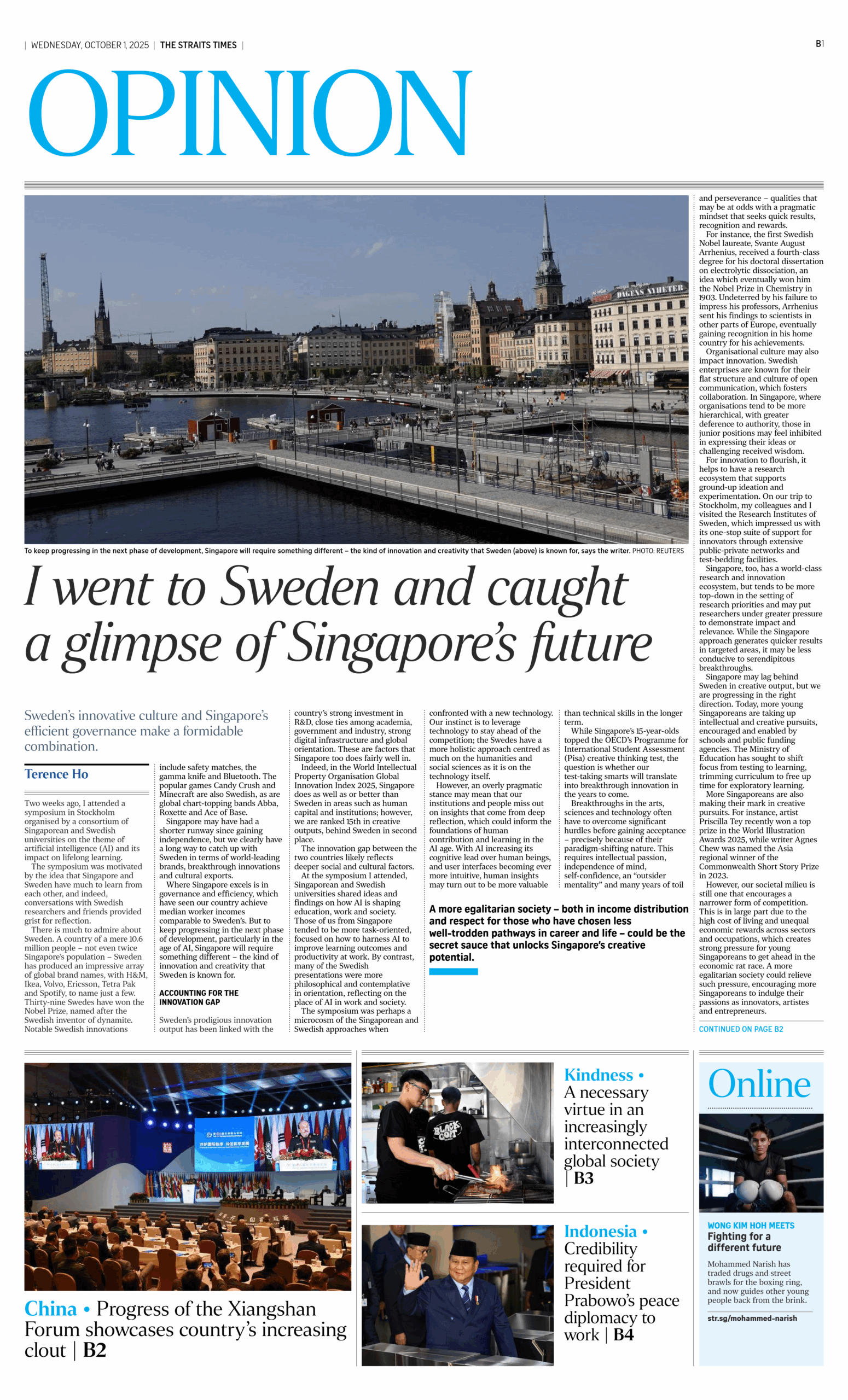
Academics, policymakers, and industry leaders from Sweden and Singapore have concluded a three-day symposium in Stockholm in September, focused on charting inclusive strategies for the future of work and learning in an AI-driven world.
The Swedish–Singapore Research Symposium 2025, themed “AI and the Future of Work and Learning – Strategic Responses for Inclusive Capability Development in Knowledge Economies,” examined how generative AI and automation are reshaping labour markets, redefining traditional professions, and accelerating the demand for lifelong and hybrid learning.
Across keynote sessions, research presentations, and deep-dive workshops, participants explored critical scenarios of AI disruption, discussed national road maps, and exchanged strategies for safeguarding employment while transforming education systems. Speakers included experts from institutions such as KTH Royal Institute of Technology, Linköping University, Uppsala University, SUSS, SIT, AI Singapore, and the Royal Swedish Academy of Engineering Sciences.
Key topics ranged from competency-based education and national AI ecosystem governance to digital innovation in workforce learning. The programme also featured scenario-based planning materials distributed in advance to support the formulation of long-term strategies.
“AI is transforming our societies at a pace that no single institution can keep up with. This symposium showed how Sweden and Singapore can learn from one another to build inclusive, resilient pathways for everyone to thrive in an AI-driven future.” — Mattias Wiggberg, Symposium Chair
Organisers described the symposium as a timely intervention, noting that AI is reshaping work faster than education systems can adapt. Participants emphasised the need for universities to innovate continuously, and for industry and government to collaborate more actively in strengthening societal resilience and ensuring access to new capability-building pathways.
The event’s themes echoed ideas highlighted in a Straits Times commentary on Sweden’s innovation culture and its relevance to Singapore’s future development.
Sponsored by Vinnova and Digital Futures, the symposium was free of charge for attendees, who covered their own travel. A study visit around Stockholm on 19 September capped the programme for Singaporean participants.