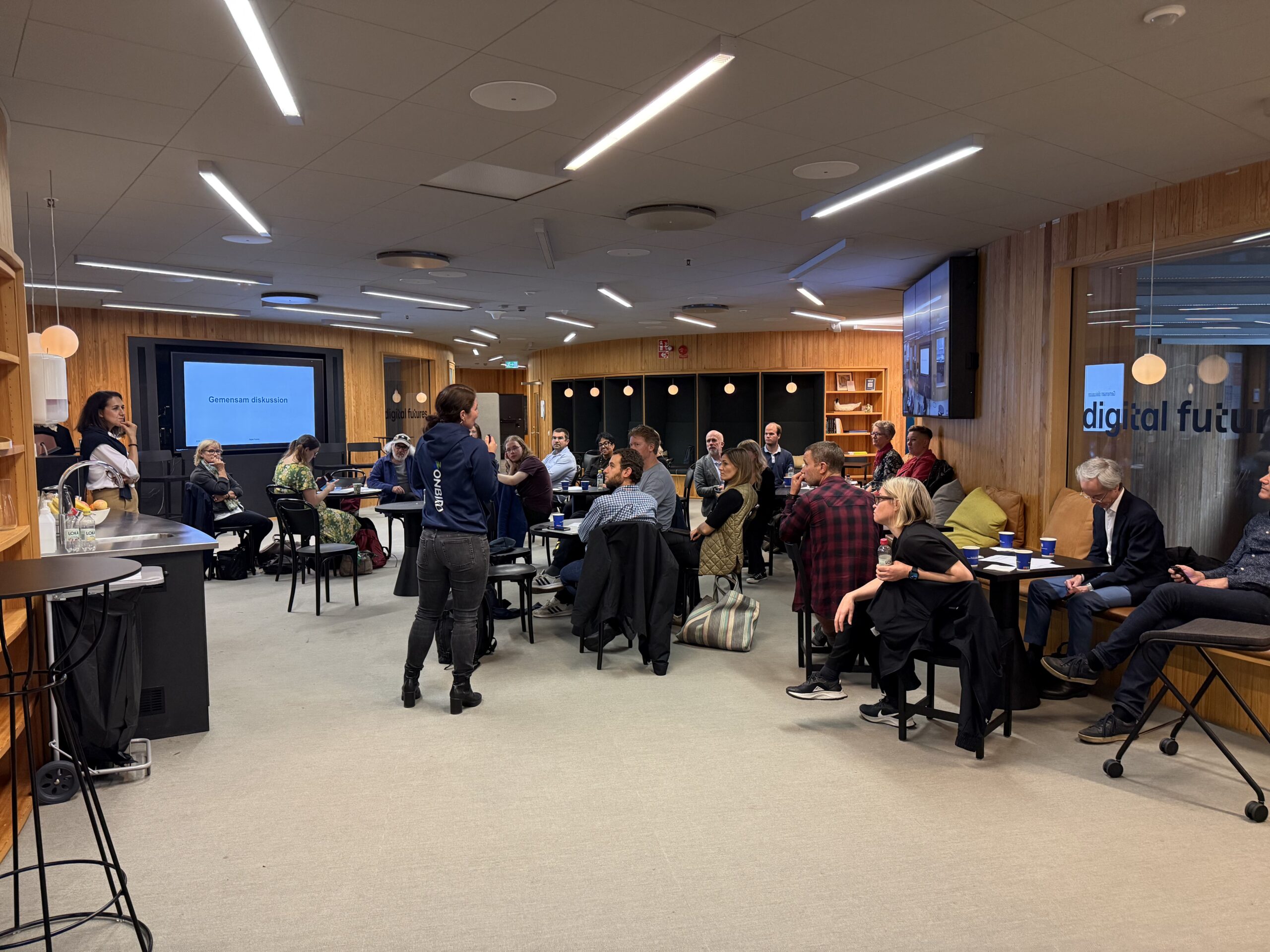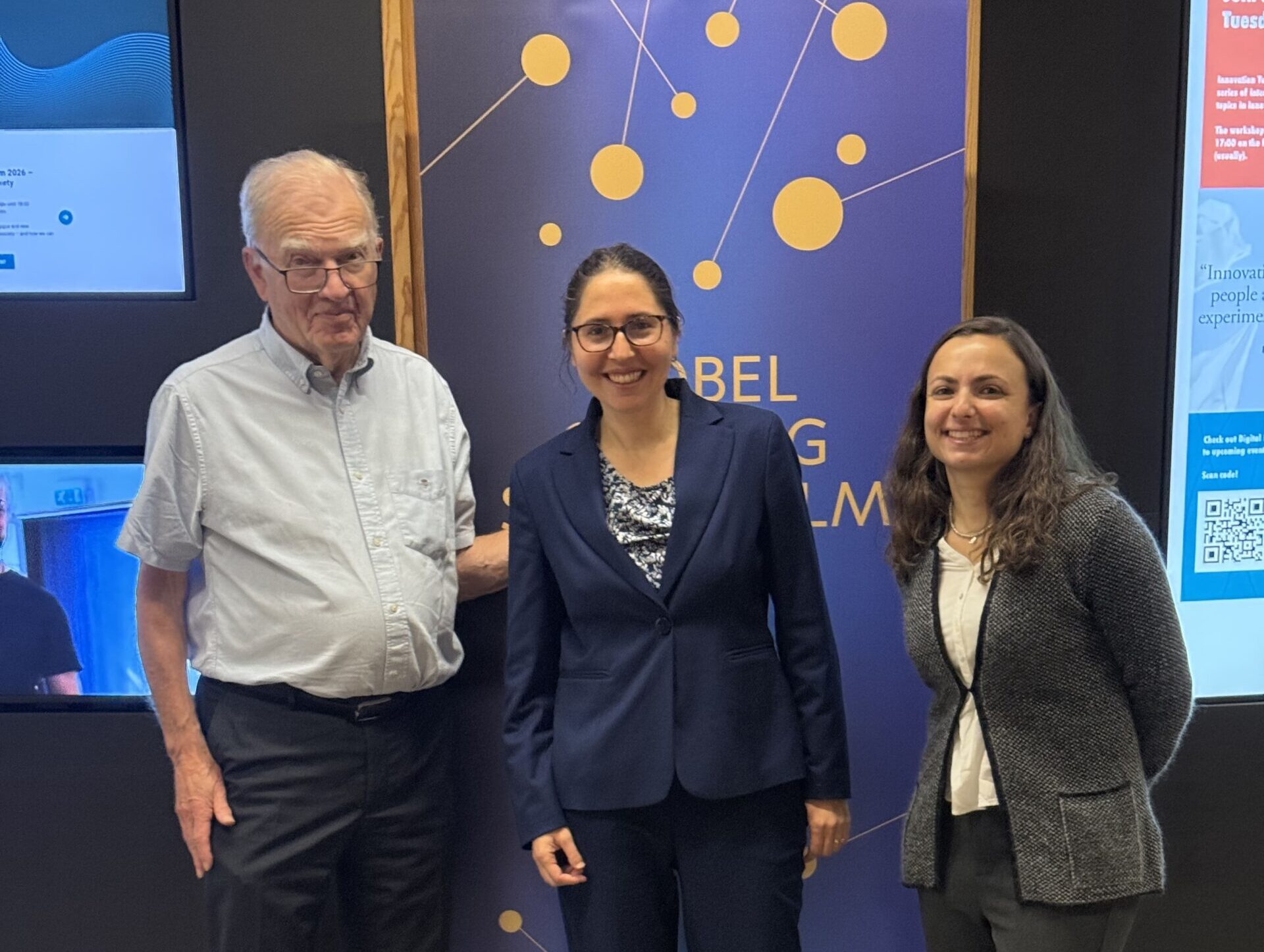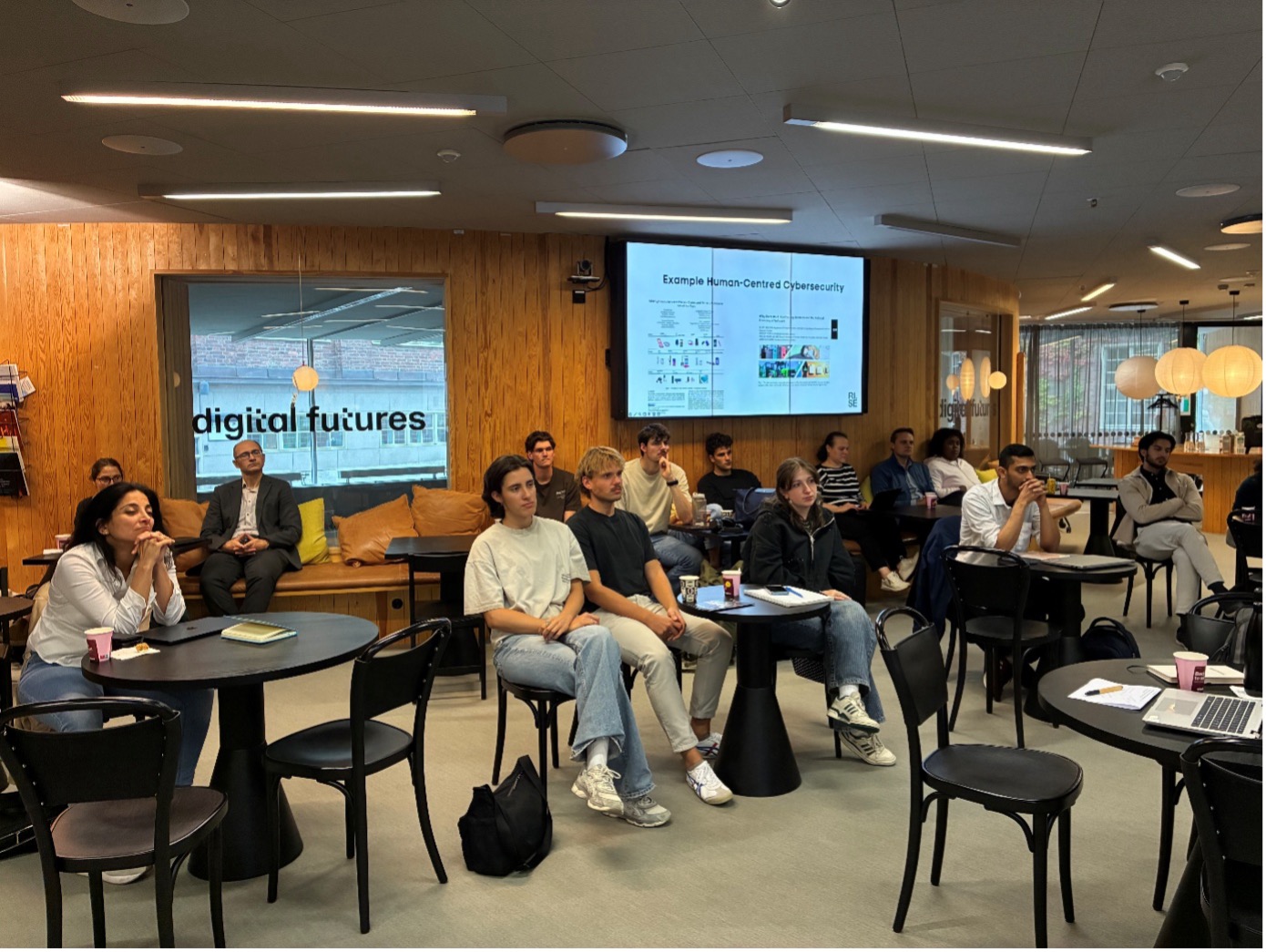
Led by Elham Rostami, Director of HumanLab at Karolinska Institutet, a group of master’s students visited Digital Futures on 4 September 2026 to explore how digital technologies, data, and artificial intelligence are transforming research, healthcare, and society. The students, representing a wide range of international backgrounds, are enrolled in the Master’s Programme in Translational Physiology and Pharmacology and are currently taking the elective course AI for Clinical and Biomedical Applications (Artificial Intelligence for Clinical and Biomedical Applications, 4.0 Credits | Karolinska Institutet.
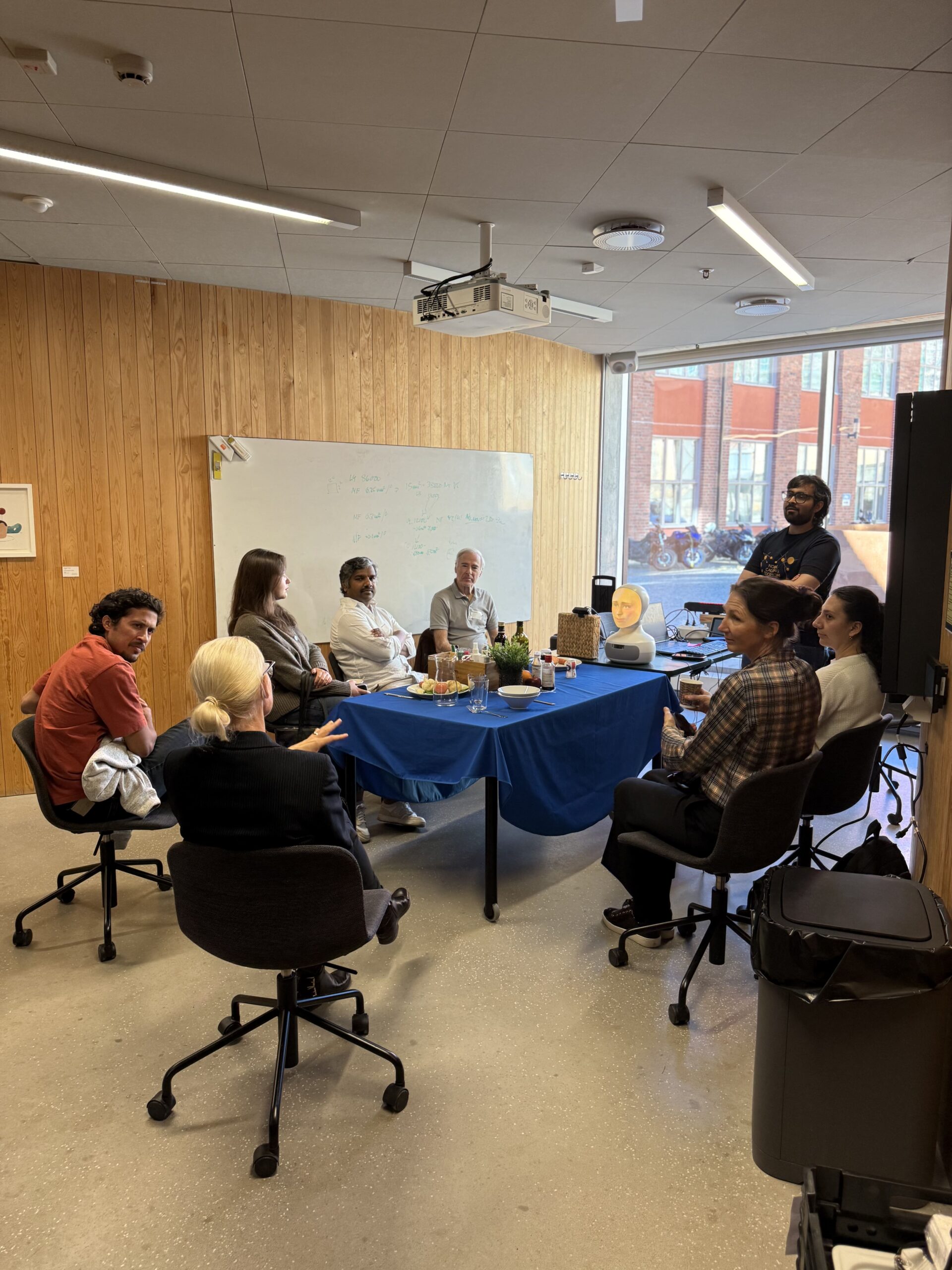
The visit offered a broad introduction to Digital Futures and its interdisciplinary approach to research. Throughout the afternoon, researchers presented examples of how AI, data science, digitalisation, and emerging technologies are being applied to address some of society’s most pressing challenges in healthcare, sustainability, and education.
– Digital Futures offers an inspiring environment in which the future of health and medicine can be explored together with technology, AI and society. For our students, the visit made the opportunities tangible but also showed that innovation depends on crossing boundaries between disciplines, institutions and professional cultures. Introducing future clinicians and researchers to these tools early in their education is essential if we want them not only to use technology, but to help shape it responsibly, says Elham Rostami, neurosurgeon, researcher, and Director of HumanLab at Karolinska Institutet.
The programme showcased the breadth of expertise within Digital Futures, with presentations spanning topics such as neural data analysis, cancer research, sleep and sound interaction, health data analytics, climate-related digitalisation, geoinformatics, cybersecurity, human-computer interaction, extended reality, and AI-assisted pathology.
A recurring theme throughout the visit was the importance of interdisciplinary collaboration. The students learned how engineers, clinicians, computer scientists, and researchers from other disciplines work together to develop solutions with real-world impact. Examples illustrated how close collaboration between academia, healthcare providers, industry, and public sector organisations can accelerate innovation and create tangible societal benefits.
Several presentations sparked discussions among the students. Topics such as autonomous racing cars, cybersecurity, and the vulnerability of connected medical devices highlighted both the opportunities and challenges associated with digital transformation. Questions of trust, security, resilience, and the relationship between humans and technology emerged as central considerations for future healthcare professionals and researchers alike.
The visit concluded with an interactive reflection session led by Pawel Herman, Associate Director for Strategic Research at Digital Futures. Students were invited to discuss their own roles in technological development, reflecting on whether they see themselves primarily as enablers or obstacles to innovation. The conversation provided an opportunity to connect the day’s research examples with broader ethical, societal, and professional perspectives.
By bringing together students and researchers from different disciplines, the visit exemplified the Digital Futures mission of fostering collaboration across traditional boundaries and preparing the next generation to navigate a rapidly evolving digital society.
Programme highlights
The students met researchers from across the Digital Futures community:
- Annika Szabo Portela – Introduction to Digital Futures
- Arvind Kumar – Model-driven analysis of neural data
- Matthieu Barreau – SCALE: Simulating Cell-Cell Interactions in Cancer with AI to eLiminate Aberrant Equilibria
- Sandra Pauletto – Sonic Interaction Design and Sleep
- Martina Scolamiero – Topological Data Analysis of Health Data
- Mattias Höjer – Digitalisation and Climate
- Golnaz Taheri – Machine Learning for Understanding Cancer
- Andrea Nascetti – Geoinformatics
- Gisele Miranda – AI-Assisted 3D Kidney Pathology and AI-Based 3D Spatial Cancer Biology
- Asreen Rostami – HCI, Cybersecurity and XR
– We see tremendous value in creating opportunities for students to engage directly with researchers across disciplines. Visits like this help build stronger connections between Digital Futures and Karolinska Institutet, and we hope to expand this type of activity in the future. Bringing together future clinicians, researchers, and engineers is essential for addressing the complex challenges facing healthcare and society, explains Pawel Herman, Associate Director for Strategic Research, Digital Futures.