Date and time: Thursday 8 October 2026, 13:00 – 14:00 CEST followed by Swedish fika (coffee and cake)
Speaker: Sten Grillner, Karolinska Institutet & Nobel Institute for Neurophysiology
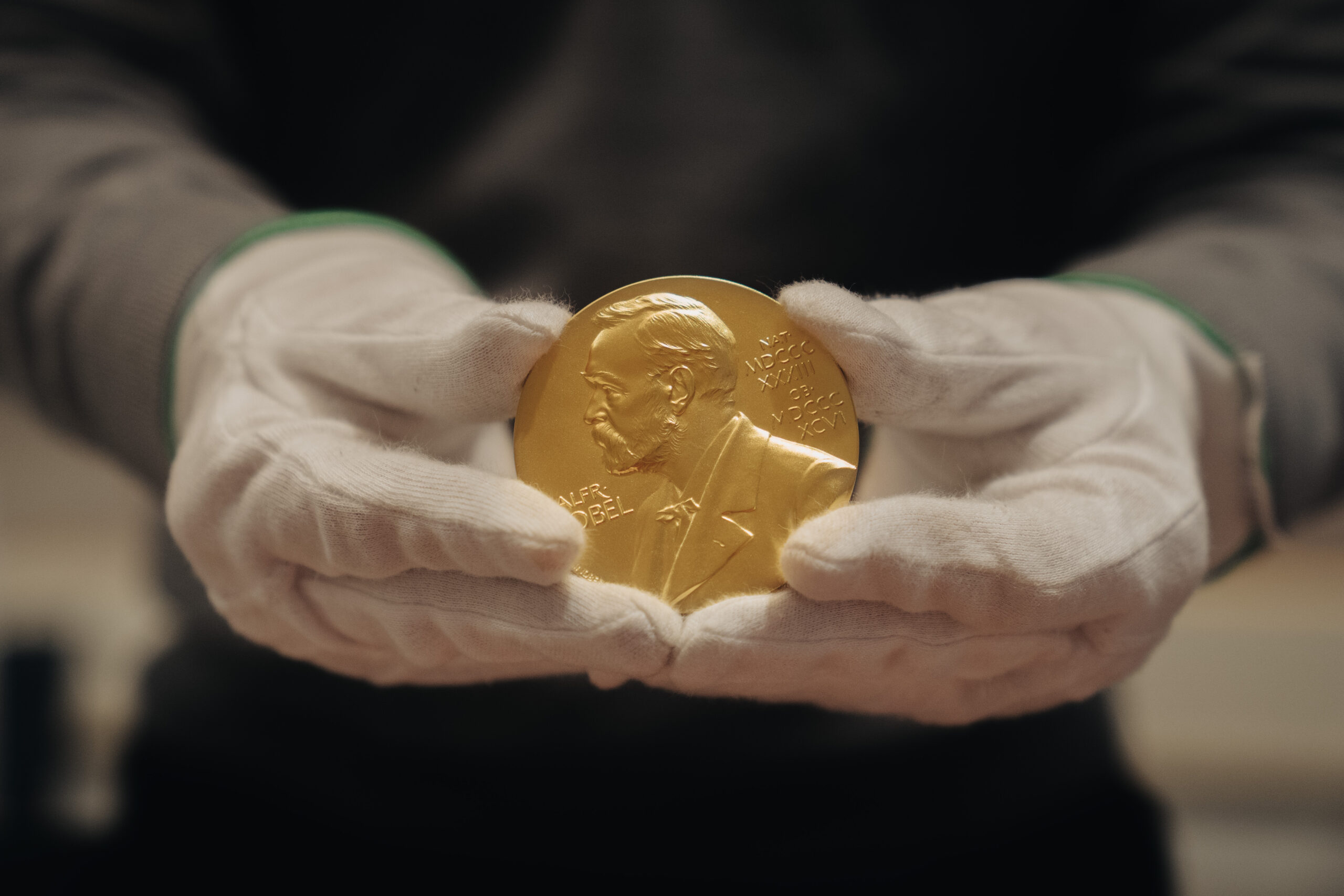
Title: How and why the Nobel Prize in Physiology or Medicine is Awarded-with some highlights from neuroscience
Where: Digital Futures hub, Osquars Backe 5, floor 2 at KTH main campus
Directions: https://www.digitalfutures.kth.se/contact/how-to-get-here/
OR Zoom: https://kth-se.zoom.us/j/69560887455
Free admission – a maximum of 50 participants will be accepted. To participate you need to register.
Please take the spiral concrete staircase one floor up to Digital Futures. Coffee and cake will be served.
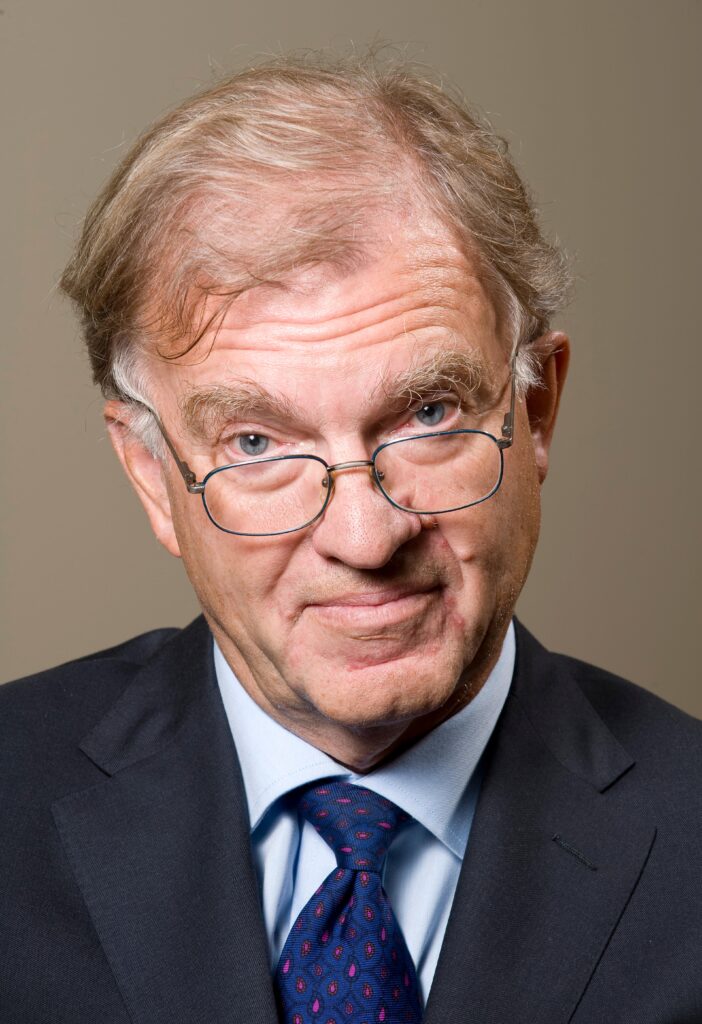
Professor Sten Grillner is a Swedish neurophysiologist and Distinguished Professor at Karolinska Institutet, where he was Director of the Nobel Institute for Neurophysiology. He is internationally recognised for his research on the neural circuits underlying motor behaviour, particularly how the spinal cord controls rhythmic movements such as locomotion.
Professor Grillner also been engaged in the Nobel Prize in Physiology or Medicine. He served as a member, Deputy Chair and Chair of both the Nobel committee and the Nobel Assembly at Karolinska Institutet, which awards the Nobel Prize in Physiology or Medicine, from 1988 to 2008. He is a member of several leading scientific academies, including the Royal Swedish Academy of Sciences and the US National Academy of Sciences.
His scientific achievements include the 2008 Kavli Prize in Neuroscience, awarded for his pioneering work on the neural networks that control behaviour.
Photo: Knut Falch
Abstract
How does the Nobel Assembly decide who deserves one of the world’s most prestigious scientific awards? In this talk, Professor Sten Grillner will share insights from his long-standing work with the Nobel Assembly and the Committee at Karolinska Institutet, including his time as Deputy Chair and Chair. He will discuss how Nobel Prize laureates in Physiology or Medicine are identified and selected and which criteria are the most important – illustrated with some high-lights, mostly from the field of Neuroscience.
The program is part of Nobel Calling Stockholm.