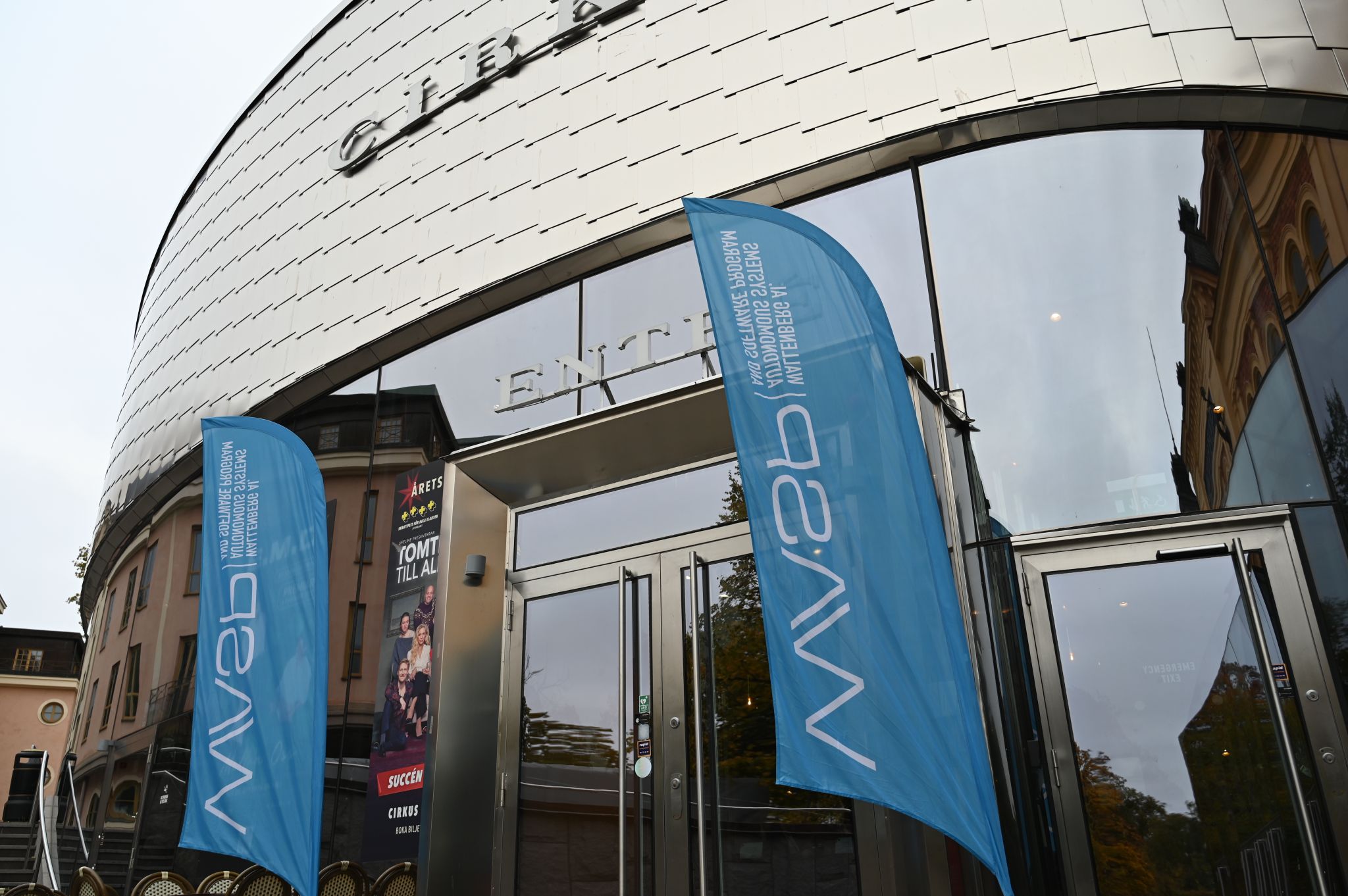
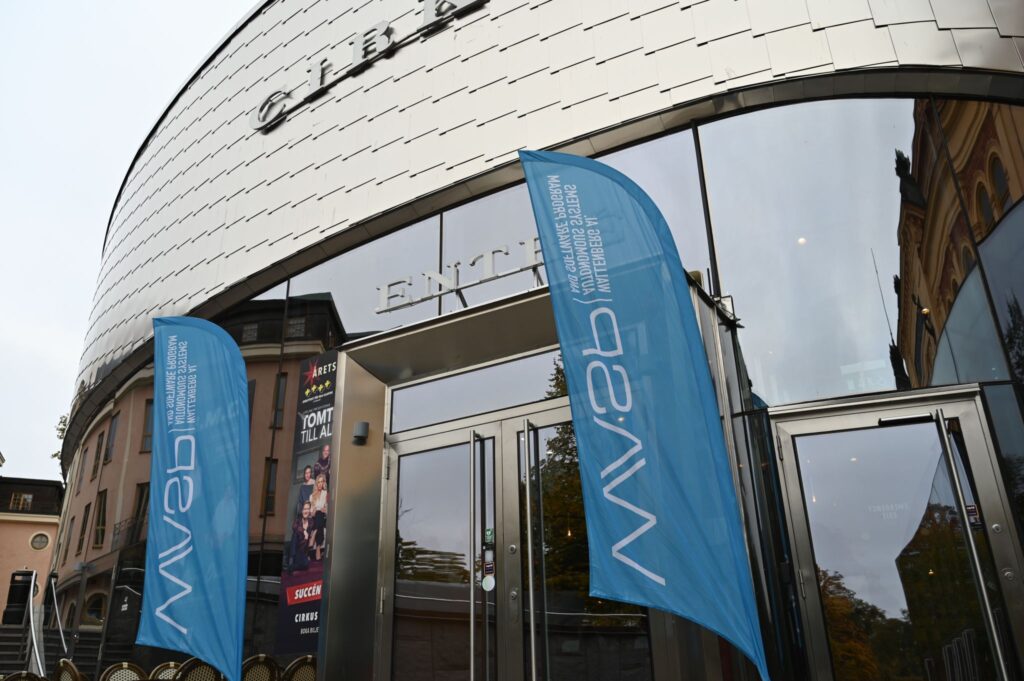
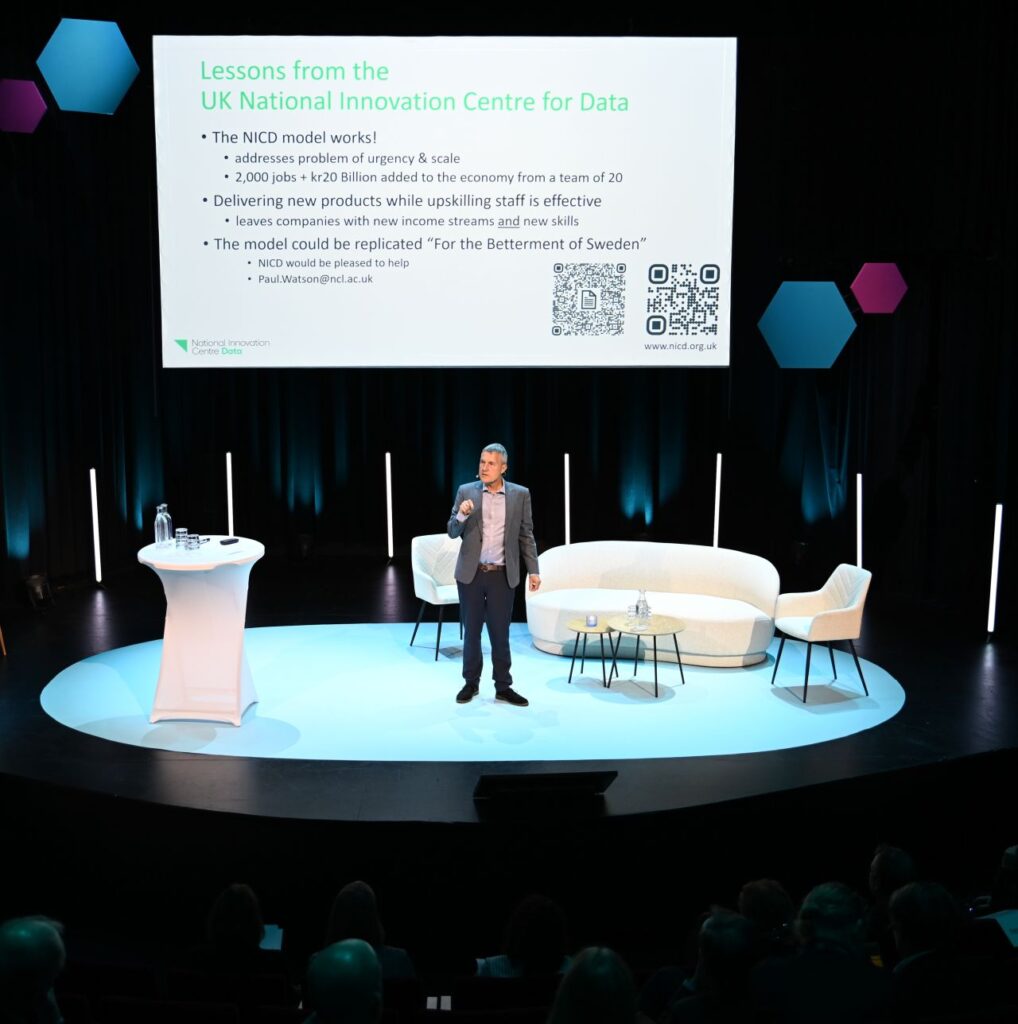
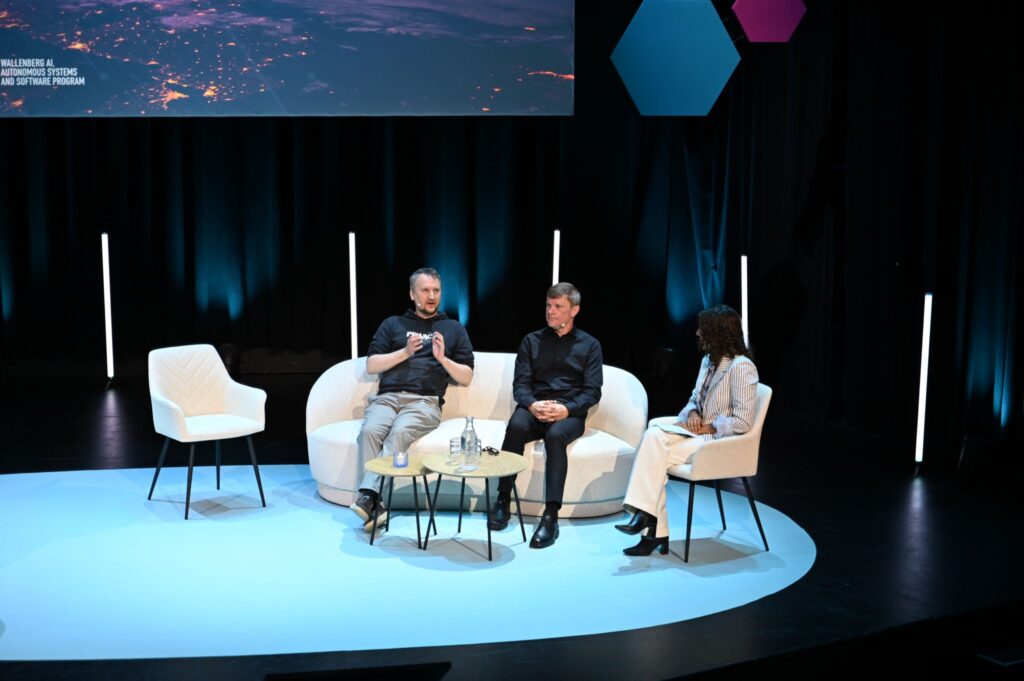
How can AI research translate into meaningful impact for Sweden? This question was at the heart of WASP Academia and Industry Days 2026, held at Cirkus in Stockholm on 13–14 October. The event brought together researchers, industry leaders and representatives from across the innovation ecosystem to explore how artificial intelligence, autonomous systems and software can contribute to Sweden’s future.
Under the theme For the Betterment of Sweden, the conference featured keynote presentations, industry talks, networking, exhibitions and poster sessions, creating opportunities to exchange ideas and strengthen collaboration between academia and industry.
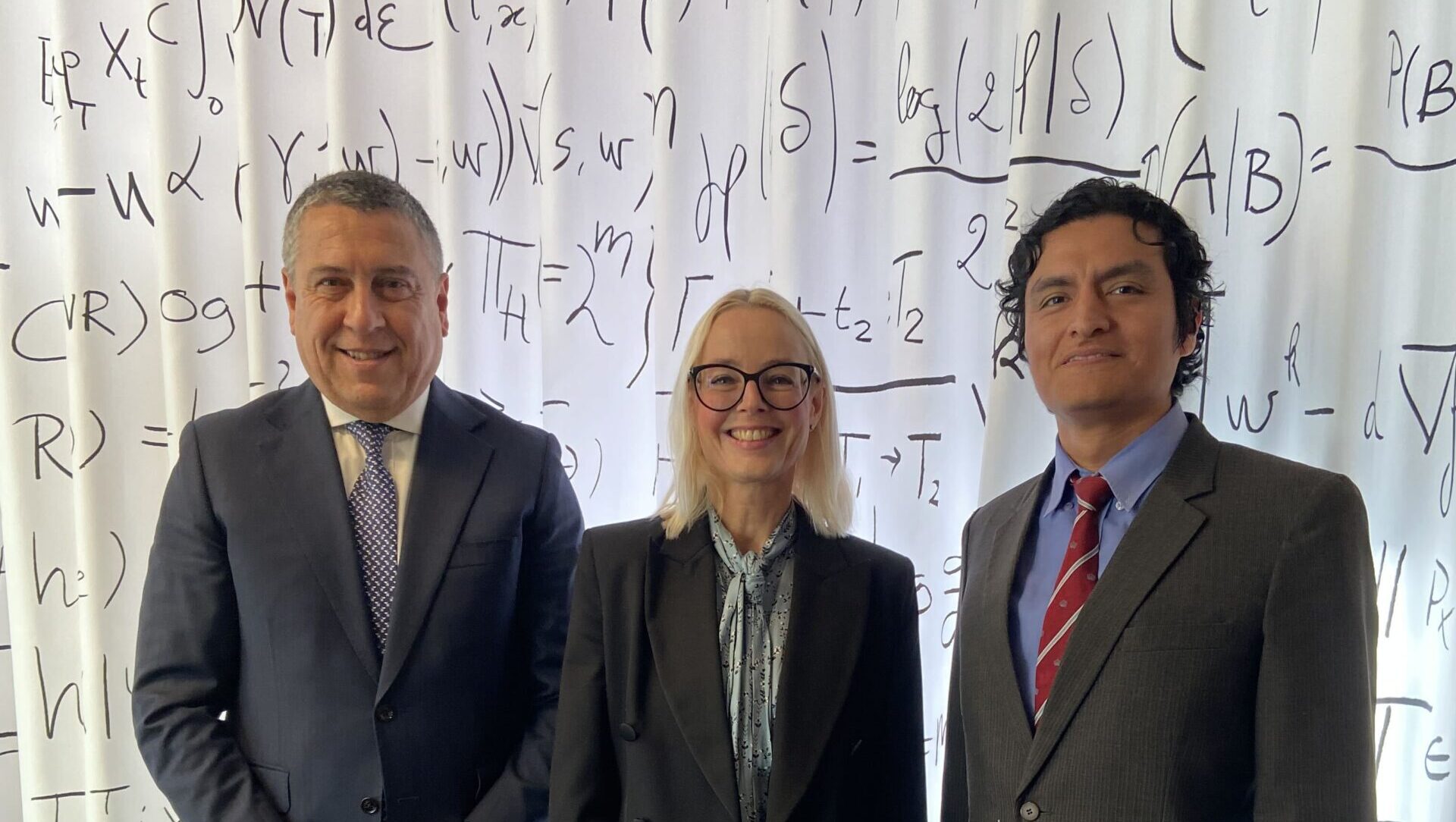
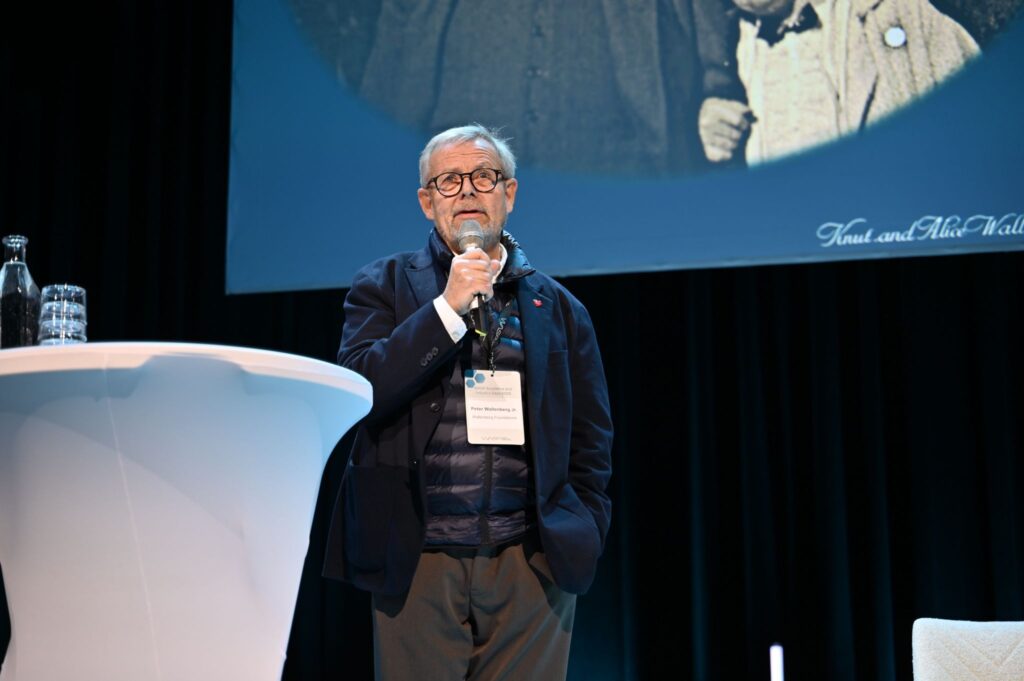
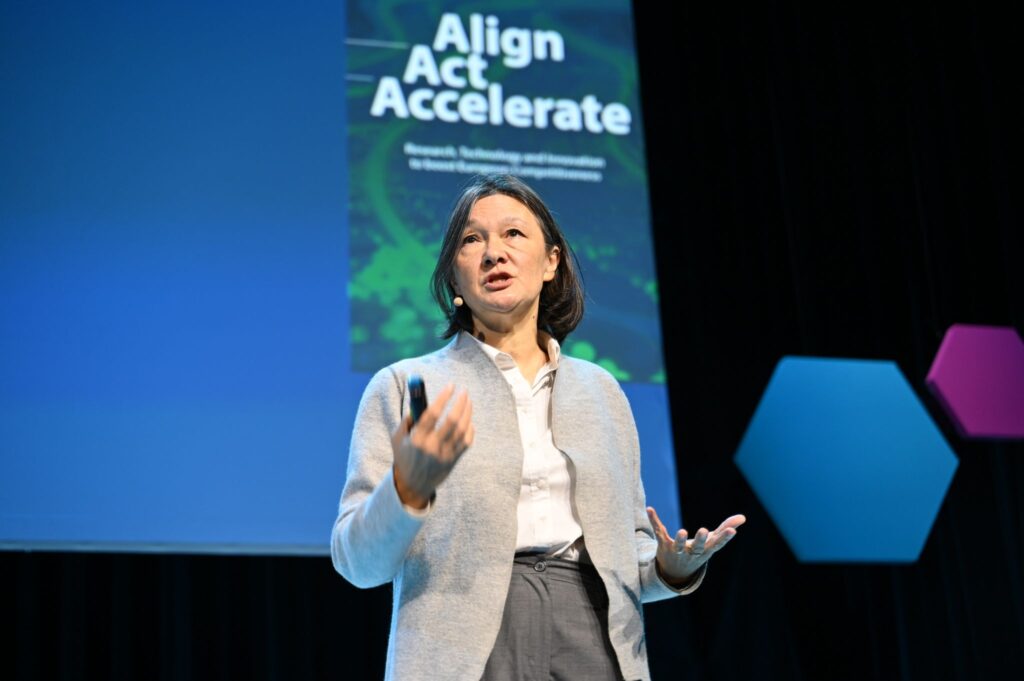
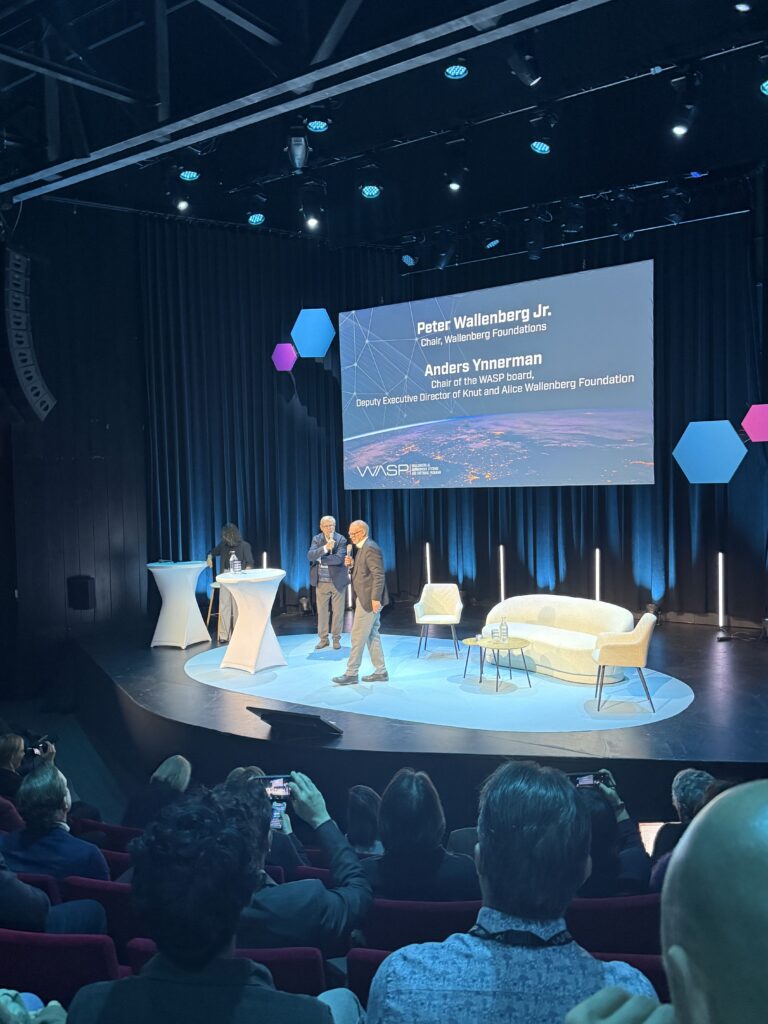
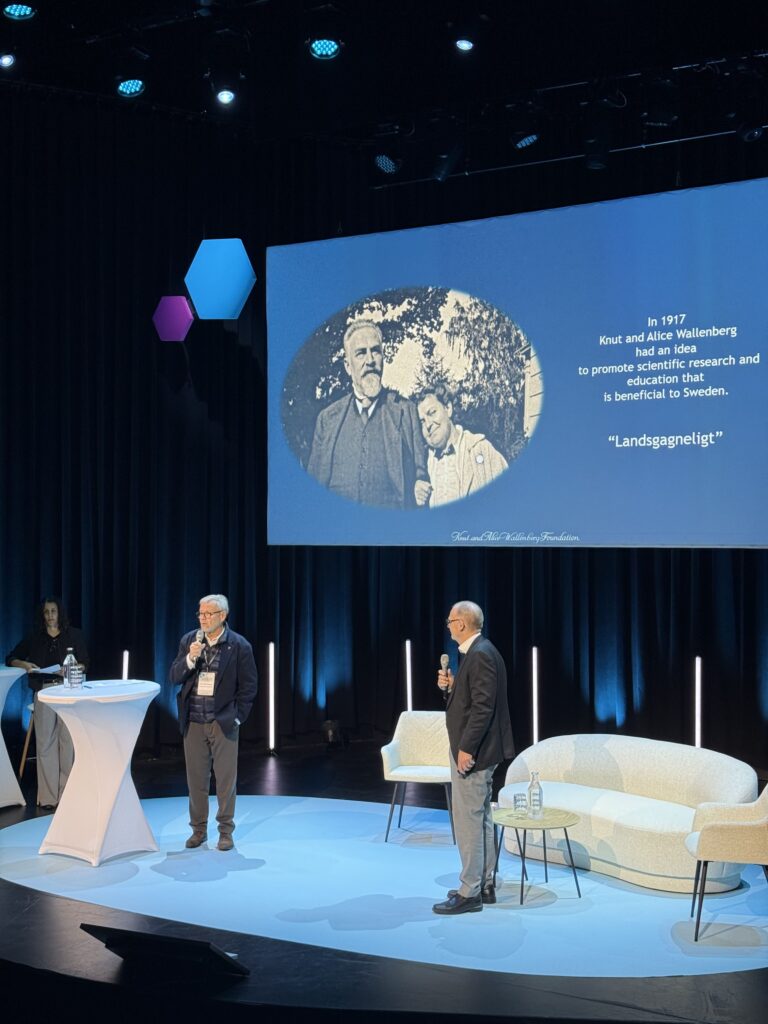
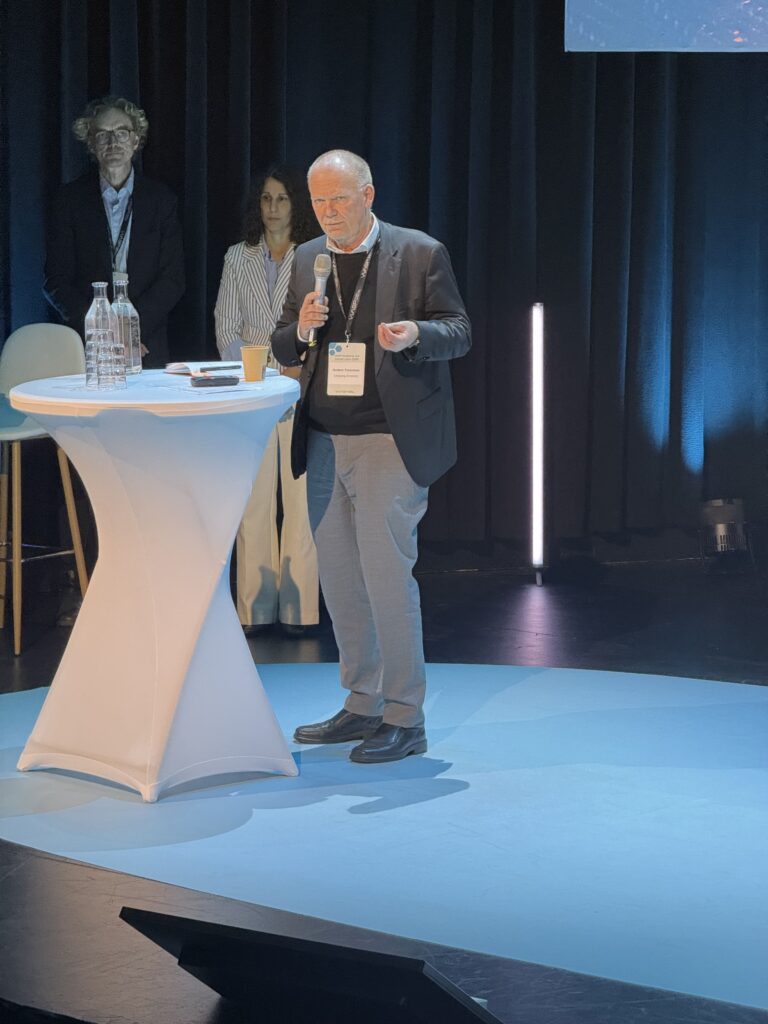
The conference opened with remarks from Peter Wallenberg Jr., Chair of Wallenberg Foundations, and Anders Ynnerman, Chair of the WASP board and Deputy Executive Director of the Knut and Alice Wallenberg Foundation, alongside Amy Loutfi, WASP Program Director.
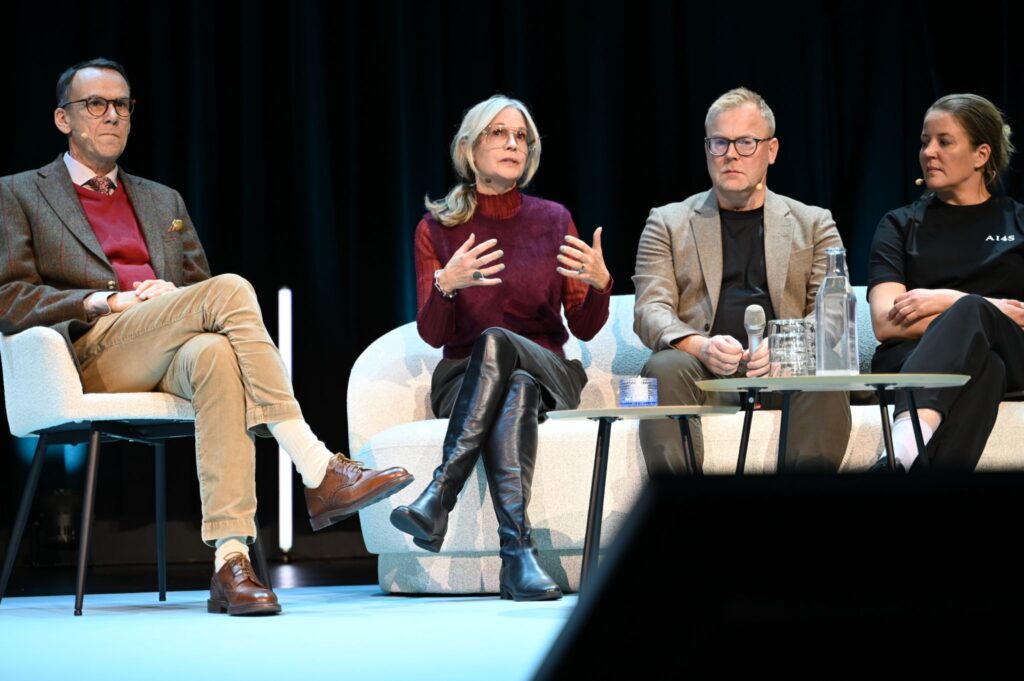
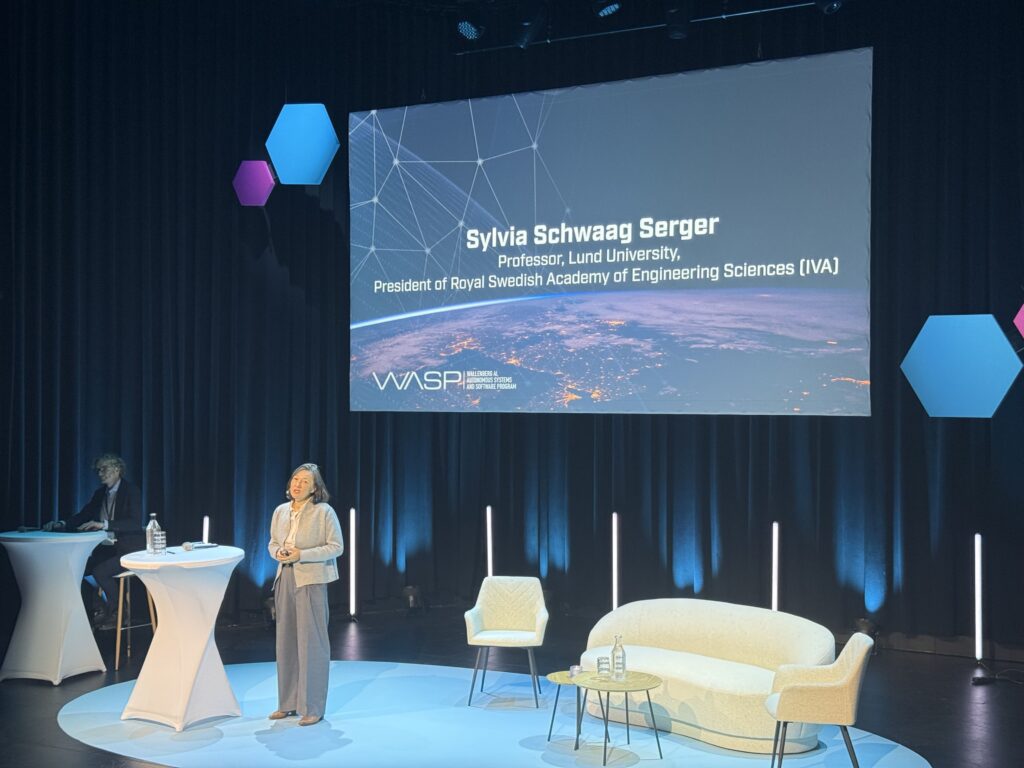
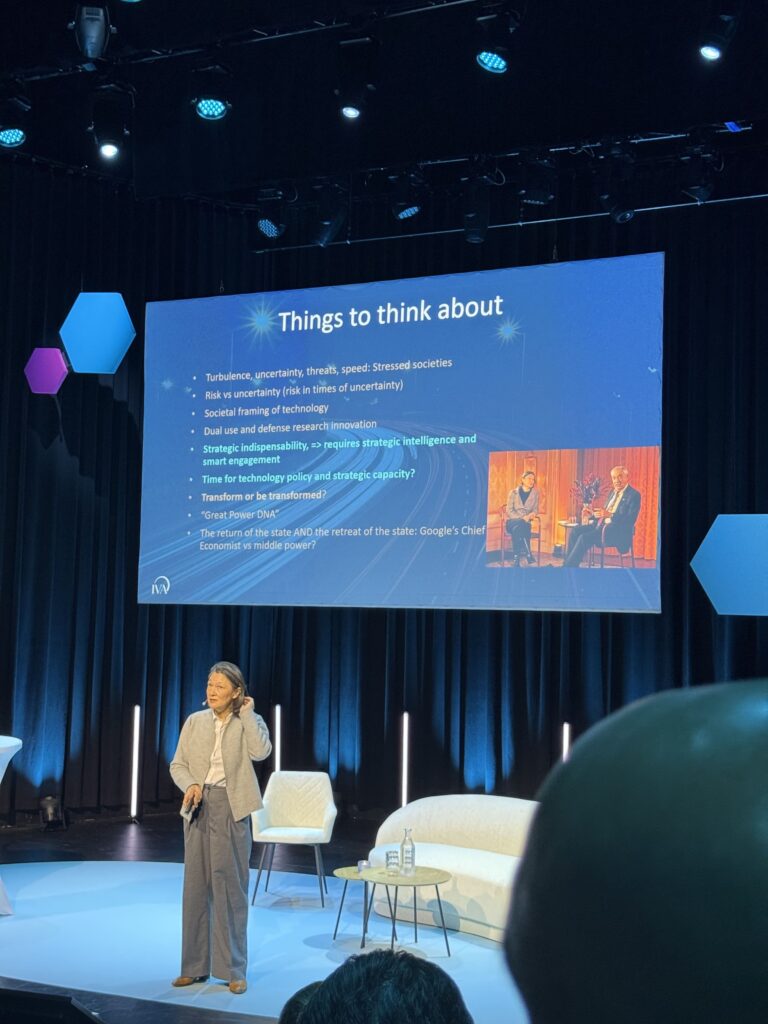
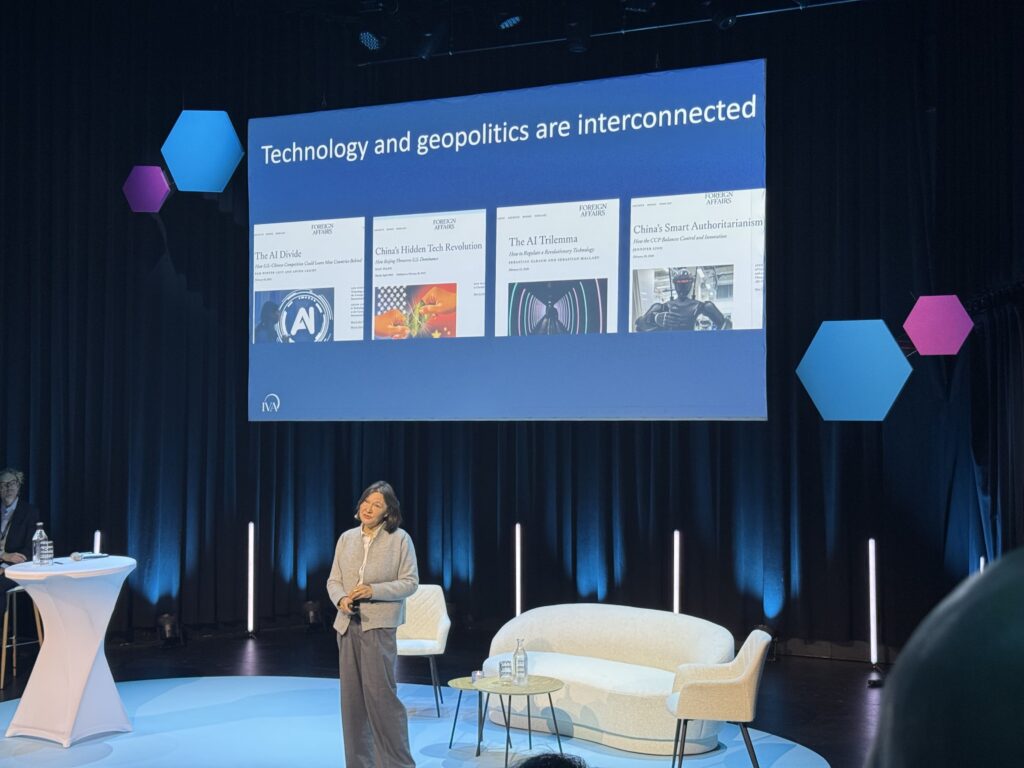
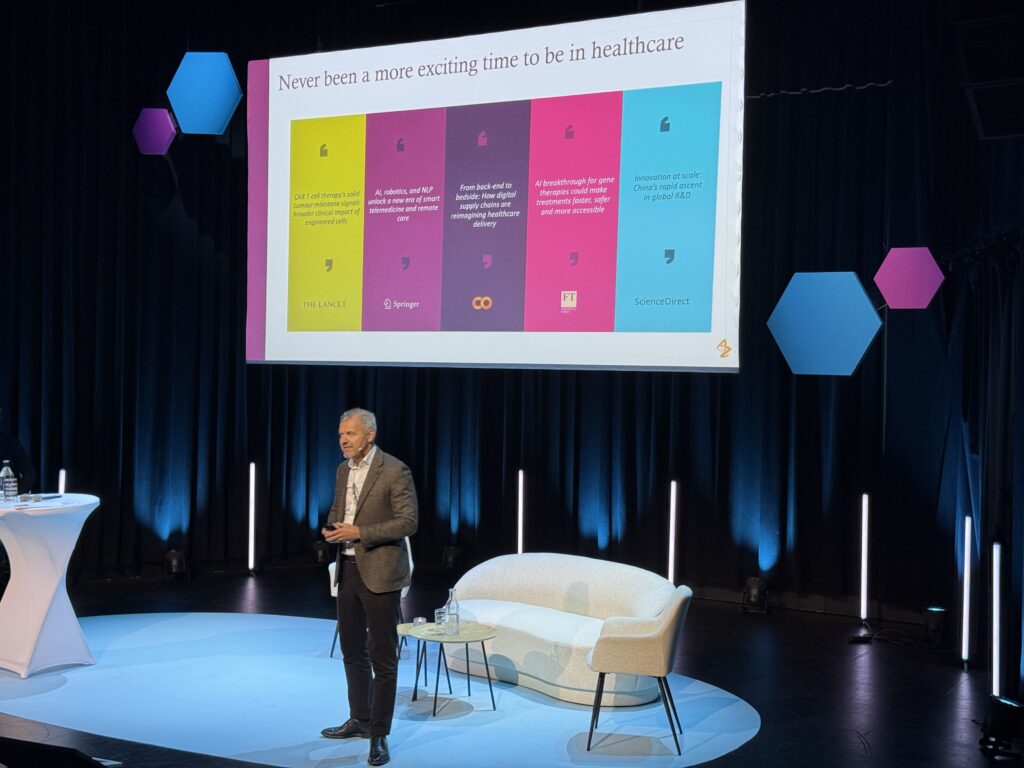
The programme addressed a broad range of topics, from technology and geopolitical developments to Swedish capabilities in large language models, industrial AI, healthcare, autonomous systems and the transformation of organisations through AI.

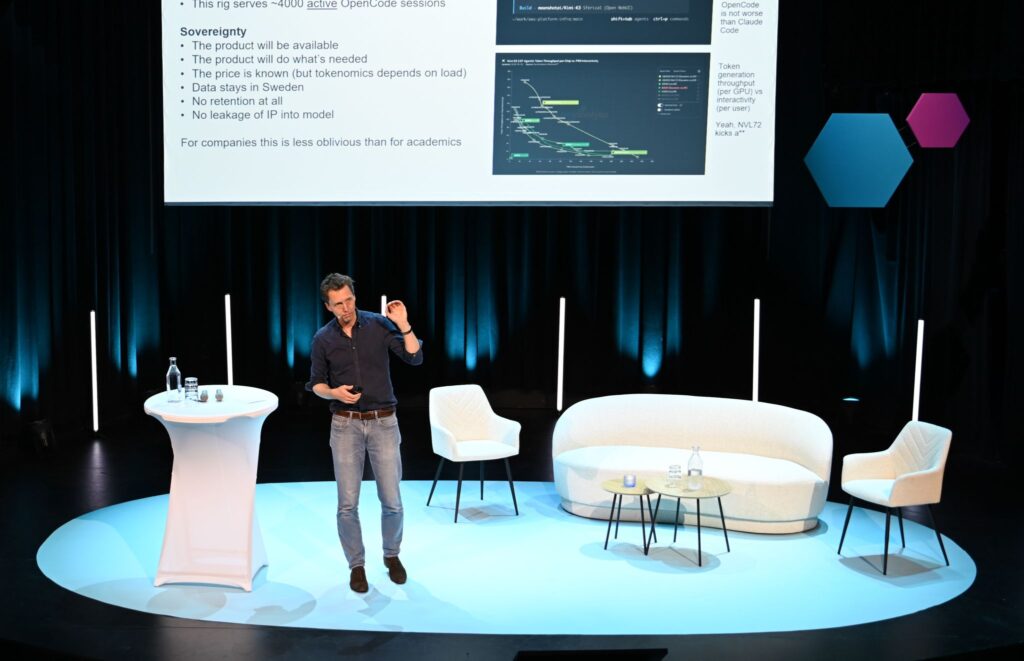
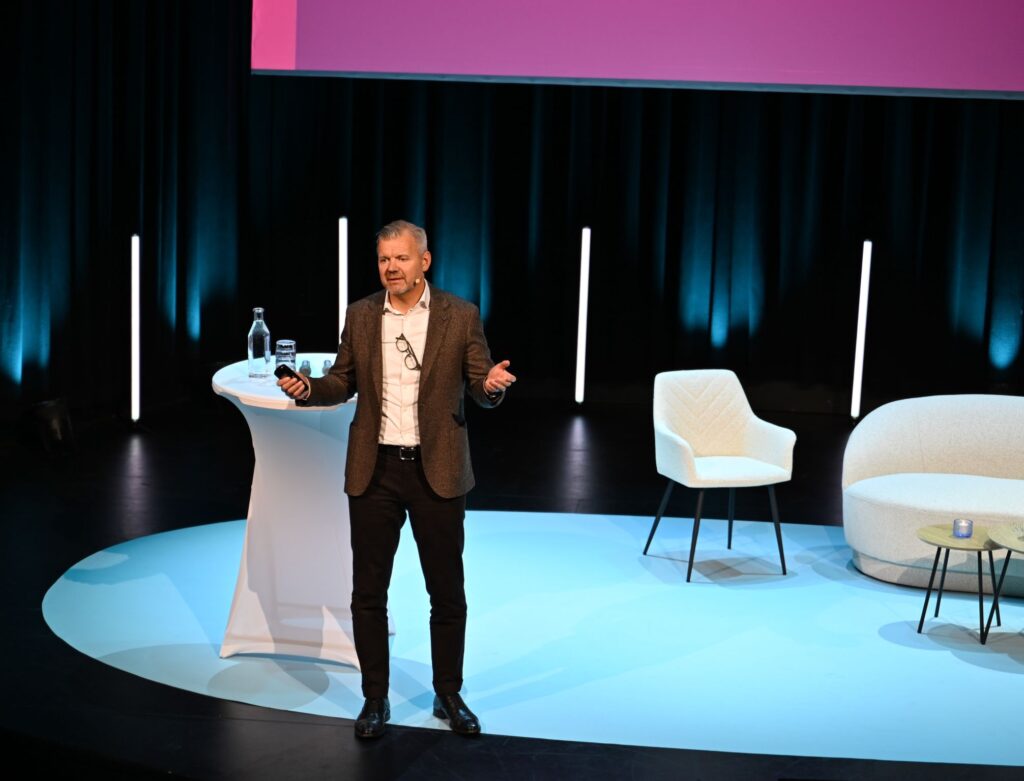
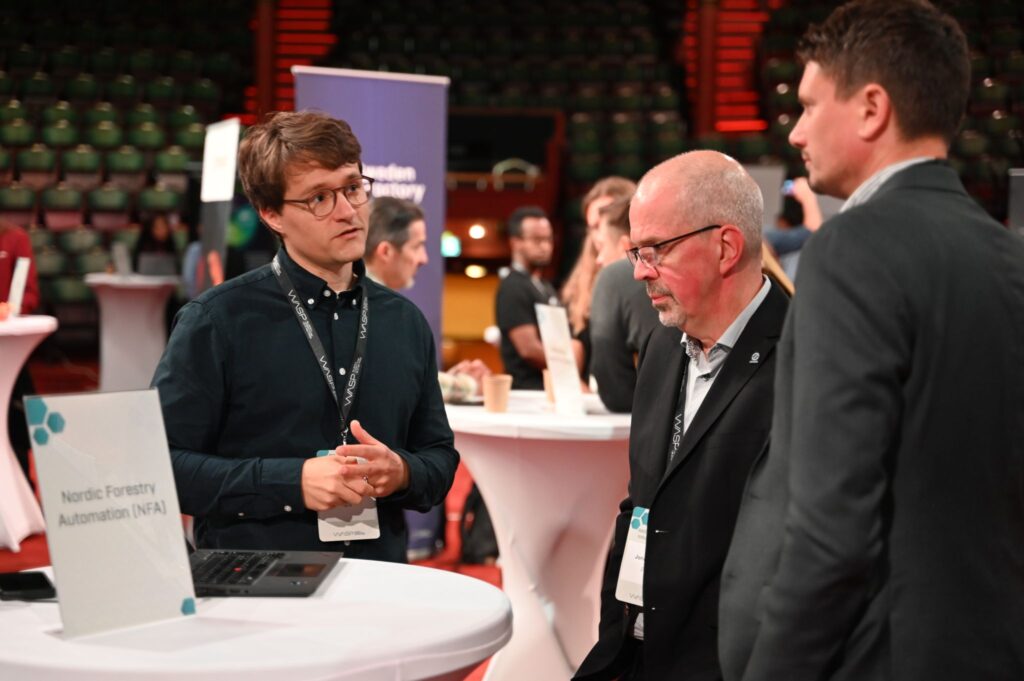
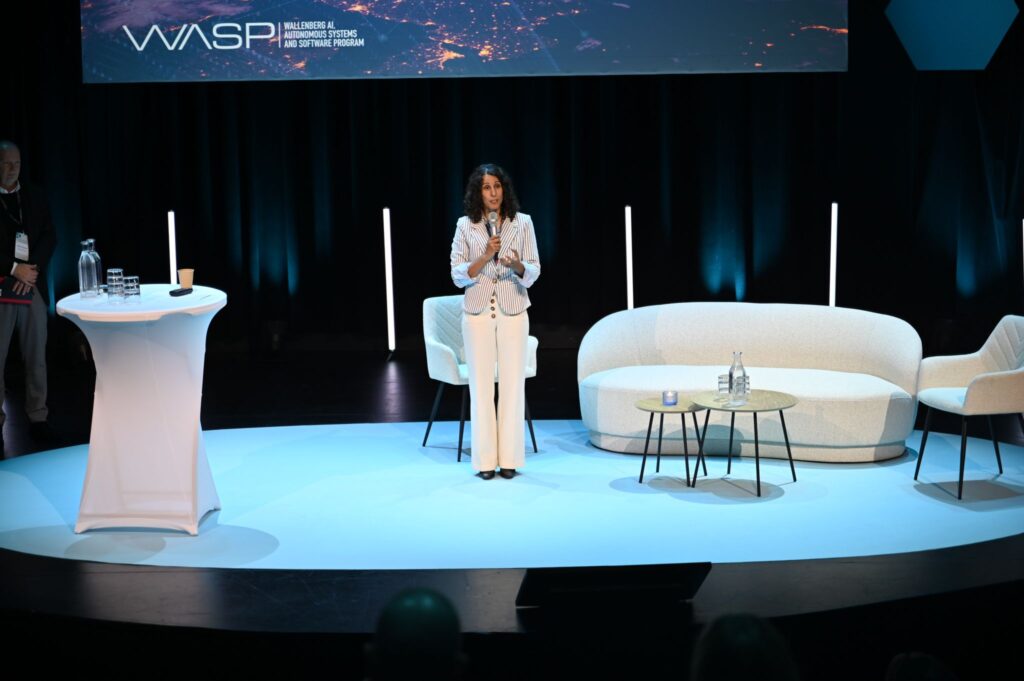
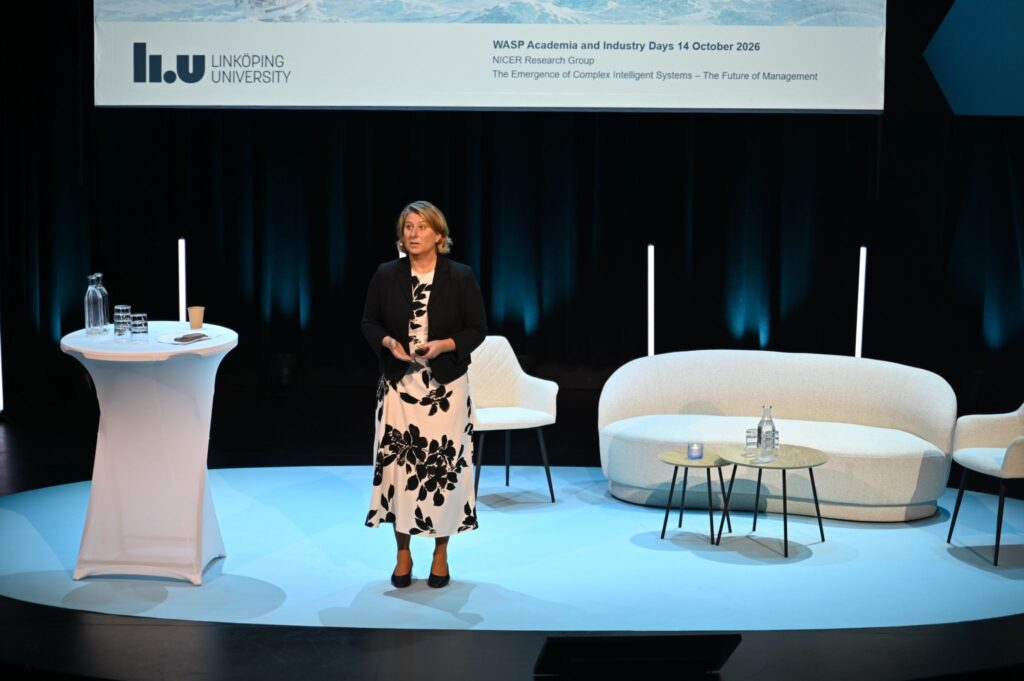
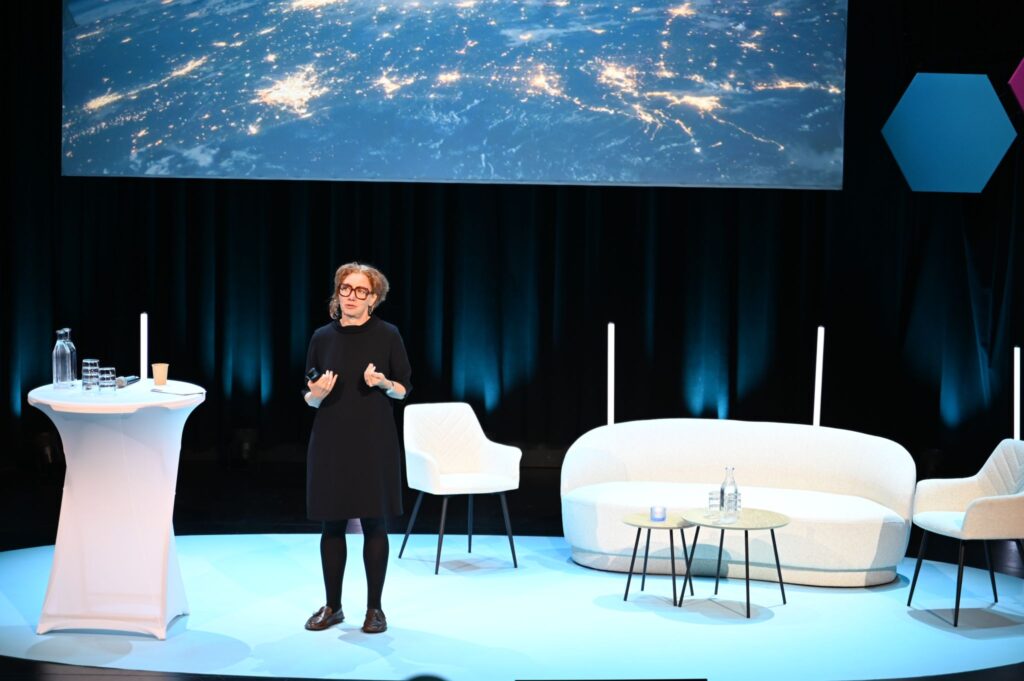
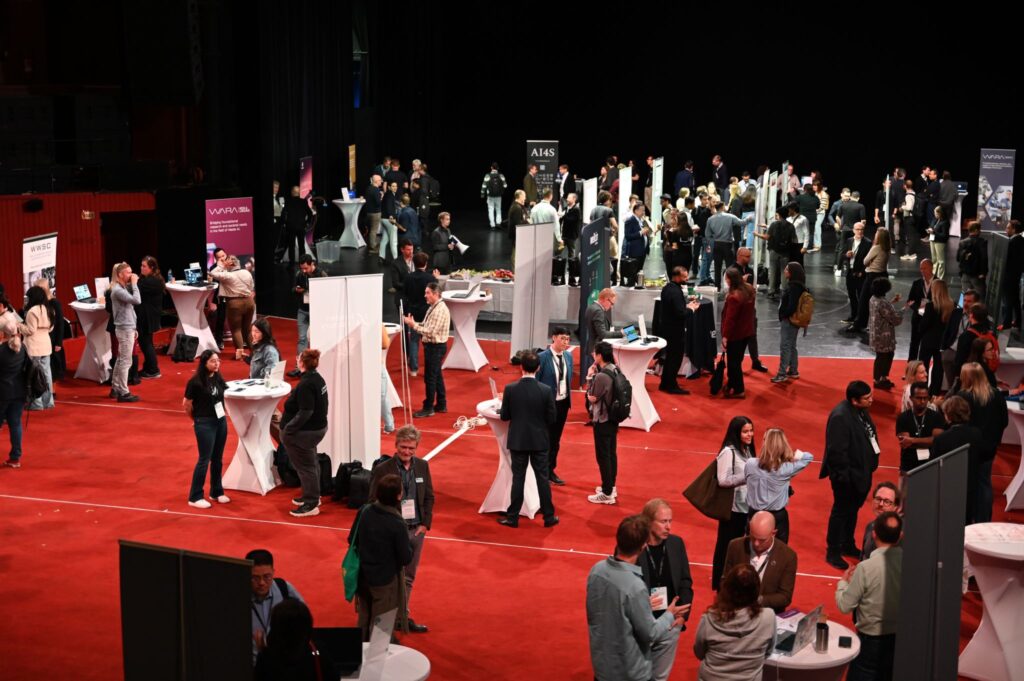
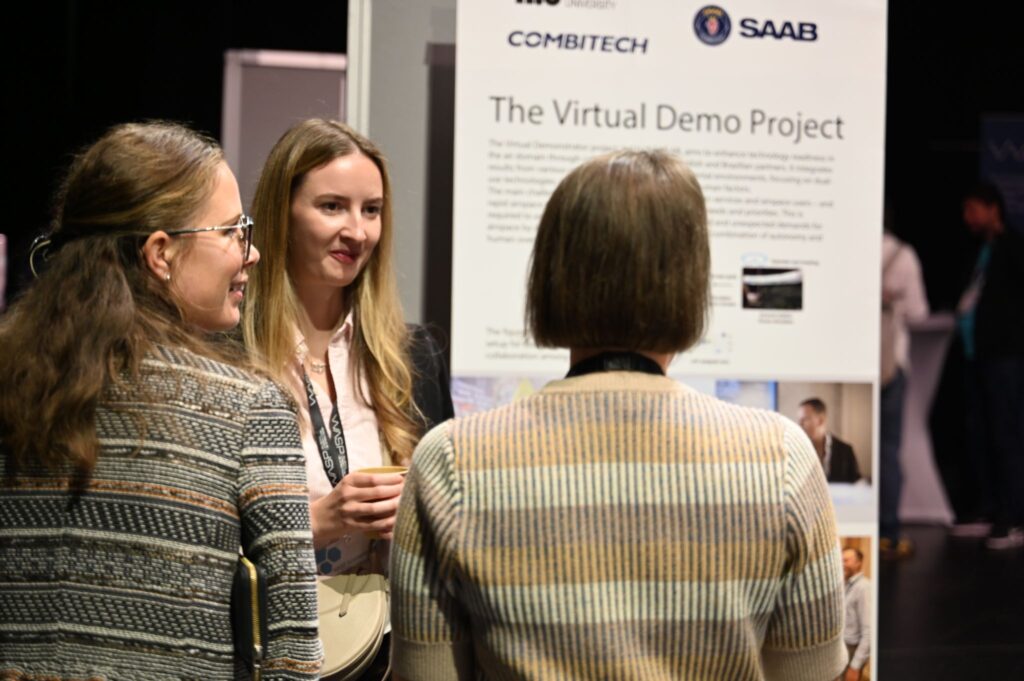
Bringing academia, industry and innovation together
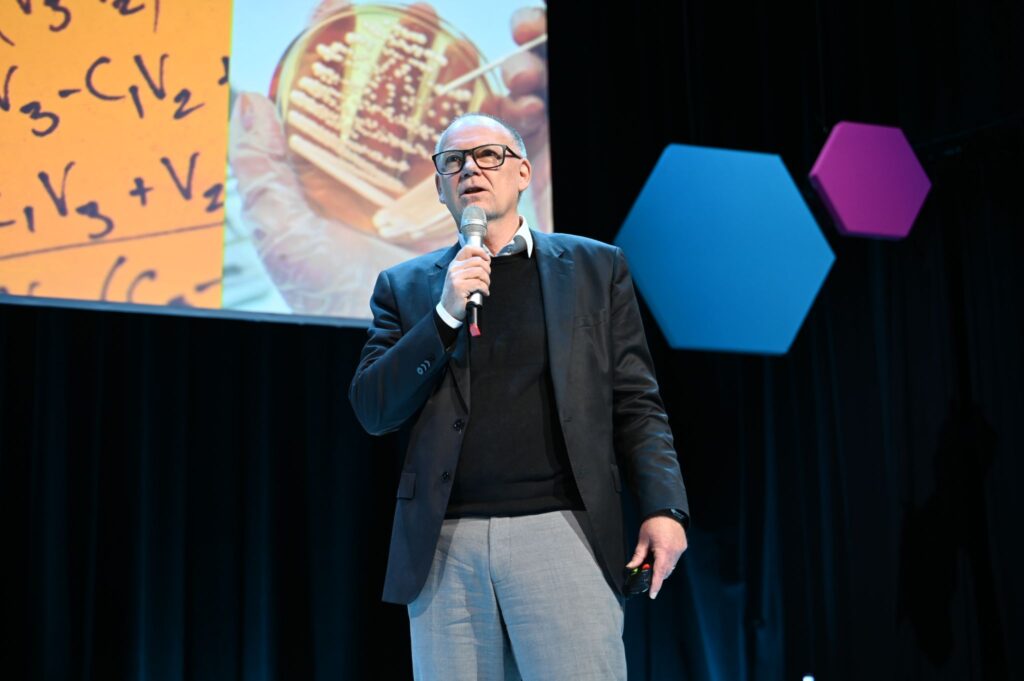
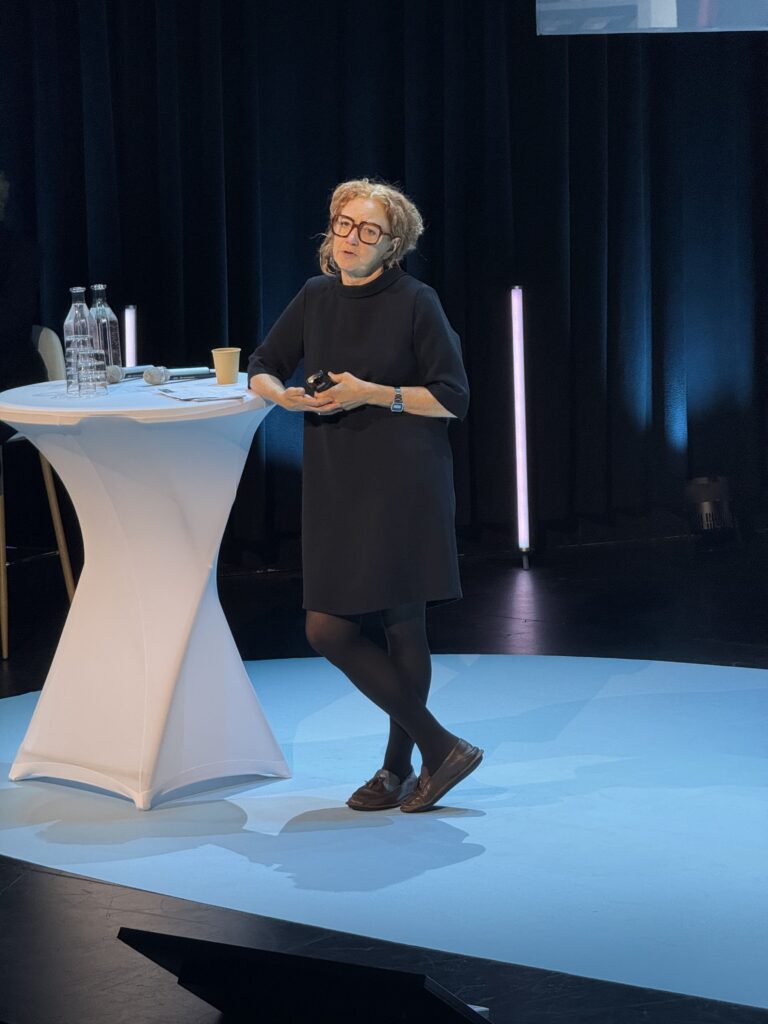
The conference programme featured speakers from leading companies, universities and research initiatives, illustrating the breadth of Sweden’s AI and technology ecosystem.
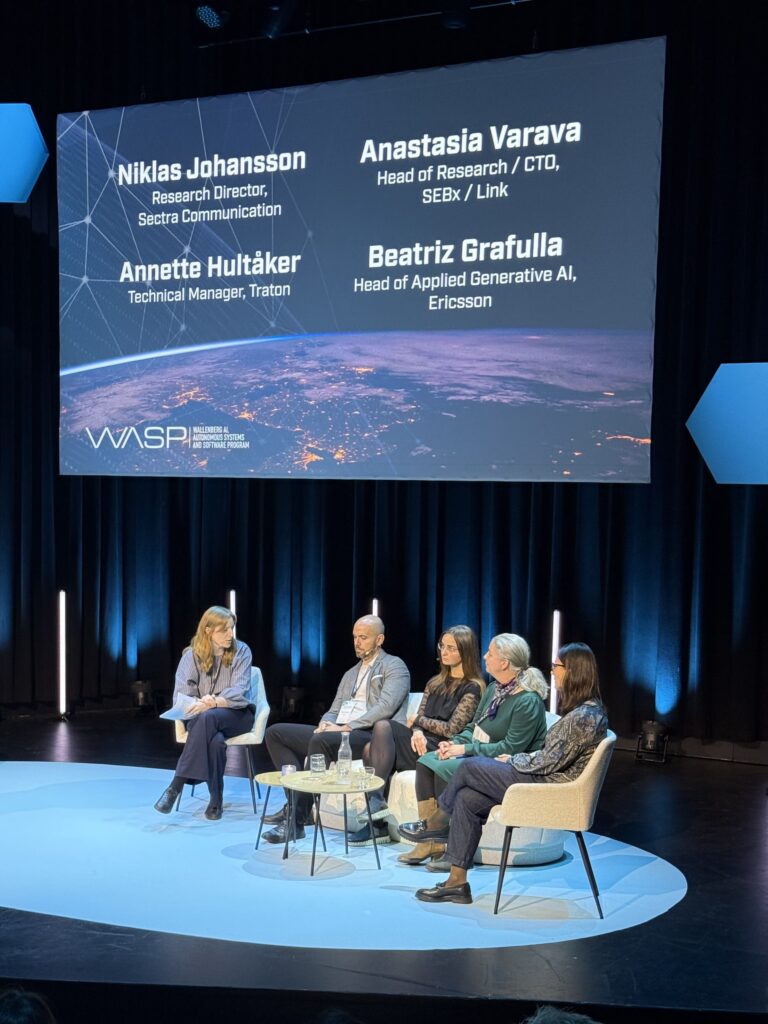
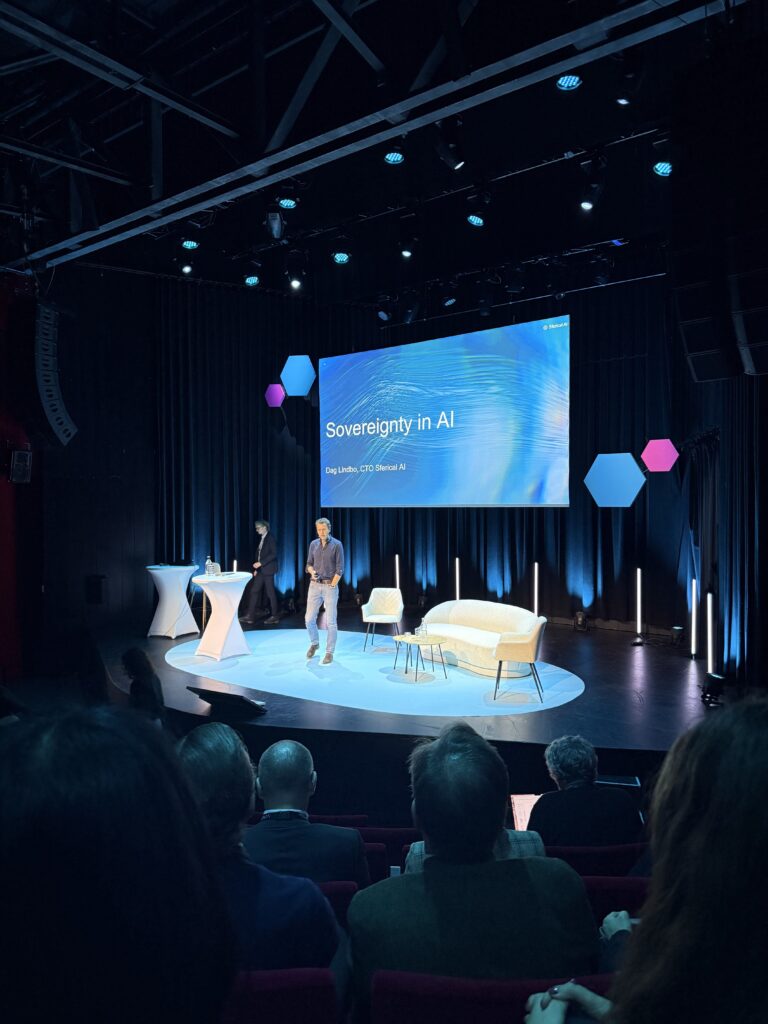
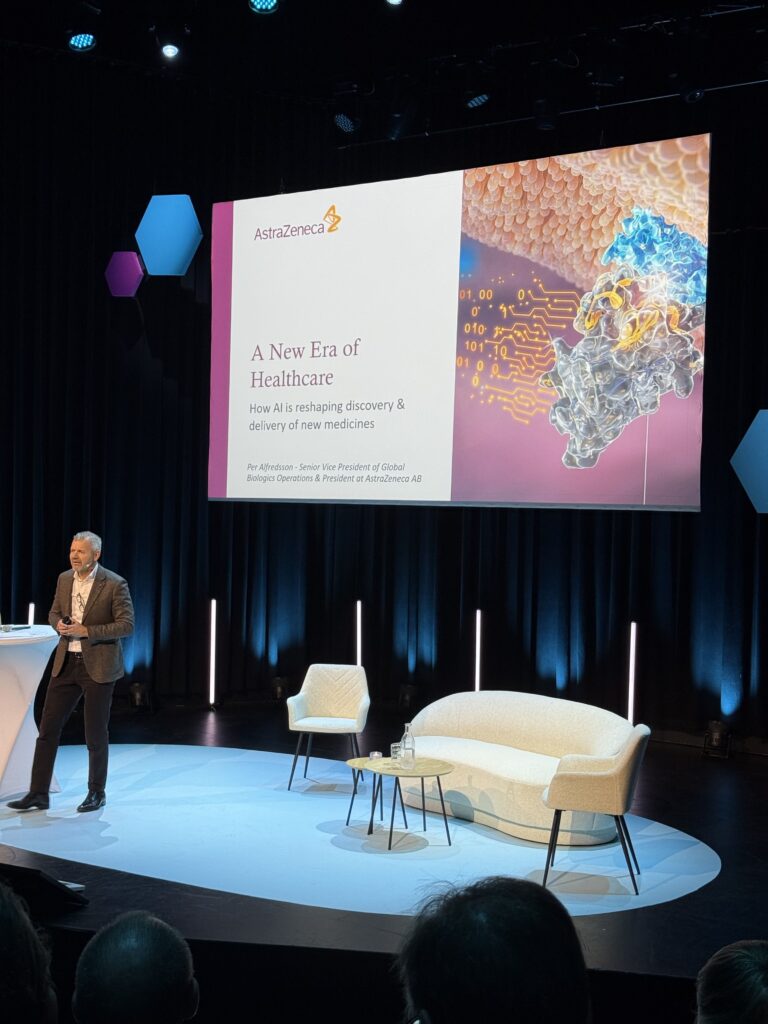
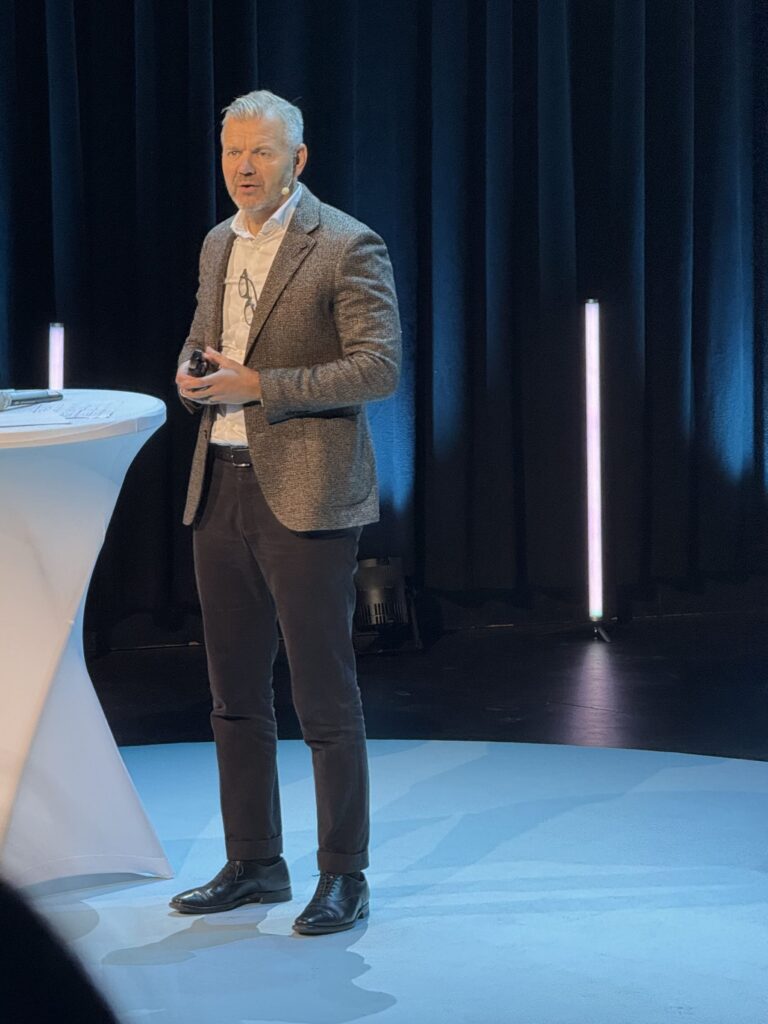
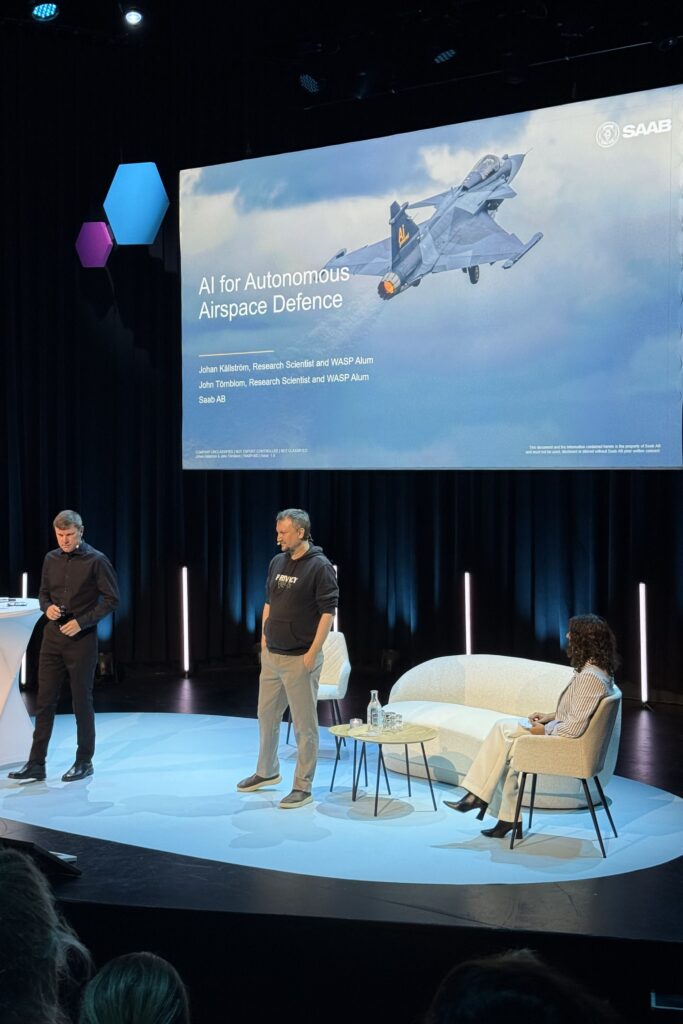
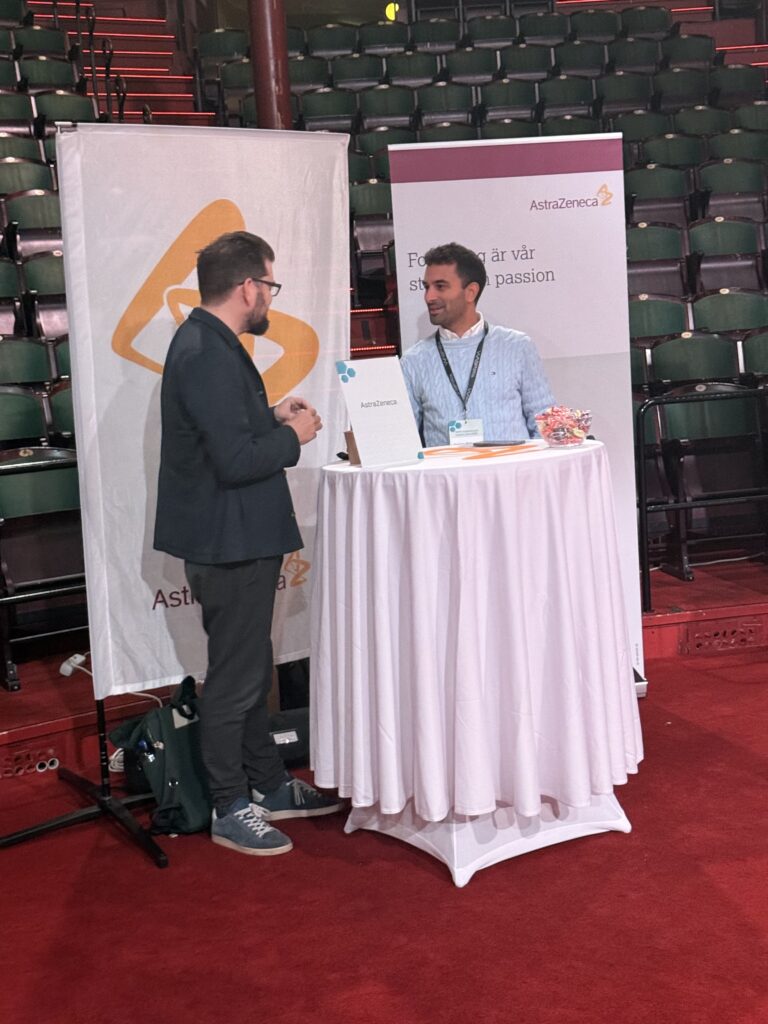
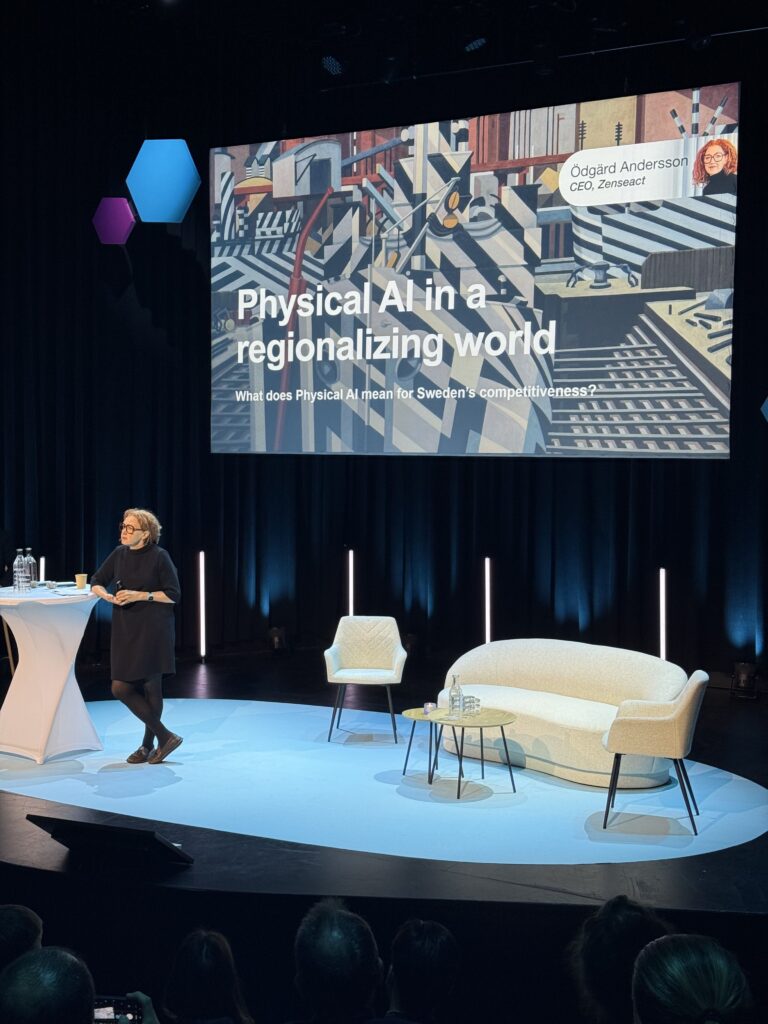
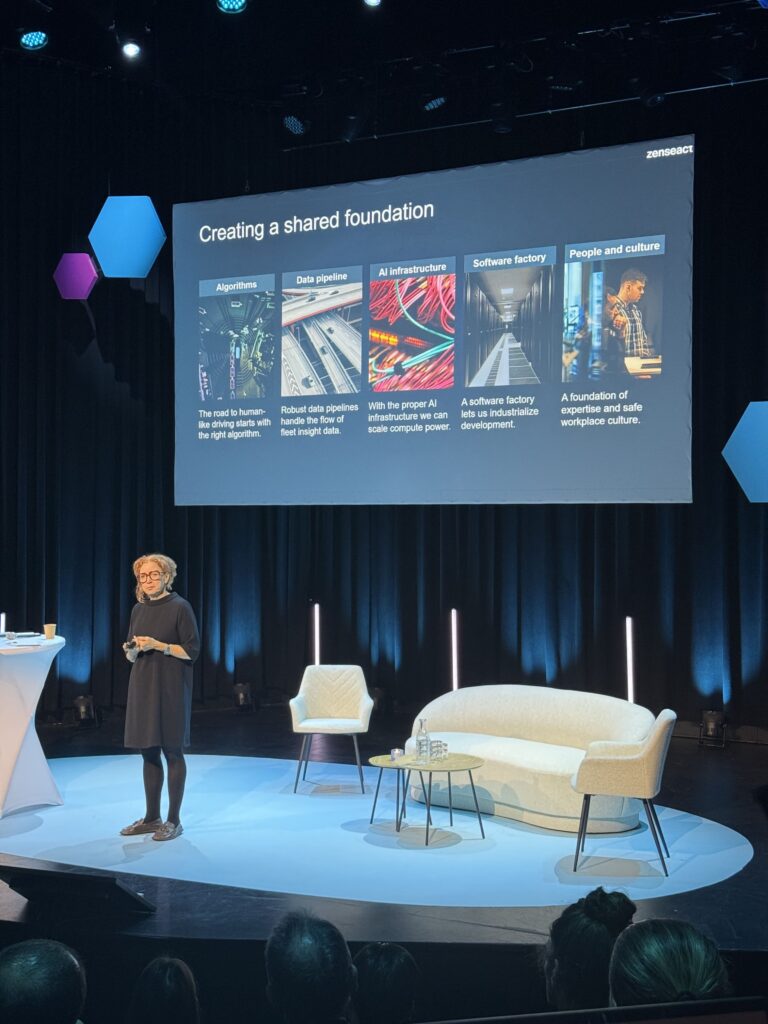
Industry perspectives came from Sectra, SEB, Link, TRATON, Ericsson, Sferical AI, AstraZeneca, Saab and Zenseact. Their contributions addressed topics including applied generative AI, industrial AI at scale, the use of AI in healthcare and medicine development, autonomous airspace defence, and the development of physical AI products.
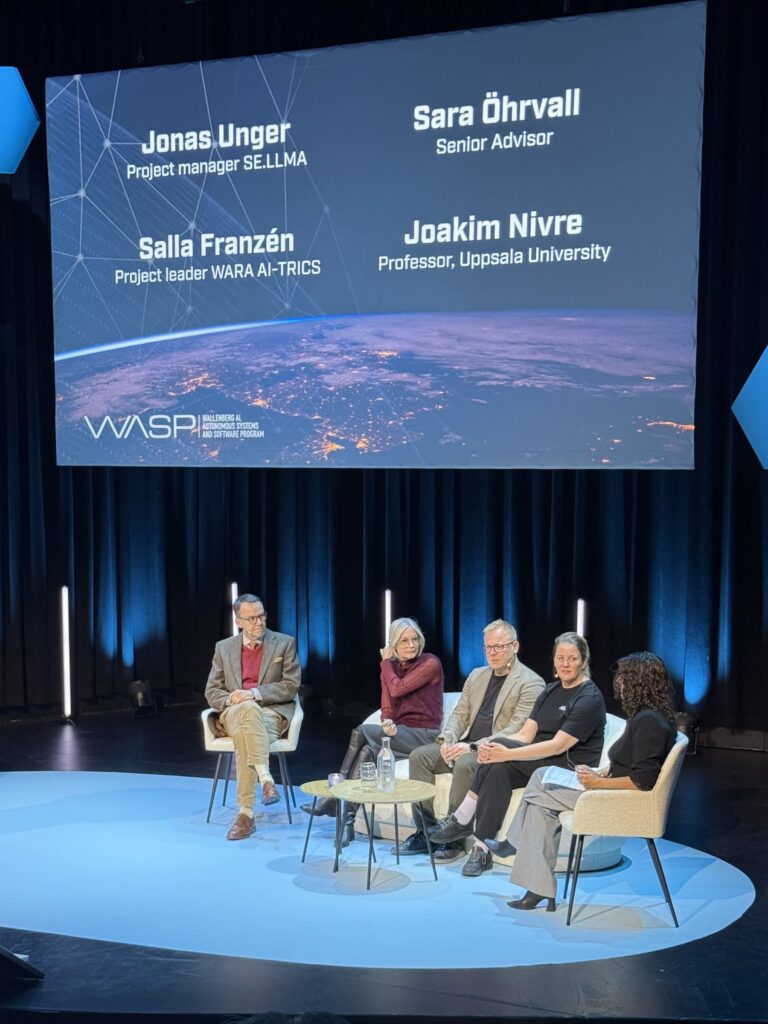
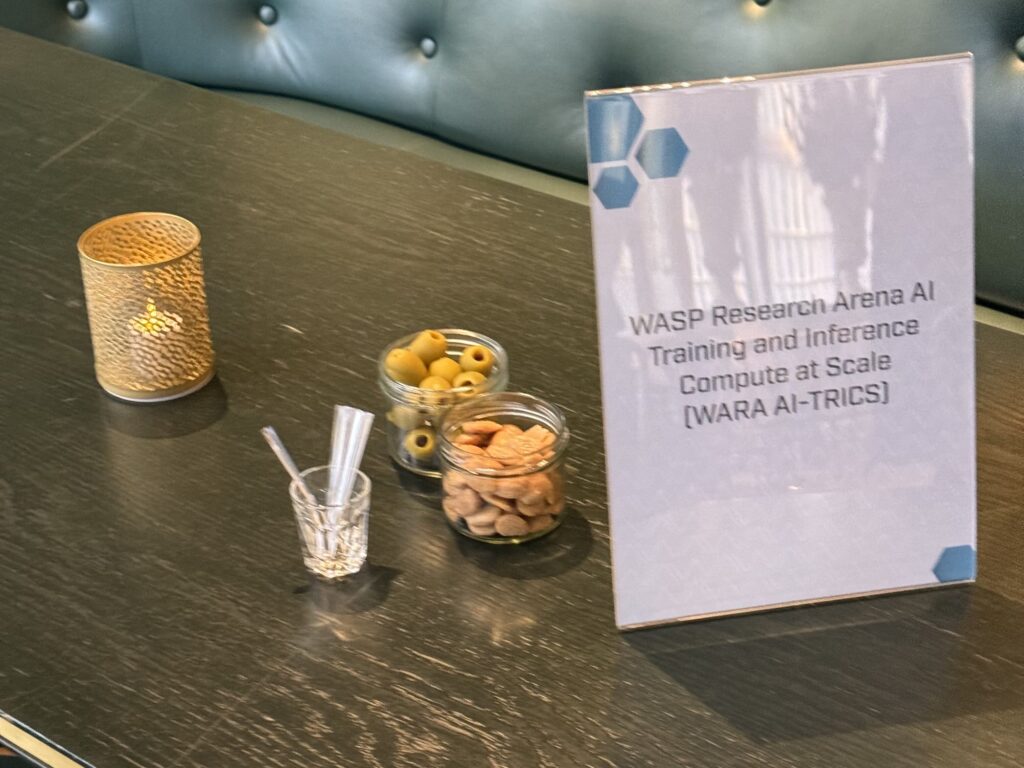
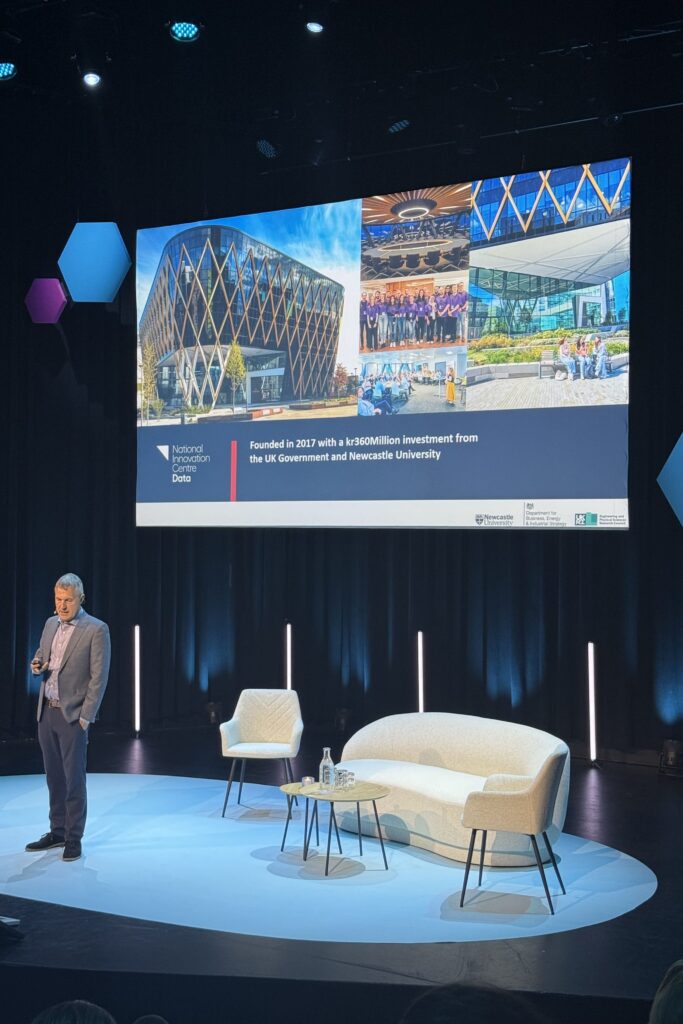
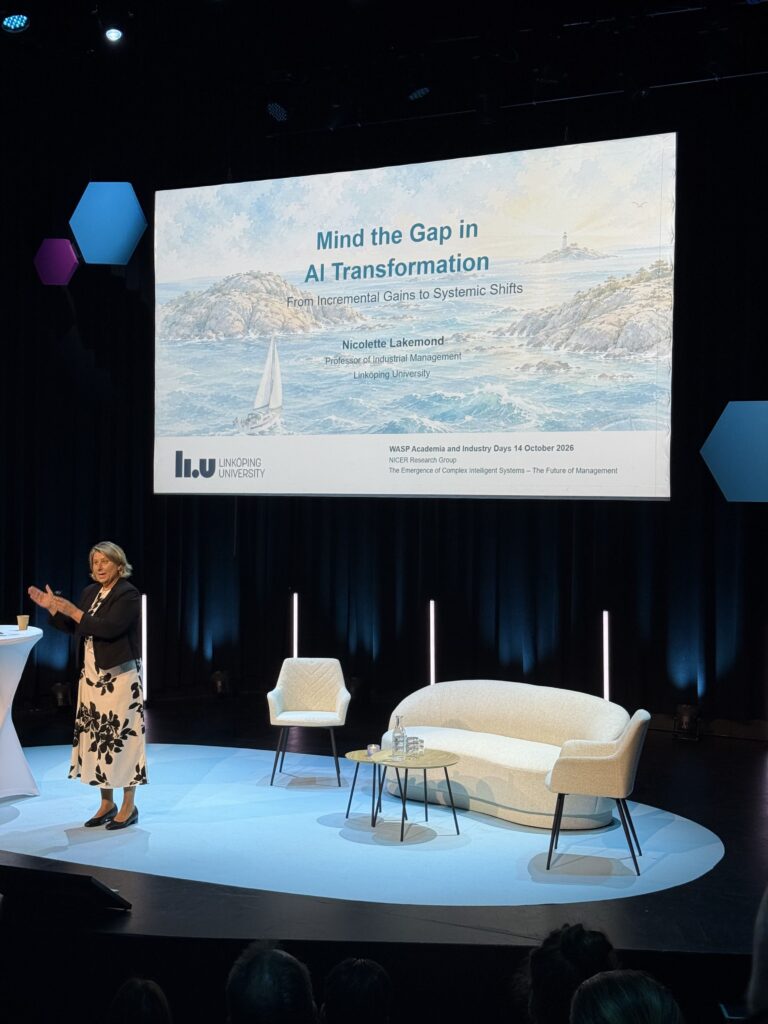
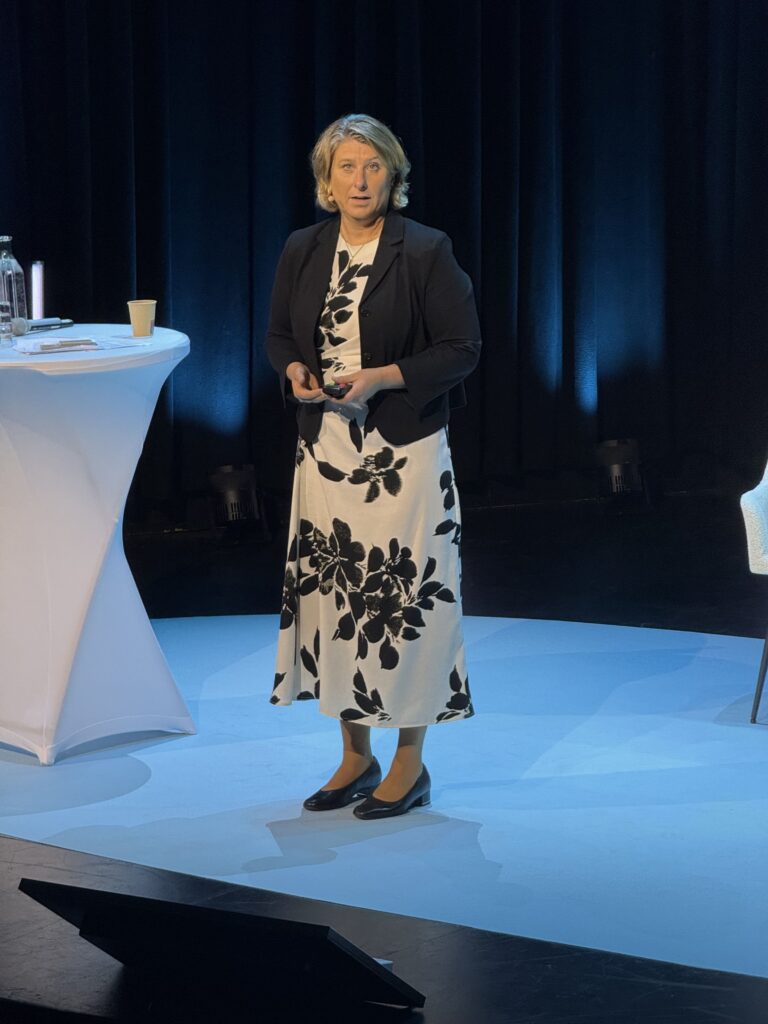
The academic and research perspectives included Uppsala University, Linköping University, Newcastle University and the Royal Swedish Academy of Engineering Sciences (IVA), as well as the Swedish research initiatives SE.LLMA and the WASP Research Arena WARA AI-TRICS.
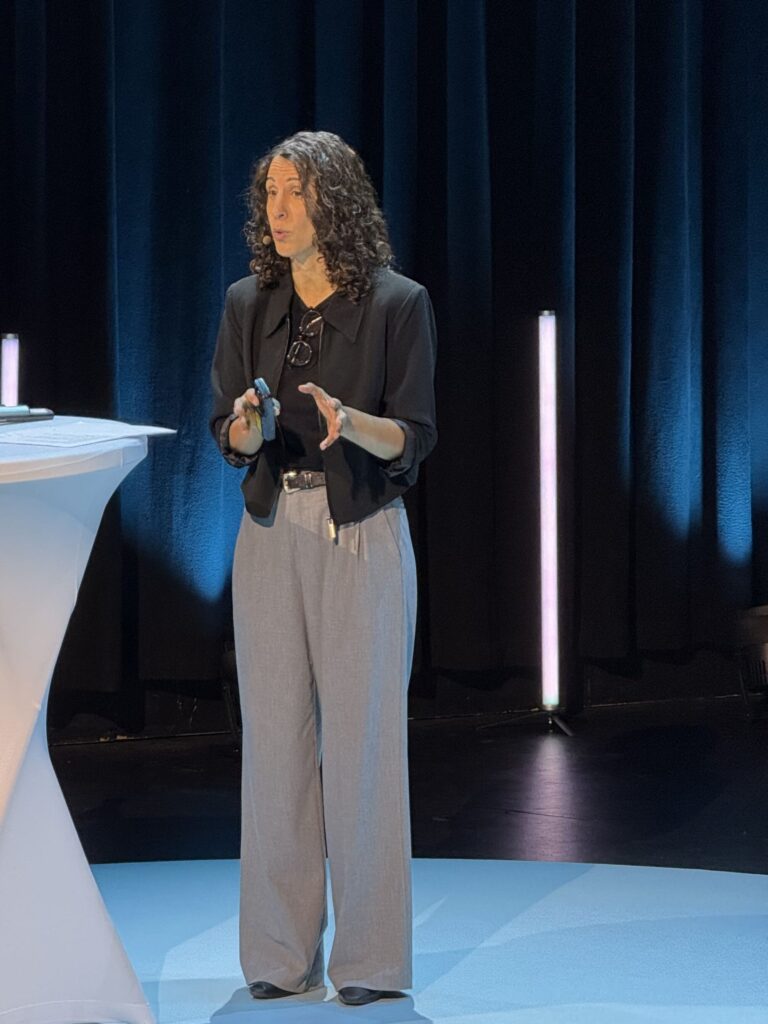
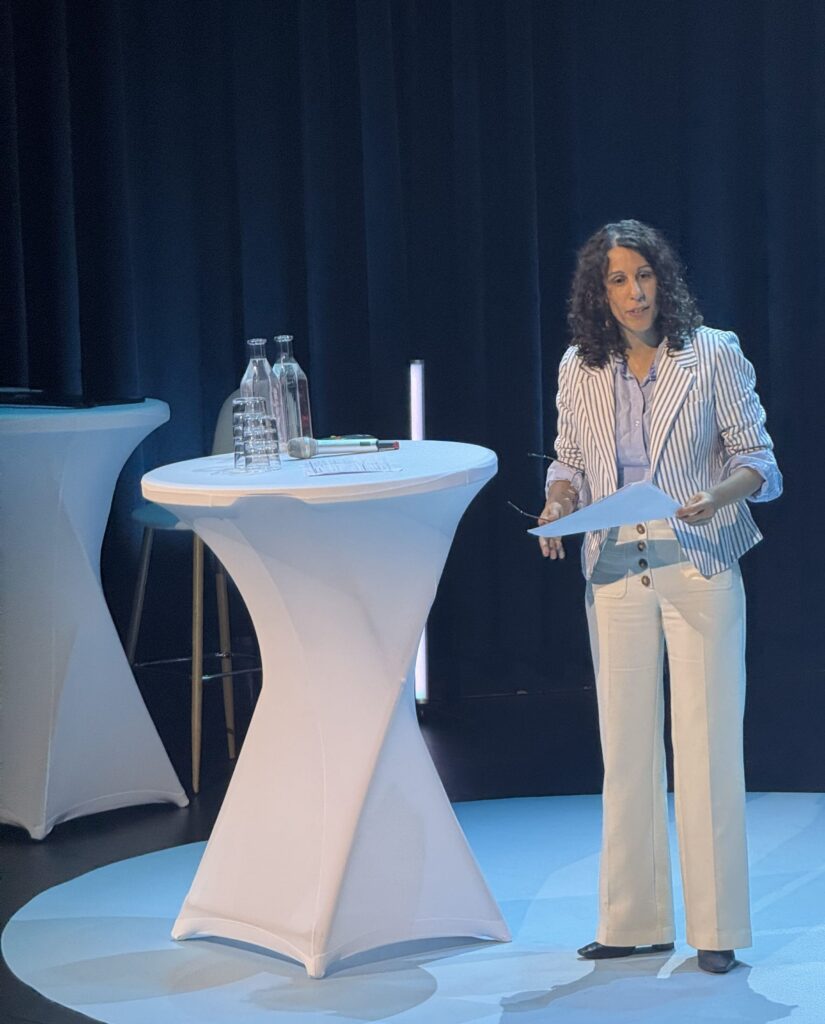
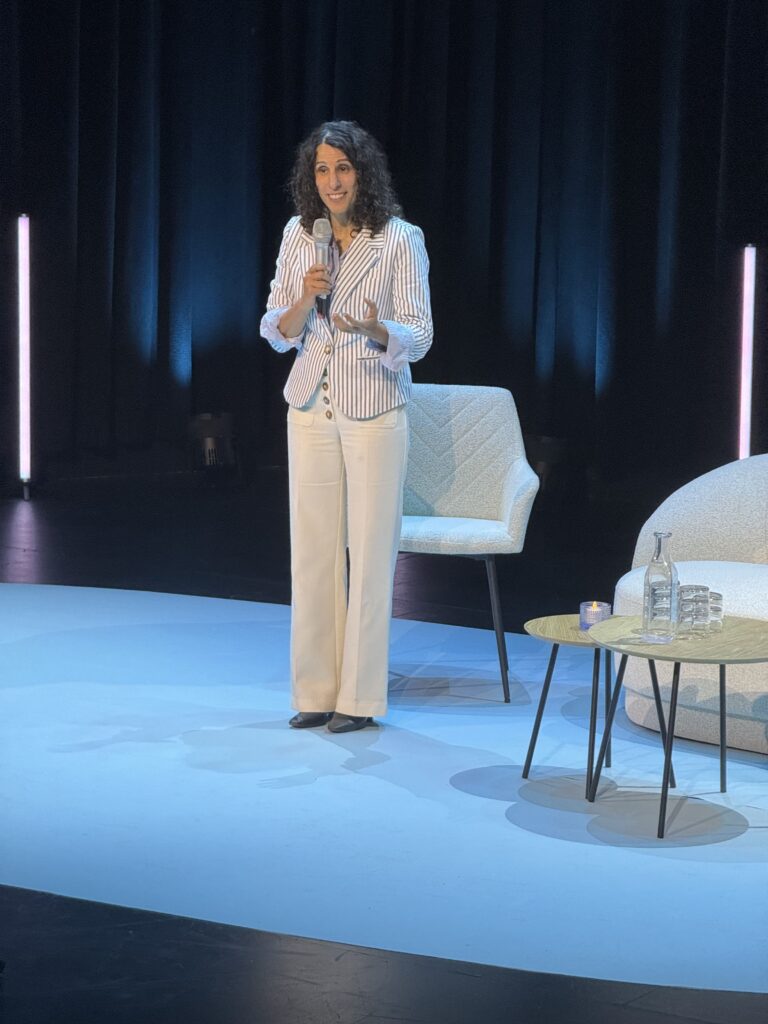
Amy Loutfi, Program Director of WASP, was an excellent moderator, guiding discussions and bringing diverse perspectives together throughout the conference. Her moderation helped connect the programme’s different themes, from fundamental research and industrial applications to the broader questions surrounding Sweden’s future technological capabilities.
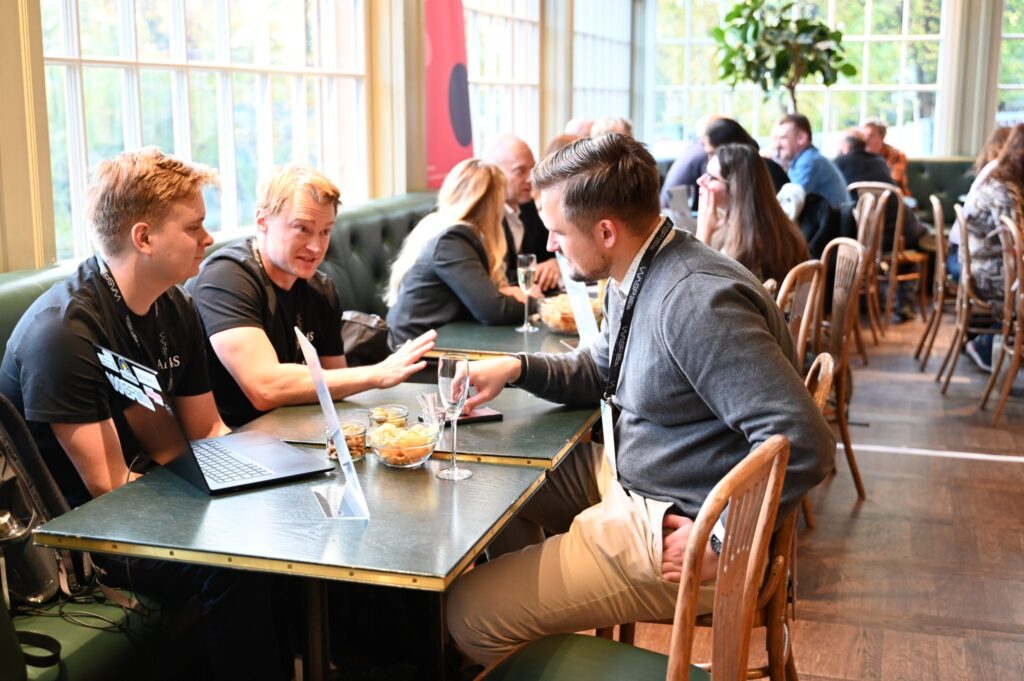
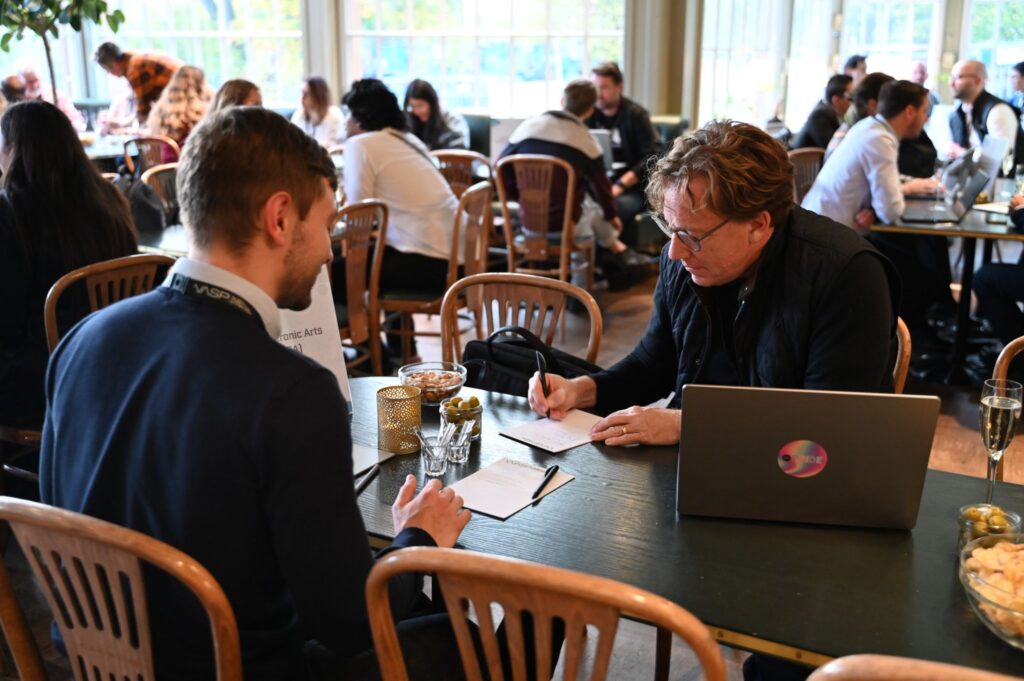
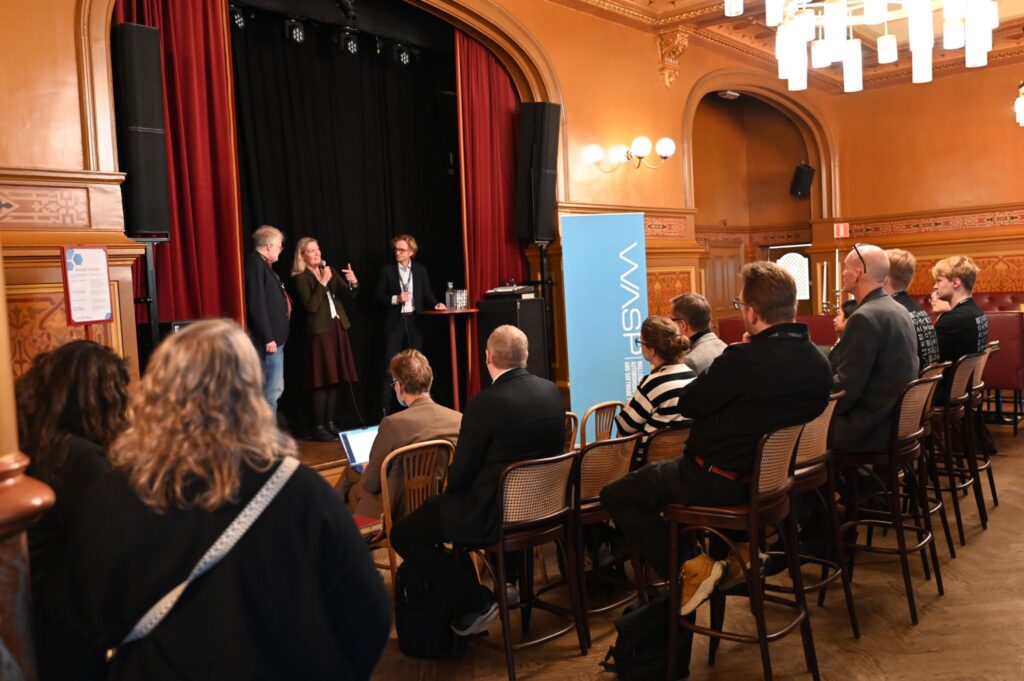
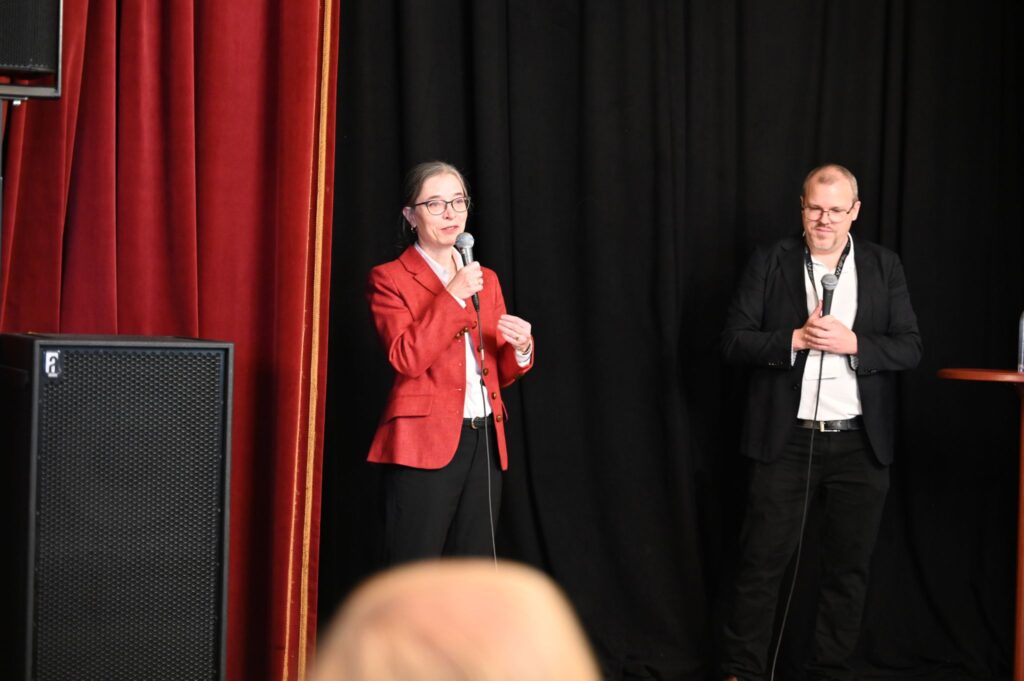
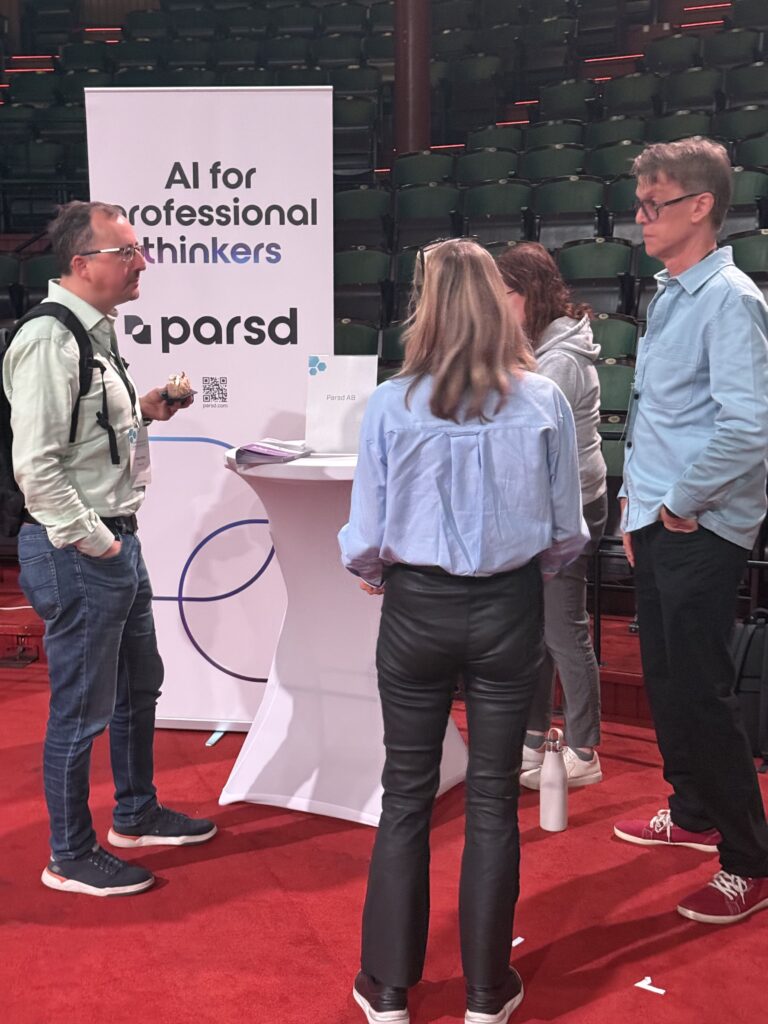
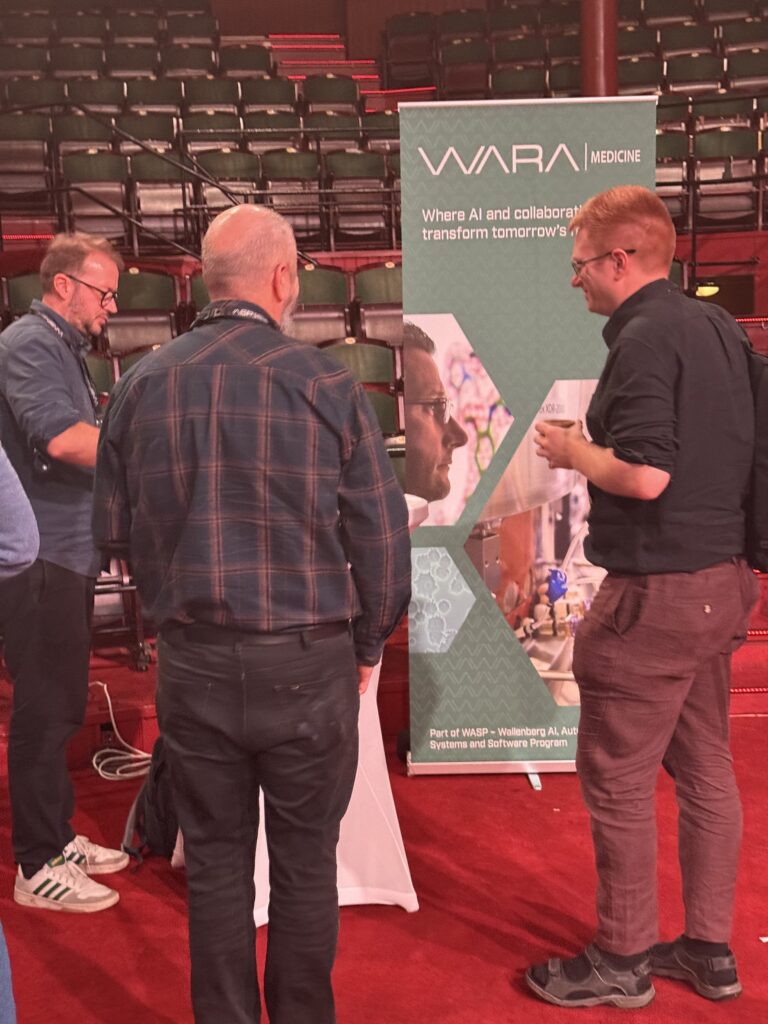
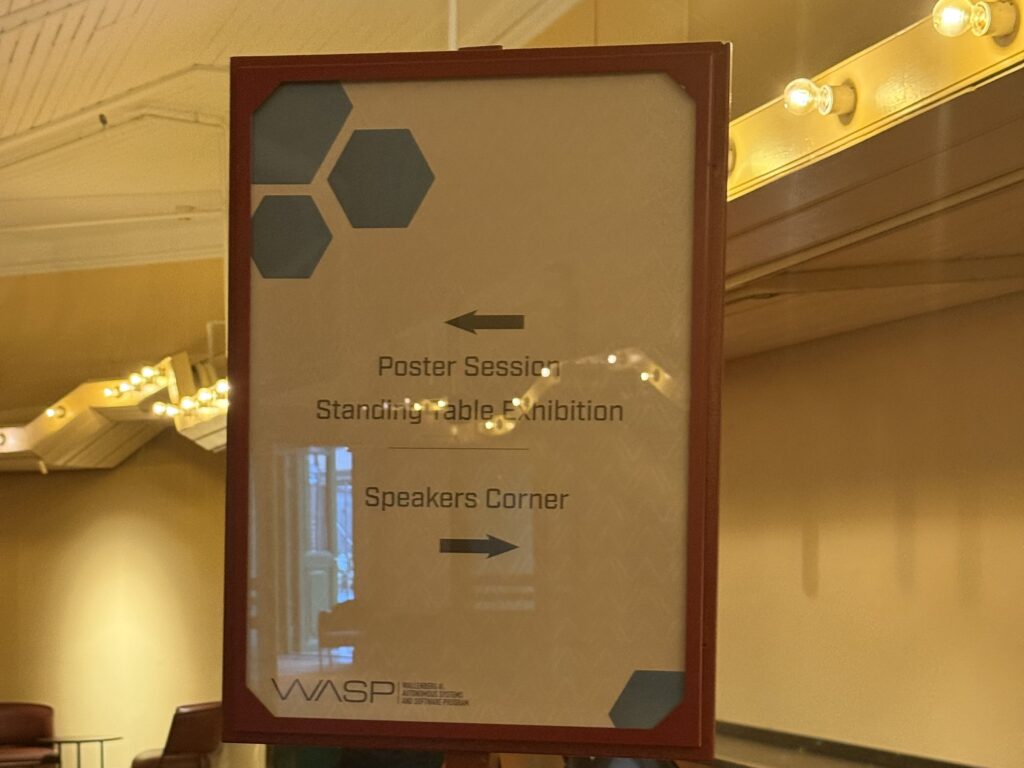
The programme also included poster presentations, a standing-table exhibition, Speakers Corner and speed networking, providing additional opportunities for researchers and industry representatives to exchange knowledge and explore potential collaborations.
The WASP Lighthouse at KTH: Connecting research and community
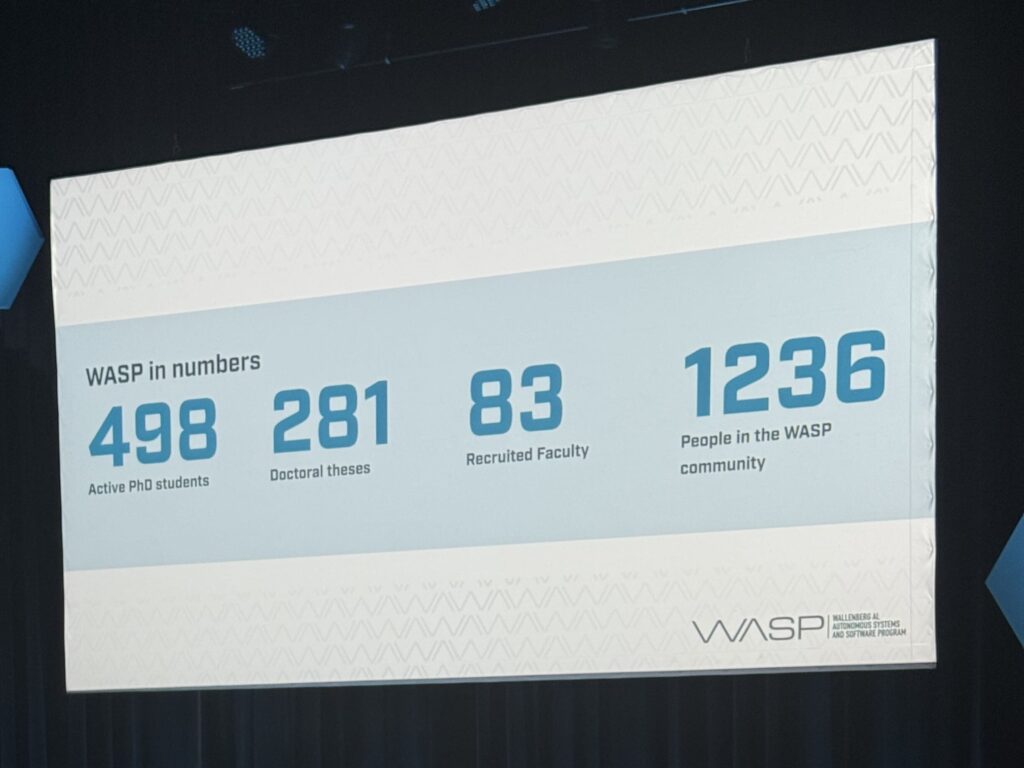
The Wallenberg AI, Autonomous Systems and Software Program (WASP) is a major national initiative for strategically motivated basic research, education and faculty recruitment. KTH Royal Institute of Technology is one of WASP’s six partner universities, each of which hosts its own WASP Lighthouse.
The WASP Lighthouse at KTH is hosted by Digital Futures, connecting WASP’s research and education activities with the wider research community and local innovation ecosystem.
The Lighthouse initiative strengthens the visibility of WASP at partner universities and in their local communities. Each Lighthouse highlights local people, projects and events, contributing to a shared national narrative of research excellence. Depending on the university, activities can include research demonstrations, community events, networking and collaboration with local industry.
At KTH, the Lighthouse focuses on three pillars: community events, demonstrations, and collaboration with the local community. These activities help make research more visible, encourage knowledge exchange and create opportunities for new connections.
Bo Wahlberg, Professor at the Department of Decision and Control Systems at KTH and a Digital Futures Faculty member, is the WASP Lighthouse contact person at KTH.
“The WASP Lighthouse is an important platform for connecting WASP’s research with the local community. By bringing researchers, students and industry together through events and demonstrations, we can make our research more visible, encourage new collaborations and help translate research excellence into impact.”
— Bo Wahlberg, Professor at KTH and WASP Lighthouse contact person at KTH
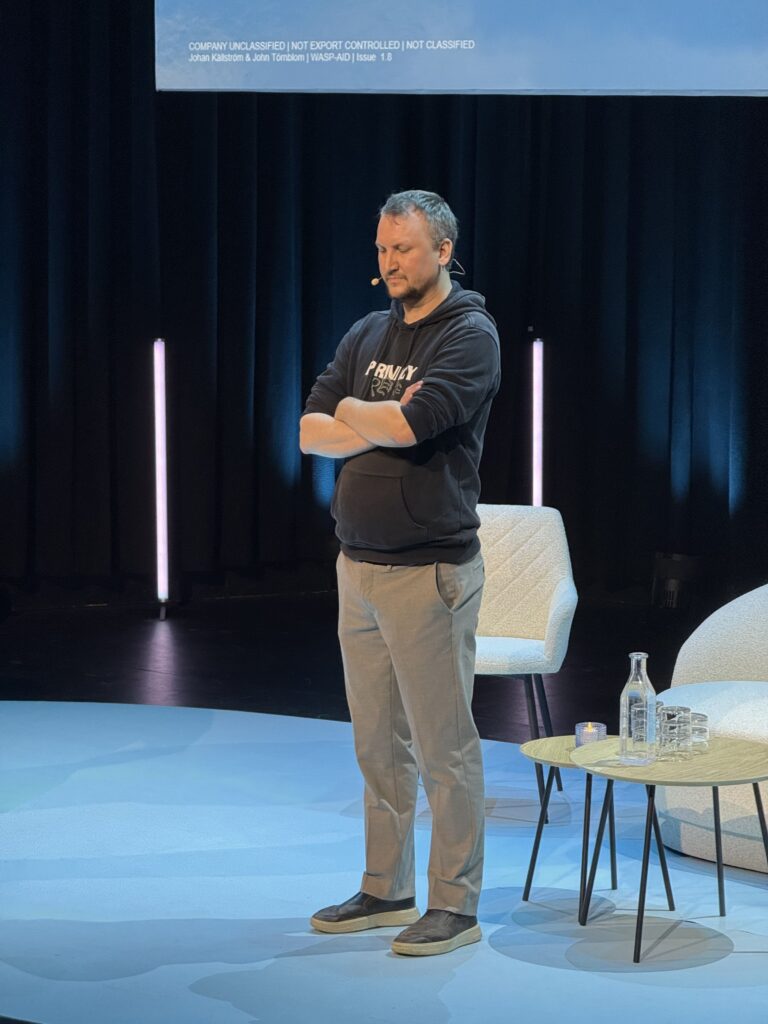
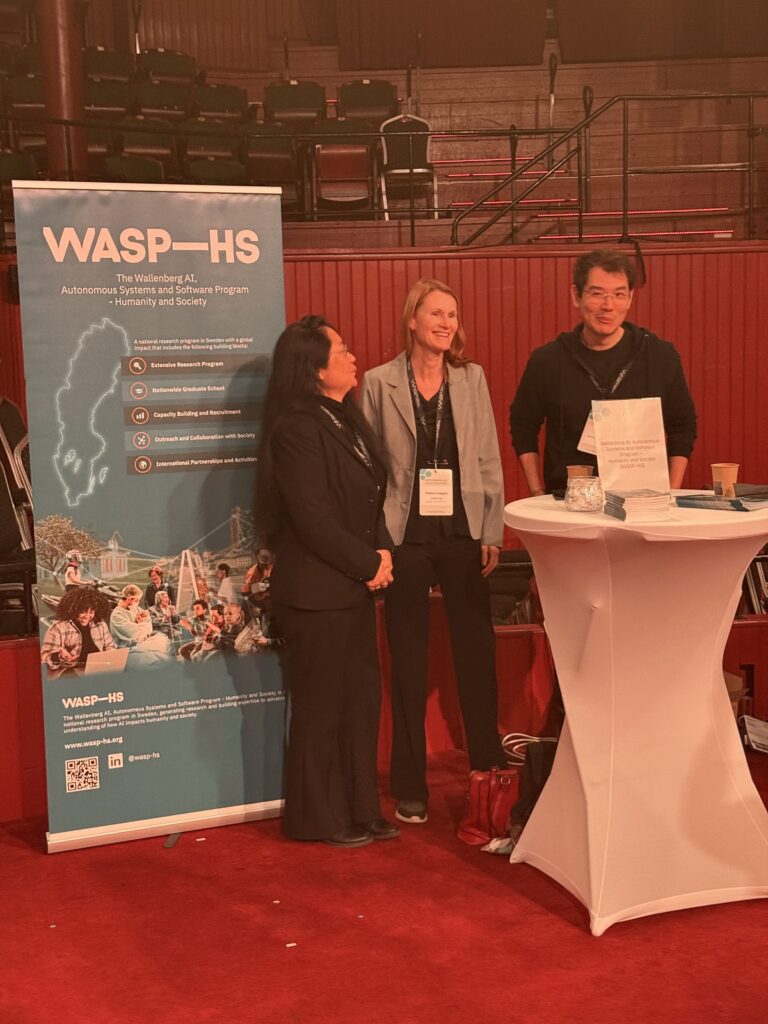
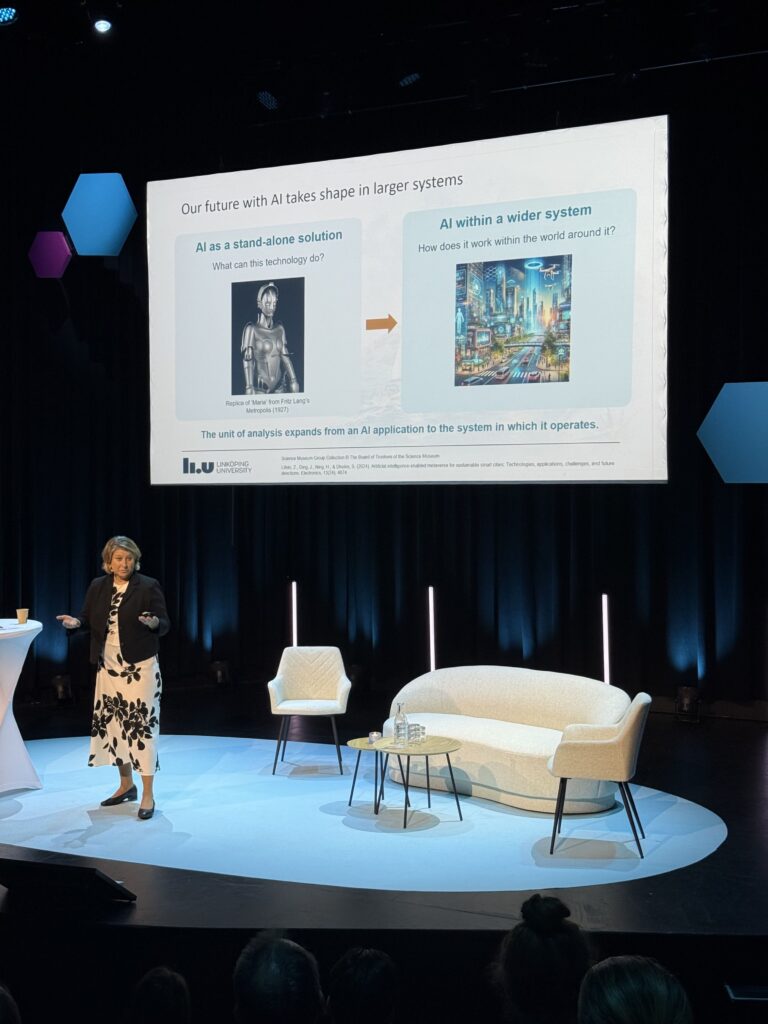
Day 1 photo gallery
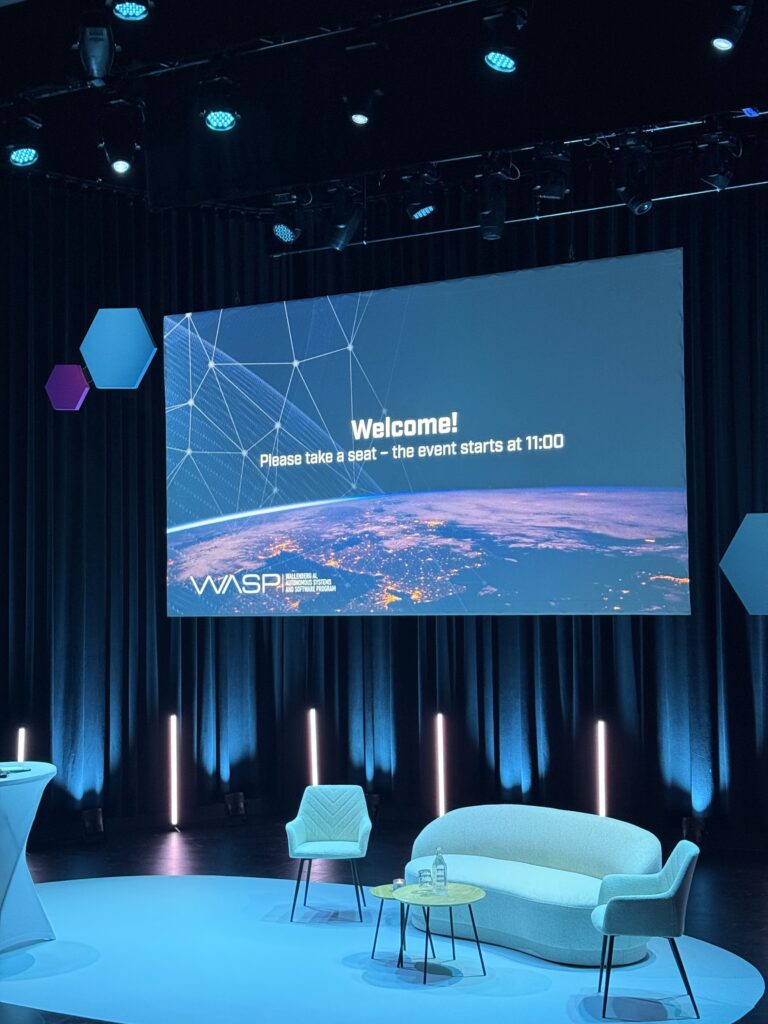
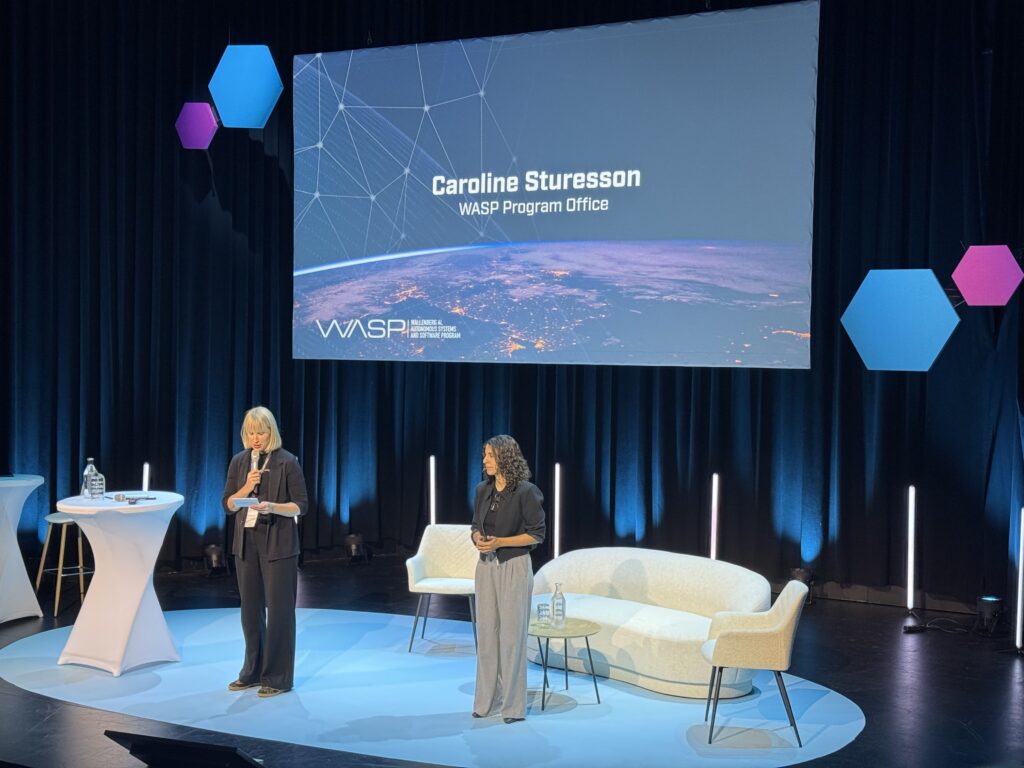



Building bridges between research and application
WASP Academia and Industry Days highlights the importance of creating meeting places where academic research and industrial challenges can inform one another. Such exchanges are essential for developing new ideas, strengthening Sweden’s research and innovation capacity, and exploring how emerging technologies can benefit society.
“WASP Academia and Industry Days is an opportunity to bring different perspectives together and strengthen the connections between research and industry. By creating opportunities for dialogue and collaboration, we can help ensure that advances in AI, autonomous systems and software contribute to the betterment of Sweden.”
— Amy Loutfi, Program Director of WASP
Through the WASP Lighthouse at KTH, Digital Futures contributes to this national effort by making research visible, supporting community-building and encouraging collaboration across disciplines and sectors.
Learn more about the WASP Lighthouse at KTH and the WASP Lighthouse initiative.
Explore the WASP Academia and Industry Days programme.
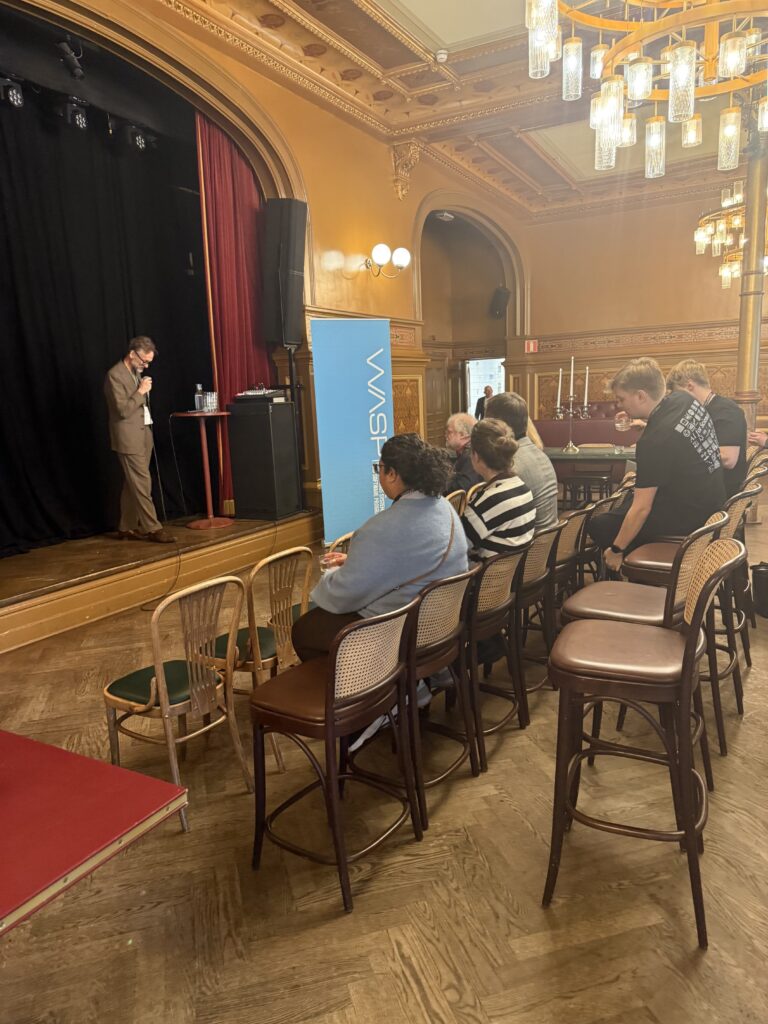
Day 2 photo gallery
Text & Photo: Johanna Gavefalk